
Commercial properties in Downtown Houston face unique challenges when a sewage backup occurs. High-rise office buildings near Louisiana Street or retail spaces near Main Street cannot afford prolonged shutdowns. A sewage spill is a Category 3 water intrusion. This means the liquid contains significant pathogens and gross unsanitary agents. In the humid 2026 Houston climate, these contaminants multiply rapidly. Immediate action is necessary to protect employees, customers, and the physical asset. Our team provides professional commercial sewage cleanup specifically for the high-density business districts of the city.
Sewage contains bacteria, viruses, and parasites that pose immediate health risks. When a pipe bursts in an office building or a floor drain overflows in a restaurant, the clock starts. Microbes like E. coli and Salmonella thrive in the warm environments of Harris County. Without rapid intervention, the moisture from the spill will also trigger secondary issues. Mold growth can begin within twenty-four hours in the local humidity. This makes business interruption mitigation the top priority for facility managers. You need a team that understands the logistics of Downtown Houston, including parking constraints and freight elevator access for heavy equipment.
Understanding Category 3 Water Contamination
Water restoration professionals classify liquid based on the level of contamination. Category 3 water, often called black water, is the most dangerous. This includes sewage, rising floodwaters from the Buffalo Bayou, and any water that has been standing for several days. This liquid carries heavy loads of bacteria and fecal matter. In a commercial setting, this is not just a cleaning task but a biohazard remediation project. All porous materials that touch black water must be removed and discarded according to health regulations. This includes carpet, padding, and traditional drywall. We follow the IICRC S500 standard for professional water damage restoration to ensure the property is returned to a safe state.
The health of your staff depends on thorough sanitization. Standard cleaning chemicals are often insufficient for commercial sewage spills. Our technicians use EPA-registered disinfectants designed to kill resilient pathogens. We also address the structural integrity of the building. Moisture can seep into concrete subfloors and behind baseboards. If left untreated, the odors will become permanent and the structural components may weaken. This is why emergency sewage cleanup is required as soon as the spill is identified.
Professional Sewage Remediation Process for Houston Businesses
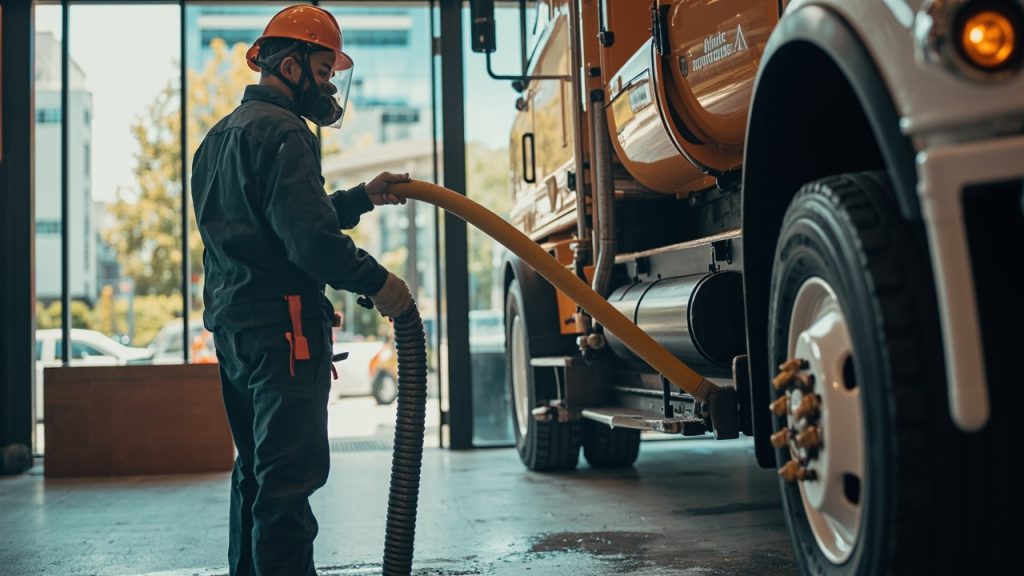
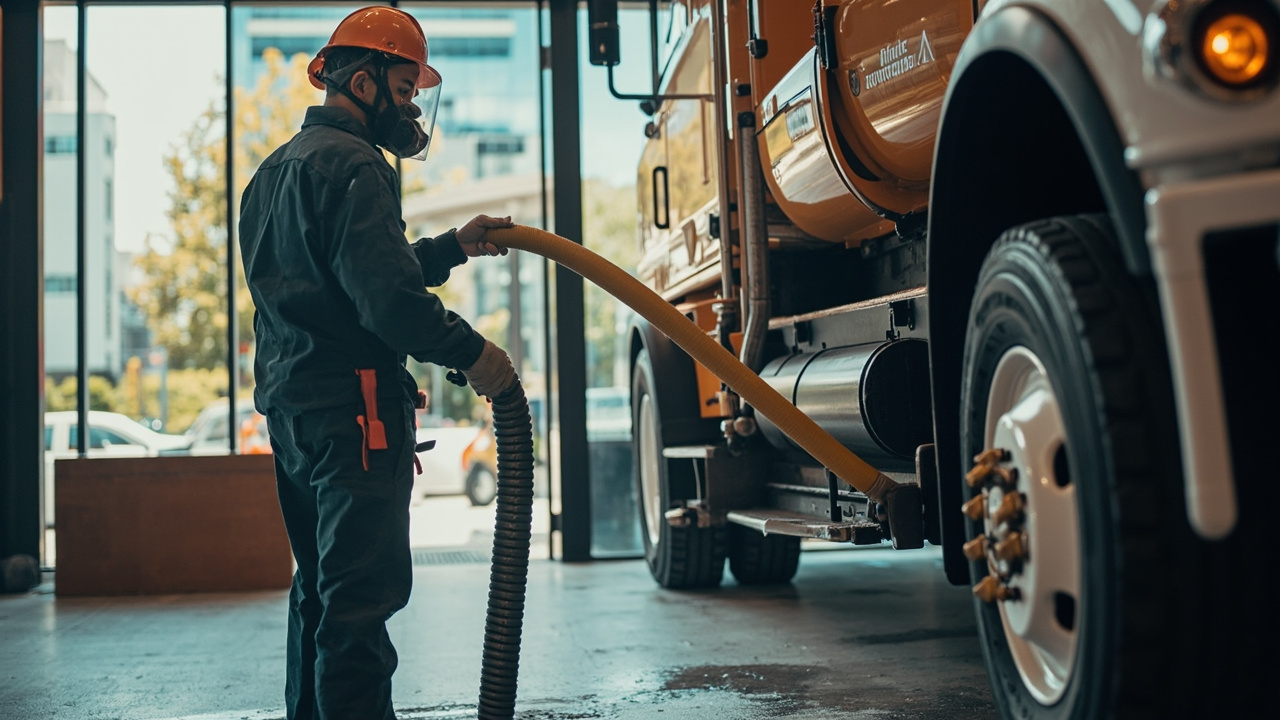
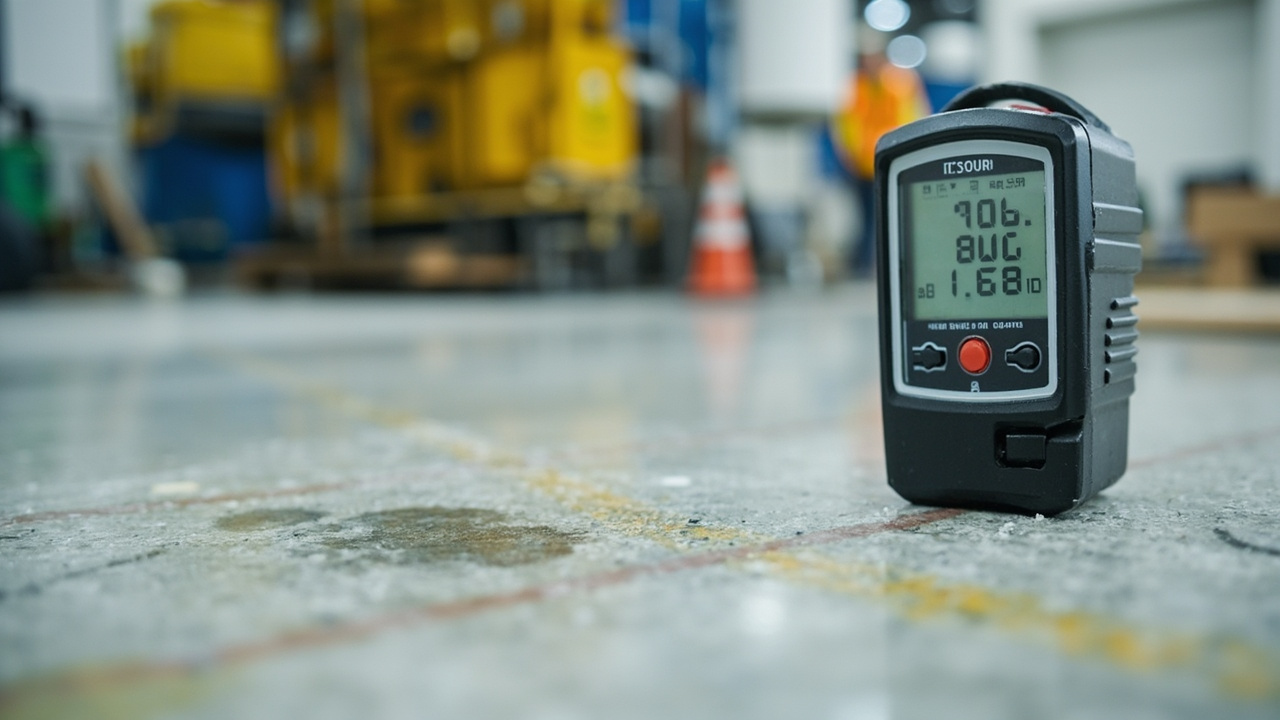
The first phase involves a detailed assessment of the affected areas. We use thermal imaging and moisture meters to track the spread of the liquid through walls and under flooring. Once the perimeter is established, we begin large scale water extraction using industrial truck-mounted systems. This removes the bulk of the liquid and prevents it from migrating into adjacent suites or lower floors. In the Downtown Houston tunnel system or subterranean parking garages, we use specialized portable extractors if truck-mount access is limited.
After extraction, our team performs controlled demolition. This involves removing the bottom two feet of drywall where the sewage has wicked upward. We strip out contaminated carpet and dispose of it as biohazard waste. This step is non-negotiable for Category 3 water. Once the area is cleared of debris, we apply antimicrobial treatments to all remaining surfaces. This is followed by sanitization and odor removal using hydroxyl generators and air scrubbers with HEPA filtration. These machines remove airborne contaminants and neutralize the strong odors associated with sewage backups.
Typical Timeline for Commercial Sewage Restoration
The duration of a project depends on the square footage and the materials involved. Below is a general guide for restoration timelines in a standard commercial setting.
| Restoration Phase | Estimated Duration | Primary Goal |
|---|---|---|
| Emergency Extraction | 2 to 4 Hours | Liquid removal and containment |
| Controlled Demolition | 1 to 2 Days | Removal of unsalvageable materials |
| Decontamination | 1 Day | Sanitization with EPA-registered agents |
| Structural Drying | 3 to 5 Days | Reaching dry standards for subfloors |
| Final Clearance Testing | 1 Day | Verifying the area is safe for occupancy |
The Importance of Rapid Response in High Rise Environments
Downtown Houston high-rises present specific plumbing complexities. A backup on the 20th floor can impact dozens of offices below if the water travels down the elevator shafts or utility chases. Rapid response stops the vertical migration of sewage. Our team is familiar with the mechanical systems of major buildings near Discovery Green and the Theater District. We coordinate with building engineers to shut off main lines and isolate the source of the backup quickly.
Speed also helps in minimizing the total cost of the claim. The longer sewage sits, the more it penetrates the building envelope. Materials that might have been saved in a clean water leak, like metal studs, can become corroded or heavily contaminated in a sewage event. By arriving within the hour, we can salvage more of the structural components and reduce the time your business is offline. We also provide industrial drying services to handle the high-volume air movement needed in large open-plan offices.
Downtown Houston Service Area Response Times
We prioritize the central business hub to ensure minimal economic impact on the city. Here are our target arrival times for key Downtown neighborhoods in 2026.
| Neighborhood | Average Response Time | Key Access Points |
|---|---|---|
| Central Business District | 30 to 45 Minutes | Main St, Smith St, McKinney St |
| Historic District | 40 to 60 Minutes | Congress St, Preston St |
| Warehouse District/EaDo | 35 to 50 Minutes | St. Emanuel St, Chartres St |
| Midtown Houston | 30 to 45 Minutes | Louisiana St, Bagby St |
Compliance and Documentation for Insurance Claims
Commercial insurance policies for sewage backups are complex. Most require detailed documentation of the damage and the steps taken to mitigate the loss. We provide comprehensive photo logs and moisture readings to support your claim. Our documentation follows the requirements of major commercial carriers and the OSHA regulations for workplace safety. This ensures that you have all the necessary evidence for how to handle insurance claims effectively.
We use industry-standard estimating software to provide transparent pricing. This avoids disputes with adjusters and speeds up the payout process. Our project managers communicate directly with your insurance representative to explain the necessity of the decontamination protocols. In 2026, the standards for commercial hygiene are stricter than ever. We ensure your property meets all local health codes before employees return to the site. This protects you from future liability and ensures a safe working environment.
Steps for Facility Managers During a Sewage Emergency
If you discover a sewage backup in your Houston property, follow these immediate steps to protect occupants and assets.
- Evacuate the immediate area and restrict access to prevent cross-contamination to other floors.
- Turn off the HVAC system to prevent the spread of odors and airborne pathogens through the ventilation shafts.
- Contact building maintenance to identify the source of the blockage or pipe failure.
- Call for professional remediation to begin the extraction and sanitization process.
- Notify your insurance provider to open a claim file for the event.
- Do not attempt to clean the spill with standard custodial staff because they lack the proper PPE and training for biohazards.
The Impact of Houston Humidity on Sewage Restoration
Houston is famous for its high indoor humidity levels. During a sewage spill, the evaporation of the liquid significantly increases the moisture content in the air. If the relative humidity rises above sixty percent, mold spores will begin to colonize on ceilings and walls far away from the initial spill. This is why we deploy large-scale dehumidifiers as part of our structural drying services. We manage the interior climate to prevent a localized spill from turning into a building-wide mold problem.
Our technicians monitor the grains per pound in the air and the temperature to ensure the drying environment is optimized. This is especially critical for buildings with sensitive equipment like server room water damage or high-end electronics. We use desiccant dehumidifiers for these areas because they can achieve much lower humidity levels than standard refrigerant units. This precision drying is essential for the high-tech infrastructure found in Downtown Houston office towers.
Long Term Prevention for Commercial Plumbing Systems
While we specialize in emergency response, we also advise on prevention. Many sewage backups in Downtown Houston result from aging infrastructure or grease buildup in restaurant lines. Regular hydro-jetting of the main lines can prevent significant failures. Additionally, installing backflow preventers can stop city sewer surges from entering your building during heavy rain events. We often see these issues during storm flooding emergency service calls where the city system becomes overwhelmed.
Understanding the categories of water helps you make informed decisions about your property. Category 3 water is a threat to the health of your tenants and the reputation of your business. By partnering with a professional team that understands the local Houston landscape, you ensure that your property is restored quickly and correctly. Our 15 years of experience in the Houston metro area allows us to navigate the complexities of local regulations and building requirements with ease.
Frequently Asked Questions About Commercial Sewage Cleanup
Can my custodial staff handle a sewage spill?
No. Standard cleaning staff typically lack the required Personal Protective Equipment and specialized training to handle biohazards safely. Attempting to clean sewage without the right equipment can lead to illness and spread the contamination to clean areas of the building. OSHA has specific requirements for employees handling bloodborne pathogens and fecal matter.
How soon can my business reopen after a sewage backup?
Most businesses can resume limited operations within twenty-four to forty-eight hours after the initial decontamination is complete. However, the total restoration and drying process may take several days. We work in phases to ensure the most critical areas of your business are prioritized so you can return to work as fast as possible.
Does insurance cover the cost of sewage cleanup?
Many commercial policies include coverage for sewage backups, but it often requires a specific rider. We recommend reviewing your policy with your agent annually. We provide all the necessary documentation to help you maximize your claim and ensure all remediation costs are properly reported.
For immediate assistance with sewage emergencies in Downtown Houston, contact our professional team today. We are ready to respond to your commercial property with the equipment and expertise needed to restore safety and cleanliness to your workspace.
{
“@context”: “https://schema.org”,
“@type”: “BlogPosting”,
“headline”: “Rapid Commercial Sewage Remediation in Downtown Houston”,
“description”: “Get quick response sewage cleanup for Downtown Houston commercial properties. Our expert team handles biohazard decontamination and business restoration 24/7.”,
“wordCount”: 1694,
“datePublished”: “2026-03-14T06:35:00.000Z”,
“dateModified”: “2026-03-14T06:35:00.000Z”,
“inLanguage”: “en-US”,
“mainEntityOfPage”: {
“@type”: “WebPage”,
“@id”: “https://silverlinewaterdamagerestorationhouston.com”
},
“publisher”: {
“@type”: “LocalBusiness”,
“name”: “Silverline Water Damage Restoration Houston”,
“url”: “https://silverlinewaterdamagerestorationhouston.com”
},
“author”: {
“@type”: “Organization”,
“name”: “Silverline Water Damage Restoration Houston”,
“url”: “https://silverlinewaterdamagerestorationhouston.com”
},
“image”: {
“@type”: “ImageObject”,
“url”: “https://silverlinewaterdamagerestorationhouston.com/wp-content/uploads/2026/03/quick-response-sewage-cleanup-for-commercial-prope-1.jpg”
}
}
{
“@context”: “https://schema.org”,
“@type”: “LocalBusiness”,
“name”: “Silverline Water Damage Restoration Houston”,
“url”: “https://silverlinewaterdamagerestorationhouston.com”,
“address”: {
“@type”: “PostalAddress”,
“addressLocality”: “Houston”
},
“areaServed”: {
“@type”: “City”,
“name”: “Houston”
}
}
{
“@context”: “https://schema.org”,
“@type”: “FAQPage”,
“mainEntity”: [
{
“@type”: “Question”,
“name”: “Can my custodial staff handle a sewage spill?”,
“acceptedAnswer”: {
“@type”: “Answer”,
“text”: “No. Standard cleaning staff typically lack the required Personal Protective Equipment and specialized training to handle biohazards safely. Attempting to clean sewage without the right equipment can lead to illness and spread the contamination to clean areas of the building. OSHA has specific requirements for employees handling bloodborne pathogens and fecal matter.”
}
},
{
“@type”: “Question”,
“name”: “How soon can my business reopen after a sewage backup?”,
“acceptedAnswer”: {
“@type”: “Answer”,
“text”: “Most businesses can resume limited operations within twenty-four to forty-eight hours after the initial decontamination is complete. However, the total restoration and drying process may take several days. We work in phases to ensure the most critical areas of your business are prioritized so you can return to work as fast as possible.”
}
},
{
“@type”: “Question”,
“name”: “Does insurance cover the cost of sewage cleanup?”,
“acceptedAnswer”: {
“@type”: “Answer”,
“text”: “Many commercial policies include coverage for sewage backups, but it often requires a specific rider. We recommend reviewing your policy with your agent annually. We provide all the necessary documentation to help you maximize your claim and ensure all remediation costs are properly reported.”
}
}
]
}
{
“@context”: “https://schema.org”,
“@type”: “BreadcrumbList”,
“itemListElement”: [
{
“@type”: “ListItem”,
“position”: 1,
“name”: “Home”,
“item”: “https://silverlinewaterdamagerestorationhouston.com”
},
{
“@type”: “ListItem”,
“position”: 2,
“name”: “Blog”,
“item”: “https://silverlinewaterdamagerestorationhouston.com/blog”
},
{
“@type”: “ListItem”,
“position”: 3,
“name”: “Rapid Commercial Sewage Remediation in Downtown Houston”
}
]
}
{
“@context”: “https://schema.org”,
“@type”: “Service”,
“serviceType”: “Water Damage Restoration”,
“provider”: {
“@type”: “LocalBusiness”,
“name”: “Silverline Water Damage Restoration Houston”,
“url”: “https://silverlinewaterdamagerestorationhouston.com”
},
“areaServed”: {
“@type”: “City”,
“name”: “Houston”
},
“description”: “Get quick response sewage cleanup for Downtown Houston commercial properties. Our expert team handles biohazard decontamination and business restoration 24/7.”
}