
Specialized Historic Home Water Damage Restoration in Houston Texas
The Old Sixth Ward stands as the most intact Victorian neighborhood in Houston. Many homes here date back to the late nineteenth century and carry protected status. These structures represent a significant part of the history of Harris County. Owners of these properties face specific challenges when water damage occurs. Modern plumbing often sits inside walls designed for a different era. This conflict leads to unique risks. Standard restoration tactics that work in modern Katy suburbs often fail in the Sixth Ward. You need a specialized approach to preserve the architectural integrity of these landmarks. This guide explains how to handle water emergencies while respecting the historical fabric of your property.
Historic homes in the Old Sixth Ward often feature pier and beam foundations. The clay soil in Houston shifts frequently during the humid 2026 season. This movement puts stress on old galvanized pipes and cast iron drains. Unlike the PVC used in newer construction, these materials corrode from the inside out. A pinhole leak in a historic wall can go unnoticed for weeks. By the time you see a stain on your plaster ceiling, the internal structure may have significant moisture saturation. If you encounter a sudden leak, you should look for Who to Call for Emergency Water Removal in The Heights and What to Do While You Wait because neighboring historic districts share these identical structural vulnerabilities.

The Unique Plumbing Risks in Houston Historic Districts
Plumbing systems in the Old Sixth Ward often represent a patchwork of different eras. You might find original lead pipes connected to mid-century galvanized steel and modern PEX. This mixture creates galvanic corrosion. When different metals touch, they react and weaken the pipe walls. The high mineral content in Houston water accelerates this process. In 2026, we see many failures at these junction points. When a pipe bursts in a historic home, the water does not just sit on the floor. It travels through the cavities of lath and plaster walls. It soaks into the original shiplap and longleaf pine flooring. These materials behave differently than modern drywall and laminate.
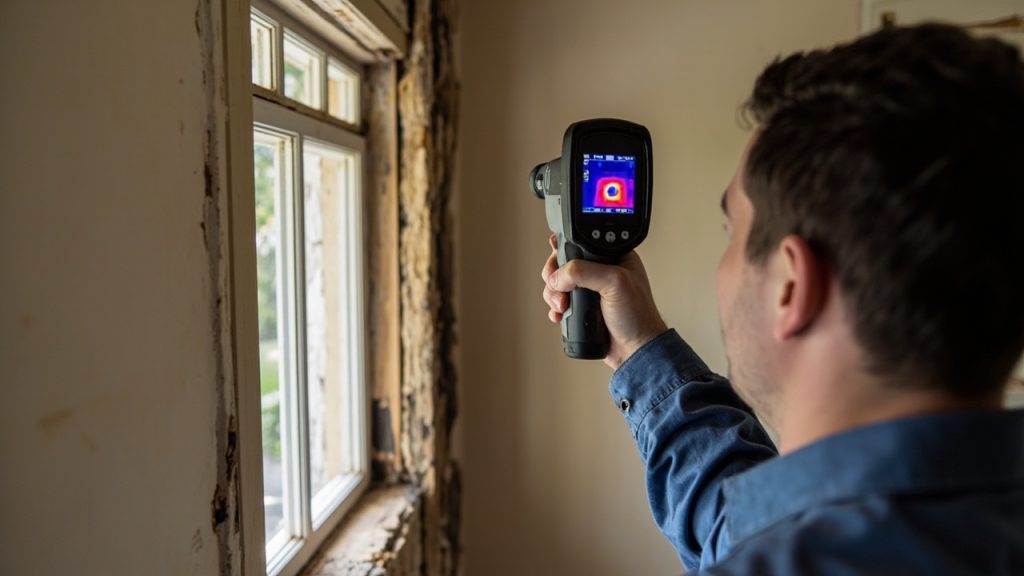
Modern materials like drywall are designed to be replaced. Historic materials are meant to be preserved. If a contractor suggests ripping out your original plaster after a leak, they may not understand historic restoration. Plaster is much more resilient than drywall if dried correctly. However, it requires slow and controlled moisture removal. Fast drying with high heat can cause plaster to crack or pull away from the wood lath. This is why specialized moisture mapping is essential. Technicians use thermal imaging to find water hidden behind shiplap without removing a single board. This precision is vital for maintaining the value of homes in areas like the Old Sixth Ward or Finding Reliable Flood Damage Restoration Specialists in Katy and West Houston for those who own properties across the metro area.
Comparison of Drying Times for Historic and Modern Building Materials
The following table shows the current 2026 estimates for drying different materials under standard Houston humidity conditions. These times assume the use of professional grade desiccant dehumidification.
| Material Type | Drying Method | Estimated Time in Days | Replacement Necessity |
|---|---|---|---|
| Modern Drywall | Refrigerant Dehumidifier | 2 to 3 Days | High if saturated |
| Historic Lath and Plaster | Desiccant Dehumidifier | 5 to 7 Days | Low if stabilized |
| Engineered Wood Flooring | Air Movers | 3 to 4 Days | High due to delamination |
| Original Longleaf Pine | Injectidry System | 6 to 9 Days | Low due to density |
| Original Shiplap | Targeted Heat Drying | 4 to 6 Days | Very Low |
Restoring Lath and Plaster without Demolition
Lath and plaster walls are a hallmark of Old Sixth Ward architecture. They provide superior soundproofing and fire resistance compared to modern alternatives. When these walls get wet, the plaster absorbs water and becomes heavy. The wooden lath behind the plaster also expands. If you dry the wood too quickly, it can snap the plaster keys. These keys are the blobs of plaster that squeeze between the lath to hold the wall in place. Professional restorers use a process called psychrometry to monitor the air quality and moisture levels. By controlling the dew point and vapor pressure in the room, we can pull moisture out of the plaster without damaging the bond to the lath.
This process is especially important in 2026 because of current environmental regulations. Many historic homes contain layers of old paint that may have lead content. Any demolition in a pre-1978 home triggers the EPA Lead RRP Rule which requires specific containment and cleaning protocols. By choosing to dry materials in place, you avoid the cost and health risks associated with lead dust. This approach also prevents the need for asbestos testing on old joint compounds or insulation that might be disturbed during a tear-out. Preservation is not just about history. It is a safer and often more cost-effective way to handle water damage in Houston.
Managing Mold in the Houston Humidity
Houston is famous for its high humidity. In the Old Sixth Ward, the proximity to Buffalo Bayou can increase local moisture levels. When water damage occurs, mold can begin to grow within 24 to 48 hours. In historic homes, mold often hides in the dead air spaces between the exterior siding and the interior shiplap. Modern homes use house wraps to manage moisture, but Victorian homes were built to breathe. If you apply modern vapor barriers or high gloss latex paint to these old walls, you can trap moisture inside. This leads to dry rot and mold colonies. If you suspect a mold issue, you should seek Professional Mold Remediation for River Oaks Estates and Historic Homes to ensure the treatment does not damage sensitive materials.
We use HEPA scrubbing and botanical antimicrobials in 2026 to treat mold in historic properties. These methods are effective but gentle on old growth wood. Unlike harsh bleach solutions, botanical treatments do not break down the lignin in the wood fibers. This maintains the structural strength of your home. We also focus on the basement or crawlspace. Many Sixth Ward homes have pier and beam setups where water can pool after a plumbing failure. This standing water creates a vapor drive that pushes moisture up into the living spaces. Proper restoration must include drying the crawlspace and checking the floor joists for saturation.
Current 2026 Plumbing Failure Statistics for Older Houston Neighborhoods
The data below reflects common issues found during inspections in the Old Sixth Ward and surrounding historic districts during the current year.
| Failure Point | Frequency of Occurrence | Primary Cause | Detection Method |
|---|---|---|---|
| Galvanized Pipe Pinhole | 45 Percent | Internal Corrosion | Thermal Imaging |
| Cast Iron Main Collapse | 20 Percent | Soil Shifting | Sewer Camera |
| Supply Line Burst | 15 Percent | Pressure Fluctuations | Visual Inspection |
| Foundation Seepage | 20 Percent | Grading Issues | Moisture Meter |
Steps for Immediate Response to Water Damage
If you find water in your historic home, you must act quickly to prevent permanent staining and structural rot. Follow these steps to stabilize the environment before the restoration team arrives.
- Turn off the main water valve immediately to stop the flow.
- Shut off electricity to the affected area at the breaker box if water is contacting outlets or ceiling lights.
- Move antique furniture and rugs to a dry area or place aluminum foil under the legs to prevent wood stain transfer.
- Avoid using a home vacuum to suck up water as this can cause electrical shock or damage the machine.
- Open windows only if the outdoor humidity is lower than the indoor humidity which is rare in Houston.
- Call a professional who understands the IICRC S500 Standards for professional water damage restoration.
Acting fast can save your original longleaf pine floors. These floors are nearly impossible to replace in 2026 because the original old-growth forests are gone. Most modern pine is soft and grows quickly. The heart pine found in Old Sixth Ward homes is dense and resinous. It can withstand water surprisingly well if it is dried from both the top and the bottom simultaneously. We use specialized floor mats that create a vacuum seal to pull moisture through the wood pores. This prevents cupping and crowning which are the wavy patterns you see in water-damaged wood.
Navigating Insurance Claims for Historic Properties
Filing an insurance claim for a historic home is different than a standard claim. Most policies are written for Actual Cash Value or Replacement Cost using modern materials. However, if your home is in a protected district like the Old Sixth Ward, local building codes may require you to use historically accurate materials for repairs. This can be much more expensive than using drywall and carpet. You need to ensure your restoration company provides detailed documentation. This includes moisture logs, psychrometric charts, and photos of the damage. This evidence proves to the insurance adjuster that specialized drying was necessary to comply with preservation standards.
When dealing with a How to Handle a Burst Pipe in Memorial Without Losing Your Mind, the documentation process is the same. The goal is to return the property to its pre-loss condition. In a historic home, that condition includes specific architectural details. We work with adjusters in 2026 to explain why certain materials cannot simply be patched with modern mud. We focus on the importance of maintaining the historic envelope of the building. This protects your investment and the heritage of the neighborhood.

Ensuring a Dry Foundation in the Old Sixth Ward
The foundation is the most critical part of any Victorian home. In Houston, the gumbo soil expands when wet and shrinks when dry. A major plumbing leak under a house can cause the soil to swell and lift the piers. This leads to cracked plaster and sticking doors. Part of the restoration process involves checking the moisture levels of the soil and the wooden piers. If the crawlspace remains damp, it will attract termites and wood-boring beetles. These pests are a major threat to Houston homes in 2026. We use high-capacity fans to move air through the crawlspace until the wood reach the dry standard for our region.
For commercial properties in the nearby areas, the risks are even higher due to the size of the plumbing systems. If you manage a historic commercial building, you may need Rapid Commercial Sewage Remediation in Downtown Houston to handle larger volume failures. Whether it is a small cottage on Kane Street or a large commercial space on Washington Avenue, the principles of drying remain the same. You must control the environment, protect the materials, and document every step of the process.
If you are facing water damage in your historic Houston home, do not settle for a company that only knows how to use a sledgehammer. Preservation-first restoration saves your history and your health. Contact a local expert who understands the nuances of the Old Sixth Ward. We are available 24 hours a day to help you navigate the challenges of modern plumbing in a historic setting. Our team uses the latest 2026 technology to ensure your home stays dry and structurally sound for another century.
{
“@context”: “https://schema.org”,
“@type”: “BlogPosting”,
“headline”: “Protecting Old Sixth Ward Historic Homes from Modern Plumbing Failures and Water Damage”,
“description”: “Discover how to manage water damage in Houston’s Old Sixth Ward. Learn about specialized drying for historic lath and plaster and current 2026 restoration rules.”,
“wordCount”: 1845,
“datePublished”: “2026-04-01T05:52:00.000Z”,
“dateModified”: “2026-04-01T05:52:00.000Z”,
“inLanguage”: “en-US”,
“mainEntityOfPage”: {
“@type”: “WebPage”,
“@id”: “https://silverlinewaterdamagerestorationhouston.com”
},
“publisher”: {
“@type”: “LocalBusiness”,
“name”: “Silverline Water Damage Restoration Houston”,
“url”: “https://silverlinewaterdamagerestorationhouston.com”
},
“author”: {
“@type”: “Organization”,
“name”: “Silverline Water Damage Restoration Houston”,
“url”: “https://silverlinewaterdamagerestorationhouston.com”
},
“image”: {
“@type”: “ImageObject”,
“url”: “https://silverlinewaterdamagerestorationhouston.com/wp-content/uploads/2026/03/modern-water-damage-risks-for-historic-plumbing-in-1.jpg”
}
}
{
“@context”: “https://schema.org”,
“@type”: “LocalBusiness”,
“name”: “Silverline Water Damage Restoration Houston”,
“url”: “https://silverlinewaterdamagerestorationhouston.com”,
“address”: {
“@type”: “PostalAddress”,
“addressLocality”: “Houston”
},
“areaServed”: {
“@type”: “City”,
“name”: “Houston”
}
}
{
“@context”: “https://schema.org”,
“@type”: “BreadcrumbList”,
“itemListElement”: [
{
“@type”: “ListItem”,
“position”: 1,
“name”: “Home”,
“item”: “https://silverlinewaterdamagerestorationhouston.com”
},
{
“@type”: “ListItem”,
“position”: 2,
“name”: “Blog”,
“item”: “https://silverlinewaterdamagerestorationhouston.com/blog”
},
{
“@type”: “ListItem”,
“position”: 3,
“name”: “Protecting Old Sixth Ward Historic Homes from Modern Plumbing Failures and Water Damage”
}
]
}
{
“@context”: “https://schema.org”,
“@type”: “Service”,
“serviceType”: “Water Damage Restoration”,
“provider”: {
“@type”: “LocalBusiness”,
“name”: “Silverline Water Damage Restoration Houston”,
“url”: “https://silverlinewaterdamagerestorationhouston.com”
},
“areaServed”: {
“@type”: “City”,
“name”: “Houston”
},
“description”: “Discover how to manage water damage in Houston’s Old Sixth Ward. Learn about specialized drying for historic lath and plaster and current 2026 restoration rules.”
}