
Detecting Invisible Moisture in Spring Branch Properties
Spring Branch homeowners face unique challenges when it comes to property maintenance. The combination of aging ranch style homes near Long Point Road and the rapid construction of modern townhomes creates a diverse landscape of potential plumbing issues. Hidden water leaks often remain undetected for weeks or months. By the time you see a visible puddle, the structural integrity of your drywall and studs may already be compromised. Recognizing the early signs of water damage behind walls Houston is essential for preventing expensive remediation projects. Current data shows that early detection can reduce restoration costs by up to sixty percent in the Houston metro area.
Houston humidity plays a massive role in how moisture behaves behind your walls. With average humidity levels frequently exceeding sixty percent in 2026, moisture trapped in a wall cavity has almost no chance to dry naturally. Instead, it creates a localized greenhouse effect. This environment accelerates the degradation of gypsum board and provides the perfect habitat for microbial growth. If you live in older sections of Spring Branch where copper pipes are reaching the end of their lifespan, regular inspections are a necessity rather than an option.
Visual Indicators of Hidden Wall Leaks
Your walls often tell a story before a pipe actually bursts. One of the most common signs is bubbling or peeling paint. In Houston homes, many residents mistake this for a failure of the paint bond due to heat. However, when moisture builds up behind the paint layer, it pushes the coating away from the surface. If the paint feels soft or latex-like when you press it, water is likely present. You should also look for discoloration. These stains usually appear as light yellow or tan circles that expand over time. In many Spring Branch renovations, homeowners find these stains tucked away in the back of closets or behind heavy furniture where airflow is limited.
Warped baseboards and trim are another clear signal. Most baseboards in modern Houston construction consist of medium density fiberboard which acts like a sponge. When water leaks from a wall plate or a slab leak, the bottom of the baseboard absorbs the liquid and swells. If you notice your baseboards pulling away from the wall or appearing wavy, you have a moisture problem. This is a common issue for those finding reliable flood damage restoration specialists in Katy and West Houston who often see similar structural issues in suburban tract homes.
The Sensory Checklist for Houston Homeowners
Sometimes your eyes will deceive you but your other senses will not. A distinct musty or earthy odor is the primary indicator of mold growth resulting from a hidden leak. This smell is often more noticeable when the air conditioning system is running or after a heavy Houston rainstorm. Because the air in Spring Branch is so heavy with moisture, these odors can become trapped in wall cavities and seep through electrical outlets. If one room consistently smells different than the rest of the house, you need to investigate the perimeter walls.
Sound is another diagnostic tool. When the house is quiet at night, listen near your plumbing fixtures. A faint dripping or the sound of running water when no appliances are active indicates a supply line leak. In the Memorial area, many homes feature multi-story layouts where sounds can travel through the framing. Knowing how to handle a burst pipe in Memorial without losing your mind starts with identifying these auditory cues before a total pipe failure occurs.
Comparison of Common Wall Damage Symptoms
| Symptom | Potential Cause | Urgency Level |
|---|---|---|
| Soft Drywall | Slow pinhole leak in copper piping | High |
| Peeling Paint | Condensation or high humidity intrusion | Medium |
| Visible Mold | Long term moisture exposure | Critical |
| Cracked Tiles | Subfloor swelling or slab movement | High |
Technical Tools for Precision Detection
Professional restoration experts use specialized equipment to see through solid surfaces. A moisture meter is the first line of defense. These devices measure the electrical conductivity or capacitance of the wall material to determine its moisture content. In a standard Spring Branch home, drywall should have a moisture reading between five and twelve percent. Anything above fifteen percent suggests an active leak or significant intrusion. These tools are far more accurate than the touch test because they can detect moisture deep within the wall studs.
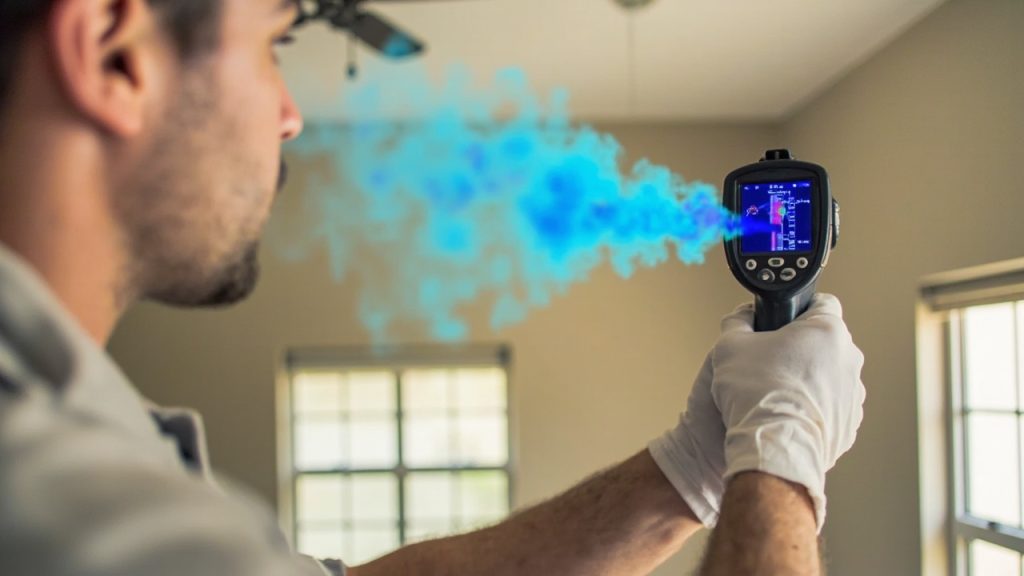
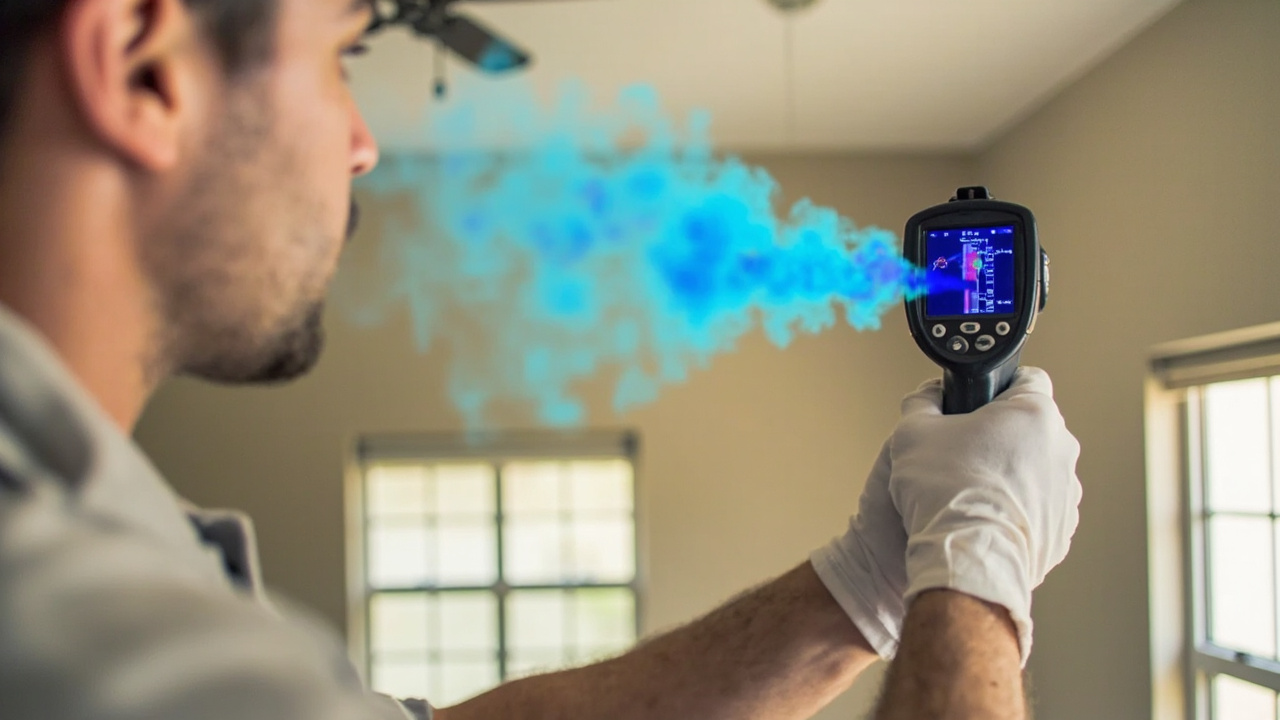
Thermal imaging cameras offer a non-invasive way to scan large areas quickly. These cameras detect temperature differences on the surface of the wall. Since water evaporates, it creates a cooling effect. On an infrared screen, a hidden leak appears as a dark purple or blue plume against the warmer orange background of the dry wall. This technology is particularly useful in professional mold remediation for River Oaks Estates and historic homes where preserving the original plaster and woodwork is a priority. Using thermal imaging prevents the need to tear down walls just to find the source of a leak.
[IMAGE_PLACE_HOLDER_2]
Common Causes of Wall Leaks in Spring Branch
The geography of Houston contributes heavily to plumbing failures. The expansive clay soil in Spring Branch shifts constantly based on rainfall levels. This movement puts immense pressure on the slab and the pipes embedded within it. When the foundation shifts, it can snap PVC drain lines or kink copper supply lines leading into the walls. Furthermore, many homes built during the mid-century era in this neighborhood still utilize original plumbing that has succumbed to internal corrosion. Current building standards from the Institute of Inspection Cleaning and Restoration Certification suggest that any home over twenty years old should undergo a professional plumbing audit every few years.
Roof leaks are another frequent culprit for wall damage. In the Houston area, wind-driven rain can push water under shingles or through damaged flashing. This water then runs down the rafters and into the wall cavities. You might see the damage at the base of the wall even though the leak started at the roofline. This transition of water through the structure makes it difficult for homeowners to track the source without professional help.
- Leaking refrigerator water lines behind the kitchen cabinetry.
- Failed window sealant allowing rain to enter the wall envelope.
- Aged water heater tanks located in attic spaces.
- Clogged air conditioning condensate lines backing up into the wall.
- External siding cracks allowing moisture to bypass the vapor barrier.
Actionable Steps for Homeowners
If you suspect water is hiding behind your walls, you must act within twenty-four to forty-eight hours. This is the critical window before mold spores begin to colonize. Start by shutting off the main water valve if you see active swelling or hear running water. Clear the area of furniture and electronics to prevent secondary damage. You should also check your water meter. If the dial is moving while all faucets are off, you have a confirmed leak somewhere in your system.
Documentation is vital for insurance purposes. Take clear photos of the affected areas and keep a log of when you first noticed the symptoms. For those in high density areas, such as rapid commercial sewage remediation in Downtown Houston, documentation often includes tracking how the water affects shared walls or utility corridors. Having a clear record helps your restoration professional navigate the claims process more effectively.
Typical Restoration Timelines in 2026
| Phase | Duration | Key Objective | 1 to 2 Hours | Identify source and map moisture levels |
|---|---|---|
| Water Extraction | 2 to 4 Hours | Remove standing water and saturated materials |
| Structural Drying | 3 to 5 Days | Reduce moisture content to safe levels |
| Reconstruction | 1 to 2 Weeks | Replace drywall, paint, and trim |
The Danger of DIY Wall Drying
Many people try to dry out a wall by pointing a household fan at the wet spot. This is rarely effective and often dangerous. Standard drywall is porous. If you only dry the surface, the moisture trapped inside the wall continues to feed mold growth. Furthermore, water and electricity do not mix. Electrical outlets and wiring are often located exactly where the water is pooling. Risking an electrical fire or shock is not worth the potential savings of a DIY approach. Professional restoration teams use industrial grade air movers and LGR dehumidifiers that pull gallons of water from the air every day.
Health risks are another factor to consider. When you open a wet wall, you may release concentrated mold spores into your living space. According to the Texas Department of State Health Services, proper containment is required when dealing with significant mold growth. Professionals use HEPA filtration and negative air pressure to ensure that contaminants do not spread to the rest of your home. This is the same level of care required for emergency water removal in The Heights where closely packed homes require strict containment protocols.

Maintaining Your Spring Branch Home Against Water Damage
Prevention is the best strategy for 2026. Check the caulking around your windows and doors annually. Inspect your water heater for signs of rust or moisture around the base. In Spring Branch, where the soil is notoriously unstable, keep an eye on your exterior brick for new cracks which could indicate foundation movement and potential pipe stress. Installing a smart water shut off valve can also provide peace of mind. These devices detect unusual flow patterns and can automatically turn off your water supply to prevent a catastrophe while you are away at work or on vacation.
If you find yourself staring at a suspicious stain or smelling something musty in your hallway, do not wait for the problem to resolve itself. Hidden water damage only gets worse with time. Contacting a professional for a moisture survey can save your home from structural failure and protect your family from mold exposure. Addressing the issue today ensures your Spring Branch property remains a safe and valuable asset for years to come.
{
“@context”: “https://schema.org”,
“@type”: “BlogPosting”,
“headline”: “How to Spot Water Damage Behind the Walls of Your Spring Branch Home”,
“description”: “Learn how to identify hidden water damage behind walls in your Spring Branch home using professional tips and tools. Protect your Houston property today.”,
“wordCount”: 1632,
“datePublished”: “2026-03-28T08:18:00.000Z”,
“dateModified”: “2026-03-28T08:18:00.000Z”,
“inLanguage”: “en-US”,
“mainEntityOfPage”: {
“@type”: “WebPage”,
“@id”: “https://silverlinewaterdamagerestorationhouston.com”
},
“publisher”: {
“@type”: “LocalBusiness”,
“name”: “Silverline Water Damage Restoration Houston”,
“url”: “https://silverlinewaterdamagerestorationhouston.com”
},
“author”: {
“@type”: “Organization”,
“name”: “Silverline Water Damage Restoration Houston”,
“url”: “https://silverlinewaterdamagerestorationhouston.com”
},
“image”: {
“@type”: “ImageObject”,
“url”: “https://silverlinewaterdamagerestorationhouston.com/wp-content/uploads/2026/03/how-to-spot-water-damage-behind-the-walls-of-your-1.jpg”
}
}
{
“@context”: “https://schema.org”,
“@type”: “LocalBusiness”,
“name”: “Silverline Water Damage Restoration Houston”,
“url”: “https://silverlinewaterdamagerestorationhouston.com”,
“address”: {
“@type”: “PostalAddress”,
“addressLocality”: “Houston”
},
“areaServed”: {
“@type”: “City”,
“name”: “Houston”
}
}
{
“@context”: “https://schema.org”,
“@type”: “BreadcrumbList”,
“itemListElement”: [
{
“@type”: “ListItem”,
“position”: 1,
“name”: “Home”,
“item”: “https://silverlinewaterdamagerestorationhouston.com”
},
{
“@type”: “ListItem”,
“position”: 2,
“name”: “Blog”,
“item”: “https://silverlinewaterdamagerestorationhouston.com/blog”
},
{
“@type”: “ListItem”,
“position”: 3,
“name”: “How to Spot Water Damage Behind the Walls of Your Spring Branch Home”
}
]
}
{
“@context”: “https://schema.org”,
“@type”: “Service”,
“serviceType”: “Water Damage Restoration”,
“provider”: {
“@type”: “LocalBusiness”,
“name”: “Silverline Water Damage Restoration Houston”,
“url”: “https://silverlinewaterdamagerestorationhouston.com”
},
“areaServed”: {
“@type”: “City”,
“name”: “Houston”
},
“description”: “Learn how to identify hidden water damage behind walls in your Spring Branch home using professional tips and tools. Protect your Houston property today.”
}