
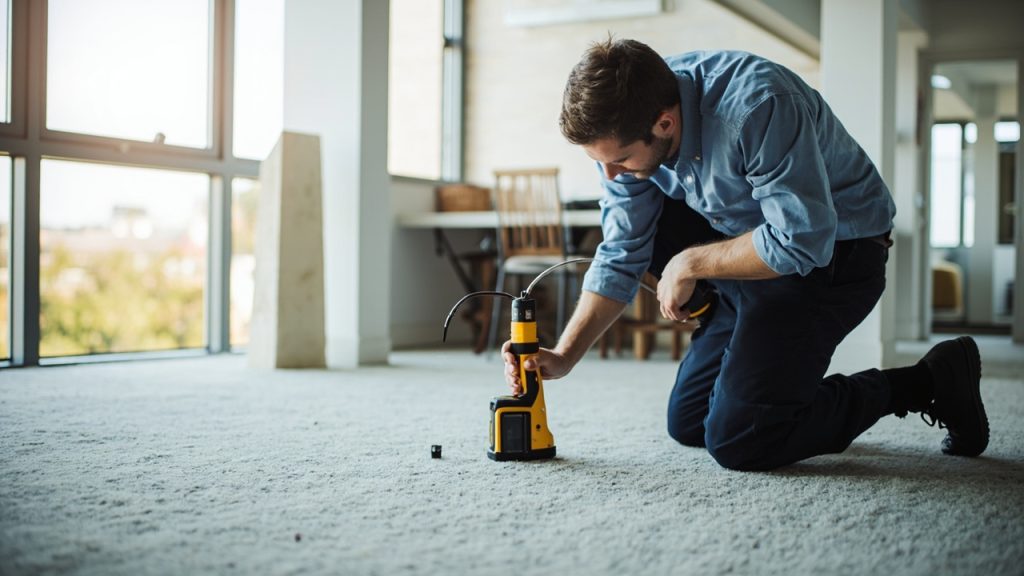
Living in a Midtown Houston apartment in 2026 means dealing with high density and higher humidity. When a pipe bursts or a neighbor upstairs has an overflow, your carpet often takes the brunt of the damage. You might wonder if you can pull up the fibers and dry them out or if the whole room needs a total replacement. The answer depends on three main factors. These are the source of the water, how long the carpet has been wet, and the type of subfloor beneath the fibers.
Time is your greatest enemy in the Houston climate. With outdoor humidity regularly hitting 90 percent this year, indoor environments become breeding grounds for microbes within hours. If you do not act quickly, a small leak becomes a massive health hazard. This guide helps you navigate the decision between restoration and disposal based on professional standards and local conditions.
The Critical 48 Hour Window for Saving Wet Carpet
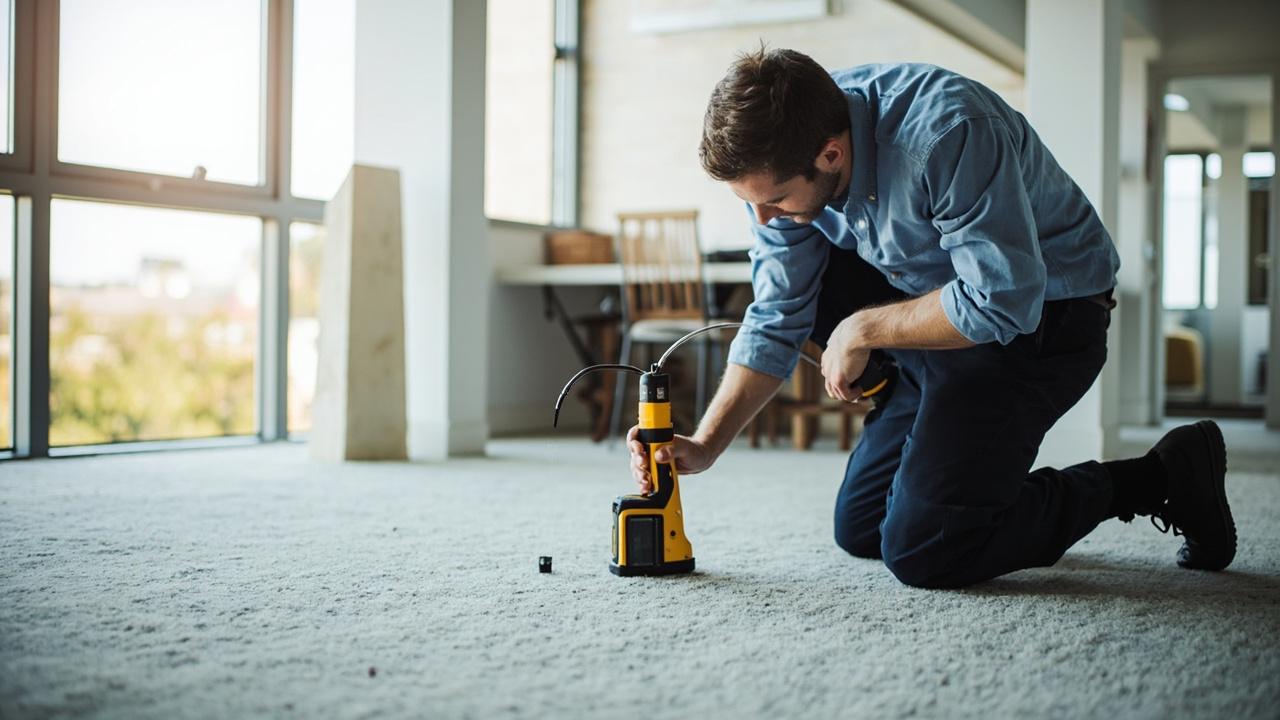
Professional restoration experts follow a strict timeline. You generally have a 24 to 48 hour window to dry out carpet before mold growth becomes inevitable. In the stagnant air of a Midtown mid-rise, this window can shrink. Mold spores are always present in the air, but they need moisture to activate. Once they settle into wet carpet fibers and the organic material in the padding, they begin to colonize. If you are reading this three days after the initial soak, replacement is almost always the safer choice.
Fast action prevents the need for more intensive services. If you have a major leak, you should know who to call for emergency water removal in The Heights and surrounding areas to get pumps on-site immediately. Waiting even half a day can allow water to seep into baseboards and drywall, which complicates the drying process and increases costs.
Categorizing Your Water Damage
Restoration professionals use categories to define the cleanliness of water. This is the most important factor in determining if a carpet can stay. If the water is clean, you have a high chance of saving the material. If the water is contaminated, the risks to your health often outweigh the cost of new flooring.
| Water Category | Source Examples | Can You Save the Carpet? | Health Risk Level |
|---|---|---|---|
| Category 1 (Clean) | Supply lines, faucet overflows, melting ice | Yes, if dried within 48 hours | Low |
| Category 2 (Grey) | Dishwashers, washing machines, aquarium leaks | Only with professional sanitization | Medium |
| Category 3 (Black) | Sewage, street flooding, stagnant water | No, must be replaced | High |
Category 1 water comes from a clean source. Think of a burst pipe in your bathroom wall. If you catch it immediately, we can usually dry and save the carpet. Category 2 water contains some contaminants. It might have soap, food particles, or skin cells. We can sometimes save this carpet, but the padding must always be replaced. Category 3 water is unsanitary. It contains pathogens and bacteria. If you experience this, especially with rapid commercial sewage remediation in Downtown Houston scenarios, the carpet is considered hazardous waste and must go.
Why the Carpet Pad is Usually the Problem
The carpet you see is only the top layer. Underneath sits a thick foam pad. This pad acts like a giant sponge. While the carpet fibers are often synthetic and resistant to some damage, the pad is porous and traps moisture against the subfloor. Even if the surface feels dry to the touch, the pad can remain saturated for a week or more.
In many Midtown apartments, the subfloor is concrete. Concrete is porous. When a wet pad sits on concrete, it pushes moisture into the slab. This can lead to long-term odors and persistent mold issues. For this reason, we almost always recommend tossing the pad even if we are trying to save the carpet. Pad is relatively inexpensive to replace compared to the cost of the main carpet roll. Removing the pad also allows us to dry the subfloor directly, which is essential for a successful restoration.
Logistics of Apartment Restoration in Midtown
Restoring a carpet in a high-rise or mid-rise apartment near Bagby Street or Travis Street presents unique challenges. Unlike a house in the suburbs, you cannot simply open all the windows and doors. Many modern apartments have windows that only crack open or do not open at all. This limits natural ventilation and makes professional grade dehumidifiers mandatory.
Power is another factor. High-capacity air movers and LGR (Low Grain Refrigerant) dehumidifiers pull significant electricity. In some older Midtown buildings, we have to be careful not to trip breakers when running a full drying setup. We also have to manage the noise. Apartment living means neighbors are only inches away. Professional equipment in 2026 is quieter than older models, but it still makes a hum that neighbors will notice. We work with building management to ensure we follow all local noise ordinances while still getting your home dry.
Signs Your Carpet is Beyond Saving
Sometimes the decision is made for you by the condition of the materials. Here are the clear indicators that you should stop trying to dry and start looking at replacement options.
- Delamination. This happens when the secondary backing of the carpet separates from the primary backing. If the carpet feels limp or shows ripples that will not go away, the glue has failed.
- Odors. A persistent musty smell is a sign of microbial growth. If the smell remains after professional cleaning, the mold is likely deep in the fibers.
- Staining. Water often carries tannins from wood subfloors or dyes from the carpet backing. These stains can be permanent.
- Category 3 exposure. As mentioned, any contact with sewage or outdoor flood water makes the carpet a biohazard.
- Extended saturation. Any carpet wet for more than 72 hours in Houston humidity is a loss.
If you find yourself in this situation, you may need professional mold remediation for River Oaks Estates and historic homes or Midtown apartments to ensure the remaining structure is safe. Mold does not just stay on the carpet. It can migrate to the bottom of your furniture and the base of your walls.
Drying Equipment and Technology in 2026
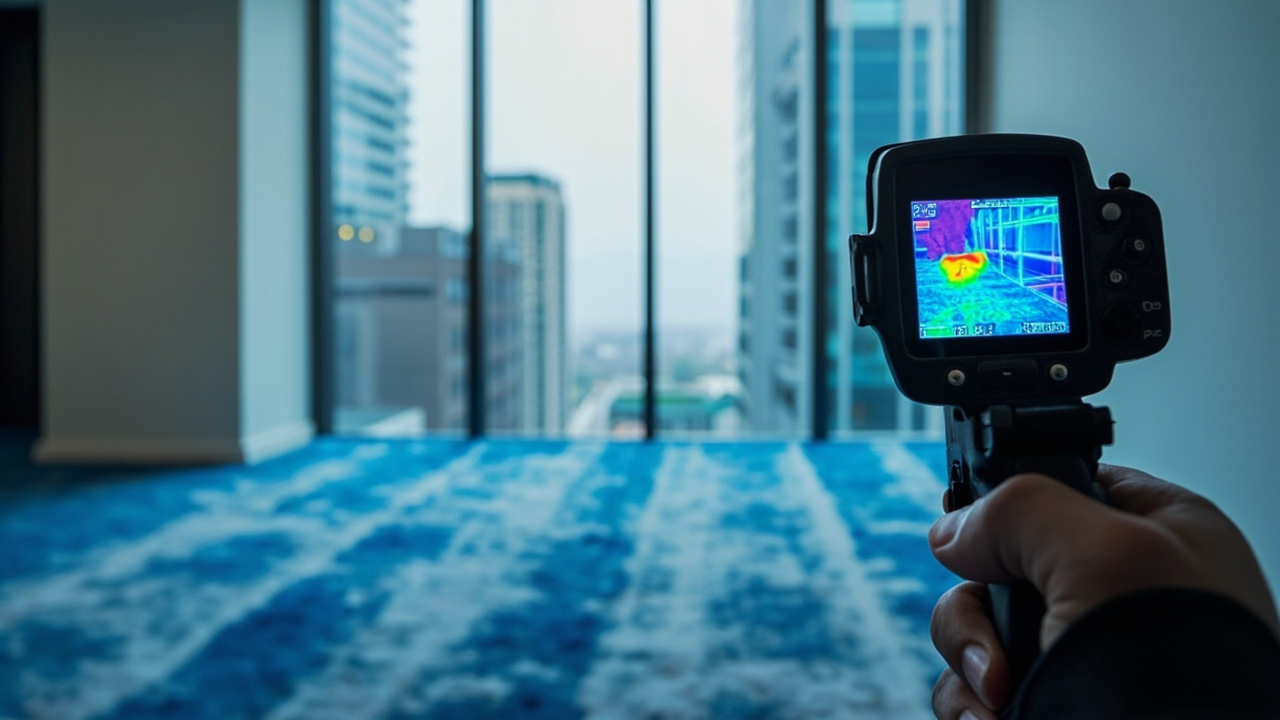
The tech we use today is far more advanced than simple fans. We use thermal imaging cameras to see exactly where the water has traveled behind your walls and under your floors. This prevents us from missing hidden pockets of moisture that could cause rot later.
| Equipment Type | Purpose | Efficiency in 2026 |
|---|---|---|
| LGR Dehumidifier | Removes moisture from the air | Removes 130+ pints per day |
| Axial Air Mover | High-velocity airflow over surfaces | 3000+ CFM with low amp draw | Filters mold spores and odors | 99.97% filtration of particles |
| In-Place Drying System | Dries carpet and pad without removal | Reduces labor by 40% |
We also use moisture sensors that send real-time data to our phones. This allows us to monitor the drying progress in your Midtown apartment without having to enter the unit every few hours. We can see when the humidity levels drop below 50 percent, which is the target for preventing mold growth. This is much more effective than the old way of just feeling the carpet with your hand.
How to Handle a Burst Pipe in Your Apartment
If a pipe bursts, you need to act in the first ten minutes. First, find the water shut-off valve. In many Midtown apartments, this is located behind a panel in the bathroom or near the water heater. Shutting off the flow stops the damage from expanding. Next, notify your building management. They need to know if water is migrating to the units below you.
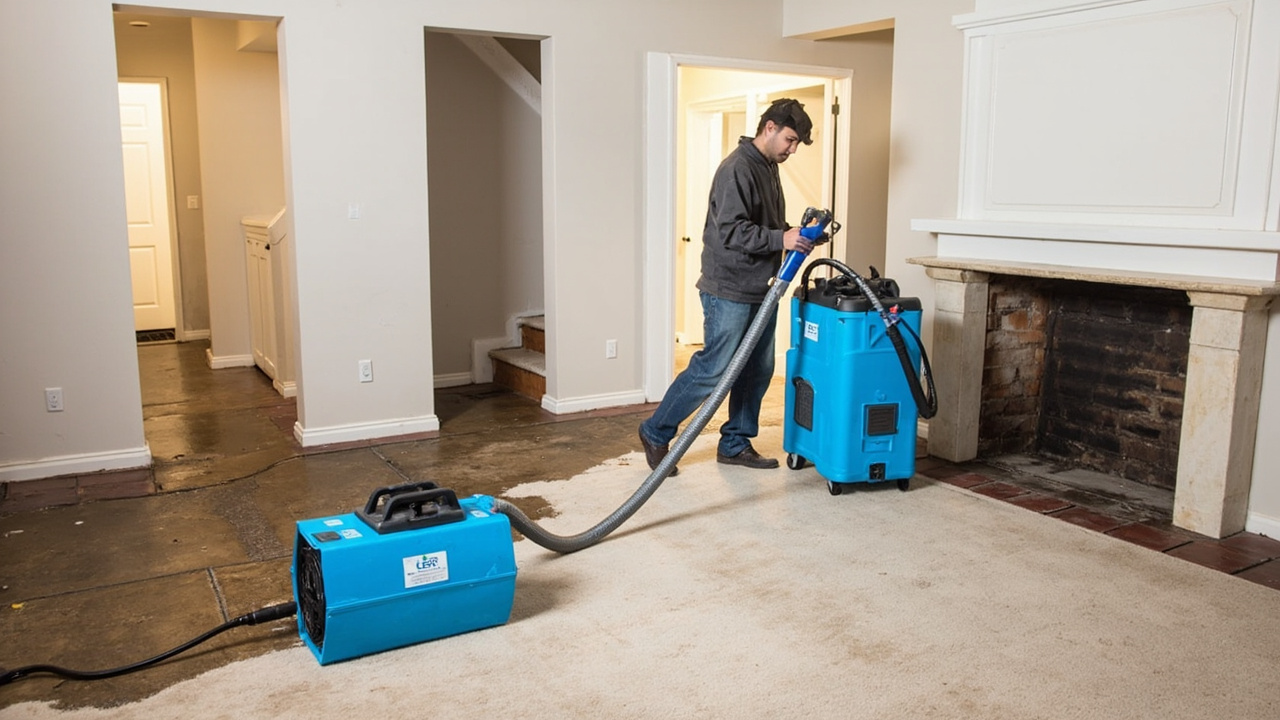
Once the flow stops, use a wet-dry vacuum to remove as much standing water as possible. Do not use a regular household vacuum, as this is a major electrocution risk. Move all furniture off the wet carpet or place aluminum foil under the legs to prevent wood stain transfer. For more detailed steps on this specific crisis, read our guide on how to handle a burst pipe in Memorial without losing your mind. The steps are the same whether you are in a high-rise or a ranch-style home.
Insurance and Documentation
Whether you rent or own your Midtown unit, documentation is vital for your claim. Take photos of the source of the water and all affected areas before any work begins. Keep a log of when the leak started and when you called for help. In 2026, most insurance adjusters want to see digital moisture readings and thermal images as part of the claim package.
If you are a renter, your HO4 policy typically covers your personal property, like area rugs and furniture, while the building owner’s policy covers the wall-to-wall carpet. We work with all major carriers in Houston to ensure the documentation meets their specific requirements. This helps speed up the reimbursement process so you can get your life back to normal faster.
The Science of Psychrometry in Houston
Psychrometry is the study of the air and its properties. In a place like Houston, we have to manage the relationship between temperature, humidity, and vapor pressure. If we just put fans on the floor without a dehumidifier, we are simply moving wet air around. This can actually cause secondary damage, such as peeling wallpaper or warped cabinet doors, because the moisture from the floor ends up in the walls and ceiling.
We follow the IICRC S500 standard for professional water damage restoration. This ensures that we are not just drying the surface but are actually removing the moisture from the environment. According to EPA guidelines on mold, controlling moisture is the only way to prevent growth. This is why we focus so heavily on dehumidification in the humid Gulf Coast climate.
Finding Local Help Near Midtown
Midtown is a unique area with tight streets and limited parking. You need a restoration team that knows how to navigate the parking garages and elevator systems of buildings like the 2222 Smith Street apartments or the various mid-rises along West Gray. We maintain a fleet that can fit into standard parking structures, allowing us to get equipment to your door faster.
If you are further out toward the suburbs, you might be looking for finding reliable flood damage restoration specialists in Katy and West Houston. While the geography changes, the physics of drying remain the same. The goal is always to protect your health and your property through scientific drying methods and fast response times.
Do not let a wet carpet ruin your home or your health. If you are dealing with a leak or a flood in Midtown, contact a professional immediately to assess the damage. We can tell you within minutes if your carpet can be saved or if it is time to start fresh. Taking action today prevents a small puddle from becoming a major renovation project next month.
{
“@context”: “https://schema.org”,
“@type”: “BlogPosting”,
“headline”: “Saving or Replacing Wet Carpet in Your Midtown Houston Apartment”,
“description”: “Discover when you can save wet carpet and when it is time to toss it. Expert advice for Midtown Houston apartment dwellers dealing with water damage in 2026.”,
“wordCount”: 1809,
“datePublished”: “2026-04-22T13:01:00.000Z”,
“dateModified”: “2026-04-22T13:01:00.000Z”,
“inLanguage”: “en-US”,
“mainEntityOfPage”: {
“@type”: “WebPage”,
“@id”: “https://silverlinewaterdamagerestorationhouston.com”
},
“publisher”: {
“@type”: “LocalBusiness”,
“name”: “Silverline Water Damage Restoration Houston”,
“url”: “https://silverlinewaterdamagerestorationhouston.com”
},
“author”: {
“@type”: “Organization”,
“name”: “Silverline Water Damage Restoration Houston”,
“url”: “https://silverlinewaterdamagerestorationhouston.com”
},
“image”: {
“@type”: “ImageObject”,
“url”: “https://silverlinewaterdamagerestorationhouston.com/wp-content/uploads/2026/03/when-to-toss-and-when-to-save-wet-carpet-in-your-m-1.jpg”
}
}
{
“@context”: “https://schema.org”,
“@type”: “LocalBusiness”,
“name”: “Silverline Water Damage Restoration Houston”,
“url”: “https://silverlinewaterdamagerestorationhouston.com”,
“address”: {
“@type”: “PostalAddress”,
“addressLocality”: “Houston”
},
“areaServed”: {
“@type”: “City”,
“name”: “Houston”
}
}
{
“@context”: “https://schema.org”,
“@type”: “BreadcrumbList”,
“itemListElement”: [
{
“@type”: “ListItem”,
“position”: 1,
“name”: “Home”,
“item”: “https://silverlinewaterdamagerestorationhouston.com”
},
{
“@type”: “ListItem”,
“position”: 2,
“name”: “Blog”,
“item”: “https://silverlinewaterdamagerestorationhouston.com/blog”
},
{
“@type”: “ListItem”,
“position”: 3,
“name”: “Saving or Replacing Wet Carpet in Your Midtown Houston Apartment”
}
]
}
{
“@context”: “https://schema.org”,
“@type”: “Service”,
“serviceType”: “Water Damage Restoration”,
“provider”: {
“@type”: “LocalBusiness”,
“name”: “Silverline Water Damage Restoration Houston”,
“url”: “https://silverlinewaterdamagerestorationhouston.com”
},
“areaServed”: {
“@type”: “City”,
“name”: “Houston”
},
“description”: “Discover when you can save wet carpet and when it is time to toss it. Expert advice for Midtown Houston apartment dwellers dealing with water damage in 2026.”
}