
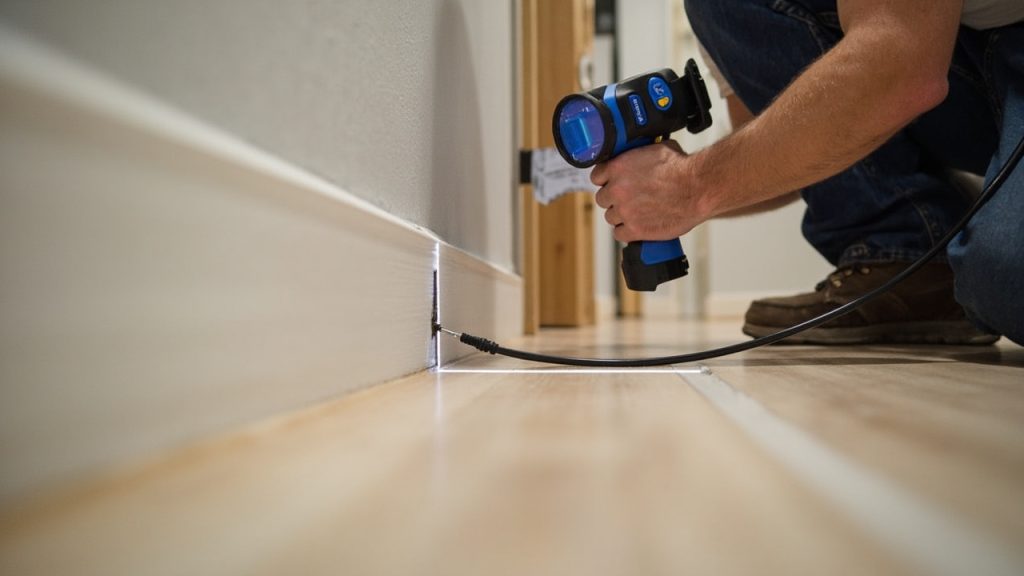
Living in the Alief neighborhood of Houston presents unique challenges for homeowners. You might notice your front door sticking or a small crack appearing in the drywall. While these seem like minor annoyances, they often signal a much larger problem hidden beneath your home. The expansive clay soil in Southwest Houston is notorious for moving foundations. This movement does more than just tilt your house. It frequently snaps the plumbing lines buried deep inside your concrete slab. When those pipes fail, the resulting water damage can destroy your expensive flooring before you even realize a leak exists.
As a veteran restoration expert with over 15 years in the Houston market, I have seen hundreds of Alief homes suffer from this exact scenario. The 2026 weather patterns have only made this worse. We have seen record swings between dry spells and heavy rain. This causes the soil to swell and shrink like a sponge. If your home sits near the West Beltway 8 or along the corridors of Bissonnet Street, your property is likely sitting on some of the most volatile soil in Harris County. Understanding the connection between the ground beneath you and the hardwood or laminate under your feet is the first step in protecting your investment.
The Science of Alief Clay and Foundation Movement
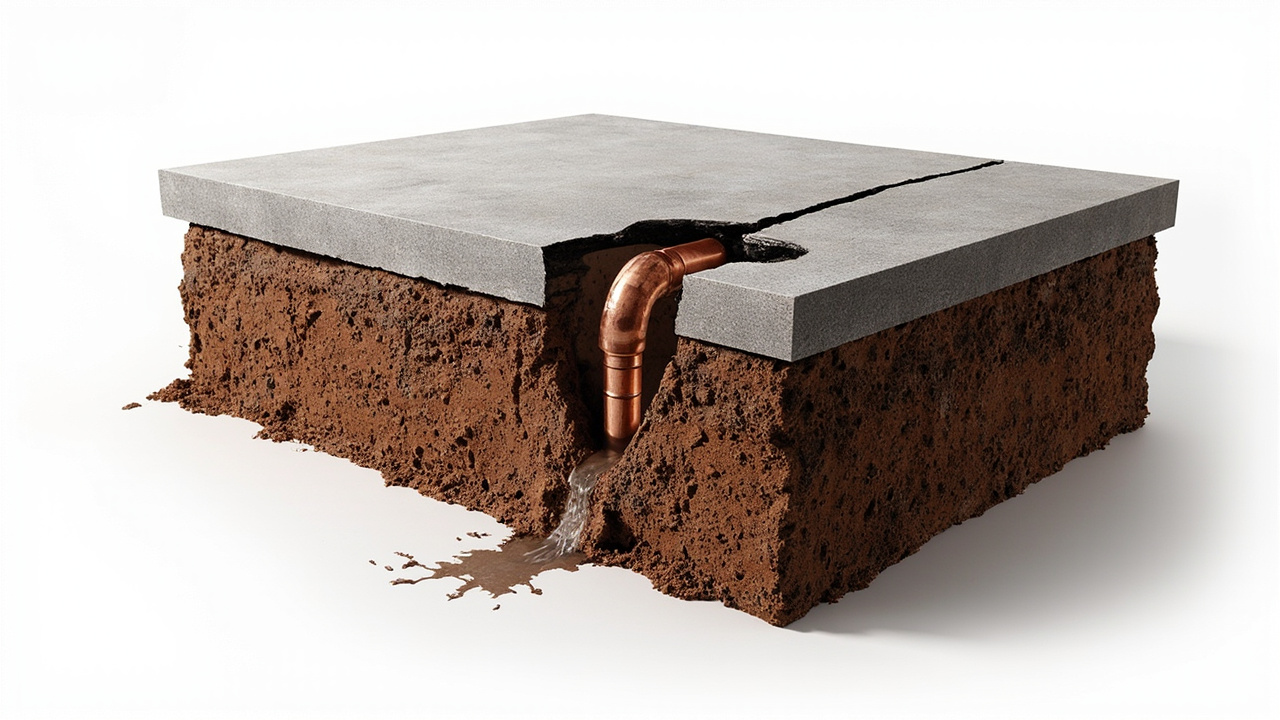
Houston is famous for its black gumbo soil. This soil contains a high concentration of montmorillonite clay. This specific mineral is highly reactive to moisture levels. In a typical 2026 Houston summer, the heat bakes the ground until it pulls away from your foundation. You might see a gap wide enough to slide your hand into between the grass and the concrete. When the inevitable Gulf storms arrive, the water rushes into those gaps. The clay absorbs the water and expands with thousands of pounds of pressure per square foot. This constant cycle of pushing and pulling puts immense stress on your home structure.
Most Alief homes use a slab on grade foundation. This means your primary plumbing lines are encased in or buried directly under the concrete. As the slab shifts and cracks due to soil pressure, the rigid copper or PVC pipes cannot flex enough to keep up. They eventually kink, crack, or separate at the joints. Once a pipe breaks, water begins to pool under the slab. This water has nowhere to go but up. It migrates through the porous concrete through capillary action and eventually reaches your flooring adhesive and materials. This process is often much slower than a burst pipe in Memorial, making it harder to detect early.
Early Warning Signs of Slab Leaks in Your Alief Home
You need to be a detective in your own home. Slab leaks are quiet killers of property value. One of the most common signs is a hot spot on the floor. If you walk across your kitchen or hallway in your bare feet and notice a patch of flooring that feels warmer than the rest, you likely have a hot water line leak beneath that spot. The heat from the water transfers through the concrete and radiates into the room.
Another red flag is a sudden increase in your City of Houston water bill. If your usage habits have not changed but your costs are climbing in early 2026, you are losing water somewhere. You can check this by turning off all faucets and looking at your water meter. If the dial is still spinning, water is escaping the system. You might also hear a faint rushing or hissing sound when the house is quiet, especially near bathrooms or utility rooms. If you suspect a leak, it is vital to contact reliable flood damage restoration specialists in Katy and West Houston who understand the local terrain and plumbing configurations.
How Different Flooring Materials React to Slab Leaks
The type of flooring you have determines how the damage will manifest. Many modern Alief homes have moved toward Luxury Vinyl Plank (LVP) because of its water resistance. However, even LVP is not immune to a slab leak. While the planks themselves might not rot, the water trapped underneath becomes a breeding ground for bacteria and odors. Natural materials like hardwood and engineered wood are much more sensitive. They will begin to cup or crown as they absorb moisture from the bottom up.
| Flooring Type | Reaction to Slab Leak | Recovery Potential |
|---|---|---|
| Hardwood | Cupping, crowning, and dark staining at the edges | Low if saturated for more than 48 hours |
| Laminate | Swelling at seams and bubbling of the wear layer | Zero recovery, must be replaced |
| Luxury Vinyl Plank | Trapped moisture leads to mold and adhesive failure | High if removed and dried quickly |
| Ceramic Tile | Loose tiles and cracking grout lines | Moderate if the slab is stabilized |
The Restoration Process for Alief Foundation Leaks
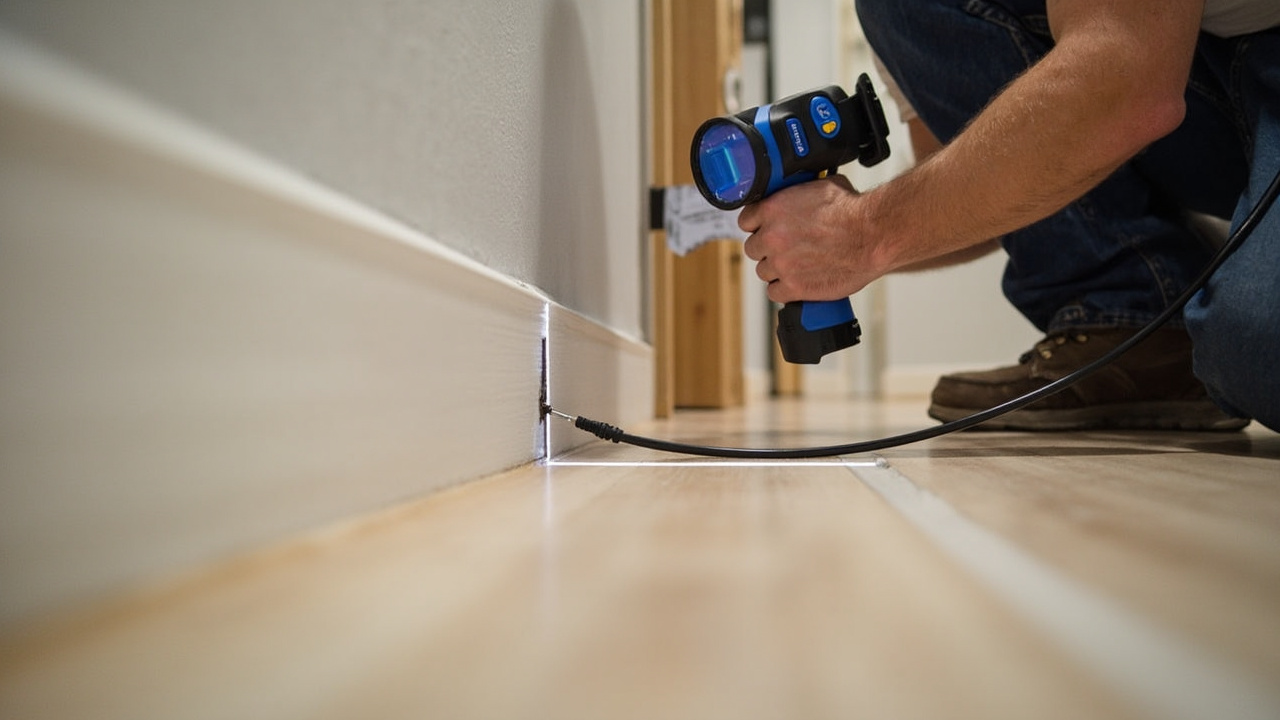
Once a leak is confirmed, the restoration process must begin immediately to prevent secondary damage. We follow the IICRC S500 standards for professional water damage restoration. The first step is mapping the moisture. We use infrared cameras to see the thermal differences in your floor. This allows us to find exactly where the water is spreading without tearing up your entire house. We also use non-penetrating moisture meters to gauge the saturation levels of your subfloor and drywall.
Extracting the water from under the slab is impossible without professional equipment. If the flooring is salvageable, we might use specialized floor drying mats that use high-pressure suction to pull moisture out of the wood pores. However, in many slab leak cases, the flooring must be removed to access the concrete. This allows us to dry the slab itself. If the concrete remains wet, any new flooring you install will fail within months. This is why professional help is non-negotiable. You can read more about emergency water removal in The Heights to see how similar soil issues affect other parts of town.
Why Moisture Mapping is Critical in 2026
In the past, restoration crews would simply rip out everything that felt wet. In 2026, we use more surgical methods. Moisture mapping helps us identify the exact perimeter of the migration. Water follows the path of least resistance. It might travel along a crack in the slab and pop up in a room twenty feet away from the actual pipe break. Without infrared technology, a contractor might miss the hidden moisture under your cabinets or behind your baseboards. This lead to mold growth that can affect your indoor air quality.
If mold does take hold, the project becomes much more expensive and time-consuming. We see this often in older homes near the Alief Independent School District campus where original plumbing is reaching the end of its lifespan. If you discover fuzzy growth or a musty smell, you should seek professional mold remediation immediately. Mold can begin to colonize within 24 to 48 hours in the high humidity of a Houston summer.
Common Tools Used in Alief Water Damage Restoration
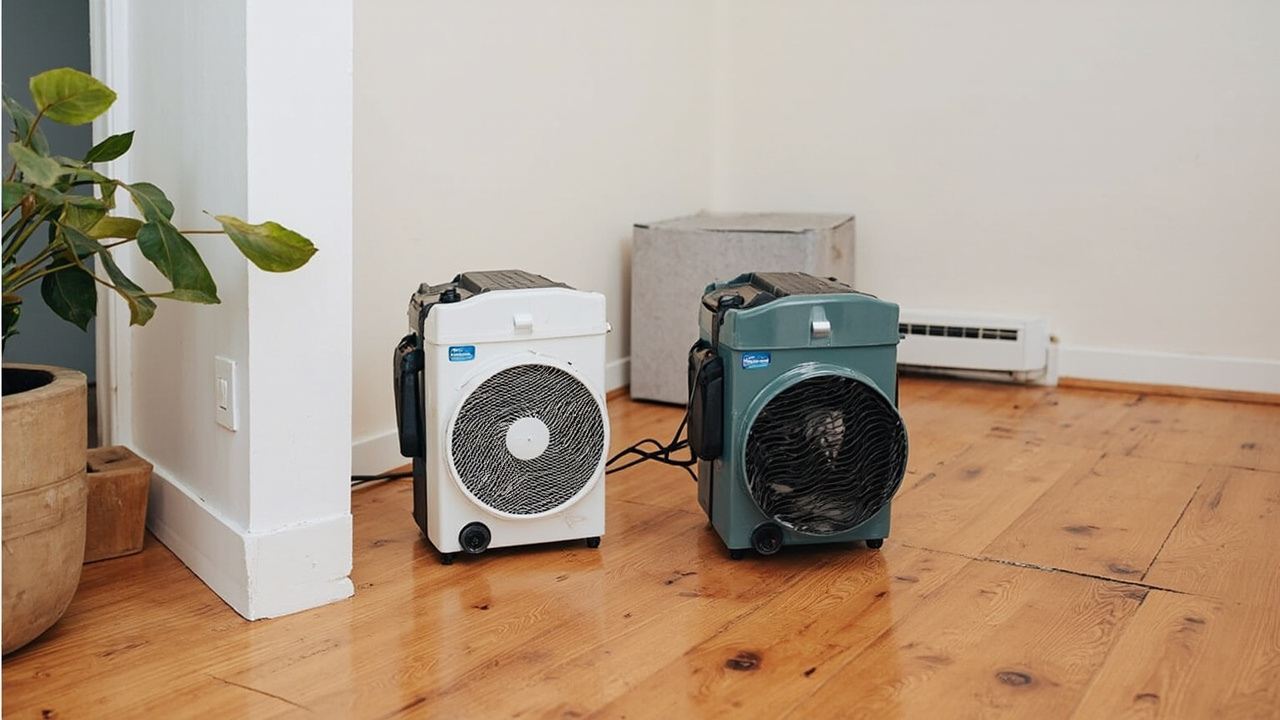
Our teams arrive with a specialized kit designed for the specific challenges of Alief homes. We do not just use fans. We use a coordinated system of air movers, dehumidifiers, and scrubbers to stabilize the environment. The goal is to drop the relative humidity in the affected area to a level where the building materials can release their trapped water.
| Tool Type | Purpose in Restoration | Importance Level |
|---|---|---|
| LGR Dehumidifier | Removes water vapor from the air to prevent secondary damage | Critical |
| Axial Air Mover | Creates high-velocity airflow to promote evaporation | High |
| HEPA Air Scrubber | Filters out mold spores and dust during demolition | High |
| Thermal Imaging Camera | Identifies hidden water pockets behind walls and under floors | Critical |
Navigating Insurance Claims for Slab Leak Damage
One of the biggest hurdles for Alief residents is understanding their insurance coverage. Most homeowners insurance policies in Texas have specific language regarding slab leaks. Usually, the policy does not cover the repair of the pipe itself. However, it often covers the cost of access and the cost of the ensuing water damage. This is a vital distinction. Access means the insurance company pays to jackhammer the floor to get to the leak and then pays to put the floor back together once the plumbing is fixed.
We work directly with adjusters to provide the documentation they need. This includes moisture maps, photos of the damage, and detailed estimates for the drying and restoration phases. Having a professional on your side ensures that the insurance company sees the full extent of the saturation. If you are dealing with a commercial property or a larger building near the Westchase area, the claims process can be even more technical. We have experience with commercial sewage and water remediation that requires strict adherence to local building codes and safety regulations.
Steps to Take When You Suspect a Foundation Leak
If you see the signs of a slab leak, do not wait for it to get better. It will not. The water will continue to erode the soil under your home, which can lead to even more foundation shifting and structural damage. Follow these steps to minimize the impact on your home.
- Shut off the main water valve to stop the flow of water under your slab.
- Document everything with photos and videos of the wet flooring and any visible cracks.
- Call a leak detection specialist to pinpoint the exact location of the break.
- Contact a restoration professional to begin the drying process before mold starts.
- Notify your insurance company to start the claims process and get an adjuster assigned.
- Remove any furniture or area rugs from the wet area to prevent staining and further damage.
By following this protocol, you can often save your baseboards and some of your flooring materials. The key is speed. In the Houston heat, a wet floor is a ticking time bomb for mold and permanent structural warping.
The Importance of Professional Drying Over DIY Methods
Many people think they can dry out a room by opening windows and using household fans. In Alief, the outdoor humidity is often over 70 percent. Opening a window just brings more moisture into the house. Household fans only move air across the surface. They do not have the static pressure needed to pull moisture out of dense materials like concrete or hardwood. Professional grade equipment is designed to create a pressure differential that literally forces the water out of the material and into the air where the dehumidifier can capture it.
We also use antimicrobial treatments to ensure that no bacteria or fungi are left behind. When water comes from under a slab, it can carry soil contaminants into your living space. This is technically classified as Category 2 or sometimes Category 3 water, depending on the source. Treating the area with EPA-registered disinfectants is a requirement for a safe and healthy home. This is especially true for homes near the Brays Bayou where ground saturation is a constant concern.
Protecting Your Alief Home for the Rest of 2026
Prevention is the best strategy for dealing with Houston soil. Many foundation experts recommend installing a root barrier or a foundation watering system. This helps maintain a consistent moisture level in the clay around your home. If the soil stays at a steady volume, it is less likely to shift and snap your pipes. You should also ensure that your gutters are clean and that downspouts carry water at least five feet away from your foundation.
Check your irrigation system regularly. A leak in a sprinkler line near your house can saturate the ground and cause the same foundation movement as a plumbing leak. Keeping a close eye on your water meter and your flooring will help you catch problems early. If you do find yourself facing a buckled floor or a wet carpet in Alief, remember that local experts are ready to help. We understand the specific architecture and soil conditions of Southwest Houston. We use the latest IICRC standards to ensure your home is restored to a pre-loss condition quickly and safely.
Do not let a small slab leak turn into a total floor replacement. Take action at the first sign of a hot spot or a damp patch. Your home is your most valuable asset, and in 2026, protecting it requires a proactive approach to the unique geological challenges of Alief.
{
“@context”: “https://schema.org”,
“@type”: “BlogPosting”,
“headline”: “Houston Foundation Shifting and Unexpected Alief Flooring Damage”,
“description”: “Learn why Alief foundation movement causes slab leaks and floor damage. Expert restoration tips for Houston homeowners facing water damage in 2026.”,
“wordCount”: 2048,
“datePublished”: “2026-04-21T11:08:00.000Z”,
“dateModified”: “2026-04-21T11:08:00.000Z”,
“inLanguage”: “en-US”,
“mainEntityOfPage”: {
“@type”: “WebPage”,
“@id”: “https://silverlinewaterdamagerestorationhouston.com”
},
“publisher”: {
“@type”: “LocalBusiness”,
“name”: “Silverline Water Damage Restoration Houston”,
“url”: “https://silverlinewaterdamagerestorationhouston.com”
},
“author”: {
“@type”: “Organization”,
“name”: “Silverline Water Damage Restoration Houston”,
“url”: “https://silverlinewaterdamagerestorationhouston.com”
},
“image”: {
“@type”: “ImageObject”,
“url”: “https://silverlinewaterdamagerestorationhouston.com/wp-content/uploads/2026/03/why-houston-foundations-cause-unexpected-flooring-1.jpg”
}
}
{
“@context”: “https://schema.org”,
“@type”: “LocalBusiness”,
“name”: “Silverline Water Damage Restoration Houston”,
“url”: “https://silverlinewaterdamagerestorationhouston.com”,
“address”: {
“@type”: “PostalAddress”,
“addressLocality”: “Houston”
},
“areaServed”: {
“@type”: “City”,
“name”: “Houston”
}
}
{
“@context”: “https://schema.org”,
“@type”: “BreadcrumbList”,
“itemListElement”: [
{
“@type”: “ListItem”,
“position”: 1,
“name”: “Home”,
“item”: “https://silverlinewaterdamagerestorationhouston.com”
},
{
“@type”: “ListItem”,
“position”: 2,
“name”: “Blog”,
“item”: “https://silverlinewaterdamagerestorationhouston.com/blog”
},
{
“@type”: “ListItem”,
“position”: 3,
“name”: “Houston Foundation Shifting and Unexpected Alief Flooring Damage”
}
]
}
{
“@context”: “https://schema.org”,
“@type”: “Service”,
“serviceType”: “Water Damage Restoration”,
“provider”: {
“@type”: “LocalBusiness”,
“name”: “Silverline Water Damage Restoration Houston”,
“url”: “https://silverlinewaterdamagerestorationhouston.com”
},
“areaServed”: {
“@type”: “City”,
“name”: “Houston”
},
“description”: “Learn why Alief foundation movement causes slab leaks and floor damage. Expert restoration tips for Houston homeowners facing water damage in 2026.”
}