
When Wet Attic Insulation Needs Replacement in Friendswood
Friendswood homeowners know that a roof leak or an AC drain pan overflow is a serious event. In our specific Gulf Coast climate, water in the attic quickly creates a crisis for your insulation. Wet insulation fails to regulate temperature and becomes a breeding ground for biological growth within 24 to 48 hours. Deciding whether you can dry the material or if you must perform a full extraction depends on the water source, the material type, and the duration of moisture exposure. We handle these situations daily in neighborhoods from West Ranch to Sunmeadow, ensuring homes stay efficient and safe.
Attics in the greater Houston metro area reach extreme temperatures during the summer months. These high temperatures combined with moisture create an incubator effect. If you ignore damp material, you risk structural damage to your ceiling joists and a significant drop in your home energy efficiency. Understanding the specific needs of your attic helps you make an informed decision about your property. The 2026 building standards emphasize the importance of maintaining dry, high-performing thermal barriers to combat rising energy costs and local weather patterns.
Friendswood receives an average of 57 inches of rainfall per year. This high volume of water puts immense pressure on roofing systems, especially during spring storm cycles. When water enters the attic, it often carries organic debris from the surrounding oak and pine trees typical of the Heritage Park area. This debris introduces contaminants that accelerate the degradation of insulation materials.

Evaluating the Water Source and Category
The first step in any restoration project involves identifying the category of water that touched the insulation. We follow the standards set by the Institute of Inspection Cleaning and Restoration Certification to determine the safety of the material. Not all water is the same. The source dictates the replacement protocol. Using the wrong approach can trap contaminants inside your home for years.
Category 1 water comes from a clean source like a broken supply line or a rainwater leak through a clean roof. If we catch this early, we can sometimes dry fiberglass batts using professional dehumidification. Category 2 water contains some level of contamination, such as an AC condensate overflow. Category 3 water is highly contaminated and includes sewage or storm surge. In Friendswood, heavy rains often wash organic matter from roofs into the attic. This pushes most rainwater leaks toward Category 2 status.
| Water Category | Common Friendswood Source | Replacement Requirement |
|---|---|---|
| Category 1 | Fresh water pipe or clean rain | Optional if dried within 24 hours |
| Category 2 | AC drain line or grey water | Recommended replacement for safety |
| Category 3 | Roof runoff with debris or sewage | Mandatory replacement in all cases |
For those dealing with extreme cases in larger buildings, you may need to look into rapid commercial sewage remediation in downtown Houston if a commercial property is involved. Residential Friendswood attics mostly suffer from roof leaks and mechanical failures in the HVAC system located in the attic space.
How Different Insulation Materials Handle Moisture
The material inside your attic determines your recovery options. Friendswood homes built in recent decades typically use one of three types of insulation. Each one reacts differently when it meets water. Your choice of replacement material will impact your home comfort for the next decade.
Fiberglass Batts and Blown In Fiberglass
Fiberglass consists of spun glass. The material itself does not absorb water, but the spaces between the fibers trap moisture. If the water is clean and the insulation has not been compressed, we can sometimes use high velocity air movers to save it. However, once the batts become heavy and flat, they lose their R-value. This value measures the resistance to heat flow. A compressed batt never regains its original thickness or insulating power. In 2026, we see many older R-30 batts fail because they cannot handle the increased thermal loads of our current climate once they have been damp.
Cellulose Insulation
Many homes near Clear Creek use blown in cellulose because it provides excellent coverage. This material is made of recycled paper treated with fire retardants. Cellulose acts like a sponge. It absorbs water deep into the fibers and holds it there. Because it is paper-based, it provides a food source for mold. If cellulose gets wet, it must be removed. There is no reliable way to dry it before mold begins to grow. For more information on health risks, see the Centers for Disease Control and Prevention mold guide.
Spray Foam Insulation
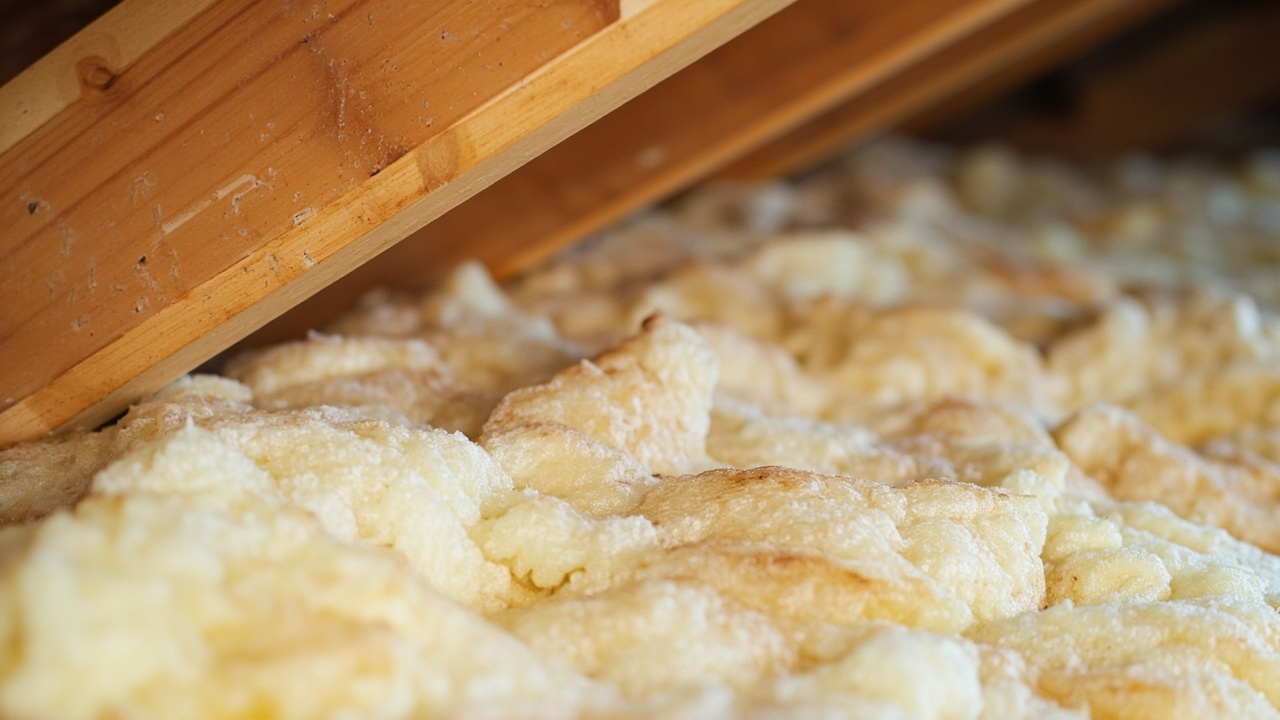
Closed cell spray foam is water resistant and can often stay in place after a leak. Open cell spray foam is more porous. If open cell foam becomes saturated, it can trap water against the roof deck and cause wood rot. We inspect these installations with thermal imaging cameras to see if moisture is trapped behind the foam layer. In 2026, spray foam is becoming more common in Friendswood new construction, but it requires precise inspection after any roof failure.
The Impact of Houston Humidity on Attic Drying
In dryer parts of the country, a homeowner might open a window to dry out a damp space. In Friendswood, the outdoor humidity often stays above 75 percent during the day and can reach 90 percent at night. This means the air outside is already saturated with moisture. If you try to dry your attic by simply circulating outside air, you add more moisture to the space.
Professional restoration requires commercial grade dehumidifiers that pull gallons of water out of the air every day. We monitor the grains per pound of air to ensure the environment is dry enough to prevent mold. If your insulation stays damp for more than two days, the risk of a widespread mold issue increases. If you live in an older property in the original Friendswood city center, you might want to read about professional mold remediation for River Oaks Estates and historic homes to understand how moisture affects vintage building materials.
Three Signs You Must Replace Your Insulation Immediately
If you are unsure whether your insulation is salvageable, look for three clear indicators that the material is no longer functional or safe.
- Visible Compaction. If the insulation looks flat or matted down, the air pockets that provide insulation are gone. Your energy bills will rise because your AC will work harder to keep the home cool.
- Musty Odors. A damp or earthy smell in the attic or the upper floor of your home indicates that bacterial growth or mold has started. Odors trapped in fiberglass or cellulose are impossible to remove without extraction.
- Water Staining on Ceilings. If the insulation is so wet that water is seeping through to the drywall below, the weight of the material could cause a ceiling collapse. This is common after a major pipe burst or sustained heavy rain.
If you are dealing with a plumbing failure, knowing how to handle a burst pipe in Memorial without losing your mind can provide a step by step guide to managing the initial chaos while we head to your location.
The Hidden Danger of Mold in Attic Spaces
Friendswood attics provide the perfect environment for mold. It is dark and hot. After a leak, it is wet. Mold spores travel through your HVAC system and spread to the rest of the house. This creates an air quality problem for your family. When we find mold in attic insulation, we recommend a full removal. This ensures that no spores remain to colonize new materials later.
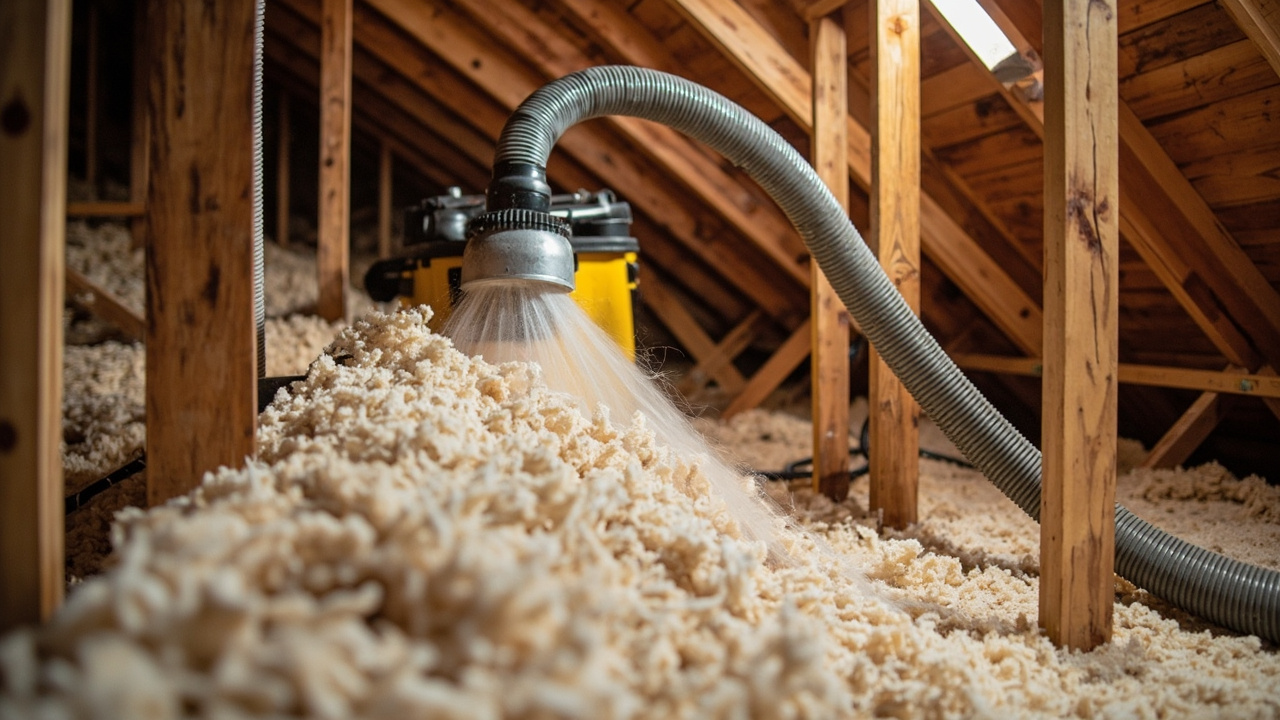
The removal process involves using high powered vacuums to pull the contaminated material out of the home through a large hose. This keeps the dust and spores out of your living areas. We then treat the wood surfaces with antimicrobial agents before installing new, clean insulation. For residents in nearby areas, knowing who to call for emergency water removal in the Heights and what to do while you wait can be the difference between a small repair and a full attic gutting.
Cost Factors for Insulation Replacement in 2026
The cost of replacing attic insulation varies based on the size of the space and the material you choose for the reinstall. Labor rates in the Friendswood area reflect the specialized training required for attic work in high heat conditions. You must also consider the cost of disposing of the wet material, which is heavy and difficult to handle.
| Factor | Impact on Project Cost | 2026 Local Considerations |
|---|---|---|
| Accessibility | High | Tight crawl spaces in older Friendswood ranch homes increase labor time |
| Contamination Level | Medium | Category 3 water requires specialized hazmat disposal protocols |
| Material Choice | Variable | Blown in fiberglass is usually the most budget friendly option |
| Mold Presence | High | Requires HEPA vacuuming and antimicrobial wood treatment |
Many homeowners find that their insurance policy covers the cost of insulation replacement if the damage was caused by a sudden event like a pipe burst or a storm. We work with adjusters to provide the documentation they need. If you are in the western part of the metro area, you might find it helpful to look into finding reliable flood damage restoration specialists in Katy and West Houston as they often handle similar insurance claims.
Improving Your Home During Replacement and 2026 R-Value Standards
If you must replace your insulation, take the opportunity to improve your home energy profile. Current 2026 building codes in Texas suggest higher R-values than what was required when many local homes were built. For Friendswood, which sits in Climate Zone 2, the current recommendation is reaching an R-49 or R-60 rating in the attic. This requires roughly 15 to 20 inches of blown in fiberglass depending on the manufacturer specifications.
Adding extra inches of fiberglass or switching to a more efficient material lowers your monthly cooling costs significantly. We can also seal air leaks in the attic floor while the old insulation is out of the way. This prevents your expensive AC air from escaping into the attic. We look for gaps around plumbing stacks, electrical wires, and recessed lighting. These gaps act like small chimneys that pull cool air out of your living rooms.
Thermal bridging is another factor we address in 2026. This happens when heat transfers through the wooden ceiling joists. By overblowing the joists with a fresh layer of insulation, we create a continuous thermal blanket. This reduces the workload on your HVAC system during those 95 degree August days when the humidity makes it feel like 105 degrees.
Specific Friendswood Weather Challenges
Living in Friendswood means preparing for tropical moisture. Between June and November, the risk of sudden heavy downpours increases. A small roof leak that goes unnoticed for a month can saturate a large area of insulation. If you have an older roof near the Forest of Friendswood or other wooded neighborhoods, tree limbs can damage shingles and allow water to seep in during high winds. Regular inspections of your attic space are the best defense against long term moisture damage.
We often see attic moisture caused by poor ventilation. If your soffit vents are blocked by old insulation, the attic cannot breathe. This traps heat and humidity, which can lead to condensation on the underside of your roof deck. When we install new insulation, we ensure that baffles are in place to keep the air flowing from the soffits to the ridge vents. This keeps your attic closer to the outdoor temperature and prevents the stagnant conditions that lead to mold.
Frequently Asked Questions About Friendswood Attic Insulation
Can I just put new insulation over wet insulation?
No. You should never install new material over wet or damp insulation. Doing so traps the moisture against your ceiling drywall and wooden joists. This leads to wood rot and creates a permanent mold colony between the layers. You must remove the wet material and dry the area completely before adding new insulation.
How long does it take for mold to grow in a Friendswood attic?
In our current 2026 climate, mold can begin to colonize damp organic materials in as little as 24 hours. Because Friendswood has high ambient humidity, the drying process is slower than in other regions. This makes the 24 to 48 hour window critical for professional intervention.
Will my homeowners insurance cover wet insulation replacement?
In many cases, insurance covers the replacement if the cause of the water was sudden and accidental. This includes pipe bursts, AC drain failures, or storm damage to the roof. It typically does not cover damage caused by long term neglect or a roof that has exceeded its lifespan. We recommend reviewing your policy with your agent annually.
What is the best insulation material for Friendswood homes?
Blown in fiberglass is highly effective for our region because it does not absorb moisture and does not provide a food source for mold. It also provides excellent coverage in the irregular spaces found in attic framing. For those looking for maximum efficiency, closed cell spray foam is a premium option that also adds structural strength to the roof deck.
How do I know if my insulation is R-49 compliant?
You can measure the depth of your insulation with a ruler. For blown in fiberglass, you generally need about 16 to 18 inches of material to hit R-49. If you only see the tops of your 2×6 or 2×8 ceiling joists, you are significantly under-insulated by current 2026 standards.
Does wet insulation lose its fire retardant properties?
Cellulose insulation is treated with fire retardants like boric acid. When this material gets wet, the chemicals can leach out or become less effective. This is another reason why wet cellulose must be replaced rather than dried. Fiberglass is naturally fire resistant and does not face this specific issue, though compaction still ruins its thermal performance.
Professional Inspection and Final Steps
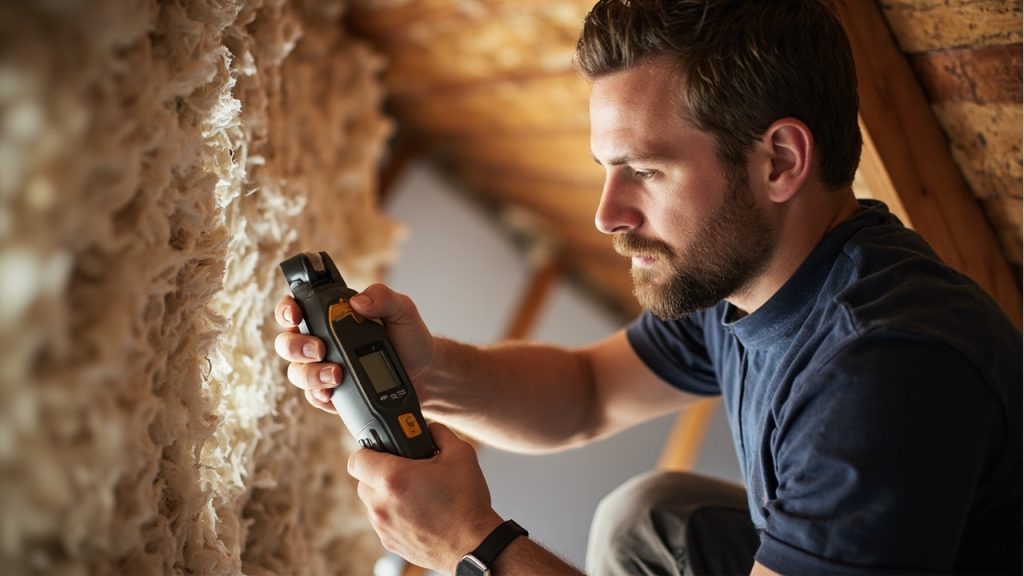
Do not guess when it comes to the safety of your home. A damp attic leads to structural rot and health issues that cost more than an insulation swap. Our team uses moisture meters and thermal cameras to find every pocket of wet material. We provide a clear plan for drying or removal so you can get your home back to normal quickly. We understand the specific architecture of Friendswood homes, from mid-century builds to modern custom estates.
If you suspect your attic insulation is wet from a recent storm or a hidden leak, contact a local restoration professional immediately. Fast action saves money and protects your family from mold spores. We serve the entire Friendswood area and the surrounding Houston communities with 24 hour emergency response. Let us handle the heat and the heavy lifting to ensure your attic is dry, safe, and efficient for the rest of 2026 and beyond.
{
“@context”: “https://schema.org”,
“@type”: “BlogPosting”,
“headline”: “When Wet Attic Insulation Needs Replacement in Friendswood”,
“description”: “Learn when to replace wet attic insulation in Friendswood. Discover 2026 R-value standards, local humidity impacts, and mold prevention for Texas homes.”,
“wordCount”: 2451,
“datePublished”: “2026-04-02T06:03:00.000Z”,
“dateModified”: “2026-04-02T06:03:00.000Z”,
“inLanguage”: “en-US”,
“mainEntityOfPage”: {
“@type”: “WebPage”,
“@id”: “https://silverlinewaterdamagerestorationhouston.com”
},
“publisher”: {
“@type”: “LocalBusiness”,
“name”: “Silverline Water Damage Restoration Houston”,
“url”: “https://silverlinewaterdamagerestorationhouston.com”
},
“author”: {
“@type”: “Organization”,
“name”: “Silverline Water Damage Restoration Houston”,
“url”: “https://silverlinewaterdamagerestorationhouston.com”
},
“image”: {
“@type”: “ImageObject”,
“url”: “https://silverlinewaterdamagerestorationhouston.com/wp-content/uploads/2026/03/when-does-wet-attic-insulation-actually-need-to-be-1.jpg”
}
}
{
“@context”: “https://schema.org”,
“@type”: “LocalBusiness”,
“name”: “Silverline Water Damage Restoration Houston”,
“url”: “https://silverlinewaterdamagerestorationhouston.com”,
“address”: {
“@type”: “PostalAddress”,
“addressLocality”: “Houston”
},
“areaServed”: {
“@type”: “City”,
“name”: “Houston”
}
}
{
“@context”: “https://schema.org”,
“@type”: “FAQPage”,
“mainEntity”: [
{
“@type”: “Question”,
“name”: “Can I just put new insulation over wet insulation?”,
“acceptedAnswer”: {
“@type”: “Answer”,
“text”: “No. You should never install new material over wet or damp insulation. Doing so traps the moisture against your ceiling drywall and wooden joists. This leads to wood rot and creates a permanent mold colony between the layers. You must remove the wet material and dry the area completely before adding new insulation.”
}
},
{
“@type”: “Question”,
“name”: “How long does it take for mold to grow in a Friendswood attic?”,
“acceptedAnswer”: {
“@type”: “Answer”,
“text”: “In our current 2026 climate, mold can begin to colonize damp organic materials in as little as 24 hours. Because Friendswood has high ambient humidity, the drying process is slower than in other regions. This makes the 24 to 48 hour window critical for professional intervention.”
}
},
{
“@type”: “Question”,
“name”: “Will my homeowners insurance cover wet insulation replacement?”,
“acceptedAnswer”: {
“@type”: “Answer”,
“text”: “In many cases, insurance covers the replacement if the cause of the water was sudden and accidental. This includes pipe bursts, AC drain failures, or storm damage to the roof. It typically does not cover damage caused by long term neglect or a roof that has exceeded its lifespan. We recommend reviewing your policy with your agent annually.”
}
},
{
“@type”: “Question”,
“name”: “What is the best insulation material for Friendswood homes?”,
“acceptedAnswer”: {
“@type”: “Answer”,
“text”: “Blown in fiberglass is highly effective for our region because it does not absorb moisture and does not provide a food source for mold. It also provides excellent coverage in the irregular spaces found in attic framing. For those looking for maximum efficiency, closed cell spray foam is a premium option that also adds structural strength to the roof deck.”
}
},
{
“@type”: “Question”,
“name”: “How do I know if my insulation is R-49 compliant?”,
“acceptedAnswer”: {
“@type”: “Answer”,
“text”: “You can measure the depth of your insulation with a ruler. For blown in fiberglass, you generally need about 16 to 18 inches of material to hit R-49. If you only see the tops of your 2×6 or 2×8 ceiling joists, you are significantly under-insulated by current 2026 standards.”
}
},
{
“@type”: “Question”,
“name”: “Does wet insulation lose its fire retardant properties?”,
“acceptedAnswer”: {
“@type”: “Answer”,
“text”: “Cellulose insulation is treated with fire retardants like boric acid. When this material gets wet, the chemicals can leach out or become less effective. This is another reason why wet cellulose must be replaced rather than dried. Fiberglass is naturally fire resistant and does not face this specific issue, though compaction still ruins its thermal performance.”
}
}
]
}
{
“@context”: “https://schema.org”,
“@type”: “BreadcrumbList”,
“itemListElement”: [
{
“@type”: “ListItem”,
“position”: 1,
“name”: “Home”,
“item”: “https://silverlinewaterdamagerestorationhouston.com”
},
{
“@type”: “ListItem”,
“position”: 2,
“name”: “Blog”,
“item”: “https://silverlinewaterdamagerestorationhouston.com/blog”
},
{
“@type”: “ListItem”,
“position”: 3,
“name”: “When Wet Attic Insulation Needs Replacement in Friendswood”
}
]
}
{
“@context”: “https://schema.org”,
“@type”: “Service”,
“serviceType”: “Water Damage Restoration”,
“provider”: {
“@type”: “LocalBusiness”,
“name”: “Silverline Water Damage Restoration Houston”,
“url”: “https://silverlinewaterdamagerestorationhouston.com”
},
“areaServed”: {
“@type”: “City”,
“name”: “Houston”
},
“description”: “Learn when to replace wet attic insulation in Friendswood. Discover 2026 R-value standards, local humidity impacts, and mold prevention for Texas homes.”
}