
Living in the East End of Houston means dealing with more than just a little moisture. Between the proximity to the Houston Ship Channel and the heavy clay soil that holds water long after a storm passes, property owners face unique challenges. When a pipe bursts or a storm floods your kitchen, your first instinct is likely to grab a mop and start cleaning. However, starting a cleanup without identifying the specific type of water in your home can lead to serious health issues and long term structural failure. In the restoration industry, we define these risks by categories. These categories tell us the level of contamination in the water and what safety gear we must wear before entering the property.
As we move through 2026, Houston continues to see high heat indices and humidity levels that frequently stay above 90 percent. This environmental reality is not a minor detail. It is the primary driver of how fast water degrades from a simple nuisance into a toxic hazard. Understanding the three categories of water damage before you clean your East End property helps you decide if a DIY approach is safe or if you need to call for expert help.
Defining Category 1 Water Damage and Clean Water Scenarios
Category 1 water comes from a clean source. This is the water that enters your home through your main supply line. Common examples include a broken supply line to your refrigerator ice maker, a bathtub overflow where no one was in the tub, or a burst pipe in Memorial or the East End. This water does not pose a substantial risk to your health if you touch it immediately. It is essentially the same water you use to brush your teeth or cook your dinner.
Even though the water starts clean, it does not stay that way. The moment Category 1 water touches a dirty floor or travels through a dusty subfloor, it begins to pick up contaminants. In our 2026 climate, the window for clean water is very small. If you do not extract Category 1 water within 24 to 48 hours, the heat and moisture in the Houston air will allow bacteria to multiply. At that point, the water is no longer considered clean. It has officially transitioned into a higher risk category.
The Dangers of Category 2 Gray Water in Houston Homes
Category 2 water is often referred to as gray water. This water contains a significant amount of chemical or biological contamination. It has the potential to cause discomfort or sickness if consumed or if it comes into contact with your skin. You typically find gray water coming from appliances. A dishwasher overflow or a washing machine leak contains detergents, food particles, and skin cells. Sump pump failures also fall into this category because the water often contains ground minerals and organic matter.
In the East End, many older homes have plumbing systems that are under constant stress from shifting soils. This can lead to slow leaks from appliances that go unnoticed behind cabinetry. By the time you see the water on your floor, it has likely been sitting for days. Gray water is a breeding ground for microorganisms. If you have a leak in a historic Eastwood bungalow, the porous wood flooring will soak up this gray water like a sponge. Simply drying the surface is not enough. You must disinfect the area to prevent the growth of pathogens. For residents who need emergency water removal in The Heights or similar older neighborhoods, identifying gray water early prevents the transition to Category 3.
Category 3 Black Water and Why It Requires Professional Mitigation
Category 3 water is the most dangerous. This is known as black water. It is highly contaminated and contains pathogenic, toxigenic, or other harmful agents. The most common source of black water is sewage. However, all rising floodwater is classified as Category 3. If Buffalo Bayou overflows or if heavy rains cause street water to enter your East End property, you are dealing with black water. This water contains silt, pesticides, animal waste, and industrial chemicals from the surrounding urban environment.
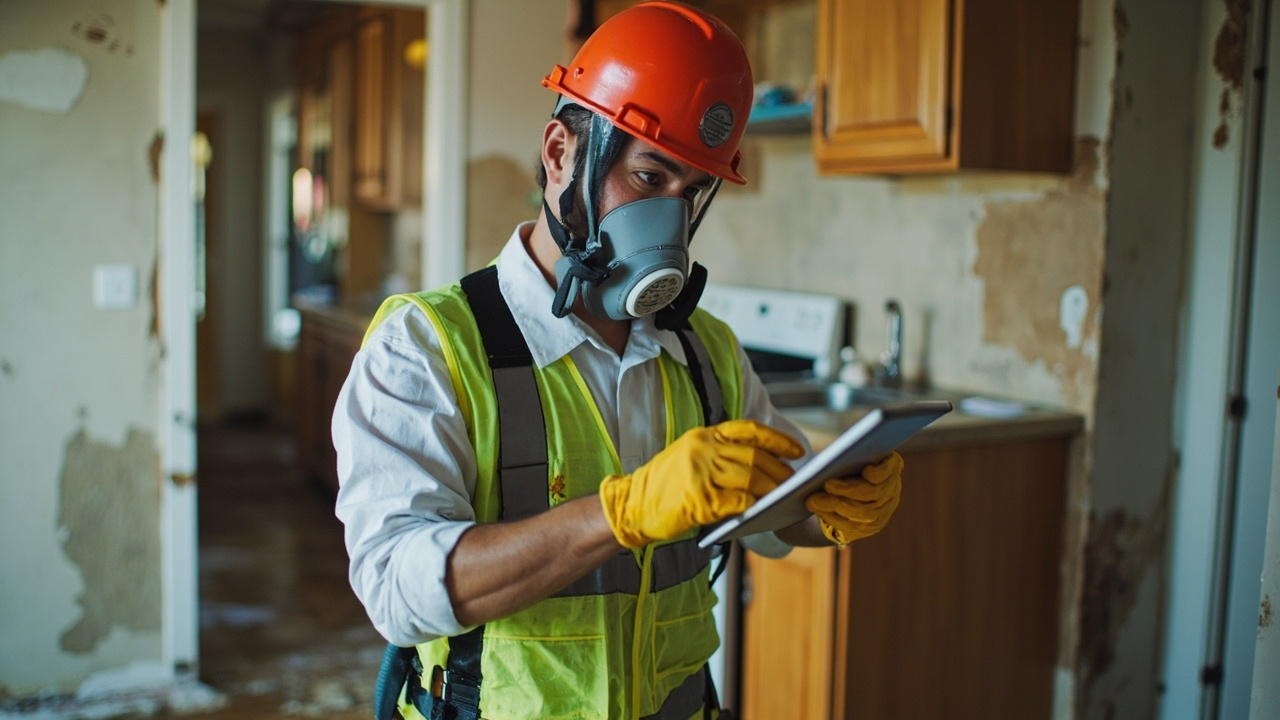
You should never attempt to clean Category 3 water without professional grade personal protective equipment. This includes N95 masks, waterproof gloves, and full body suits. The health risks include hepatitis, E. coli, and salmonella. If you are a business owner, you may need commercial sewage remediation in Downtown Houston to ensure your facility meets 2026 health codes before reopening. The cleanup for Category 3 involves removing all porous materials like drywall, carpet, and insulation because they cannot be effectively sanitized.
Water Category Comparison Table
| Category | Common Sources | Contamination Level | Safety Requirement |
|---|---|---|---|
| Category 1 | Supply lines, faucets, falling rain | Low (Potable) | Basic gloves and boots |
| Category 2 | Dishwashers, washing machines, sump pumps | Medium (Chemical/Bio) | Gloves, boots, and eye protection |
| Category 3 | Sewage, rising flood water, stagnant water | High (Pathogenic) | Full PPE and respiratory protection |
The Role of Humidity in Water Degradation
Houston is a unique environment for water restoration because of our psychrometrics, which is the study of air and water vapor. In a dry climate, a Category 1 leak might stay Category 1 for several days. In the East End, the high ambient humidity provides the perfect fuel for bacterial growth. When the moisture content in the air is high, evaporation slows down. The water sits on your structural materials longer, providing a consistent food source for microbes. The Environmental Protection Agency provides guidelines on how quickly mold can begin to grow, often within 24 hours in humid conditions.
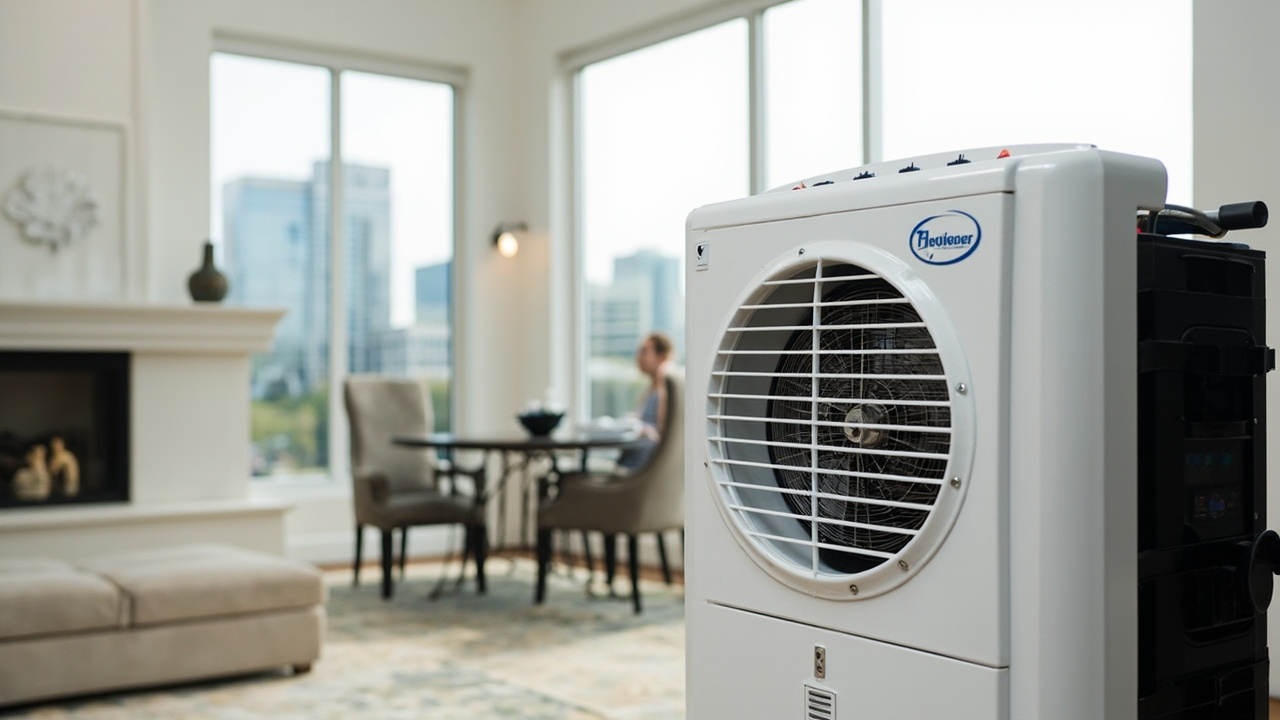
This is why we emphasize the 24 hour rule. If you do not have professional dehumidification equipment capable of pulling gallons of water from the air every day, your Category 1 leak will become a Category 3 biohazard before the weekend. This is especially true in homes with limited ventilation. We see this often in the newer, tightly sealed townhomes near Navigation Boulevard where the air remains stagnant, trapping moisture inside the walls.
Understanding Water Classes versus Categories
While categories describe the cleanliness of the water, classes describe the rate of evaporation required. Knowing both is necessary for a successful restoration plan. If you have a flooded basement or a crawlspace with standing water, that is a Class 4 situation, which is the most difficult to dry. Most residential leaks in the East End fall into Class 1 or Class 2, but the classification changes based on the materials involved. For example, if your hardwood floors are saturated, they require specialized drying mats to extract moisture from deep within the wood fibers.
Evaporation Rates and Material Impact
| Water Class | Affected Area | Evaporation Rate | Drying Difficulty |
|---|---|---|---|
| Class 1 | Small area, non-porous materials | Fast | Low |
| Class 2 | Entire room, carpet and cushion | Moderate | Medium |
| Class 3 | Ceilings, walls, insulation, entire subfloor | Slow | High |
| Class 4 | Specialty materials (Hardwood, stone, concrete) | Very Slow | Extreme |
Safety Steps for Initial Water Damage Assessment
Before you touch any water in your East End property, follow these safety steps to protect yourself and your family. The goal is to minimize exposure until a certified technician can perform a full inspection based on IICRC S500 standards.
- Turn off the electricity in the affected area if the water has reached any wall outlets or floor lamps.
- Identify the source of the water and stop it if possible by turning off the main water valve.
- Check the color and odor of the water. If it is cloudy, yellow, or smells like sulfur, evacuate the area immediately.
- Do not walk through the water if you have open cuts or sores on your feet or ankles.
- Avoid using a standard household vacuum to suck up water as this creates an electrical shock hazard.
- Take photos of the damage from a safe distance for your insurance claim.
If you determine that the water is Category 3, do not attempt to salvage any items that have been submerged. For residents with high value properties, you may need mold remediation for River Oaks Estates or historic East End homes to protect the architectural integrity of the structure. The cost of replacing a few sheets of drywall is far lower than the cost of treating a long term respiratory illness caused by improper cleaning of black water.
Why Professional Inspection Matters for East End Properties
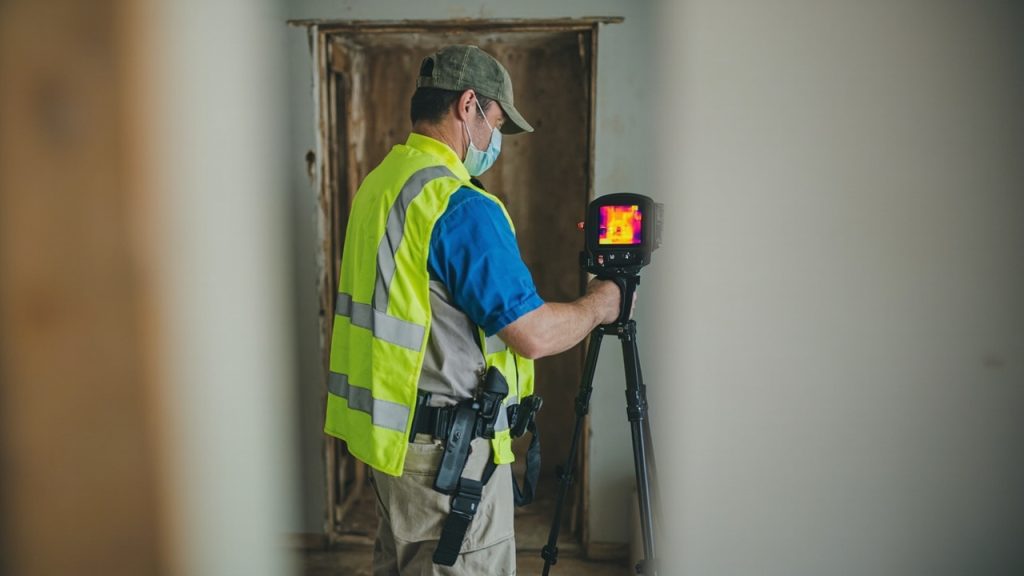
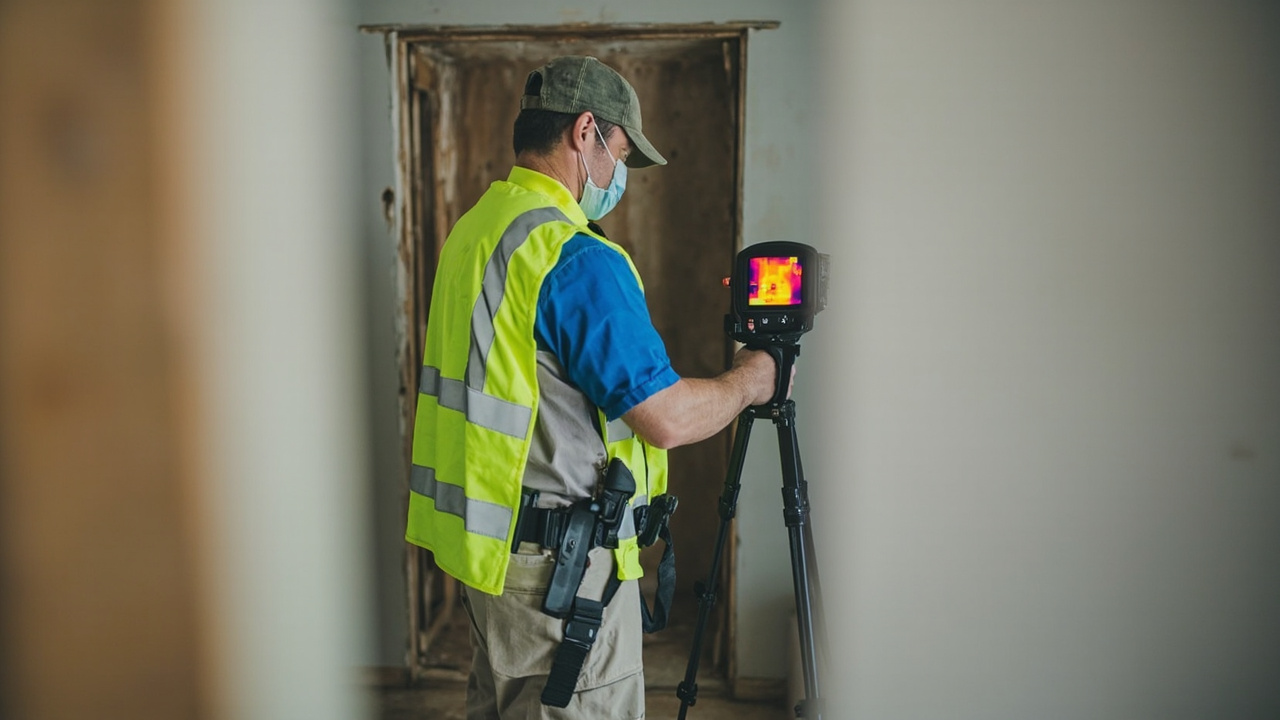
Restoration in 2026 involves more than just fans and mops. We use thermal imaging cameras to see water trapped behind your baseboards and inside your wall cavities. In the East End, the way homes were constructed varies wildly from house to house. A worker cottage from the early twentieth century has different drying needs than a modern industrial loft. Professional restorers understand these differences. We use moisture meters to confirm that the studs and subfloors are actually dry before we recommend any repairs.
When you call for help, you should ensure the team follows the latest industry protocols. Large scale events often require flood damage restoration specialists in Katy or surrounding areas to deploy large desiccant dehumidifiers. These machines are the only way to effectively dry out a building when the outdoor humidity is trapped at 95 percent. If your restorer is not monitoring the grains per pound of moisture in the air every day, they are not truly drying your home.
Final Recommendations for East End Residents
Identifying the category of water damage is the single most important step you take after a leak. It dictates the entire scope of the project. If you misidentify Category 2 water as Category 1, you risk leaving dangerous contaminants in your carpet. If you try to clean Category 3 sewage without the right equipment, you are putting your health at risk. The 2026 Houston climate is unforgiving to those who wait or those who take shortcuts. Speed and accuracy are the only ways to prevent permanent damage and mold growth.
Take a moment to look at the water. If there is any doubt about its source or cleanliness, treat it as Category 3. Secure the area, keep children and pets away, and call for a professional inspection. We have the tools to measure the contamination and the heavy duty equipment to dry your property before the Houston heat makes the situation worse. Your safety and the structural health of your East End home depend on making the right choice in the first few hours of the emergency.
{
“@context”: “https://schema.org”,
“@type”: “BlogPosting”,
“headline”: “Understanding the Three Categories of Water Damage Before You Clean Your East End Property”,
“description”: “Identify the risk of water damage in your East End home. Learn how Houston humidity turns clean water into biohazards and when to call a professional in 2026.”,
“wordCount”: 1732,
“datePublished”: “2026-03-07T11:49:00.000Z”,
“dateModified”: “2026-03-07T11:49:00.000Z”,
“inLanguage”: “en-US”,
“mainEntityOfPage”: {
“@type”: “WebPage”,
“@id”: “https://silverlinewaterdamagerestorationhouston.com”
},
“publisher”: {
“@type”: “LocalBusiness”,
“name”: “Silverline Water Damage Restoration Houston”,
“url”: “https://silverlinewaterdamagerestorationhouston.com”
},
“author”: {
“@type”: “Organization”,
“name”: “Silverline Water Damage Restoration Houston”,
“url”: “https://silverlinewaterdamagerestorationhouston.com”
},
“image”: {
“@type”: “ImageObject”,
“url”: “https://silverlinewaterdamagerestorationhouston.com/wp-content/uploads/2026/03/understanding-the-three-categories-of-water-damage-1.jpg”
}
}
{
“@context”: “https://schema.org”,
“@type”: “LocalBusiness”,
“name”: “Silverline Water Damage Restoration Houston”,
“url”: “https://silverlinewaterdamagerestorationhouston.com”,
“address”: {
“@type”: “PostalAddress”,
“addressLocality”: “Houston”
},
“areaServed”: {
“@type”: “City”,
“name”: “Houston”
}
}
{
“@context”: “https://schema.org”,
“@type”: “BreadcrumbList”,
“itemListElement”: [
{
“@type”: “ListItem”,
“position”: 1,
“name”: “Home”,
“item”: “https://silverlinewaterdamagerestorationhouston.com”
},
{
“@type”: “ListItem”,
“position”: 2,
“name”: “Blog”,
“item”: “https://silverlinewaterdamagerestorationhouston.com/blog”
},
{
“@type”: “ListItem”,
“position”: 3,
“name”: “Understanding the Three Categories of Water Damage Before You Clean Your East End Property”
}
]
}
{
“@context”: “https://schema.org”,
“@type”: “Service”,
“serviceType”: “Water Damage Restoration”,
“provider”: {
“@type”: “LocalBusiness”,
“name”: “Silverline Water Damage Restoration Houston”,
“url”: “https://silverlinewaterdamagerestorationhouston.com”
},
“areaServed”: {
“@type”: “City”,
“name”: “Houston”
},
“description”: “Identify the risk of water damage in your East End home. Learn how Houston humidity turns clean water into biohazards and when to call a professional in 2026.”
}