
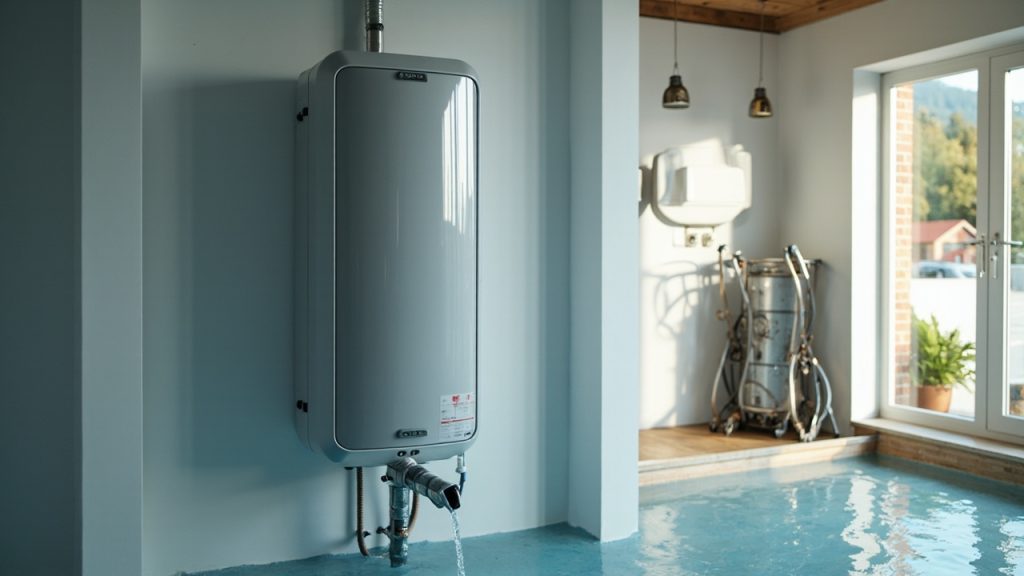
Finding a pool of water beneath your water heater in a Piney Point Village home is a stressful experience. This high end neighborhood features some of the most expansive estates in Houston. When a water heater fails here, the resulting damage often affects custom cabinetry, expensive hardwood floors, and high grade drywall. A leak from the bottom of the unit is rarely a simple fix. It usually signals that the internal tank has reached the end of its functional life in our 2026 climate. You must act quickly to prevent structural issues and potential mold growth in the humid Houston environment.
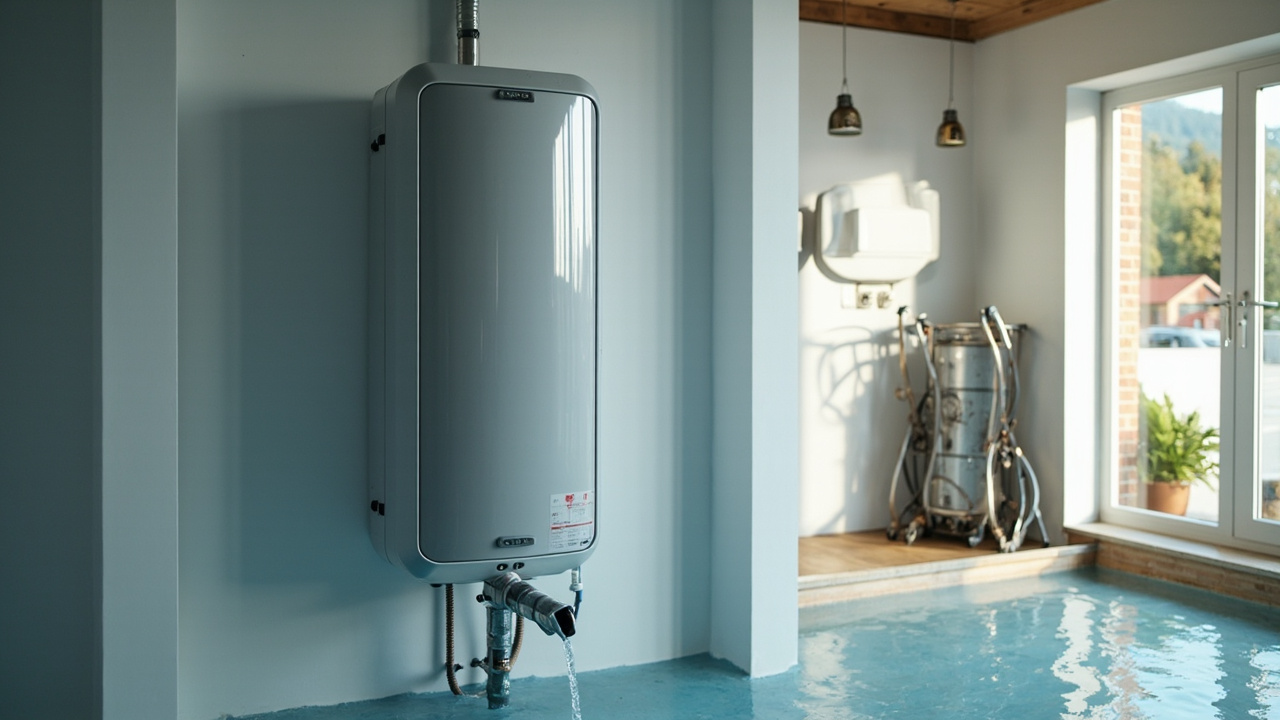
If you see water pooling right now, your first priority is damage control. Shut off the cold water supply valve located on top of the unit. Next, turn off the power source. For electric heaters, find the dedicated breaker in your electrical panel. For gas heaters, turn the small knob on the gas thermostat to the off position. This prevents the heating elements from burning out or gas from leaking while the tank is empty. Once you have stabilized the situation, you can assess whether you need a plumber or a restoration expert to handle the mess.
Immediate Steps to Save Your Piney Point Home
Water damage in Piney Point Village moves fast because of the local humidity levels. Even in 2026, the physics of water remains the same. Moisture wicks into porous materials like baseboards and drywall through capillary action. Within just a few hours, the water can travel several inches up your walls. This leads to bubbling paint and warping wood. If your water heater is located in an attic or a second floor closet, the risk is even higher. Gravity will pull that water through your ceiling joists and into the rooms below.
You should call a professional for water extraction immediately. While you wait for help to arrive, use old towels to soak up as much standing water as possible. Do not use a household vacuum to suck up water as this creates an electrical hazard. If the water has reached your carpet, avoid walking on it. Pressure from footsteps can force water deeper into the padding and the subfloor. For those living in nearby areas, you might also find help by looking for emergency water removal in The Heights to see how rapid response teams operate across the city.
Identifying the Source of the Bottom Leak
Not every puddle under a water heater means the tank is dead. Sometimes the leak originates from the top and runs down the sides, making it look like a bottom leak. Check the cold water inlet and hot water outlet pipes. If these connections are loose, a simple tightening might solve the issue. Also, inspect the Temperature and Pressure Relief Valve, often called the T and P valve. This safety device opens if the tank pressure or temperature gets too high. If it is dripping, it might just need a replacement or there might be an issue with your home water pressure.
However, if the connections and the T and P valve are bone dry, the leak is likely coming from the internal tank. Over time, the protective lining inside the steel tank cracks. This allows water to come into direct contact with the steel, leading to rust and eventual holes. In 2026, many homes in Piney Point Village use large capacity units that hold 50 to 75 gallons of water. When these tanks fail, they can dump their entire contents onto your floor in a matter of minutes. This type of failure requires a full unit replacement and professional drying services.
| Leak Source | Common Sign | Severity Level |
|---|---|---|
| Tank Corrosion | Water seeping from the base of the jacket | High (Requires Replacement) |
| T and P Valve | Water dripping from the discharge pipe | Medium (Repairable) |
| Inlet/Outlet Pipes | Dripping from the top of the heater | Low (Repairable) |
| Drain Valve | Water leaking from the hose bib at the bottom | Low (Replace Valve) |
Why Houston Water Chemistry Destroys Water Heaters
The water in the Houston metro area contains significant levels of minerals like calcium and magnesium. When this hard water is heated, the minerals solidify into sediment. This sediment settles at the bottom of your tank, creating an insulating layer between the burner and the water. This causes the bottom of the tank to overheat, which stresses the steel and weakens the glass lining. In Piney Point Village, many older estates still use traditional tank heaters that are highly susceptible to this type of damage.
According to the Texas Commission on Environmental Quality, managing water hardness is a constant challenge for local infrastructure. If you do not flush your water heater at least once a year, that sediment buildup becomes a thick sludge. This sludge also creates a popping or knocking sound when the heater is running. If you hear those sounds and see water on the floor, the tank has likely succumbed to the heat stress and corroded through the bottom. By the time you see the leak, the damage to the internal structure is usually irreversible.
Managing Water Damage to Piney Point Hardwood Floors
Piney Point homes are famous for high quality finishes, including solid oak or walnut floors. These materials are extremely sensitive to moisture. When a water heater leaks, the water gets trapped between the wood and the subfloor. This causes the wood to swell and cup. If the water is not removed and the area is not dried with professional grade dehumidifiers, the wood will eventually crown or crack. This can result in a total loss of the flooring material.
Professional restoration teams use moisture meters to check the levels inside your wood floors. They also use infrared cameras to find hidden pockets of water behind your walls. This is why a simple mop is never enough. If you leave moisture behind, you are inviting mold to grow. This is a major concern in the 2026 Houston climate where humidity stays high year round. For residents with historic properties or large estates, you can learn more about specialized care by reading about mold remediation for River Oaks Estates which shares similar architectural concerns with Piney Point.

The Difference Between Plumbing Repair and Restoration
It is important to understand that a plumber and a restoration specialist do different jobs. A plumber will fix the leak or replace the water heater unit. They ensure your water is running again and the new unit meets the 2026 building codes for Piney Point Village. However, most plumbers do not have the equipment to dry out your home. They will leave you with a new water heater but wet floors and damp walls.
A restoration expert focuses on the environment surrounding the heater. They handle the extraction of standing water, the removal of wet insulation, and the sterilization of the area to prevent bacterial growth. This is especially vital if the leak occurred in a garage where chemicals or dirt might have mixed with the water. In cases of significant flooding, you might need flood damage restoration specialists in Katy or surrounding areas who have the heavy duty equipment needed for large scale water removal.
Professional Drying Protocols for Large Piney Point Estates
When a professional restoration team arrives at your Piney Point home, they follow a specific set of IICRC standards. The goal is to return your home to its pre-loss condition as quickly as possible. This involves more than just blowing air around the room. It requires a science called psychrometry, which is the study of air and water vapor. In the 2026 industry, we use high capacity LGR dehumidifiers to pull moisture out of the air, which in turn pulls moisture out of your building materials.
- Assessment using thermal imaging to map the migration of water.
- Extraction using truck mounted vacuum systems for fast water removal.
- Stabilization of the indoor environment to prevent secondary damage.
- Controlled demolition of unsalvageable materials like wet insulation.
- Application of antimicrobial treatments to stop mold spores from germinating.
- Continuous monitoring of moisture levels until drying goals are met.
The drying process usually takes between three and five days depending on the volume of water and the materials involved. If the leak was caught immediately, the timeline might be shorter. If the water sat for several days while you were away, the process becomes more involved. For those dealing with plumbing failures in other areas, you can see how we handle similar crises like a burst pipe in Memorial which requires the same level of urgency and precision.
Dealing with Insurance for Water Heater Failures
Most homeowners insurance policies in Piney Point Village cover water damage from a water heater if the leak was sudden and accidental. This means if your tank suddenly bursts, the cleanup and the repairs to your home are usually covered. However, many policies do not cover the cost of the actual water heater unit itself, as that is considered a maintenance item. They also might deny a claim if the leak was slow and ongoing for several months, which insurance companies view as neglect.
To ensure your claim is processed smoothly, document everything. Take photos of the puddle, the bottom of the water heater, and any damaged belongings or flooring. Keep the failed water heater for the insurance adjuster to inspect. We work directly with many insurance carriers in the Houston area to provide the documentation they need, including moisture maps and drying logs. This transparency helps you get your home back to normal without unnecessary delays or out of pocket expenses. If you are a business owner in the area, you might also be interested in how commercial sewage remediation in Downtown Houston handles different types of insurance requirements for larger properties.
| Material Type | Typical Drying Time | Restoration Strategy |
|---|---|---|
| Drywall | 48 to 72 Hours | High velocity air movers and dehumidification |
| Hardwood Floors | 5 to 7 Days | Injection drying systems or floor mats |
| Concrete Subfloor | 3 to 5 Days | Direct airflow and heavy dehumidification |
| Carpet and Pad | 24 to 48 Hours | Extraction and floating the carpet with air |
Long Term Protection for Your Home
Preventing another leak in your Piney Point Village home requires a proactive approach. In 2026, many homeowners are installing smart leak detection systems. These devices include sensors that sit on the floor near your water heater. If they detect even a drop of water, they send an alert to your phone and can even trigger an automatic shutoff valve to stop the flow of water to your home. This technology is one of the best investments you can make to protect your estate from water damage.
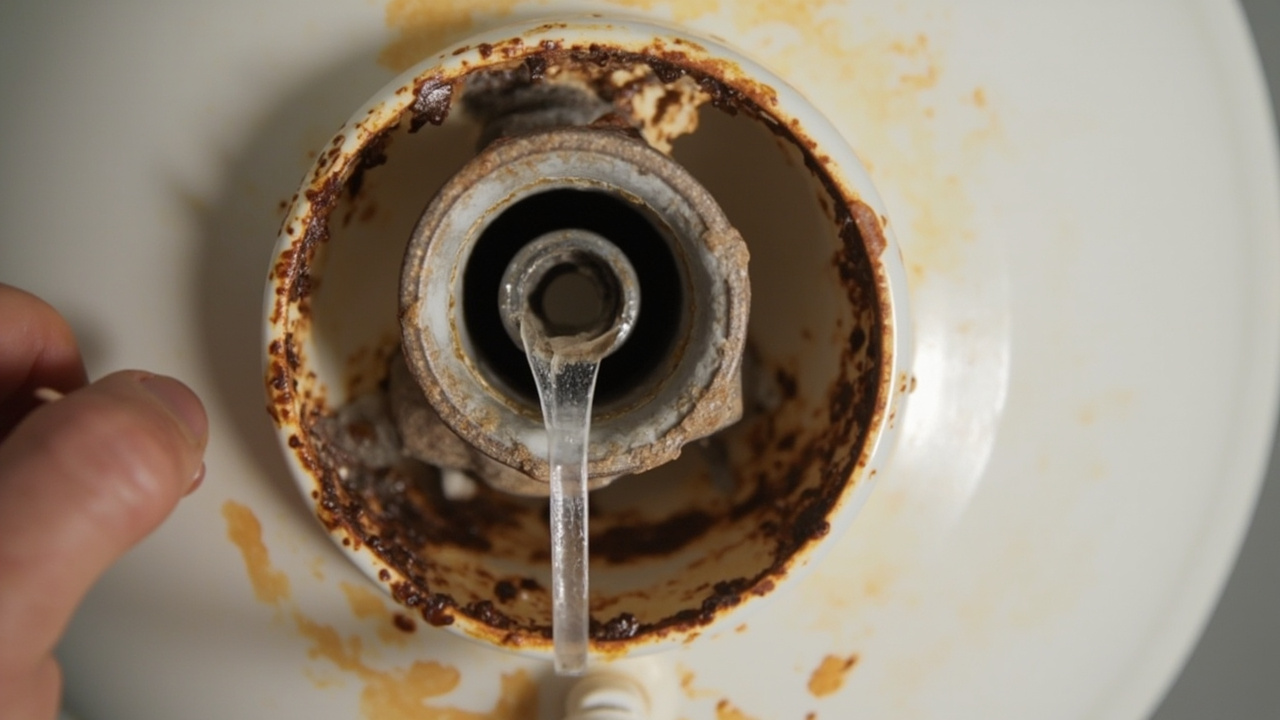
Additionally, make sure you have a professional plumbing inspection once a year. They should check the anode rod in your tank. The anode rod is a sacrificial metal rod that attracts corrosive elements in the water so they eat the rod instead of the tank. If the rod is completely dissolved, your tank is the next target for corrosion. Replacing a fifty dollar anode rod can extend the life of your water heater by several years and prevent the headache of a flooded utility room. Regular maintenance and rapid response are the keys to managing the risks of home ownership in Houston.
If you are currently facing a leaking water heater and need professional help to dry out your Piney Point home, reach out to a local expert. Our team understands the specific needs of high end homes in the 77024 area code. We use the latest 2026 restoration technology to protect your property and ensure your family has a safe, dry environment. Do not wait for mold to start growing. Take action now to minimize the damage and get your home back to its original beauty.
{
“@context”: “https://schema.org”,
“@type”: “BlogPosting”,
“headline”: “Why Your Water Heater in Piney Point Village is Leaking from the Bottom”,
“description”: “Discover why your water heater is leaking from the bottom in Piney Point Village. Learn the causes of tank failure and how to prevent major water damage in 2026.”,
“wordCount”: 1957,
“datePublished”: “2026-03-06T06:18:00.000Z”,
“dateModified”: “2026-03-06T06:18:00.000Z”,
“inLanguage”: “en-US”,
“mainEntityOfPage”: {
“@type”: “WebPage”,
“@id”: “https://silverlinewaterdamagerestorationhouston.com”
},
“publisher”: {
“@type”: “LocalBusiness”,
“name”: “Silverline Water Damage Restoration Houston”,
“url”: “https://silverlinewaterdamagerestorationhouston.com”
},
“author”: {
“@type”: “Organization”,
“name”: “Silverline Water Damage Restoration Houston”,
“url”: “https://silverlinewaterdamagerestorationhouston.com”
},
“image”: {
“@type”: “ImageObject”,
“url”: “https://silverlinewaterdamagerestorationhouston.com/wp-content/uploads/2026/03/why-your-water-heater-in-piney-point-village-is-le-1.jpg”
}
}
{
“@context”: “https://schema.org”,
“@type”: “LocalBusiness”,
“name”: “Silverline Water Damage Restoration Houston”,
“url”: “https://silverlinewaterdamagerestorationhouston.com”,
“address”: {
“@type”: “PostalAddress”,
“addressLocality”: “Houston”
},
“areaServed”: {
“@type”: “City”,
“name”: “Houston”
}
}
{
“@context”: “https://schema.org”,
“@type”: “BreadcrumbList”,
“itemListElement”: [
{
“@type”: “ListItem”,
“position”: 1,
“name”: “Home”,
“item”: “https://silverlinewaterdamagerestorationhouston.com”
},
{
“@type”: “ListItem”,
“position”: 2,
“name”: “Blog”,
“item”: “https://silverlinewaterdamagerestorationhouston.com/blog”
},
{
“@type”: “ListItem”,
“position”: 3,
“name”: “Why Your Water Heater in Piney Point Village is Leaking from the Bottom”
}
]
}
{
“@context”: “https://schema.org”,
“@type”: “Service”,
“serviceType”: “Water Damage Restoration”,
“provider”: {
“@type”: “LocalBusiness”,
“name”: “Silverline Water Damage Restoration Houston”,
“url”: “https://silverlinewaterdamagerestorationhouston.com”
},
“areaServed”: {
“@type”: “City”,
“name”: “Houston”
},
“description”: “Discover why your water heater is leaking from the bottom in Piney Point Village. Learn the causes of tank failure and how to prevent major water damage in 2026.”
}