
Professional Toilet Overflow and Biohazard Cleanup in Houston Texas
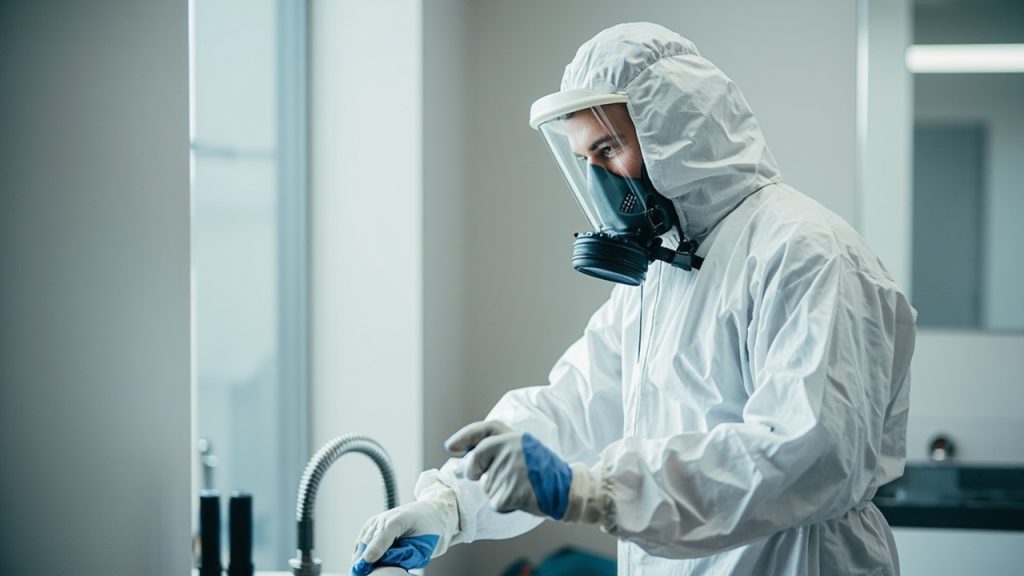
A toilet overflow in your Deer Park home is a serious biological event that requires immediate attention. Many homeowners believe a simple mop and a bucket of bleach can resolve the issue, but the reality of water damage restoration in 2026 involves complex science and strict safety protocols. When water escapes the confines of your plumbing system and carries waste with it, the situation shifts from a simple cleanup to a hazardous material remediation project. The high humidity levels in the Houston metro area during the current 2026 summer season only accelerate the growth of bacteria and pathogens, making speed a critical factor in protecting your property and health.
When you face an emergency in Deer Park or surrounding areas like La Porte or Pasadena, knowing the difference between a minor spill and a biohazard is essential. Toilet overflows involving fecal matter or backup from the main sewer line are classified as Category 3 water. This classification represents the most dangerous level of liquid contamination. If you are dealing with a larger scale issue, you might need to understand Rapid Commercial Sewage Remediation in Downtown Houston for business properties, but for residential bathrooms in Deer Park, the risks are just as severe.
Understanding Category 3 Water and Why It Matters
In the restoration industry, we categorize water based on its level of contamination. Category 1 is clean water, such as a broken supply line. Category 2 involves significant contamination, like dishwasher discharge. Category 3, often called black water, is grossly contaminated. This includes sewage, rising flood waters from the Buffalo Bayou, and any water that has stood long enough to support bacterial growth. In a Deer Park bathroom, a toilet overflow is almost always Category 3 because it contains human waste and dangerous microbes.
Black water contains a cocktail of pathogens that can cause severe illness. These include E. coli, Salmonella, and various parasites. In the current 2026 environment, we also see an increase in viral loads within residential sewage systems. These pathogens do not just stay on the surface of your tile. They seep into grout lines, wick up into drywall, and saturate the subfloor under your cabinets. Professional remediation is the only way to ensure these invisible threats are fully removed.
The Risks of DIY Cleanup in Houston Humidity
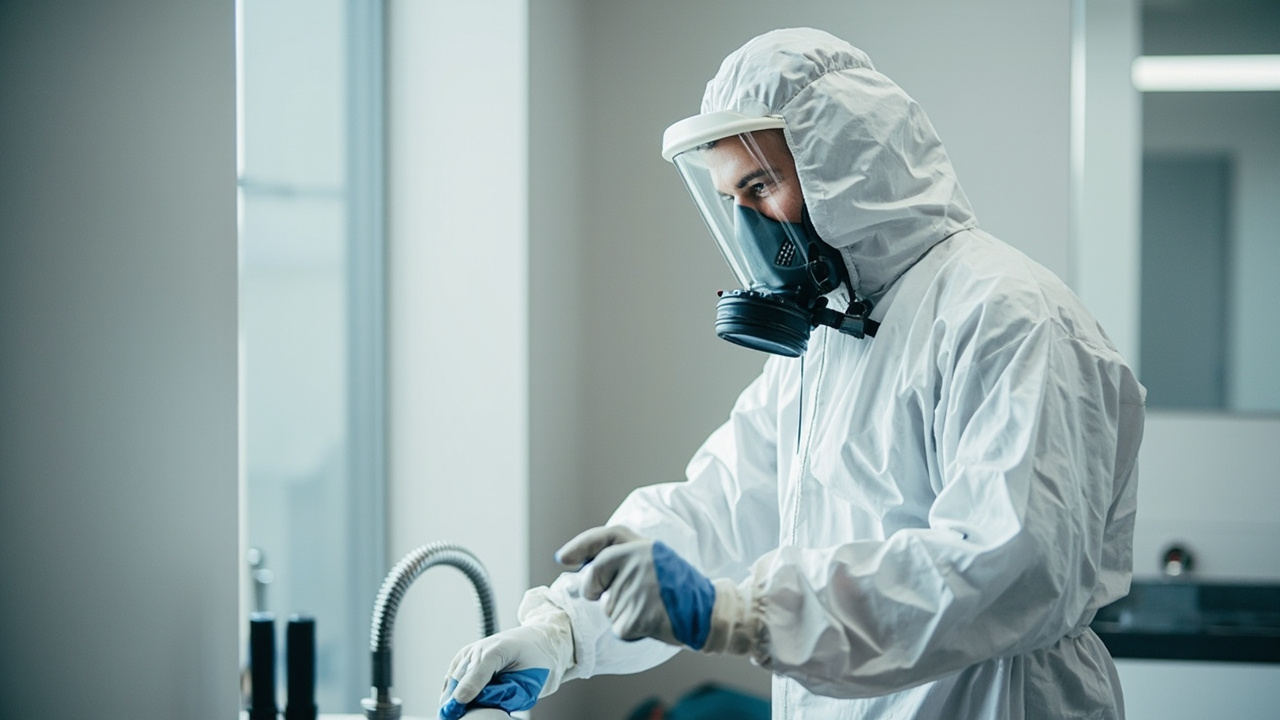
Attempting to clean a sewage backup yourself puts you at risk of infection and cross contamination. Without industrial grade personal protective equipment, you can track bacteria into your carpets, bedrooms, and kitchen. Household cleaners like standard bleach are often ineffective against the complex biofilms created by sewage. Furthermore, bleach can react with the ammonia in urine to create toxic fumes, which is particularly dangerous in the small, enclosed spaces of a typical Deer Park bathroom. You may also find that your efforts only address the surface, leaving moisture trapped behind baseboards where it will inevitably lead to mold growth. If you have neglected a leak for too long, you may already require Professional Mold Remediation for River Oaks Estates or other local neighborhoods to address the secondary damage.
Common Pathogens Found in Residential Sewage Overflows
The biological threats present in a toilet overflow are diverse and resilient. According to the CDC guidance on sewage leaks, exposure can occur through skin contact, inhalation of aerosols, or accidental ingestion. In the Houston climate, these organisms thrive in the warm, moist air inside your home.
| Pathogen Type | Specific Examples | Potential Health Impact |
|---|---|---|
| Bacteria | E. coli, Salmonella, Shigella | Severe gastrointestinal distress and infections |
| Viruses | Norovirus, Hepatitis A, Rotavirus | Organ damage and long-term illness |
| Parasites | Giardia, Cryptosporidium | Chronic digestive issues and dehydration |
| Fungi | Aspergillus, Penicillium | Respiratory distress and allergic reactions |
These pathogens are particularly dangerous for children, the elderly, and those with compromised immune systems. When a toilet overflows in a Deer Park home, the water carries these organisms into every porous material it touches. This is why professional restorers use EPA-registered broad-spectrum disinfectants that are specifically formulated to kill these specific threats on contact.
The Professional Biohazard Remediation Process
When our team arrives at your Deer Park property, we follow a strict multi-step process defined by the IICRC S500 standards for professional water damage restoration. This ensures that your home is not only dry but also sanitary and safe for habitation.
Immediate Containment and Inspection
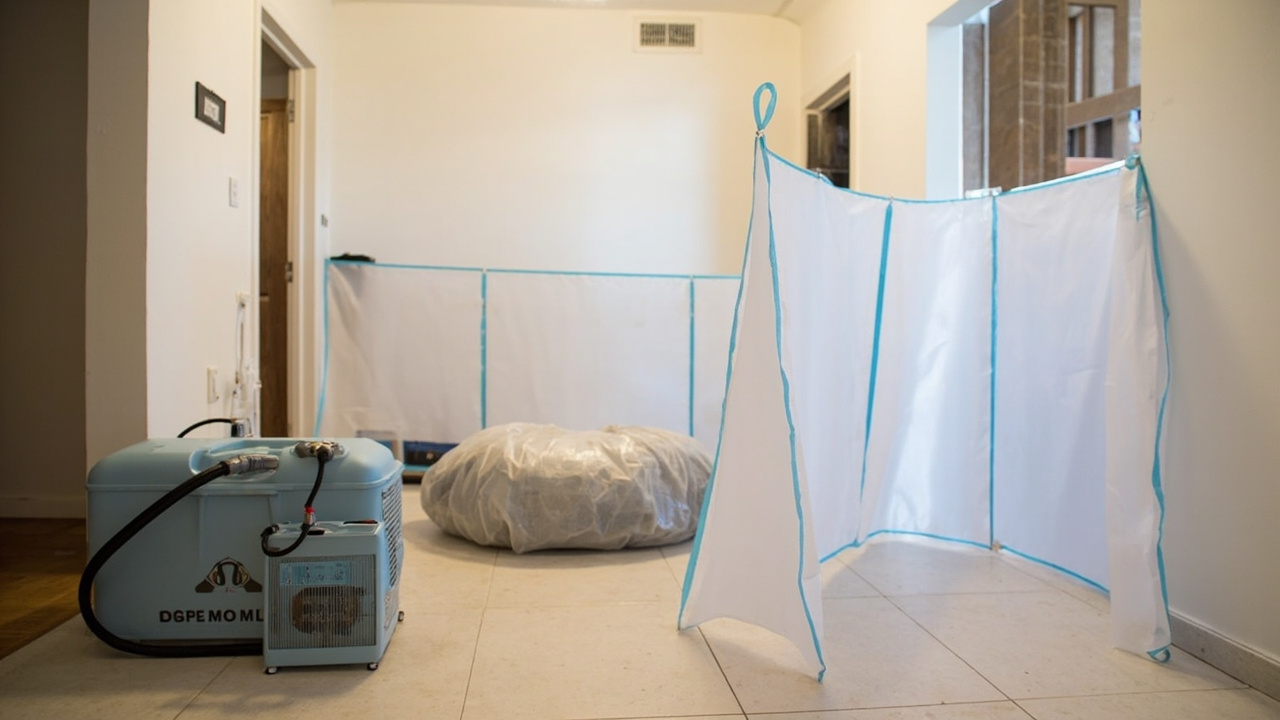
First, we establish a containment zone to prevent the spread of contaminants to the rest of your house. We use plastic sheeting and HEPA-filtered air scrubbers to create negative air pressure. This keeps microscopic particles and odors from escaping the bathroom. We then use moisture meters and infrared cameras to track exactly where the water has traveled. Sewage can easily move under a wall and into an adjacent closet or hallway without showing visible signs on the flooring.
Extraction and Disposal of Porous Materials
We use truck-mounted extraction units to remove the bulk of the liquid. Once the standing water is gone, we must make difficult decisions about building materials. In a Category 3 situation, porous materials like carpet padding, drywall, and insulation that have been saturated with sewage cannot be cleaned. They must be removed and disposed of as biohazardous waste. We carefully cut away affected drywall at least twelve inches above the highest moisture point to ensure no wicking remains.
Sanitization and Structural Drying
After the contaminated materials are removed, we clean the remaining structural elements with high-pressure washing and antimicrobial treatments. We focus on the wall studs and the subfloor. Once the area is biologically clean, we begin the drying process. In 2026, we use high-capacity LGR dehumidifiers and axial air movers to pull moisture out of the air and the building materials. We monitor the Grains Per Pound (GPP) of the air to ensure the environment is conducive to rapid evaporation despite the outdoor Houston humidity.
[IMAGE_PLACE_PLACEHOLDER_2]
Managing Houston Building Materials and Sewage Damage
Deer Park homes often feature a mix of traditional and modern building materials. Each reacts differently to sewage exposure. For instance, many newer homes use Luxury Vinyl Plank (LVP) flooring. While the planks themselves are plastic and water-resistant, sewage water easily gets trapped in the click-lock joints and sits on the subfloor. This creates a hidden biohazard that will smell for months if not addressed.
| Material Type | Restoration Strategy | Typical Result |
|---|---|---|
| Drywall | Controlled removal and replacement | Cannot be salvaged if saturated with sewage |
| Ceramic Tile | Deep cleaning and grout sanitization | Usually salvageable with professional chemicals |
| Solid Hardwood | Sanding and refinishing after drying | Salvageable if the sewage did not penetrate the grain |
| LVP Flooring | Removal to clean the subfloor | Planks may be reused if sanitized correctly |
| Particle Board | Complete removal | Swells and traps bacteria instantly |
If your bathroom has extensive built-in cabinetry made of MDF or particle board, these items usually act like a sponge. They will absorb the black water and lose their structural integrity. In many cases, these cabinets must be replaced to ensure no bacteria remain in the wood fibers. This is why we recommend contacting professionals immediately to minimize the time these materials are in contact with the water.
Immediate Action Steps for Deer Park Residents
If your toilet overflows right now, you must act quickly but safely. Follow these steps to limit the damage until professional help arrives.
- Turn off the water supply valve located behind the toilet to stop the flow.
- Keep children and pets away from the affected area.
- Turn off your HVAC system to prevent the spread of airborne pathogens through the ductwork.
- Do not walk through the water, as this will track contaminants into other rooms.
- If you must enter the room, wear rubber boots and gloves.
- Take photos of the damage for your insurance claim, but do not touch anything unnecessarily.
- Contact a certified restoration professional who understands local Houston codes and requirements.
For residents in other parts of the metro area facing similar crises, you might need to know who to call for emergency water removal in The Heights or how to find a specialist in your specific neighborhood.
Insurance Claims for Sewage Backups in Deer Park
Navigating insurance in 2026 for a sewage event can be complex. Most standard homeowners insurance policies in Texas require a specific sewage backup rider to cover the costs of remediation and repair. Without this rider, you may be responsible for the full cost of the cleanup. We recommend reviewing your policy annually to ensure you have adequate coverage for the specific risks faced by Deer Park residents, including aging municipal infrastructure and heavy rainfall events.
When we arrive, we document the entire process with moisture maps, photos, and thermal imaging. This documentation is vital for your insurance adjuster. We work directly with most major carriers in the Houston area to ensure your claim is processed efficiently. Our goal is to prove the necessity of every step, from the removal of contaminated drywall to the final air quality testing, so you receive the full benefits of your policy.
Why Professional Moisture Monitoring is Critical
The biggest mistake a homeowner can make is assuming a floor is dry because it feels dry to the touch. Wood and concrete are porous and can hold significant amounts of water deep within their structure. If this moisture is not removed, it will lead to rot and mold. In our 2026 restoration practice, we use advanced moisture probes that can detect water deep inside wall cavities and subfloors. We do not stop the drying process until every material has reached its pre-loss moisture content, which is determined by taking readings in unaffected areas of your home. If you encounter a pipe failure rather than an overflow, you should read about How to Handle a Burst Pipe in Memorial Without Losing Your Mind for similar moisture management strategies.
Long Term Impacts of Unresolved Toilet Overflows
If a toilet overflow is not professionally cleaned, the long-term consequences can be devastating for your home value and your health. Lingering odors are the most common complaint. These odors are caused by off-gassing from bacteria that continue to live in your floor joists and wall studs. In the humid Deer Park climate, these bacteria can thrive for years if they have a food source and moisture. Additionally, unresolved water damage can weaken the structural integrity of your home. Subfloors can delaminate and joists can begin to rot, leading to sagging floors and expensive structural repairs.
Hiring a team that follows the EPA guidelines on floods and indoor air quality ensures that your home remains a safe environment. We also recommend residents look for specialists who understand the unique soil conditions in Deer Park. The heavy clay in our region often causes foundation shifts that can stress sewer lines, leading to the very overflows we are discussing. If you are in the western parts of the city, you may be finding reliable flood damage restoration specialists in Katy and West Houston who deal with similar soil-related plumbing issues.
Frequently Asked Questions About Deer Park Toilet Overflows
Is it safe to stay in my house after a sewage backup
If the backup is contained to a single bathroom and you can seal that room off, you may be able to stay in the home. However, if the sewage has entered the HVAC system or if there is standing water in multiple rooms, we recommend vacating the property until the sanitization phase is complete. The health risks from airborne pathogens are too high for safe occupancy in a contaminated environment.
How long does the professional cleanup process take
A typical residential bathroom cleanup in Deer Park takes between three and five days. This includes one day for extraction and removal of contaminated materials, followed by three days of structural drying. Once the area is dry and sanitized, the reconstruction phase can begin. We provide a detailed timeline after our initial inspection so you know exactly what to expect.
Can I just use vinegar and baking soda to clean the area
No. While vinegar and baking soda are useful for minor household cleaning, they are completely ineffective against the pathogens found in Category 3 black water. These substances will not kill E. coli or viral loads. Professional-grade disinfectants and physical removal of saturated materials are the only ways to ensure the area is safe for your family.
Protecting Your Deer Park Home From Future Overflows
Preventative maintenance is the best way to avoid the trauma of a biohazard event. Have a licensed plumber inspect your main sewer line every few years, especially if you have large trees on your property whose roots could infiltrate the pipes. Avoid flushing anything other than toilet paper, as wet wipes and hygiene products are the leading cause of residential backups in the Houston area. If you experience slow drains throughout your house, do not wait for an overflow. Address the issue immediately to prevent a minor plumbing problem from becoming a major biohazard crisis. When the unexpected happens, remember that professional help is available 24/7 to restore your home to a clean and safe condition.
{
“@context”: “https://schema.org”,
“@type”: “BlogPosting”,
“headline”: “Why a Simple Toilet Overflow Can Become a Major Biohazard in Your Deer Park Bathroom”,
“description”: “Discover why toilet overflows in Deer Park are dangerous biohazards. Learn about Category 3 water, health risks, and professional cleanup in Houston in 2026.”,
“wordCount”: 2173,
“datePublished”: “2026-02-13T10:34:00.000Z”,
“dateModified”: “2026-02-13T10:34:00.000Z”,
“inLanguage”: “en-US”,
“mainEntityOfPage”: {
“@type”: “WebPage”,
“@id”: “https://silverlinewaterdamagerestorationhouston.com”
},
“publisher”: {
“@type”: “LocalBusiness”,
“name”: “Silverline Water Damage Restoration Houston”,
“url”: “https://silverlinewaterdamagerestorationhouston.com”
},
“author”: {
“@type”: “Organization”,
“name”: “Silverline Water Damage Restoration Houston”,
“url”: “https://silverlinewaterdamagerestorationhouston.com”
},
“image”: {
“@type”: “ImageObject”,
“url”: “https://silverlinewaterdamagerestorationhouston.com/wp-content/uploads/2026/03/why-a-simple-toilet-overflow-can-become-a-major-bi-1.jpg”
}
}
{
“@context”: “https://schema.org”,
“@type”: “LocalBusiness”,
“name”: “Silverline Water Damage Restoration Houston”,
“url”: “https://silverlinewaterdamagerestorationhouston.com”,
“address”: {
“@type”: “PostalAddress”,
“addressLocality”: “Houston”
},
“areaServed”: {
“@type”: “City”,
“name”: “Houston”
}
}
{
“@context”: “https://schema.org”,
“@type”: “BreadcrumbList”,
“itemListElement”: [
{
“@type”: “ListItem”,
“position”: 1,
“name”: “Home”,
“item”: “https://silverlinewaterdamagerestorationhouston.com”
},
{
“@type”: “ListItem”,
“position”: 2,
“name”: “Blog”,
“item”: “https://silverlinewaterdamagerestorationhouston.com/blog”
},
{
“@type”: “ListItem”,
“position”: 3,
“name”: “Why a Simple Toilet Overflow Can Become a Major Biohazard in Your Deer Park Bathroom”
}
]
}
{
“@context”: “https://schema.org”,
“@type”: “Service”,
“serviceType”: “Water Damage Restoration”,
“provider”: {
“@type”: “LocalBusiness”,
“name”: “Silverline Water Damage Restoration Houston”,
“url”: “https://silverlinewaterdamagerestorationhouston.com”
},
“areaServed”: {
“@type”: “City”,
“name”: “Houston”
},
“description”: “Discover why toilet overflows in Deer Park are dangerous biohazards. Learn about Category 3 water, health risks, and professional cleanup in Houston in 2026.”
}