
Kitchen floors in Pearland face constant stress from high humidity and heavy foot traffic. When a dishwasher leak or a refrigerator line failure occurs, the damage often hides beneath the surface. Detecting these issues early prevents structural rot and expensive mold growth. Homeowners in neighborhoods like Shadow Creek Ranch and Silverlake must stay vigilant because the local climate accelerates moisture damage. This guide helps you determine if your kitchen flooring requires professional intervention before the problem spreads to your subfloor or cabinetry.
Water behaves predictably in a kitchen environment. It follows the path of least resistance. It flows under baseboards and pools beneath heavy appliances. If you notice a change in how your floor feels or looks, you are likely past the point of a simple cleanup. Professional restoration becomes necessary when moisture penetrates the material or reaches the structural layers of your home. In Pearland, the shifting clay soil already puts stress on your foundation. Adding water damage to this equation leads to significant repair costs if ignored.
Visible Indicators of Subsurface Kitchen Water Damage
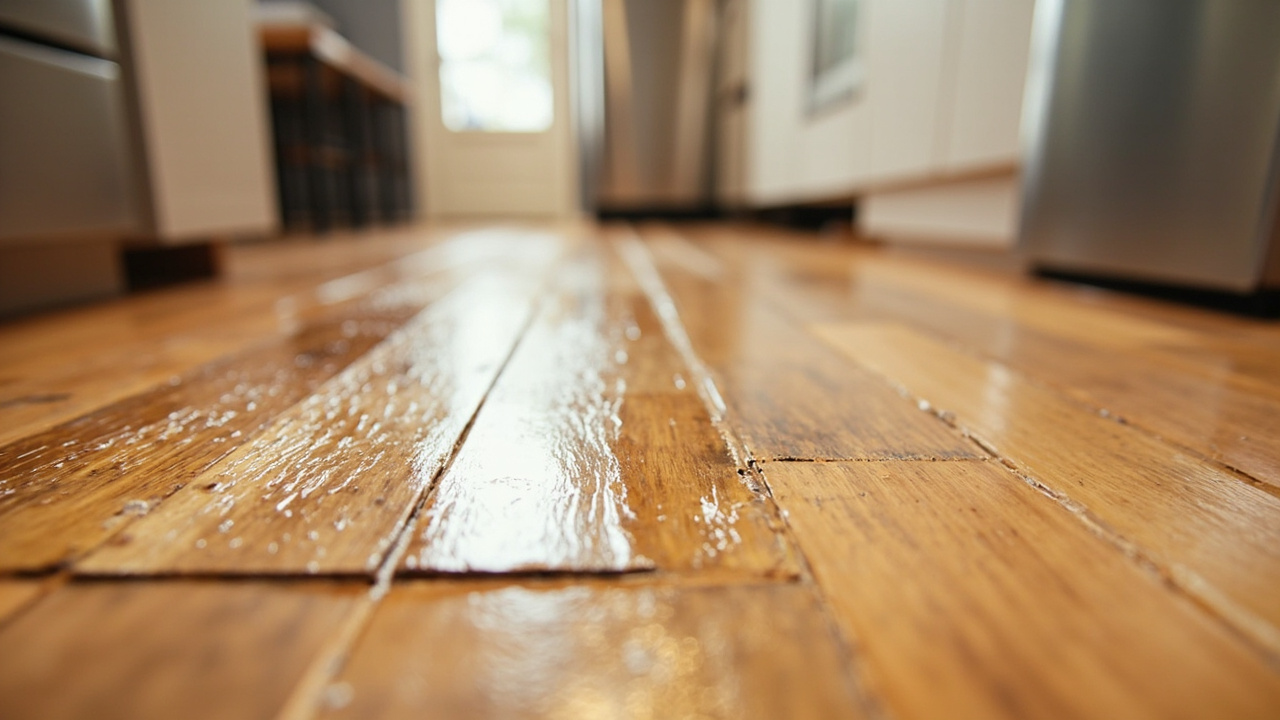
Visual cues are your first line of defense. Most homeowners notice surface water immediately. The real danger lies in the moisture you cannot see. On hardwood floors, look for cupping. This happens when the edges of the planks sit higher than the center. It indicates the bottom of the wood is wetter than the top. Crowning is the opposite. The center of the plank bulges upward. Both signs mean the wood has absorbed enough water to change its physical shape. In these cases, simple fans will not fix the issue. You need professional drying equipment to stabilize the environment.
Tile floors present different challenges. Tile itself is waterproof, but grout is porous. If you see dark spots in your grout that do not disappear with cleaning, moisture is likely trapped underneath. Loose or cracking tiles also signal trouble. As water weakens the thinset or mortar, the bond between the tile and the subfloor fails. You might hear a hollow sound when you walk over specific areas. This often happens near the sink or dishwasher where small, slow leaks persist for months before being noticed.
Laminate and Luxury Vinyl Plank (LVP) are popular in Pearland homes. These materials often hide damage until it is severe. Bubbling at the seams is a primary red flag. When water enters the core of laminate, it swells and creates permanent ripples. LVP is more water-resistant, but water can still get trapped underneath it. This creates a breeding ground for microbial growth. If your LVP floor feels bouncy or soft, the underlayment is likely saturated. You should consult a specialist who understands Finding Reliable Flood Damage Restoration Specialists in Katy and West Houston if you have properties across the metro area that need similar assessment.
The Role of Pearland Humidity in Kitchen Restoration
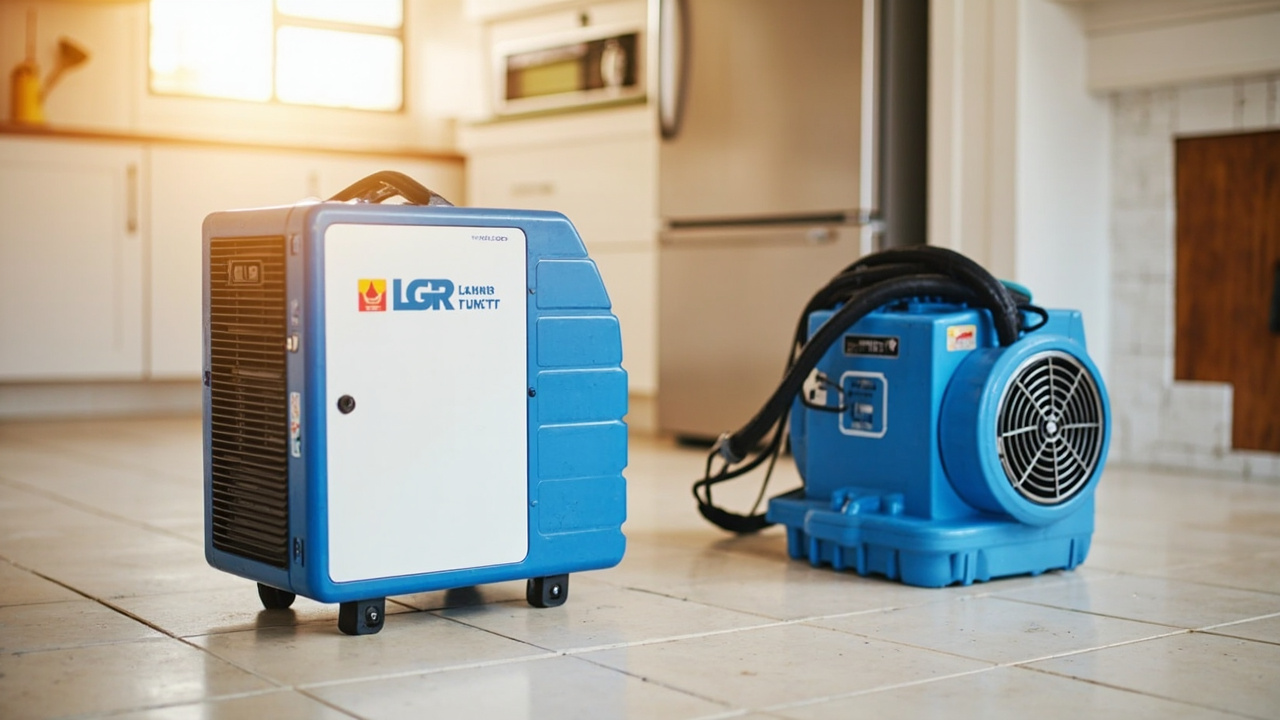
Pearland residents know that humidity levels in 2026 remain high throughout the year. High ambient humidity prevents natural evaporation. If a leak occurs, the air is often too saturated to pull moisture out of the flooring. This is why professional grade dehumidifiers are mandatory for kitchen restoration. We use Low Grain Refrigerant (LGR) dehumidifiers. These machines remove more water from the air than standard units. They create the dry environment needed to pull moisture out of deep structural pockets.
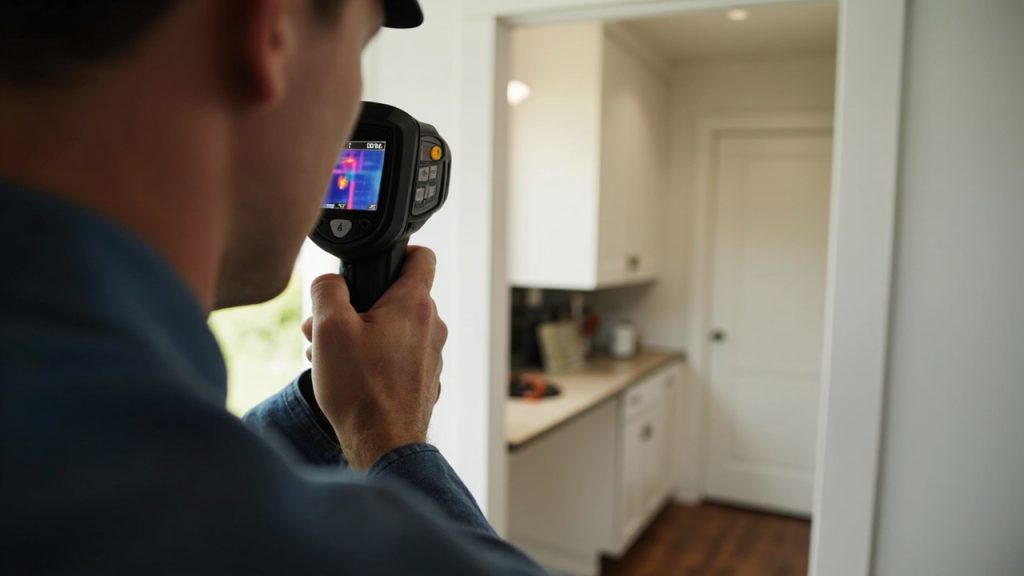
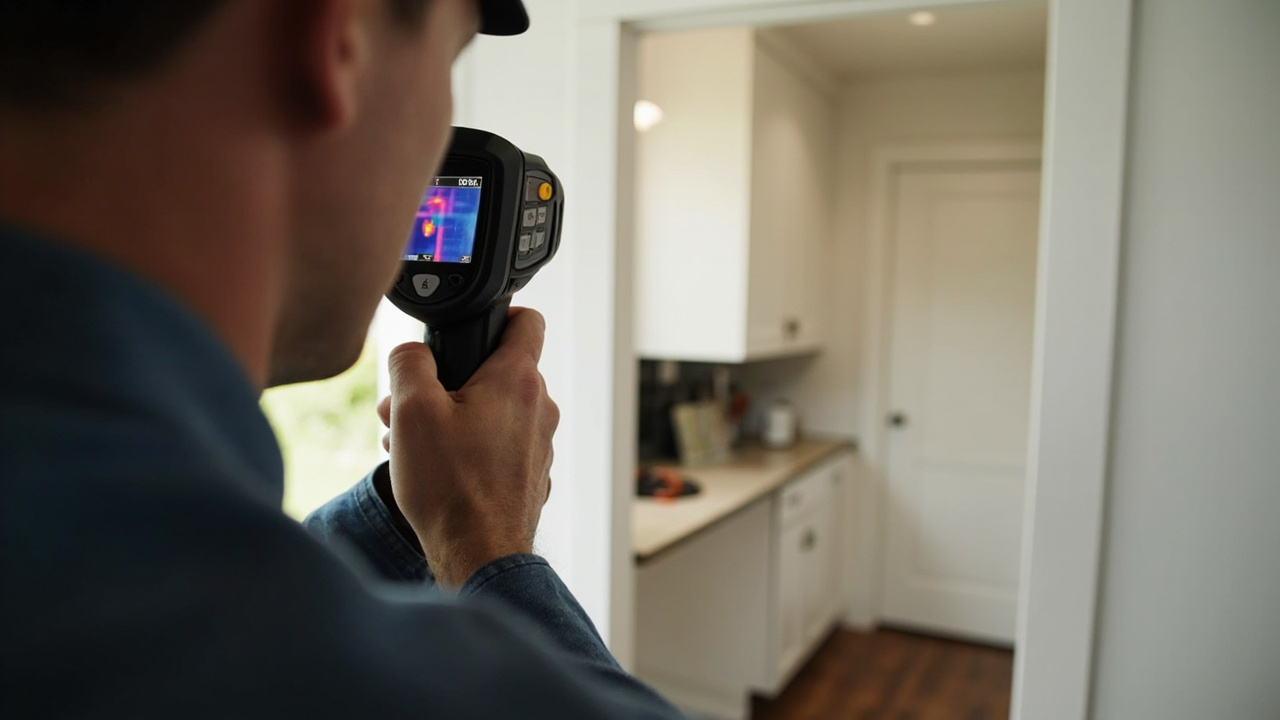
Without controlled drying, mold can begin to grow within 24 to 48 hours. The kitchen provides everything mold needs. It offers warmth, moisture, and organic food sources like wood subfloors or drywall. If you smell a musty odor but do not see water, the damage is already internal. This situation requires specialized equipment like moisture meters and thermal imaging cameras. These tools allow us to see through walls and floors to find the exact boundary of the wet zone.
| Flooring Material | Primary Damage Sign | Drying Potential | Replacement Risk |
|---|---|---|---|
| Solid Hardwood | Cupping or Crowning | High if caught early | Moderate |
| Ceramic Tile | Cracked Grout or Loose Tiles | Low for subfloor | High for subfloor layers |
| Laminate | Swelling at Seams | Very Low | Extremely High |
| Luxury Vinyl Plank | Bouncy walk or Odor | Moderate | Low for planks, high for pad |
Hidden Plumbing Leaks and Appliance Failures
Most kitchen flooding does not come from a massive pipe burst. It comes from slow drips. The refrigerator water line is a common culprit. These plastic or copper lines can pinhole leak for weeks. Because the fridge covers the area, you might not notice until the water reaches the middle of the kitchen floor. By then, the cabinetry has often absorbed water through the toe kicks. This leads to delamination of the cabinet base. When wood cabinets absorb water, they lose structural integrity. This can be dangerous if you have heavy granite or quartz countertops.
Dishwashers are another frequent source of trouble. A failing pump or a loose supply line can dump several gallons of water per cycle. If your kitchen floor slants toward the wall, that water might never appear on the main floor. Instead, it runs behind the cabinets and into the wall cavity. This often leads to the need for Professional Mold Remediation for River Oaks Estates and Historic Homes or similar high-value properties where preservation is a priority. We use specialized floor drying systems that inject air directly under the cabinets to save the wood without requiring a full kitchen teardown.
The Importance of Professional Moisture Detection
You cannot trust your eyes to tell you if a floor is dry. Professionals use scientific measurements to verify the state of your kitchen. We use non-penetrating moisture meters to check for water behind tile or under LVP. These meters use radio frequency to detect moisture levels without leaving holes in your flooring. If the readings are high, we know the subfloor is still wet even if the surface feels dry to the touch.
Thermal imaging is another essential tool in 2026. Infrared cameras show temperature differences on surfaces. Evaporating water cools the material. On a thermal camera, wet areas appear as dark, cold spots. This allows us to map the entire path of the water. We often find that a kitchen leak has traveled through the floor and into the dining room or a nearby pantry. Identifying the full scope of the damage ensures that no moisture is left behind to rot your joists. If you are dealing with a more severe plumbing issue, you might need to know How to Handle a Burst Pipe in Memorial Without Losing Your Mind to stay calm while help is on the way.
- Moisture Mapping: Using sensors to find the perimeter of the damage.
- Psychrometry: Measuring the air temperature and humidity to optimize drying.
- Pressure Drying: Forcing air into wall cavities or under cabinets.
- Containment: Using plastic barriers to keep dust and mold spores out of your living area.
- Documentation: Providing detailed reports for your insurance company.
Understanding the Restoration Process Timeline
The first 24 hours are critical. If we can start the extraction and drying process within this window, we can often save hardwood floors and cabinetry. Once we arrive, we use heavy-duty extractors to remove any standing water. This is much more effective than using a shop vacuum or towels. We then set up a drying circuit. This involves strategic placement of air movers and dehumidifiers to create a vortex of dry air across the floor.
The drying process typically takes three to five days. We monitor the progress daily. We take moisture readings from the wet materials and compare them to a dry standard from an unaffected part of your home. We do not remove the equipment until the materials have reached their dry goal. This precision prevents secondary damage like wood rot or mold. If your home has been affected by more than just clean water, such as a backup, you should look into Rapid Commercial Sewage Remediation in Downtown Houston for specialized sanitation procedures.
| Restoration Phase | Typical Duration | Primary Goal |
|---|---|---|
| Emergency Extraction | 2 to 4 hours | Remove bulk water and stop the spread |
| Structural Drying | 3 to 5 days | Pull moisture from subfloors and framing |
| Decontamination | 1 to 2 days | Apply antimicrobial treatments |
| Reconstruction | 1 to 2 weeks | Replace pads, grout, or damaged planks |
Insurance and Documentation for Pearland Homeowners
Most homeowners insurance policies cover sudden and accidental water damage. This includes pipe bursts and appliance failures. However, they often exclude damage caused by long-term neglect. This is why immediate action is necessary. We document everything from the moment we arrive. We take photos of the source of the leak and the readings from our moisture meters. This data provides the proof your insurance adjuster needs to approve the claim.
In Pearland, many residents use national carriers. We work directly with these companies to streamline the process. We use industry-standard software to create estimates that adjusters understand. This reduces the friction in getting your kitchen back to normal. If the water damage was caused by a city-wide event, you might find additional resources through the Federal Emergency Management Agency for local assistance. Dealing with insurance is easier when you have a professional advocate who knows how to document the hidden aspects of water damage.
Why Local Expertise Matters in Brazoria County
Restoring a kitchen in Pearland is different than restoring one in a drier climate. The proximity to the coast and the local waterways like Clear Creek means our baseline humidity is significantly higher. Our homes are often built on slabs that can wick moisture upward if the drainage around the house is poor. A local expert knows how to account for these environmental factors. We also understand the local building codes in Brazoria County, ensuring that all repairs meet current safety requirements.
We see a lot of kitchen damage in neighborhoods like Southern Trails and Southlake. These homes often feature high-end finishes that require a delicate touch. You cannot use aggressive drying techniques on custom cabinetry without risking cracks. We balance the need for speed with the need to protect your investment. If you suspect your kitchen floor has water damage, do not wait for the smell to start. Early detection saves your floor and protects your family from the health risks associated with mold.
If you are worried about the state of your kitchen after a leak, reach out for a professional inspection. We can help you identify exactly where the water has traveled and what steps are needed to keep your home safe. Whether it is a small drip under the sink or a major flood from a burst pipe, taking quick action is the best way to minimize the impact on your home and your life. For residents in other parts of the metro area, we also provide Emergency Water Removal in The Heights for those needing immediate assistance.
{
“@context”: “https://schema.org”,
“@type”: “BlogPosting”,
“headline”: “Identifying If Your Pearland Kitchen Floors Need Expert Water Damage Restoration”,
“description”: “Learn how to spot hidden kitchen water damage in Pearland homes. Our 2026 guide covers flooring types, humidity impacts, and when to call a professional.”,
“wordCount”: 1789,
“datePublished”: “2026-02-07T13:18:00.000Z”,
“dateModified”: “2026-02-07T13:18:00.000Z”,
“inLanguage”: “en-US”,
“mainEntityOfPage”: {
“@type”: “WebPage”,
“@id”: “https://silverlinewaterdamagerestorationhouston.com”
},
“publisher”: {
“@type”: “LocalBusiness”,
“name”: “Silverline Water Damage Restoration Houston”,
“url”: “https://silverlinewaterdamagerestorationhouston.com”
},
“author”: {
“@type”: “Organization”,
“name”: “Silverline Water Damage Restoration Houston”,
“url”: “https://silverlinewaterdamagerestorationhouston.com”
},
“image”: {
“@type”: “ImageObject”,
“url”: “https://silverlinewaterdamagerestorationhouston.com/wp-content/uploads/2026/03/how-to-tell-if-your-pearland-kitchen-floors-need-p-1.jpg”
}
}
{
“@context”: “https://schema.org”,
“@type”: “LocalBusiness”,
“name”: “Silverline Water Damage Restoration Houston”,
“url”: “https://silverlinewaterdamagerestorationhouston.com”,
“address”: {
“@type”: “PostalAddress”,
“addressLocality”: “Houston”
},
“areaServed”: {
“@type”: “City”,
“name”: “Houston”
}
}
{
“@context”: “https://schema.org”,
“@type”: “BreadcrumbList”,
“itemListElement”: [
{
“@type”: “ListItem”,
“position”: 1,
“name”: “Home”,
“item”: “https://silverlinewaterdamagerestorationhouston.com”
},
{
“@type”: “ListItem”,
“position”: 2,
“name”: “Blog”,
“item”: “https://silverlinewaterdamagerestorationhouston.com/blog”
},
{
“@type”: “ListItem”,
“position”: 3,
“name”: “Identifying If Your Pearland Kitchen Floors Need Expert Water Damage Restoration”
}
]
}
{
“@context”: “https://schema.org”,
“@type”: “Service”,
“serviceType”: “Water Damage Restoration”,
“provider”: {
“@type”: “LocalBusiness”,
“name”: “Silverline Water Damage Restoration Houston”,
“url”: “https://silverlinewaterdamagerestorationhouston.com”
},
“areaServed”: {
“@type”: “City”,
“name”: “Houston”
},
“description”: “Learn how to spot hidden kitchen water damage in Pearland homes. Our 2026 guide covers flooring types, humidity impacts, and when to call a professional.”
}