
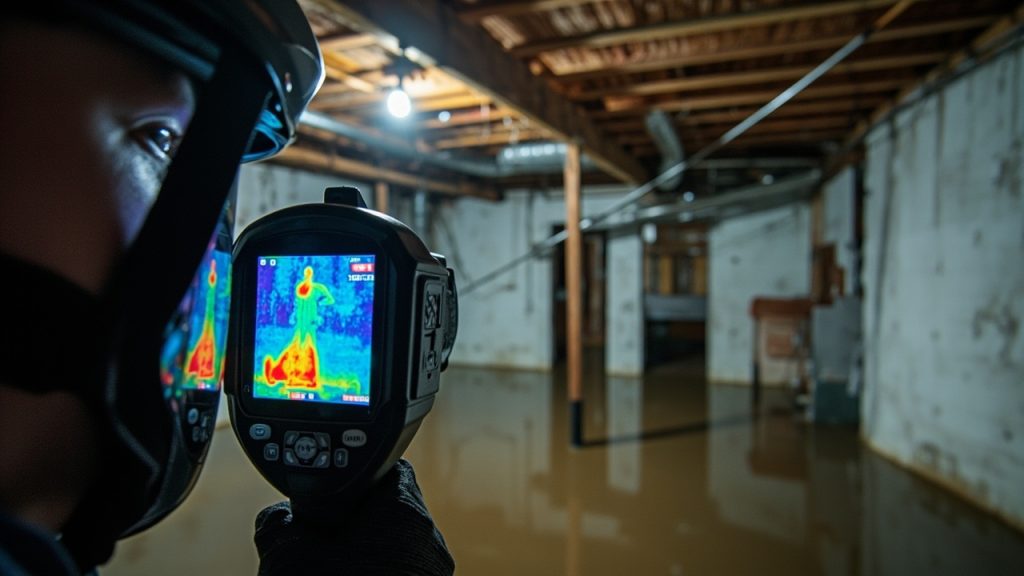
If you are standing in water in your Cypress basement, you are facing a race against time. The heavy clay soils around Cypress Creek and White Oak Bayou hold moisture long after the rain stops, which creates immense hydrostatic pressure against your foundation. In Jersey Village, where elevation levels vary significantly, even a minor storm can lead to sudden basement inundation. You need to act within the first hour to prevent permanent structural damage and the rapid growth of hazardous fungi.
Our team has worked in Harris County for over 15 years, and we have seen how 2026 weather patterns have increased the frequency of localized flooding in neighborhoods like Bridgeland and Towne Lake. This guide provides the exact technical steps needed to dry your property, manage your insurance claim, and protect your family from contaminated water. We prioritize rapid response because we know that standing water in a confined basement is a breeding ground for bacteria and structural instability.
Step 1 Safety Protocols and Immediate Inspection
Your first priority is safety. Basements are high-risk areas during a flood because electrical panels and outlets are often located at lower levels. Before you step into the water, ensure the power is off at the main breaker. If the breaker box is in the flooded area, do not touch it. Contact a professional immediately. You must also be aware of categories of water that may be present. In most Cypress basement floods, the water is either Category 2 (Grey Water) or Category 3 (Black Water), both of which contain harmful pathogens.
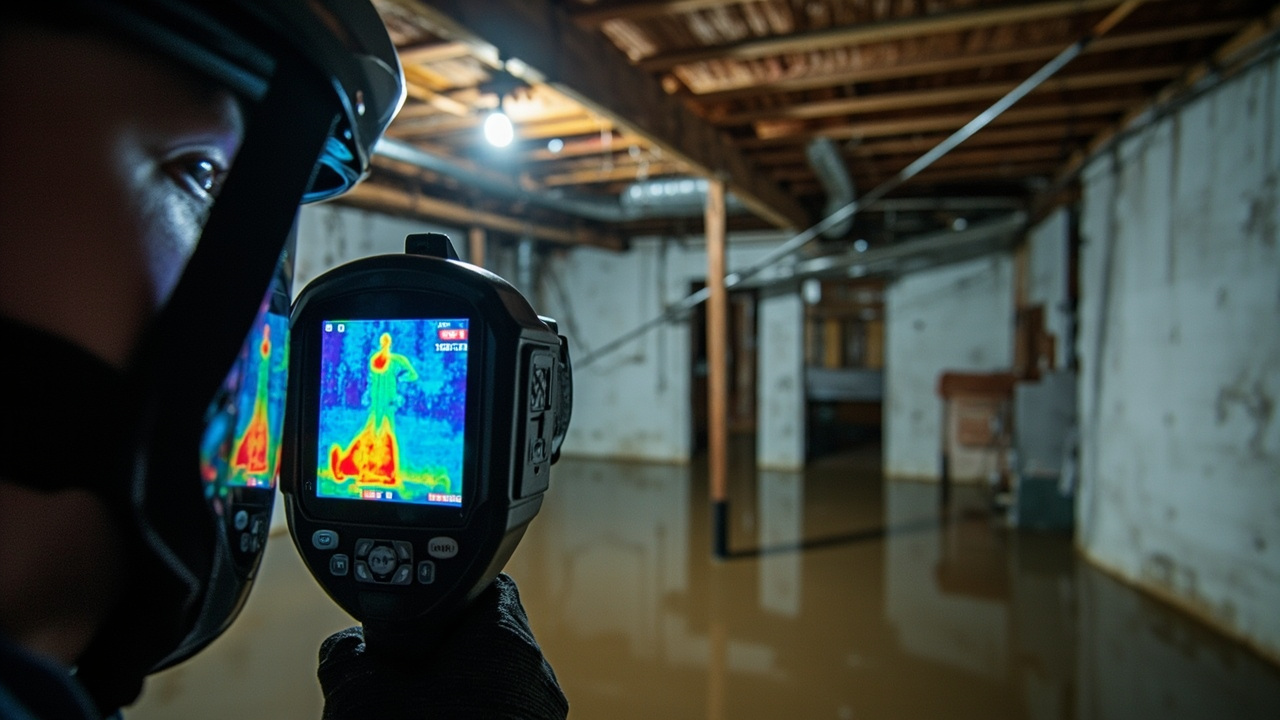
We use advanced thermal imaging and moisture meters to perform a hidden moisture detection assessment. This allows us to see exactly where water has migrated behind finished basement walls or under flooring without tearing everything apart first. In 2026, our infrared technology provides high-resolution mapping of the moisture plume, ensuring no pocket of humidity is left behind to rot your studs.
Step 2 High Volume Water Extraction
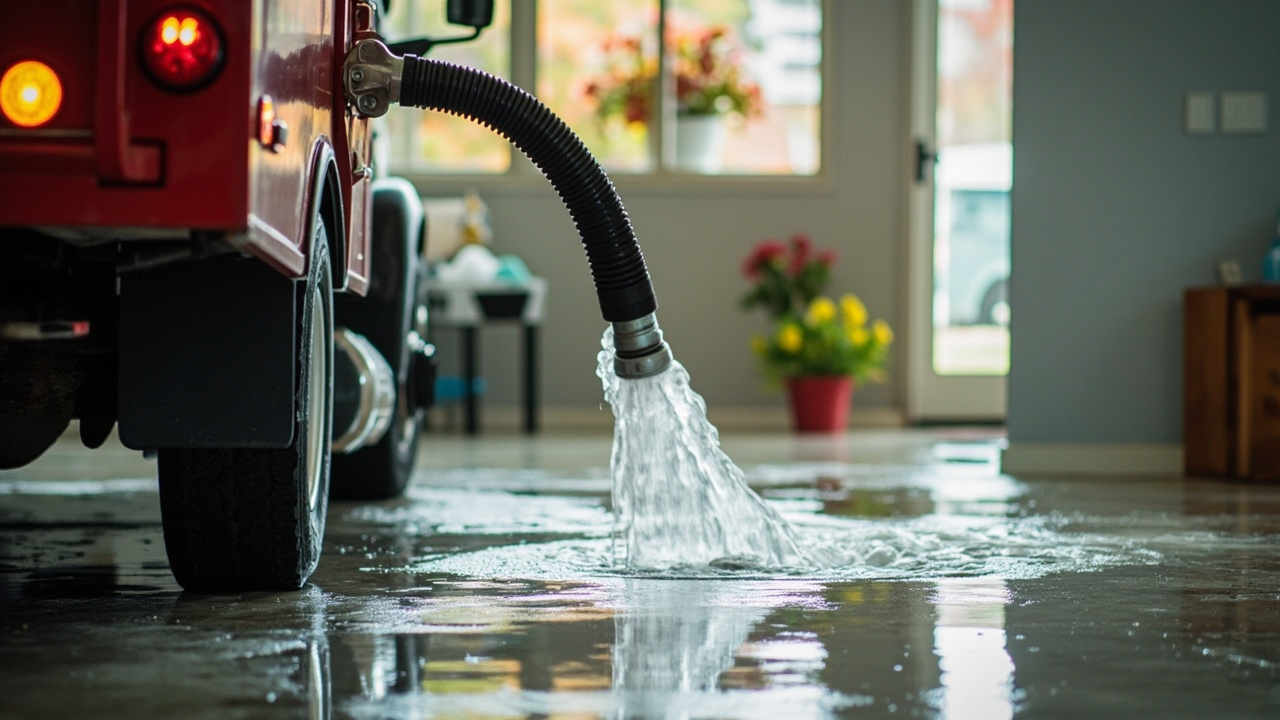
Once the area is safe, we begin the large scale water extraction process. Using submersible pumps and truck-mounted vacuum systems, we remove thousands of gallons per hour. This is critical in Jersey Village where the high water table can cause water to seep back in through floor cracks as quickly as it is pumped out. We focus on the lowest points of the basement first to relieve pressure on the slab.
Many homeowners in the 77429 and 77433 zip codes deal with sump pump failure cleanup specifically. If your pump failed during a heavy Houston downpour, the volume of water can quickly overwhelm a standard shop vacuum. Professional extraction tools are necessary to pull water from the pores of the concrete and prevent the long-term issue of efflorescence on concrete, which is that white, powdery salt buildup that weakens your walls.
Comparison of Water Cleanup Methods in 2026
| Method | Extraction Speed | Risk of Secondary Damage | Best Use Case |
|---|---|---|---|
| Manual Mop and Bucket | Very Low | Extreme | Spills under 5 gallons |
| Consumer Shop Vacuum | Low | High | Minor puddles on non-porous surfaces |
| Professional Truck-Mount | Very High | Low | Full basement flooding and saturation |
| Submersible Trash Pumps | Extreme | Minimal | Deep standing water over 2 inches |
Step 3 Structural Drying and Psychrometry
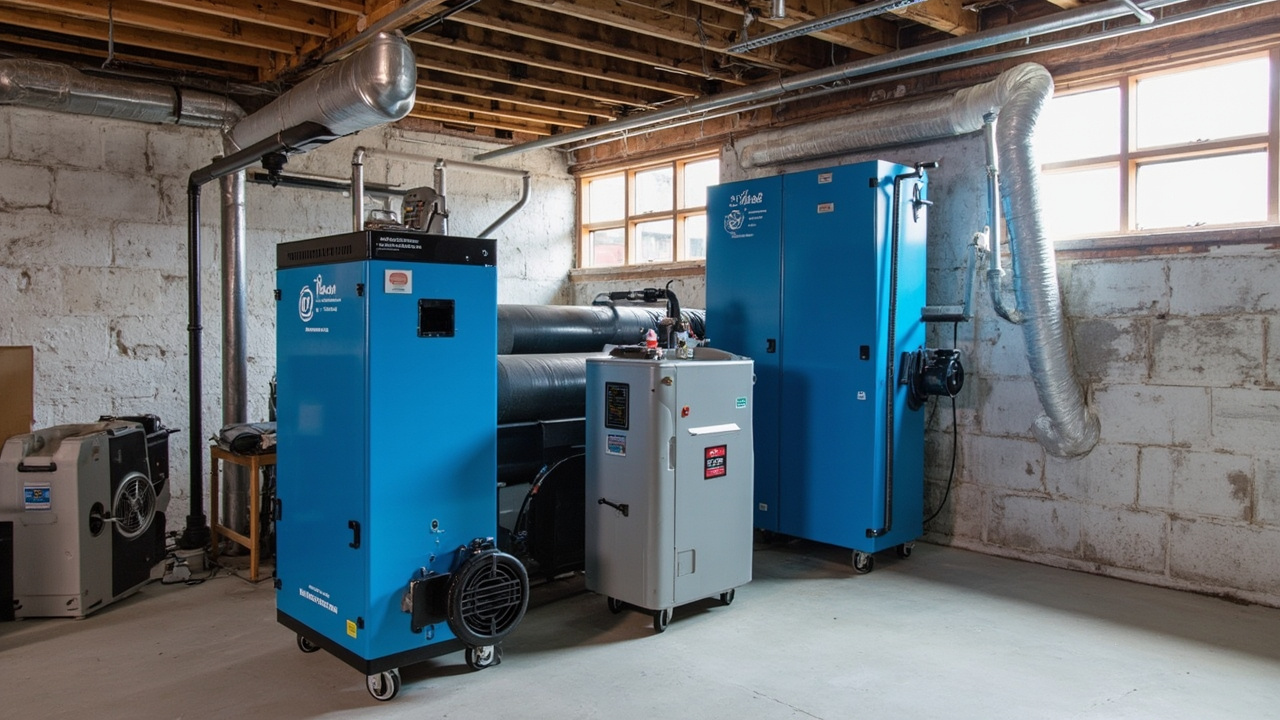
After we remove the standing water, the basement will still feel damp. This is because the air is saturated and the building materials have absorbed moisture. We use the science of psychrometry to manage the temperature, humidity, and airflow. In the humid Houston climate, simply opening a window will actually make the problem worse by letting in more moisture-laden air. We use LGR (Low Grain Refrigerant) dehumidifiers that are capable of removing dozens of gallons of water from the air every 24 hours.
We set up a calculated drying system using high-velocity air movers to create a vortex of air across the floor and walls. This accelerates evaporation. Our technicians monitor the drying time daily by checking moisture points in your drywall and baseboards. If you have finished basement walls, we may use an injectidry system to push warm, dry air into the wall cavities, which often saves the drywall from needing to be replaced.
Step 4 Sanitization and Antimicrobial Treatment
Floodwater is not clean. Even if it looks clear, it likely contains pesticides from Cypress lawns, bacteria from sewer overflows, or heavy metals from street runoff. After the water is gone, we apply industrial-grade antimicrobials to every surface. This is a vital part of mold remediation and removal. We focus on the areas where mold loves to hide, such as the space behind baseboards and under the bottom plate of your wall framing.
If you wait more than 48 hours to start this process, you may begin to notice visible mold growth on walls. In the 2026 environment, mold spores can trigger severe respiratory issues, making it necessary to understand understanding mold toxicity before you attempt to clean it yourself. Professional sanitization ensures that the basement is not just dry, but safe for your family to breathe in.
Step 5 Handling Insurance Claims in Harris County
Managing the financial side of a flood is often as stressful as the water itself. Because we have worked in the Houston area for over 15 years, we have direct relationships with most major carriers. We document every step of the process with photos, moisture logs, and thermal maps. This documentation is required by adjusters to prove that the work was necessary and performed to IICRC standards. For more information on these standards, you can visit the Institute of Inspection Cleaning and Restoration Certification site.
When you call us for water damage restoration in Cypress, we help you understand your policy limits. Many homeowners assume their standard policy covers basement flooding, but often you need a specific rider for sump pump failure or a separate flood policy through the National Flood Insurance Program. We provide a detailed estimate using Xactimate, the industry-standard software used by adjusters, to ensure there are no surprises during the claim process. You can learn more about this on our page regarding how to handle insurance claims.
Current 2026 Restoration Timeline Expectations
| Phase | Duration | Goal |
|---|---|---|
| Emergency Response | 30 to 60 Minutes | Stop water source and secure safety |
| Water Extraction | 2 to 6 Hours | Remove all standing liquid |
| Structural Drying | 3 to 5 Days | Reach dry standard for materials |
| Sanitization | 1 Day | Eliminate bacteria and odors |
| Final Reconstruction | 1 to 2 Weeks | Return basement to pre-loss condition |
Local Causes of Basement Flooding in Cypress and Jersey Village
Understanding why your basement flooded helps prevent it from happening again. In the Cypress area, several local factors contribute to basement issues.
- Hydrostatic Pressure The clay-heavy soil in Harris County expands when wet, pushing against basement walls and forcing water through tiny cracks.
- Cypress Creek Overflow During extreme 2026 rain events, the Harris County Flood Control District monitors the rise of local bayous. When these overflow, the water table rises instantly.
- Sump Pump Overload Many homes in older parts of Jersey Village rely on aging pumps that cannot keep up with the increased rainfall intensity we see in current years.
- Poor Site Drainage If your gutters are clogged or your yard is sloped toward the house, water will naturally pool against the foundation and seep into the basement.
We recommend a regular sump pump maintenance guide check-up every six months. This is especially important for residents in low-lying areas near the Sam Houston Tollway and Highway 290. If your basement has flooded once, it is likely to happen again unless you address the underlying drainage issues.
Professional Equipment Used in 2026 Basement Restoration
In 2026, we utilize the most advanced tools to ensure your basement is bone-dry. We do not just use fans and hope for the best. Our technicians are trained in the use of HEPA air scrubbers, which remove 99.97 percent of airborne particles, including mold spores and dust. This is critical for preventing allergic reactions in your home following a flood event.
We also use moisture probes that can reach into the insulation behind your walls to check for dampness. If we find soggy insulation, it must be removed. Wet fiberglass insulation loses its R-value and becomes a primary food source for mold. By being aggressive with our drying and removal tactics, we save you money on long-term repairs.
For homeowners who have experienced a sewage backup cleanup in their basement, the process is even more rigorous. This requires specialized Category 3 protocols, including the removal of all porous materials like carpet and pad. We treat these cases with extreme urgency to prevent the spread of disease through your HVAC system.
Immediate Actions to Take Before Professionals Arrive
While you wait for our team to arrive at your Cypress or Jersey Village home, there are several things you can do to minimize damage. First, if you can safely reach your belongings, move high-value items like electronics, photos, and documents to a higher floor. If you have furniture in the water, place aluminum foil or plastic blocks under the legs to prevent wood stains from bleeding into the carpet.
Check our steps to take after a flood for a full checklist. Avoid using any electrical appliances while standing on wet concrete. If the air is humid, do not turn on your central AC system, as this could pull mold spores from the basement and distribute them throughout the rest of your house. Wait for us to install professional HEPA filtration first.
If you need immediate help with basement flood cleanup, our team is ready. We serve all areas of Cypress and Jersey Village, including zip codes 77429, 77433, 77040, and 77041. Our local expertise in the Harris County area ensures that we understand the specific drainage challenges of your neighborhood. Do not let a flooded basement ruin your home or your health. Call us today for a thorough inspection and a clear plan for restoration.
{
“@context”: “https://schema.org”,
“@type”: “BlogPosting”,
“headline”: “Essential Steps for Basement Flooding Cleanup in Cypress and Jersey Village”,
“description”: “Fast basement flooding cleanup in Cypress and Jersey Village. Expert water extraction, structural drying, and insurance help for 2026 Houston flood emergencies.”,
“wordCount”: 1653,
“datePublished”: “2026-05-25T13:49:00.000Z”,
“dateModified”: “2026-05-25T13:49:00.000Z”,
“inLanguage”: “en-US”,
“mainEntityOfPage”: {
“@type”: “WebPage”,
“@id”: “https://silverlinewaterdamagerestorationhouston.com”
},
“publisher”: {
“@type”: “LocalBusiness”,
“name”: “Silverline Water Damage Restoration Houston”,
“url”: “https://silverlinewaterdamagerestorationhouston.com”
},
“author”: {
“@type”: “Organization”,
“name”: “Silverline Water Damage Restoration Houston”,
“url”: “https://silverlinewaterdamagerestorationhouston.com”
},
“image”: {
“@type”: “ImageObject”,
“url”: “https://silverlinewaterdamagerestorationhouston.com/wp-content/uploads/2026/03/essential-steps-for-basement-flooding-cleanup-in-c-1.jpg”
}
}
{
“@context”: “https://schema.org”,
“@type”: “LocalBusiness”,
“name”: “Silverline Water Damage Restoration Houston”,
“url”: “https://silverlinewaterdamagerestorationhouston.com”,
“address”: {
“@type”: “PostalAddress”,
“addressLocality”: “Houston”
},
“areaServed”: {
“@type”: “City”,
“name”: “Houston”
}
}
{
“@context”: “https://schema.org”,
“@type”: “BreadcrumbList”,
“itemListElement”: [
{
“@type”: “ListItem”,
“position”: 1,
“name”: “Home”,
“item”: “https://silverlinewaterdamagerestorationhouston.com”
},
{
“@type”: “ListItem”,
“position”: 2,
“name”: “Blog”,
“item”: “https://silverlinewaterdamagerestorationhouston.com/blog”
},
{
“@type”: “ListItem”,
“position”: 3,
“name”: “Essential Steps for Basement Flooding Cleanup in Cypress and Jersey Village”
}
]
}
{
“@context”: “https://schema.org”,
“@type”: “Service”,
“serviceType”: “Water Damage Restoration”,
“provider”: {
“@type”: “LocalBusiness”,
“name”: “Silverline Water Damage Restoration Houston”,
“url”: “https://silverlinewaterdamagerestorationhouston.com”
},
“areaServed”: {
“@type”: “City”,
“name”: “Houston”
},
“description”: “Fast basement flooding cleanup in Cypress and Jersey Village. Expert water extraction, structural drying, and insurance help for 2026 Houston flood emergencies.”
}