
Dealing with Attic Water Damage from Leaky Roofs in Kingwood
Homeowners in the Kingwood area face significant moisture challenges due to the dense canopy of the Livable Forest and the high humidity of the Texas Gulf Coast. When a roof leak occurs in 2026, the attic space traps heat and moisture. This combination leads to rapid structural decay and biological growth if you do not address the issue immediately. Identifying the source of the leak is only the first step in a complex restoration process that requires local expertise and specialized equipment. Residents in neighborhoods like Kings Point, Trailwood, and Sand Creek often deal with large pine trees that drop heavy branches during seasonal storms. These impacts compromise the integrity of shingles and flashing, leading to hidden water intrusion that remains unnoticed until a ceiling begins to sag or discolor.
The Impact of Seasonal Storms in the Kingwood Area
Kingwood weather patterns follow a predictable but intense cycle that dictates when roof damage is most likely to occur. The primary storm season in 2026 begins in late March and extends through June. During these months, the interaction between cool northern fronts and warm Gulf air produces severe thunderstorms. These storms often bring high winds and large hail that can strip the granules from asphalt shingles or crack clay tiles. Homeowners near the West Fork of the San Jacinto River frequently report wind-driven rain that bypasses traditional ridge vents. This moisture enters the attic space and saturates the insulation before gravity pulls it down into the living areas. The weight of the water alone can cause catastrophic ceiling failure in older homes located near Kingwood Drive.
The secondary peak for attic water damage occurs during the Atlantic hurricane season which runs through November. While Kingwood is inland, the area experiences significant tropical moisture and sustained winds that can peel back roof decking. In 2026, we have seen an increase in localized flooding events that saturate the air, making it nearly impossible for a minor leak to dry out naturally. When moisture enters an attic during a tropical event, the humidity levels inside the home can exceed 90 percent. This creates an environment where wood rot and mold take hold within 24 hours. Immediate intervention is required to stabilize the environment and prevent the loss of personal belongings stored in the attic space.
Understanding Kingwood Building Codes and Harris County Permits
Structural repairs in Kingwood follow Harris County building codes and specific community guidelines. If your attic water damage is severe enough to require the replacement of rafters or structural decking, you must adhere to the current 2026 residential building standards. The Harris County Engineering Department requires permits for any repair work that involves the structural integrity of the roof system. This includes the replacement of load-bearing joists that have been weakened by long-term water exposure. You can find the necessary filing requirements at the Harris County permit office website. Failure to obtain the necessary permits can lead to issues during future home inspections or when you attempt to sell your property in neighborhoods like Forest Cove or Elm Grove.
Local codes also mandate specific wind-load requirements for all roofing materials. In Kingwood, the roof must withstand wind speeds defined by the current regional wind map. When we perform restoration, we ensure that any new materials installed meet these high-wind standards. Furthermore, the city requires specific ventilation ratios to prevent future moisture buildup. If your attic restoration involves replacing insulation, the new material must meet modern R-value requirements to satisfy energy efficiency codes. Our team coordinates with local inspectors to ensure that every repair is documented and compliant with the latest safety regulations in Harris County.

Common Sources of Water Intrusion in Kingwood Homes
Roof leaks are the most common cause of attic water damage, but they are not the only culprits. Many Kingwood homes feature HVAC systems located in the attic space. In the high humidity of 2026, air conditioning units produce a massive amount of condensate. If the primary drain line becomes clogged with algae or debris, the secondary pan can quickly overflow. This leads to a sudden deluge of water onto the attic floor. Unlike a slow roof leak, an HVAC overflow can dump dozens of gallons of water into your ceiling in a single afternoon. We frequently perform emergency extraction for these scenarios in the Riverbend and Kings Creek areas.
Plumbing failures are another frequent source of attic moisture. Many local homes have water heaters or supply lines running through the attic or crawl spaces. A pinhole leak in a copper pipe or a failed pressure relief valve on a water heater can spray water directly onto the underside of the roof deck or into the insulation. Because the attic is a low-traffic area, these leaks often go undetected for weeks. By the time the homeowner notices a damp smell or a water stain, the structural timber may already show signs of significant decay. We use advanced moisture mapping to track the spread of this water and ensure no hidden pockets of moisture remain. Often, this requires professional interior restoration services to fix the drywall and paint in the rooms below the attic.
Biological Growth and Mold Species in the Gulf Coast
The high humidity of Kingwood makes it a prime location for various types of mold. When water enters an attic, it provides the necessary moisture for dormant spores to activate. In the current climate of 2026, we see three primary types of mold that thrive in residential attics. Stachybotrys chartarum, often called black mold, is a common find in Kingwood attics that have experienced long-term leaks. This species thrives on high-cellulose materials like the paper backing of drywall and certain types of insulation. It requires constant moisture and can lead to significant air-quality issues if the spores migrate into the home ventilation system.
Aspergillus and Penicillium are two other common species found in local attics. These molds are more resilient and can grow even when humidity levels are slightly lower than what Stachybotrys requires. They often appear as white, green, or gray fuzzy patches on the rafters and plywood decking. These species spread rapidly and can colonize an entire attic space within a few days of a major storm event. The health implications of these molds make professional remediation essential. We use HEPA filtration and antimicrobial treatments that are specifically designed to kill these Gulf Coast mold varieties without damaging the structural integrity of your wooden framing.
The Professional Attic Restoration Process
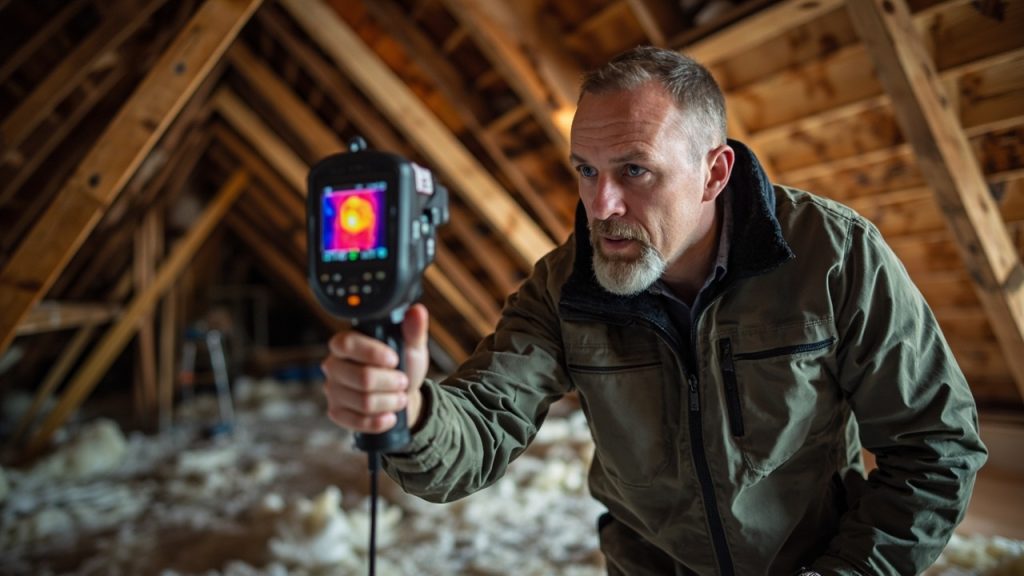
When our team arrives at a Kingwood home, we follow a rigorous protocol to ensure the attic is dried and restored correctly. The process begins with a comprehensive moisture inspection. We do not rely on visual cues alone. Our technicians use thermal imaging cameras to identify temperature differences that indicate trapped water behind walls or under insulation. We also use penetrating moisture meters to check the saturation levels of the wooden joists and rafters. This data allows us to create a customized drying plan for your specific home layout.
- Emergency Water Extraction and Tarping. We stop the water from continuing to enter the home by applying heavy-duty tarps to the roof and using industrial vacuums to remove standing water from the attic floor.
- Soggy Insulation Removal. Wet insulation loses its thermal properties and traps moisture against the wood. We remove all contaminated insulation to allow the structural components to breathe and dry.
- Controlled Demolition of Damaged Materials. If the ceiling drywall is sagging or crumbling, we remove the affected sections to prevent a collapse and to facilitate better airflow to the joists.
- Industrial Dehumidification and Air Moving. We deploy LGR dehumidifiers that are capable of removing gallons of moisture from the air every hour. High-velocity air movers are positioned to create a vortex of dry air that pulls moisture out of the porous wood.
- Antimicrobial Cleaning and Sanitization. Once the materials are dry, we apply EPA-approved solutions to the wood to prevent future mold growth and to eliminate any odors left behind by the water intrusion.

Restoration Timelines and Expectations
The time required to restore an attic depends on the volume of water and the materials involved. A minor leak that only affects a small area of fiberglass insulation may be resolved in a few days. However, a major storm event that involves structural damage and mold growth can take over a week to fully remediate. Below is a breakdown of the typical timelines we see in the Kingwood area for various types of attic water damage.
| Scenario Type | Materials Involved | Drying Time Frame | Primary Action Needed |
|---|---|---|---|
| HVAC Condensate Overflow | Drywall and Cellulose | 3 to 4 Days | Extraction and Dehumidification |
| Minor Roof Leak | Fiberglass and Plywood | 2 to 3 Days | Tarping and Spot Drying |
| Major Storm Intrusion | Structural Joists and Decking | 5 to 7 Days | Insulation Removal and Sanitization |
| Long-Term Slow Leak | Moldy Wood and Insulation | 7 to 10 Days | Mold Remediation and Replacement |
We monitor the drying progress every 24 hours. Our technicians record the moisture content of the wood and the relative humidity of the air. We do not remove the drying equipment until we have reached the dry standard for the specific material. This ensures that the wood is stable and will not warp or support mold growth after the project is complete. Our goal is to return your home to a pre-loss condition as quickly as possible while maintaining the highest standards of safety and quality.
Managing Insurance Claims for Attic Damage
Dealing with insurance companies in 2026 requires precise documentation and clear communication. Most homeowners insurance policies cover sudden and accidental water damage, such as a roof leak from a storm or a burst pipe. However, they may deny claims that they deem to be the result of poor maintenance. We help Kingwood residents navigate this process by providing detailed digital documentation of the damage. This includes high-resolution photos of the entry point, infrared scans showing the moisture spread, and a comprehensive list of all materials that were removed or repaired.
We use industry-standard software to create estimates that insurance adjusters recognize and trust. This transparency helps speed up the approval process and ensures that you receive the coverage you are entitled to. We also work directly with adjusters who are familiar with the specific challenges of Harris County homes. If you have questions about your coverage, we recommend reviewing your policy for clauses related to mold limits and roof replacement age. Our team can explain the technical aspects of the restoration to your insurance representative to ensure they understand the necessity of each step in the drying process.
The Risks of DIY Attic Cleanup
Many homeowners consider cleaning up an attic leak themselves to save money. In the Kingwood climate, this is often a dangerous and costly mistake. Without professional-grade dehumidifiers, it is impossible to pull deep-seated moisture out of the thick wooden rafters found in local homes. Domestic fans only dry the surface, leaving the interior of the wood damp. This leads to dry rot, which weakens the structural integrity of your roof over time. Furthermore, entering a wet attic poses a risk of electrical shock if water has come into contact with light fixtures or junction boxes.
| Action Factor | DIY Approach | Professional Mitigation |
|---|---|---|
| Detection Accuracy | Visual assessment only | Infrared and moisture meters |
| Equipment Quality | Standard household fans | Industrial LGR dehumidifiers |
| Mold Safety | High risk of spore spread | Containment and HEPA filtration |
| Documentation | Lacks proof for claims | Full digital reporting provided |
| Structural Integrity | Hidden moisture remains | Verified dry standard achieved |
Professional restoration teams have the training to navigate attic spaces safely. We use personal protective equipment to prevent the inhalation of mold spores and other contaminants. We also understand how to handle wet insulation without creating a mess in the living areas of your home. By hiring a professional, you ensure that the job is done correctly the first time, preventing expensive repairs and health issues down the road.
Long-Term Prevention and Maintenance Strategies
Preventing future attic water damage requires a proactive approach to home maintenance. In Kingwood, the large number of trees means that gutters can fill with needles and leaves in a matter of weeks. Clogged gutters cause water to back up under the roof shingles at the eave line, leading to rot and leaks. We recommend cleaning your gutters at least four times a year, especially after the oak trees drop their tassels in the spring. Trimming tree branches so they are at least ten feet away from your roofline will also prevent physical damage during high-wind events.
You should also inspect your attic vents and pipe boots annually. The Texas sun can cause the rubber seals on pipe boots to crack and perish. These small openings are the primary entry points for rainwater. If you notice any signs of moisture, such as rust on the nails in your attic or dark spots on the plywood, call for a professional inspection immediately. Addressing a small leak now can save you from a major restoration project in the future. Regular maintenance is the best way to protect your Kingwood home from the persistent moisture challenges of our local environment. If you find yourself facing an attic flood, contact our local experts to begin the recovery process today. We are available 24/7 to provide the rapid response and technical expertise needed to restore your home and your peace of mind.
Contact Kingwood Restoration Experts Immediately
Do not let a roof leak destroy your home structural integrity or ruin your indoor air quality. Our team is standing by to assist with emergency water extraction, structural drying, and professional mold remediation in Kingwood and surrounding Harris County neighborhoods. Call us now at 555-123-4567 or fill out our online contact form to schedule an immediate inspection. We work with all major insurance providers to ensure your attic is restored to the highest 2026 safety standards.
{
“@context”: “https://schema.org”,
“@type”: “BlogPosting”,
“headline”: “Dealing with Attic Water Damage from Leaky Roofs in Kingwood”,
“description”: “Learn how to manage attic water damage from leaky roofs in Kingwood. Expert restoration tips for Harris County homeowners dealing with storms in 2026.”,
“wordCount”: 2317,
“datePublished”: “2026-05-01T05:44:00.000Z”,
“dateModified”: “2026-05-01T05:44:00.000Z”,
“inLanguage”: “en-US”,
“mainEntityOfPage”: {
“@type”: “WebPage”,
“@id”: “https://silverlinewaterdamagerestorationhouston.com”
},
“publisher”: {
“@type”: “LocalBusiness”,
“name”: “Silverline Water Damage Restoration Houston”,
“url”: “https://silverlinewaterdamagerestorationhouston.com”
},
“author”: {
“@type”: “Organization”,
“name”: “Silverline Water Damage Restoration Houston”,
“url”: “https://silverlinewaterdamagerestorationhouston.com”
},
“image”: {
“@type”: “ImageObject”,
“url”: “https://silverlinewaterdamagerestorationhouston.com/wp-content/uploads/2026/03/dealing-with-attic-water-damage-from-leaky-roofs-i-1.jpg”
}
}
{
“@context”: “https://schema.org”,
“@type”: “LocalBusiness”,
“name”: “Silverline Water Damage Restoration Houston”,
“url”: “https://silverlinewaterdamagerestorationhouston.com”,
“address”: {
“@type”: “PostalAddress”,
“addressLocality”: “Houston”
},
“areaServed”: {
“@type”: “City”,
“name”: “Houston”
}
}
{
“@context”: “https://schema.org”,
“@type”: “BreadcrumbList”,
“itemListElement”: [
{
“@type”: “ListItem”,
“position”: 1,
“name”: “Home”,
“item”: “https://silverlinewaterdamagerestorationhouston.com”
},
{
“@type”: “ListItem”,
“position”: 2,
“name”: “Blog”,
“item”: “https://silverlinewaterdamagerestorationhouston.com/blog”
},
{
“@type”: “ListItem”,
“position”: 3,
“name”: “Dealing with Attic Water Damage from Leaky Roofs in Kingwood”
}
]
}
{
“@context”: “https://schema.org”,
“@type”: “Service”,
“serviceType”: “Water Damage Restoration”,
“provider”: {
“@type”: “LocalBusiness”,
“name”: “Silverline Water Damage Restoration Houston”,
“url”: “https://silverlinewaterdamagerestorationhouston.com”
},
“areaServed”: {
“@type”: “City”,
“name”: “Houston”
},
“description”: “Learn how to manage attic water damage from leaky roofs in Kingwood. Expert restoration tips for Harris County homeowners dealing with storms in 2026.”
}