
Finding standing water in your home creates an immediate sense of panic. Whether a pipe burst in your historic bungalow near 19th Street or White Oak Bayou overflowed during a recent storm, you need a plan. The Heights presents unique challenges for water extraction due to the specific architectural styles and the dense layout of the neighborhood. Residents in ZIP codes like 77007, 77008, and 77009 often face issues ranging from aging plumbing to foundation shifts in the local clay soil. When the water starts rising, your first move is to call for 24/7 emergency water removal to prevent long-term structural decay.
While you wait for a professional crew to arrive at your door in The Heights, there are specific steps you must take to protect your family and your property. Every minute that water sits on your floors, it migrates deeper into the subflooring and wall cavities. This is especially critical for the many pier and beam homes in our area where water can trap moisture in crawl spaces and lead to wood rot or mold growth.
Immediate Safety Steps Before Help Arrives
Your safety is more important than your furniture. Before you attempt any cleanup, ensure the environment is safe for you to enter. If the water level has reached electrical outlets, do not enter the room. Turn off the power at the main breaker if you can reach it safely without standing in water. Water and electricity are a lethal combination. If the source of the flood is a plumbing failure, locate your main water shut-off valve immediately and turn it clockwise until the flow stops.
Once you have secured the area, begin documenting the damage. Take clear photos and videos of every affected room. This evidence is vital for your insurance claims assistance process. Do not throw anything away yet. Even if a rug or a piece of furniture looks unsalvageable, the insurance adjuster needs to see it to provide proper compensation. If you have fans or a functioning HVAC system, turn them on to begin moving air, but only if the air is not contaminated by sewage.
The Importance of Local Expertise in The Heights
The Heights is not like other Houston suburbs. The historic nature of the homes here means that standard restoration techniques might not always apply. Many older homes feature original hardwood floor water damage risks that require specialized drying mats rather than just high-velocity fans. Our local soil, primarily composed of expansive clay, can also lead to foundation shifts when significant water intrusion occurs near the perimeter of the home. A technician who understands the geography of the Greater Heights area will know how to look for these specific issues.
When you call for help, ensure the company is IICRC certified. This certification ensures that the technicians follow the S500 standard for professional water damage restoration. In a high-humidity environment like Houston, simply sucking up the visible water is never enough. You must address the grains of moisture in the air to prevent secondary damage like visible mold growth on walls.
Key Differences in Restoration Equipment
Professional restoration involves more than just a shop vacuum. The equipment used by a local crew determines how quickly your home returns to a pre-loss condition. Below is a breakdown of the common tools used during emergency water removal in 2026.
| Equipment Type | Purpose in Restoration | Typical Time in Use |
|---|---|---|
| Submersible Pumps | Rapid removal of standing water over two inches deep | 1 to 4 hours |
| Industrial Air Movers | High-velocity airflow to evaporate moisture from surfaces | 3 to 5 days |
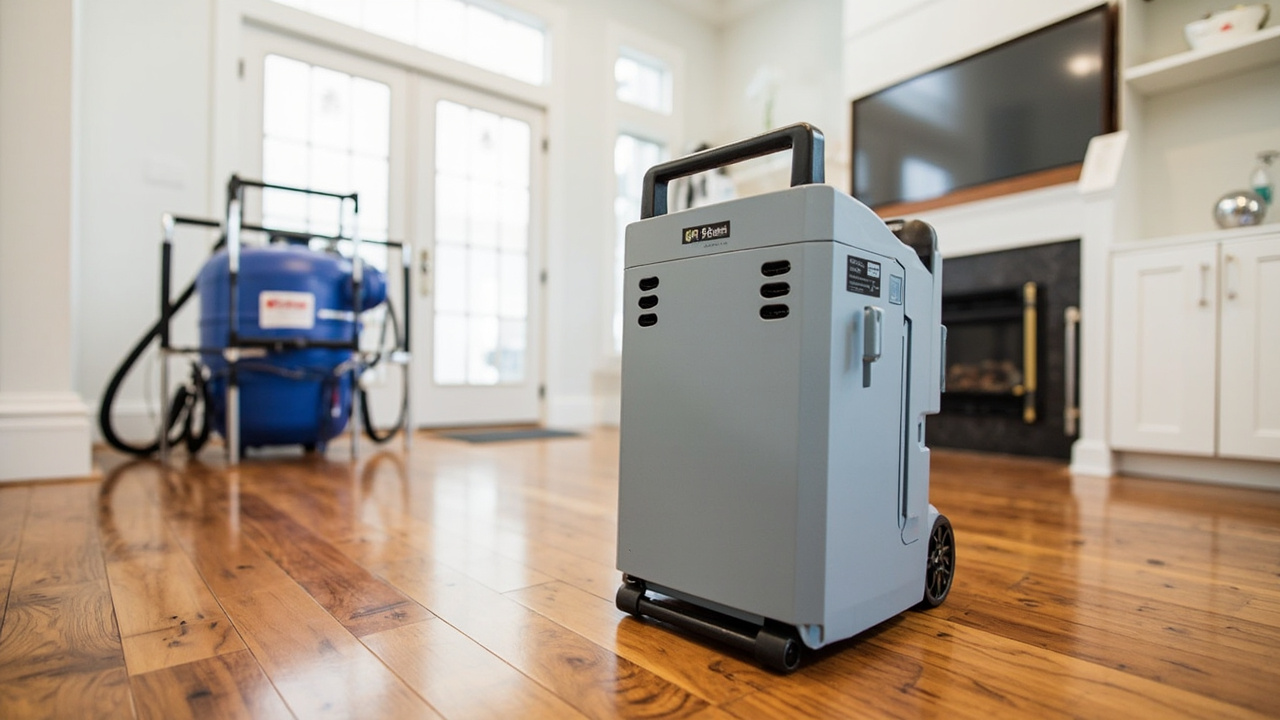
| LGR Dehumidifiers | Removing moisture from the air in high-humidity climates | 3 to 7 days |
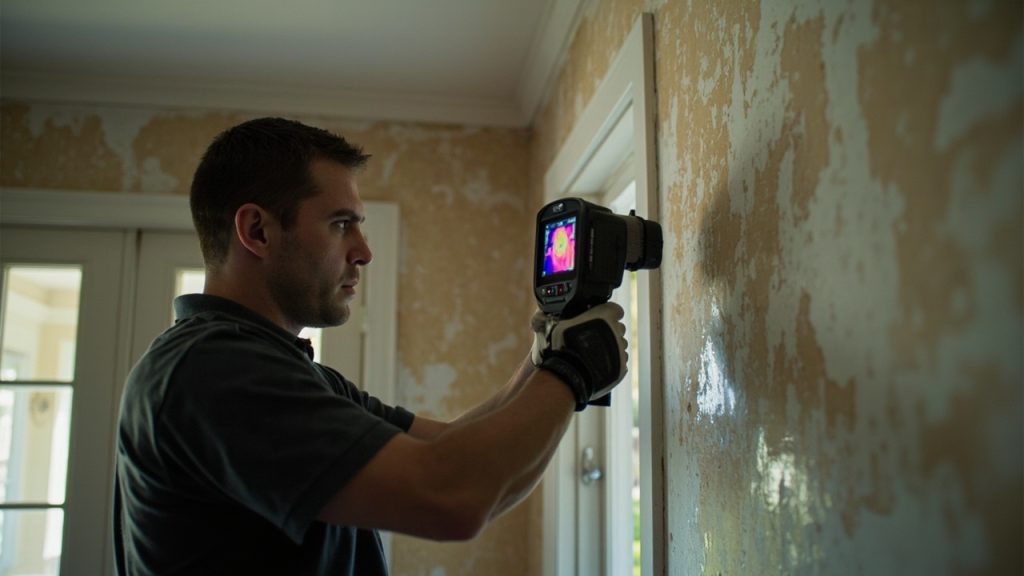
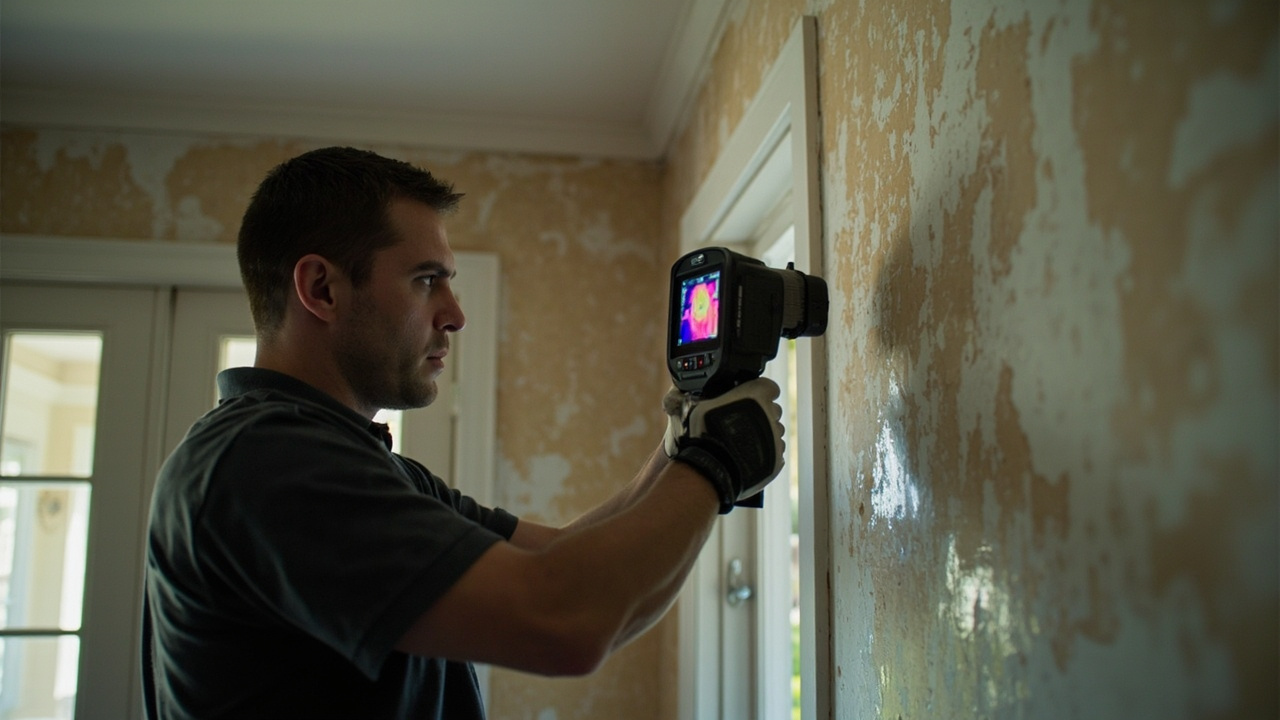
| Thermal Imaging Cameras | Identifying hidden pockets of water behind drywall | Initial inspection |
| In-Place Drying Mats | Salvaging high-value hardwood flooring without removal | 48 to 72 hours |
The Three Categories of Water Contamination
Not all water is the same. Understanding the categories of water is essential for determining the cleaning protocols needed for your home. If a supply line to your sink bursts, that is clean water. However, if White Oak Bayou overflows and enters your living room, that water is highly contaminated and poses significant health risks. According to the Environmental Protection Agency, floodwater can carry bacteria, chemicals, and sewage that require professional-grade sanitization.
- Category 1 (Clean Water): Source is a clean supply line or falling rainwater.
- Category 2 (Gray Water): Source contains some contaminants, such as a washing machine overflow or dishwasher leak.
- Category 3 (Black Water): Highly contaminated water from sewage backups or outdoor flooding.
If you are dealing with a Category 3 situation, do not attempt a DIY cleanup. You risk exposure to pathogens that can cause serious illness. Our team specialized in sewage backup cleanup uses antimicrobial treatments to ensure your home is biologically safe after the drying process is complete.
Critical Drying Timeframes for Heights Homes
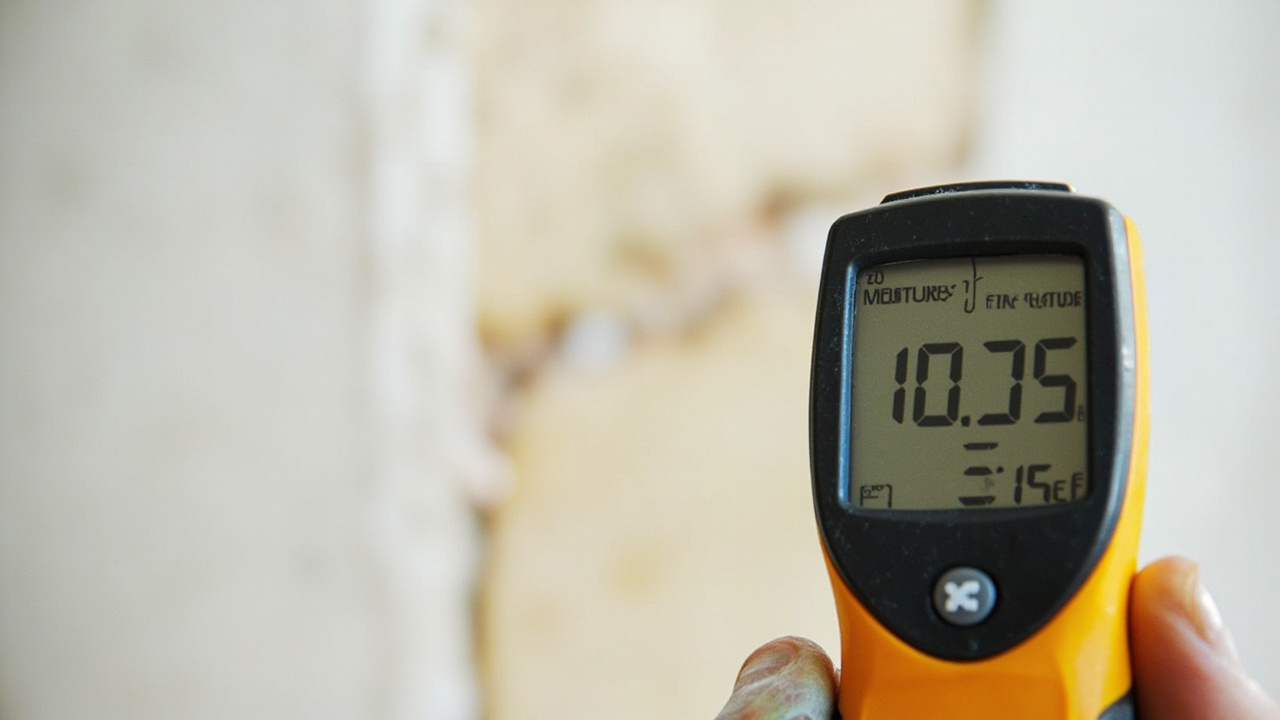
The first 24 to 48 hours are the most critical. This is the window where mold spores begin to colonize. In the 2026 Houston climate, the high heat and humidity accelerate this process. If your home has soggy insulation, it must be removed quickly because it acts as a sponge, holding moisture against your wooden wall studs. We use hidden moisture detection tools to ensure the interior of the walls is dry before we even think about closing them back up with new drywall.
| Material Type | Standard Drying Goal | Risk if Not Dried Quickly |
|---|---|---|
| Drywall | Less than 12 percent moisture content | Structural crumbling and black mold |
| Hardwood Floors | Within 2 to 4 percent of dry standard | Cupping, buckling, and permanent warping |
| Carpet and Padding | Completely dry within 24 hours | Odor, delamination, and bacterial growth |
| Concrete Slabs | Match original baseline levels | Efflorescence and adhesive failure for new flooring |
Managing Your Insurance Claim in Houston
Dealing with insurance adjusters can be as stressful as the flood itself. Many homeowners in The Heights have separate policies for flood insurance and standard hazard insurance. Knowing which policy covers what is vital. For example, a burst pipe water damage event is usually covered by a standard homeowner policy. However, water entering from the ground up during a storm typically requires a flood policy through the NFIP or a private carrier.
A professional restoration company should provide you with a comprehensive digital folder containing all moisture readings, thermal images, and itemized equipment logs. This documentation proves the necessity of the work performed. Without it, insurance companies might try to deny portions of your claim. We recommend choosing a partner that offers water damage restoration services that include direct billing to insurance companies to reduce your out-of-pocket burden.
Preventing Future Water Damage in Your Home
After your home is dry and restored, you should take steps to prevent a repeat event. In The Heights, this often means upgrading your plumbing or installing preventative measures. If you have a basement or a low crawl space, consider a sump pump failure cleanup plan that includes a battery backup for the pump. Regularly inspect your water heater, as a water heater burst cleanup can be incredibly destructive if the unit is located in an attic space.
Keep your gutters clear of debris from the many large oak trees in our neighborhood. Clogged gutters can cause water to pool at your foundation or overflow into your eaves, leading to attic water damage cleanup needs. Simple maintenance can save you thousands of dollars in restoration costs over the life of your home.
Why Professional Extraction is Better Than DIY
It is tempting to rent a few fans and try to handle the cleanup yourself. However, the risks of DIY water cleanup are significant. Household fans do not have the static pressure needed to pull moisture out of dense materials like wood or drywall. You might dry the surface, but the moisture remains trapped inside the structure. This leads to musty smells and odor removal issues that can linger for years. Professionals use psychrometry to calculate the exact number of dehumidifiers and air movers needed based on the cubic footage of the affected area and the specific materials involved.
If you see swollen baseboards and trim, the water has already moved into the wall cavity. At this point, professional intervention is the only way to save the structural integrity of your home. A team with 15 years of experience in the Houston area understands how the 2026 climate impacts drying times and will adjust their strategy to ensure your home is truly dry, not just dry on the surface.
When water strikes your property in The Heights, you need a rapid, local response from experts who know the neighborhood. From handling historic wood floors to navigating complex insurance claims, professional restoration provides the peace of mind you need during a crisis. If you are standing in water right now, stop reading and call for a professional inspection. The sooner the extraction begins, the more of your home can be saved.
For immediate assistance with any water emergency in The Heights or the surrounding Houston area, contact our team today. We provide full-service extraction, drying, and restoration to get your life back to normal quickly.
{
“@context”: “https://schema.org”,
“@type”: “BlogPosting”,
“headline”: “Who to Call for Emergency Water Removal in The Heights and What to Do While You Wait”,
“description”: “Fast emergency water removal in The Heights. Learn what to do immediately after a flood and who to call for 24/7 rapid response in Houston 77007 and 77008.”,
“wordCount”: 1524,
“datePublished”: “2026-02-06T06:56:00.000Z”,
“dateModified”: “2026-02-06T06:56:00.000Z”,
“inLanguage”: “en-US”,
“mainEntityOfPage”: {
“@type”: “WebPage”,
“@id”: “https://silverlinewaterdamagerestorationhouston.com”
},
“publisher”: {
“@type”: “LocalBusiness”,
“name”: “Silverline Water Damage Restoration Houston”,
“url”: “https://silverlinewaterdamagerestorationhouston.com”
},
“author”: {
“@type”: “Organization”,
“name”: “Silverline Water Damage Restoration Houston”,
“url”: “https://silverlinewaterdamagerestorationhouston.com”
},
“image”: {
“@type”: “ImageObject”,
“url”: “https://silverlinewaterdamagerestorationhouston.com/wp-content/uploads/2026/03/who-to-call-for-emergency-water-removal-in-the-hei-1.jpg”
}
}
{
“@context”: “https://schema.org”,
“@type”: “LocalBusiness”,
“name”: “Silverline Water Damage Restoration Houston”,
“url”: “https://silverlinewaterdamagerestorationhouston.com”,
“address”: {
“@type”: “PostalAddress”,
“addressLocality”: “Houston”
},
“areaServed”: {
“@type”: “City”,
“name”: “Houston”
}
}
{
“@context”: “https://schema.org”,
“@type”: “BreadcrumbList”,
“itemListElement”: [
{
“@type”: “ListItem”,
“position”: 1,
“name”: “Home”,
“item”: “https://silverlinewaterdamagerestorationhouston.com”
},
{
“@type”: “ListItem”,
“position”: 2,
“name”: “Blog”,
“item”: “https://silverlinewaterdamagerestorationhouston.com/blog”
},
{
“@type”: “ListItem”,
“position”: 3,
“name”: “Who to Call for Emergency Water Removal in The Heights and What to Do While You Wait”
}
]
}
{
“@context”: “https://schema.org”,
“@type”: “Service”,
“serviceType”: “Water Damage Restoration”,
“provider”: {
“@type”: “LocalBusiness”,
“name”: “Silverline Water Damage Restoration Houston”,
“url”: “https://silverlinewaterdamagerestorationhouston.com”
},
“areaServed”: {
“@type”: “City”,
“name”: “Houston”
},
“description”: “Fast emergency water removal in The Heights. Learn what to do immediately after a flood and who to call for 24/7 rapid response in Houston 77007 and 77008.”
}