





menu

Emergency Mold Containment in Houston – 24/7 Response Teams Dispatched in Under 60 Minutes

When mold spreads fast, you need immediate mold mitigation that stops contamination before it doubles. Silverline Water Damage Restoration Houston deploys certified technicians around the clock to isolate, contain, and protect your property from further damage.

Slider Image 1
Slider Image 2
Slider Image 3
Slider Image 4
Slider Image 5
Slider Image 7
Slider Image 8
Slider Image 9
Slider Image 10
Slider Image 11

Houston's Climate Turns Small Water Events Into Full-Scale Mold Emergencies

You smell it before you see it. That earthy, damp odor creeping through your walls after a pipe burst or roof leak. Houston's year-round humidity averages above 75 percent, which means mold spores colonize wet surfaces in as little as 24 to 48 hours. By the time you notice visible growth, the contamination has already spread into drywall, insulation, and HVAC systems.

Flooding from tropical storms and hurricanes compounds this problem. When water sits in crawl spaces or behind baseboards, the heat and moisture create ideal conditions for rapid mold proliferation. What started as a minor leak in Montrose or the Heights can escalate into a health hazard requiring urgent mold isolation and immediate structural intervention.

Mold does not wait. It spreads through air currents, infiltrates ductwork, and releases mycotoxins that compromise indoor air quality. Children, elderly residents, and anyone with respiratory conditions face heightened risk. You cannot solve this with bleach and a towel. Emergency mold abatement requires negative air pressure, HEPA filtration, and containment barriers that prevent cross-contamination.

Silverline Water Damage Restoration Houston understands the urgency. We deploy rapid mold containment services that stop the spread, remove contaminated materials, and restore safe air quality. Our technicians arrive with truck-mounted equipment, antimicrobial treatments, and the experience to handle mold crises in single-family homes and multi-unit properties across Greater Houston. When the clock is ticking, you need a team that moves faster than the mold.

Houston's Climate Turns Small Water Events Into Full-Scale Mold Emergencies
How Professional Mold Containment Stops Contamination at the Source

How Professional Mold Containment Stops Contamination at the Source

Emergency mold containment is not cleanup. It is a controlled demolition and isolation process designed to prevent spore migration while technicians remove contaminated materials. Silverline Water Damage Restoration Houston uses a four-layer protocol that treats mold like the biohazard it is.

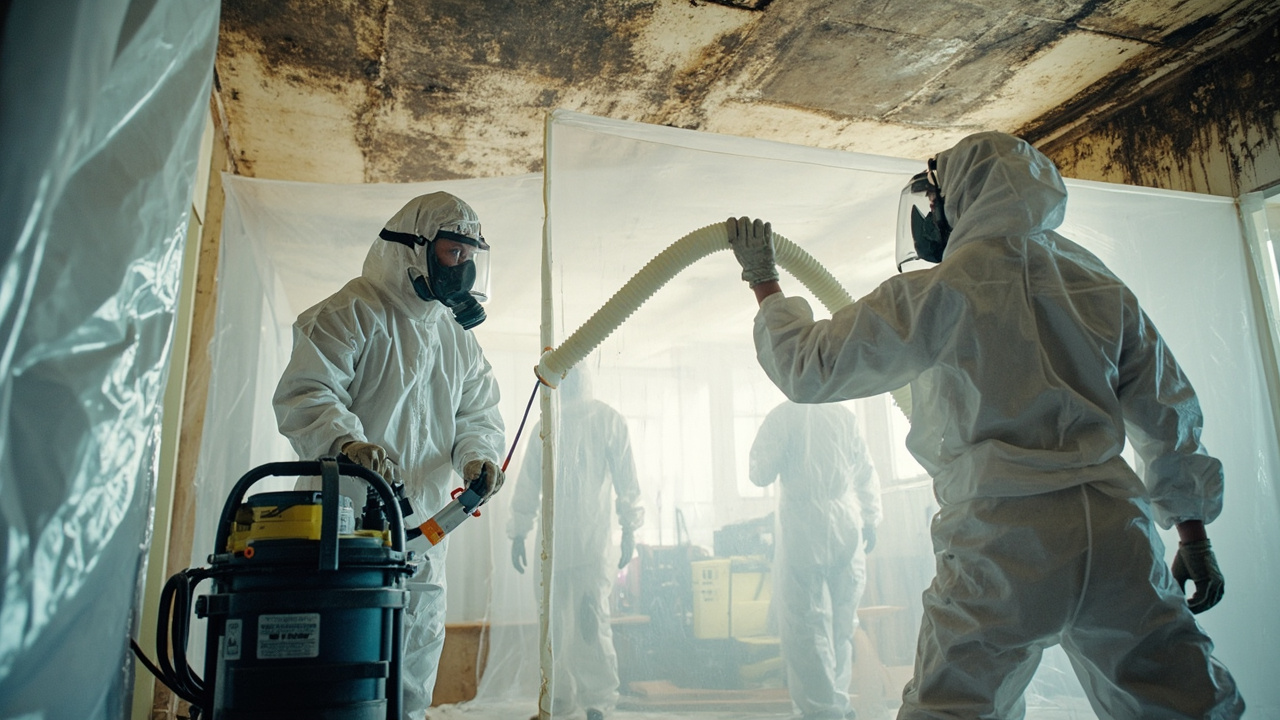
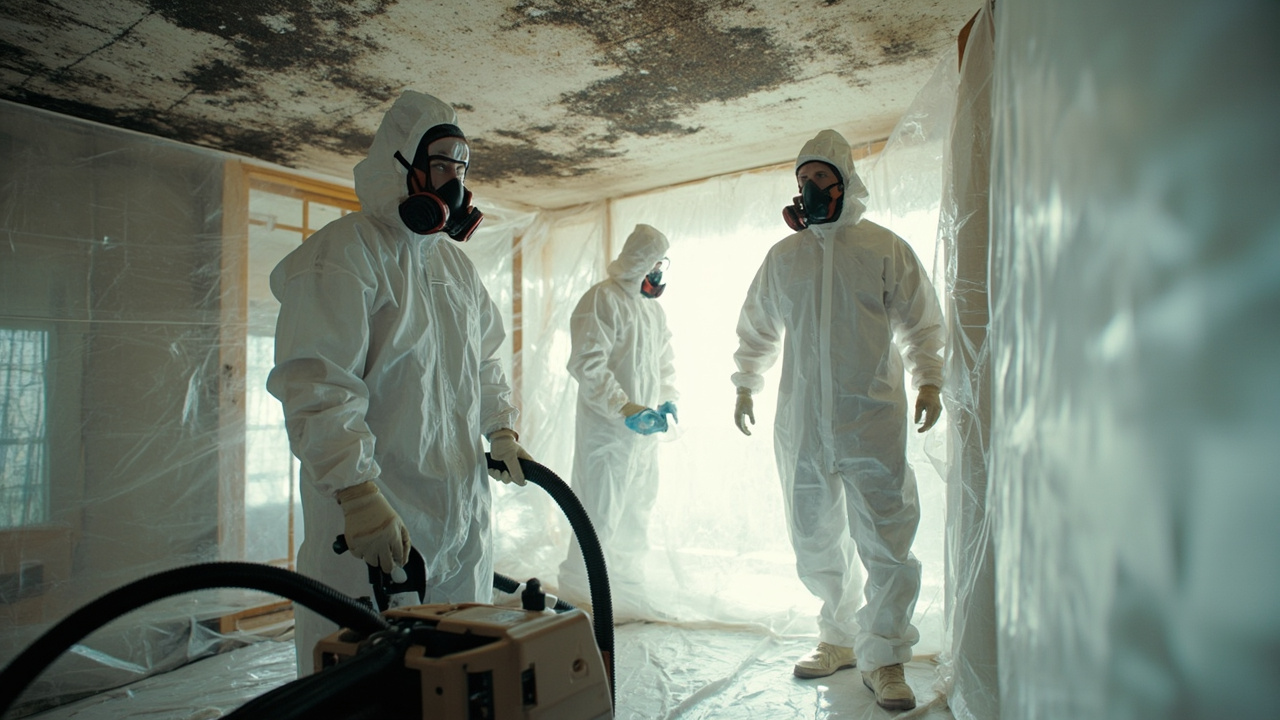
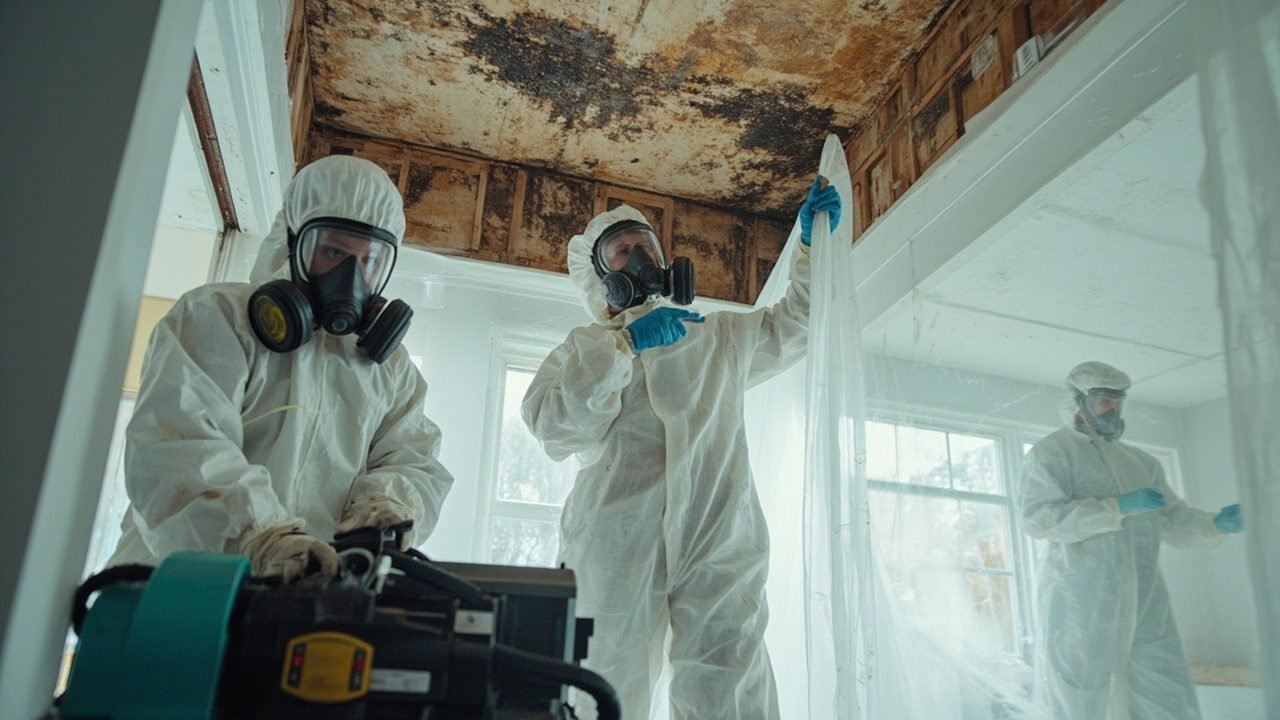
First, we establish physical containment barriers using polyethylene sheeting and zippered access points. This creates a sealed work zone that prevents airborne spores from traveling into unaffected rooms. Negative air machines with HEPA filters run continuously, pulling contaminated air out of the space and exhausting it outdoors. The pressure differential ensures air flows into the containment zone, not out of it.

Next, we remove all porous materials that absorbed moisture. Drywall, insulation, carpeting, and ceiling tiles cannot be saved once mold penetrates the surface. We bag and dispose of contaminated debris according to EPA guidelines, preventing recontamination during transport. Non-porous surfaces like metal studs and concrete get treated with antimicrobial solutions that kill residual spores.

Air scrubbing continues for 48 to 72 hours after demolition. This post-remediation phase captures lingering particulates and ensures spore counts drop to safe levels. We verify clearance using third-party air quality testing before removing containment barriers.

Our technicians coordinate with your insurance adjuster to document the scope of damage and justify the necessary work. We photograph affected areas, log moisture readings, and provide detailed estimates that align with industry standards. You get a clean, safe environment without the runaround. Houston's high humidity means mold will return if the underlying moisture issue is not fixed. We identify the source, whether it is a leaking supply line, poor attic ventilation, or foundation drainage problems, and refer you to the right specialist.

What Happens When You Call for Emergency Mold Containment

Emergency Mold Containment in Houston – 24/7 Response Teams Dispatched in Under 60 Minutes
01

Immediate Dispatch and Assessment

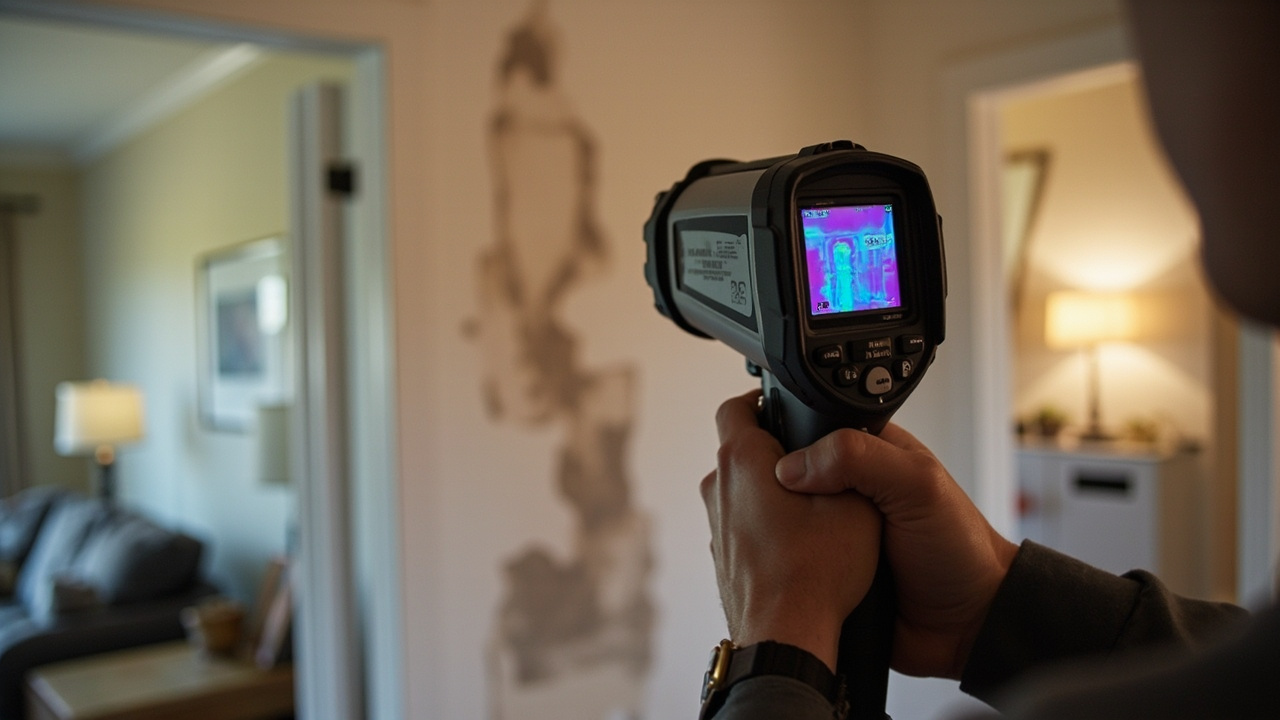
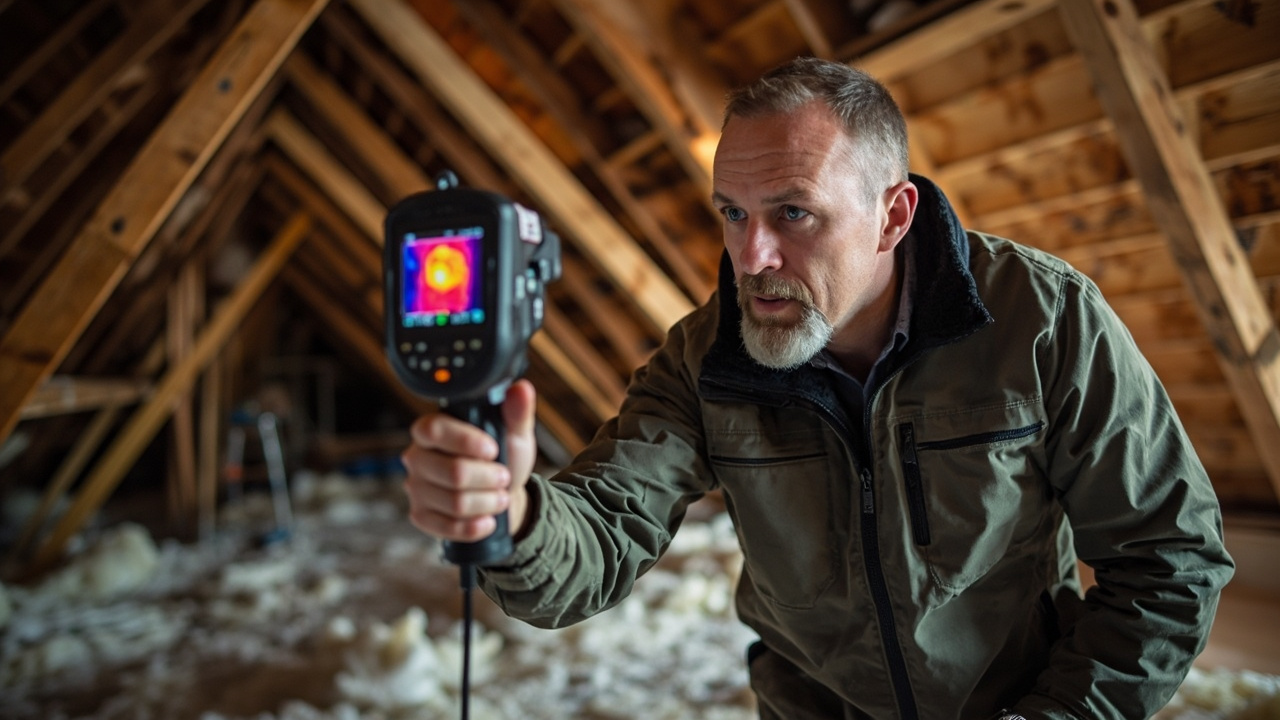
Our dispatch team confirms your location and sends the nearest crew, usually within 60 minutes. The lead technician conducts a walk-through using thermal imaging cameras and moisture meters to map the extent of contamination. You get a verbal scope of work on-site, including which rooms require containment and what materials need removal. No guessing, no delays.
02

Containment Setup and Demolition

Technicians install containment barriers, activate negative air machines, and begin controlled demolition of affected materials. Personal protective equipment includes respirators, gloves, and disposable suits to prevent exposure. We remove baseboards, drywall, and insulation in sections, bagging debris as we go. HEPA vacuums capture surface spores before materials are disturbed. This phase moves fast to minimize disruption.
03

Air Scrubbing and Clearance Testing

After demolition, air scrubbers run continuously to filter particulates and reduce spore counts. We treat all exposed surfaces with antimicrobial coatings to prevent regrowth. Once air quality stabilizes, we coordinate third-party testing to confirm the space is safe. You receive a clearance certificate and documentation for your insurance claim. Your home is ready for reconstruction, and the mold crisis is over.

Why Houston Property Owners Trust Silverline for Mold Emergencies

You need a team that understands Houston's building stock and climate challenges. Homes in neighborhoods like Bellaire and West University were built in the 1950s and 1960s, often with minimal vapor barriers and outdated plumbing. When those systems fail, mold spreads through wall cavities faster than in newer construction. Silverline Water Damage Restoration Houston has worked in every zip code across the metro, from historic districts to newer developments in Katy and Sugar Land.

Our technicians hold IICRC certifications in water damage restoration and applied microbial remediation. This training ensures we follow industry best practices for containment, disposal, and air quality verification. We do not cut corners or leave spores behind.

We also coordinate with local environmental consultants who conduct post-remediation testing. This third-party verification protects you and ensures the job meets insurance requirements. Your adjuster receives detailed photo documentation, moisture logs, and itemized estimates that justify every line item.

Houston's regulatory environment requires careful handling of demolition debris. We follow city waste disposal guidelines for contaminated materials, ensuring you do not face fines or violations. Our trucks are equipped with sealed containers that prevent spore release during transport.

Speed matters, but so does accuracy. We do not rip out more than necessary or recommend unnecessary treatments. Our assessments are based on moisture readings, visual inspection, and thermal imaging, not inflated scopes designed to pad invoices. You get honest answers and a clear plan.

When you call Silverline, you reach a live dispatcher, not an answering service. Our crews operate 24/7 because mold does not wait for business hours. We arrive prepared, work fast, and leave your property safer than we found it.

What to Expect During Emergency Mold Containment

Arrival Time and Initial Response

We dispatch teams within 60 minutes of your call, day or night. Technicians arrive with containment equipment, moisture meters, and personal protective gear. The initial assessment takes 30 to 45 minutes and includes thermal imaging to identify hidden moisture pockets. You receive a verbal scope of work and timeline before any demolition begins. We move fast, but we communicate every step so you understand what is happening and why.

How We Assess and Plan the Containment

Our lead technician uses moisture meters to measure water saturation in drywall, flooring, and insulation. Readings above 15 percent indicate active moisture that supports mold growth. We photograph affected areas and document which materials require removal versus treatment. The assessment includes identifying the moisture source, whether it is a plumbing leak, roof damage, or condensation issue. You get a written estimate that breaks down labor, disposal, and equipment costs, with no hidden fees or surprise charges.

The Final Outcome and Air Quality Verification

Once demolition and air scrubbing are complete, we coordinate third-party air quality testing to verify spore counts have returned to safe levels. You receive a clearance certificate that documents the space is ready for reconstruction. All contaminated materials are disposed of according to EPA and city regulations. Your property is clean, dry, and free of active mold growth. We provide detailed documentation for your insurance claim, including photos, moisture logs, and test results.

Post-Remediation Support and Follow-Up

Silverline does not disappear after the containment is finished. We provide referrals to trusted contractors for reconstruction and repairs. If moisture issues recur, we return to reassess at no charge within 30 days of project completion. Our team stays in contact with your insurance adjuster to ensure claims are processed smoothly. You also receive maintenance recommendations to prevent future mold growth, including ventilation improvements and humidity control strategies tailored to Houston's climate.

Frequently Asked Questions

You Have Questions,
We Have Answers

What is the proper containment for mold? +

Proper mold containment involves creating a sealed work zone using heavy-duty polyethylene sheeting to isolate the affected area from clean spaces. You need negative air pressure machines with HEPA filters to prevent spore migration. In Houston's humid climate, containment is critical because mold spreads fast. The process includes sealing HVAC vents, establishing decontamination chambers, and using air scrubbers. Professional containment follows IICRC S520 standards. This is not a DIY job. Houston homeowners dealing with mold need trained technicians who understand how Gulf Coast moisture amplifies contamination risks. Call a certified mold remediation specialist immediately to prevent further spread.

What plant removes 78% of airborne mold? +

The English ivy plant removes up to 78% of airborne mold spores in controlled studies. It absorbs mold particles through its leaves. However, relying on houseplants during a mold emergency in Houston is ineffective. Plants cannot replace professional containment and remediation. Houston's high humidity and frequent flooding require aggressive mold removal, not passive solutions. If you see visible mold or smell musty odors, you need immediate professional assessment. English ivy might help after remediation as a maintenance measure, but it will not solve an active contamination problem. Focus on professional removal first, prevention second.

Does FEMA pay for mold remediation? +

FEMA does not typically pay for mold remediation directly. However, if mold results from a federally declared disaster like Hurricane Harvey, you may qualify for FEMA assistance to repair the underlying water damage that caused the mold. Houston residents should document everything and apply quickly after disasters. FEMA focuses on making homes safe and habitable, which may include covering structural repairs. Your homeowners insurance should be your first resource. File claims immediately after water intrusion. If you face mold after a Houston flooding event, contact FEMA, your insurer, and a remediation specialist to explore all options.

Is mold an OSHA violation? +

Yes, mold can be an OSHA violation in workplace environments. OSHA does not have a specific mold standard, but employers must provide safe working conditions under the General Duty Clause. If mold exposure causes health risks, businesses in Houston must address it. This applies to offices, warehouses, and commercial properties across the Houston metro. Employers should conduct air quality testing and hire certified remediation professionals when mold appears. Ignoring mold puts employees at risk and creates liability. Houston business owners must act fast when mold is discovered to avoid citations, lawsuits, and worker complaints.

What kills mold spores instantly? +

No product kills mold spores instantly and completely. EPA-registered antimicrobial solutions and biocides work quickly, but surface treatment alone does not solve the problem. Houston homeowners must address the moisture source or mold returns. Bleach kills surface mold on non-porous materials but does not penetrate porous surfaces like drywall. Professional remediation uses HEPA vacuums, air scrubbers, and controlled removal to eliminate spores. Spraying chemicals without containment spreads spores throughout your home. In Houston's climate, you need source control and dehumidification. Contact a mold remediation specialist for safe, thorough removal instead of relying on store-bought sprays.

What are the first signs of mold sickness? +

First signs of mold sickness include persistent coughing, sneezing, throat irritation, watery eyes, and headaches. You may notice worsening allergies or respiratory symptoms when you are home. Houston residents with asthma or immune conditions face higher risks. Some people experience fatigue, skin rashes, or sinus congestion. If symptoms improve when you leave your house, mold exposure is likely. Black mold produces mycotoxins that cause severe reactions. Do not wait for symptoms to worsen. If you suspect mold in your Houston home, evacuate vulnerable family members and call a mold inspector immediately. Your health is not worth the risk.

What pulls mold out of the air? +

HEPA air scrubbers and negative air machines pull mold spores out of the air during remediation. These devices filter particles as small as 0.3 microns, trapping mold before it spreads. Houston's moisture encourages airborne spores, so mechanical filtration is critical during containment. Standard HVAC filters do not capture mold effectively. You need commercial-grade equipment running continuously during removal. Portable HEPA purifiers help post-remediation but cannot replace professional containment. If you smell mold or see growth, do not rely on a home air purifier. Contact a remediation company that uses industrial air scrubbers to protect your Houston property.

Is it true that English ivy absorbs mold? +

Yes, English ivy absorbs airborne mold spores and filters indoor air. Research shows it reduces mold particles in controlled environments. However, this is a passive, long-term solution that does not address active contamination. Houston homeowners facing mold growth need immediate professional intervention. English ivy cannot remove mold embedded in walls, ceilings, or HVAC systems. It works as a supplemental air cleaner after remediation, not a replacement for it. If you have visible mold or water damage, relying on plants delays proper treatment and allows contamination to spread. Call a certified mold specialist first, then consider ivy for ongoing air quality.

What plant does NASA use to clean air? +

NASA tested the peace lily, spider plant, and English ivy for air purification in space stations. The peace lily ranked high for removing toxins and mold spores. However, NASA studied sealed environments, not Houston homes with active mold problems. Houseplants improve air quality but cannot remediate contamination. If you face mold after flooding or humidity exposure in Houston, plants will not solve the issue. You need professional assessment, containment, and removal. Use plants as part of a long-term prevention strategy after remediation, paired with dehumidification and ventilation. Stop the mold first, then maintain clean air.

What to do if I can't afford mold removal? +

If you cannot afford full mold removal, start by controlling moisture immediately. Fix leaks, run dehumidifiers, and increase ventilation to stop mold growth. Many Houston homeowners insurance policies cover mold if it results from a covered peril like burst pipes. File a claim immediately. Some remediation companies offer financing or payment plans. You can also contact Houston housing assistance programs or nonprofits for help. For small areas under 10 square feet, you may handle it yourself using proper PPE and containment, but larger contamination requires professionals. Delaying treatment worsens damage and costs. Act now to prevent health risks and structural harm.

How Houston's Hurricane Season and Humidity Create Constant Mold Threats

Hurricane season runs from June through November, and even tropical storms that do not make landfall bring heavy rainfall that overwhelms drainage systems. Water intrusion from roof leaks, foundation seepage, and sewer backups creates ideal conditions for rapid mold colonization. Houston's average humidity stays above 75 percent year-round, which means wet materials do not dry on their own. Without immediate mold mitigation and 24/7 mold damage containment, spores multiply exponentially, turning a small leak into a full-scale contamination event that requires professional intervention.

Silverline Water Damage Restoration Houston has responded to mold emergencies in every major flood event over the past decade, from Memorial Day floods to Hurricane Harvey. We understand how the city's aging infrastructure, combined with rapid urban development, creates unique vulnerabilities. Our technicians are trained in Harris County building codes and work closely with local environmental consultants to ensure compliance. When you choose a local team, you get experts who know Houston's climate, construction methods, and regulatory requirements, not a national franchise that treats every job the same.
Water Damage Restoration Services in The Houston Area

Easily locate our service area and see how Silverline is strategically positioned to provide rapid water damage restoration services throughout Houston and its surrounding communities. Our commitment to prompt response means we're never far away when disaster strikes, ensuring your property gets the urgent care it needs, wherever you are within our service radius. We're here to serve you efficiently.

Address:
Silverline Water Damage Restoration Houston, 3730 Kirby Dr, Houston, TX, 77098

Additional Services We Offer

Our news updates

Latest Articles & News from The Blogs

Mold in New Construction Guide for Houston HomeownersFinding mold in a home that still smells like fresh paint is a…

Mold Prevention Strategies for Sunnyside New Builds After a Construction Leak

Mold in New Construction Guide for Houston HomeownersFinding mold in a home that still smells like fresh paint is a…

Tracking Down the Source of Water Stains Near Your Briargrove Fireplace (A Homeowner Guide)

A water stain appearing on the ceiling or wall near your Briargrove fireplace is a signal that your home is…

Why Professional Grade Air Movers Beat Home Fans for Drying Out Your Magnolia Park Property

Why Professional Grade Air Movers Beat Home Fans for Drying Out Your Magnolia Park PropertyHomeowners in Magnolia Park face unique…

Contact Us

Mold doubles in size every 24 to 48 hours. Do not wait. Call (832) 336-3663 right now for immediate dispatch. Our crews are standing by 24/7 to contain the damage, protect your health, and restore your property.