





menu

Categories of Water in Houston – Understanding IICRC Classifications to Protect Your Property

Learn how water contamination levels determine the correct restoration approach for your Houston home or business, from clean supply line breaks to sewage backups that threaten health and structural integrity.

Slider Image 1
Slider Image 2
Slider Image 3
Slider Image 4
Slider Image 5
Slider Image 7
Slider Image 8
Slider Image 9
Slider Image 10
Slider Image 11

Why Water Classification Matters in Houston Properties

Not all water damage is the same. The IICRC defines three water contamination levels that determine how your property should be restored, what materials can be saved, and what health risks you face. In Houston, where flooding from tropical storms, sewer backups during heavy rain, and high humidity create perfect conditions for rapid contamination escalation, understanding these categories of water protects your health and your wallet.

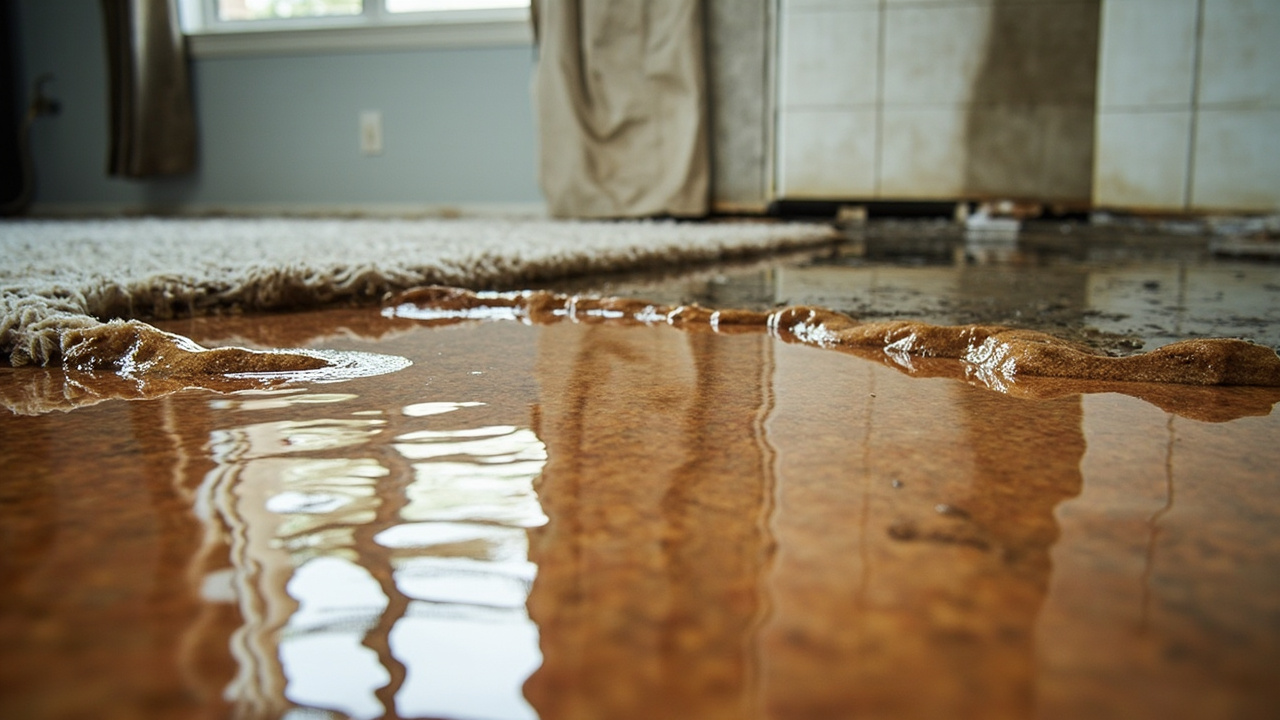
Category 1 is clean water from supply lines or rain. Category 2 is gray water containing contaminants like washing machine overflow or toilet bowl water without feces. Category 3 is black water, grossly contaminated with sewage, rising floodwater, or any standing water that has sat for more than 48 hours in Houston's heat and humidity.

The city's aging infrastructure in neighborhoods like the Heights and Montrose means older sewer lines crack under pressure during flooding events. Clay soil shifts foundations, breaking water lines inside walls. When Hurricane Harvey dumped 50 inches of rain, thousands of Houston properties experienced Category 3 contamination as storm surge mixed with sewage systems.

Water quality classifications change rapidly. Category 1 water sitting in your drywall for 72 hours in Houston's 90-degree heat becomes Category 2 or 3 as bacteria multiply. A clean supply line leak touching carpet or drywall contaminated with everyday dirt and skin cells elevates to Category 2 immediately. This is why professional assessment within the first 24 hours matters. You cannot see bacterial contamination. You cannot smell many toxins. Professional moisture meters and contamination testing reveal the true scope of risk.

Restoration companies without IICRC training treat all water the same, which either costs you more than necessary or exposes your family to hidden health risks.

Why Water Classification Matters in Houston Properties
How We Assess and Respond to Different Water Categories

How We Assess and Respond to Different Water Categories

When you call Silverline Water Damage Restoration Houston, we begin with contamination assessment before a single piece of equipment enters your property. We use calibrated moisture detection equipment and surface ATP testing to measure bacterial load. This determines the proper PPE our technicians wear, which materials get saved versus discarded, and what antimicrobial protocols we follow.

For Category 1 water damage, we focus on rapid extraction and drying to prevent elevation to Category 2. We set up air movers and dehumidifiers, monitor moisture levels in structural materials, and treat affected areas with antimicrobial solutions as a preventive measure. The goal is aggressive drying within 48 hours before bacterial growth starts.

Category 2 gray water requires more intensive protocols. We extract standing water immediately, remove porous materials like carpet padding and insulation that cannot be adequately cleaned, and apply EPA-registered disinfectants to all affected surfaces. Non-porous materials like tile or sealed concrete get cleaned and sanitized. Wood framing gets dried and treated. We document moisture levels twice daily until readings return to normal.

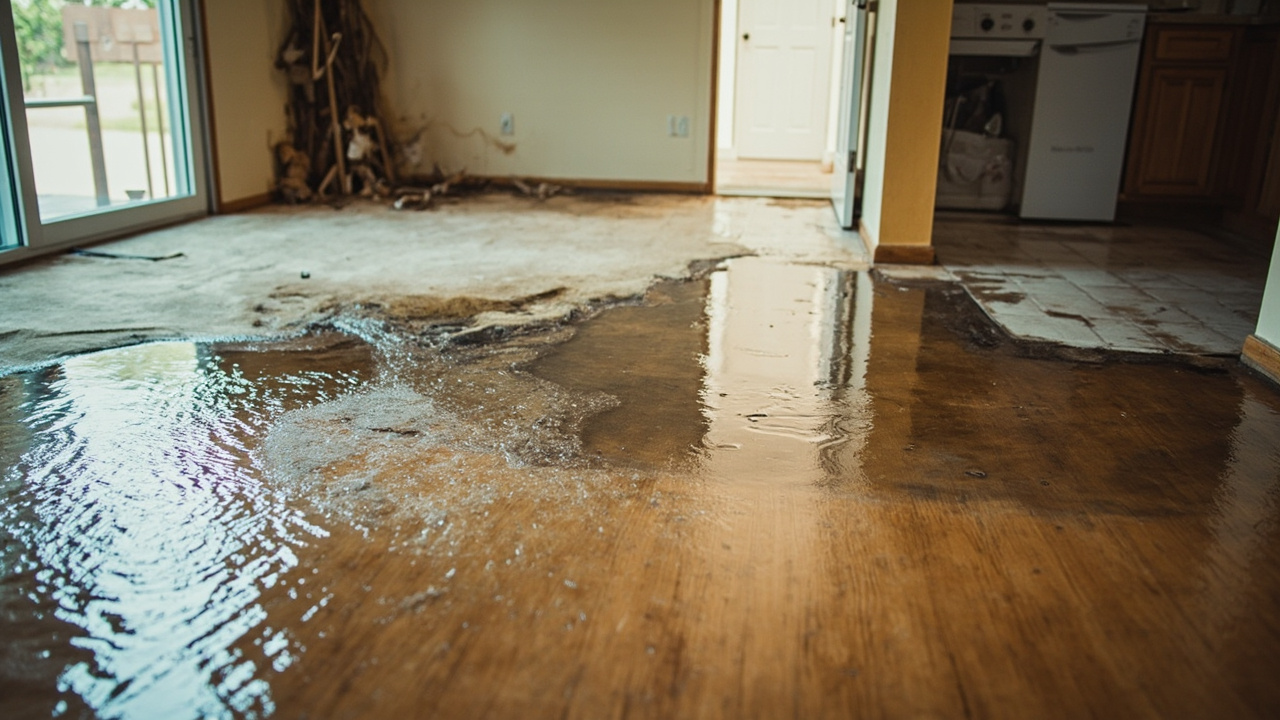
Category 3 black water demands full containment and removal of all porous materials. Drywall that touched contaminated water gets cut out one foot above the water line. Carpet and padding go to the dumpster. Wood that absorbed sewage or floodwater gets removed. We establish negative air pressure containment to prevent airborne contaminants from spreading. Our technicians wear respirators, gloves, and protective suits. After removal, we treat all surfaces with hospital-grade disinfectants and verify successful decontamination before reconstruction begins.

Houston's climate accelerates every stage of water damage. What might take four days to become a mold problem in Denver happens in 36 hours here. We account for this in every timeline and treatment plan.

What Happens During Your Water Category Assessment

Categories of Water in Houston – Understanding IICRC Classifications to Protect Your Property
01

Initial Source Identification

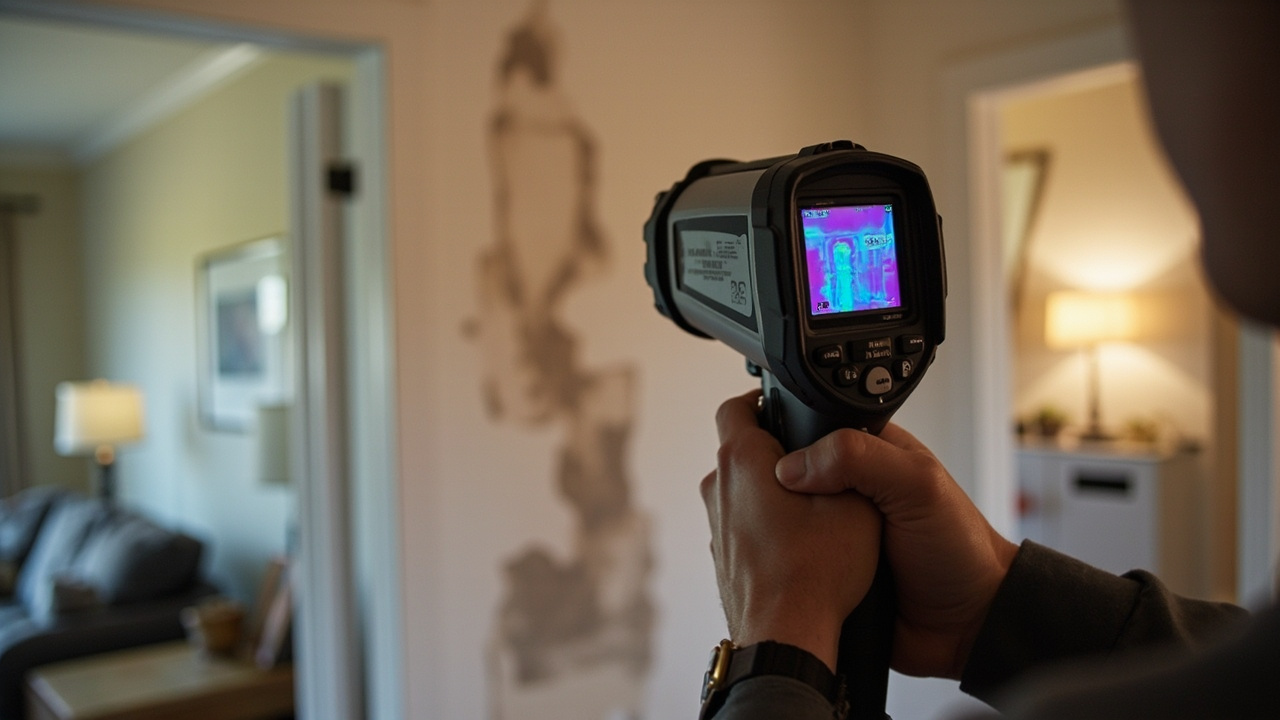
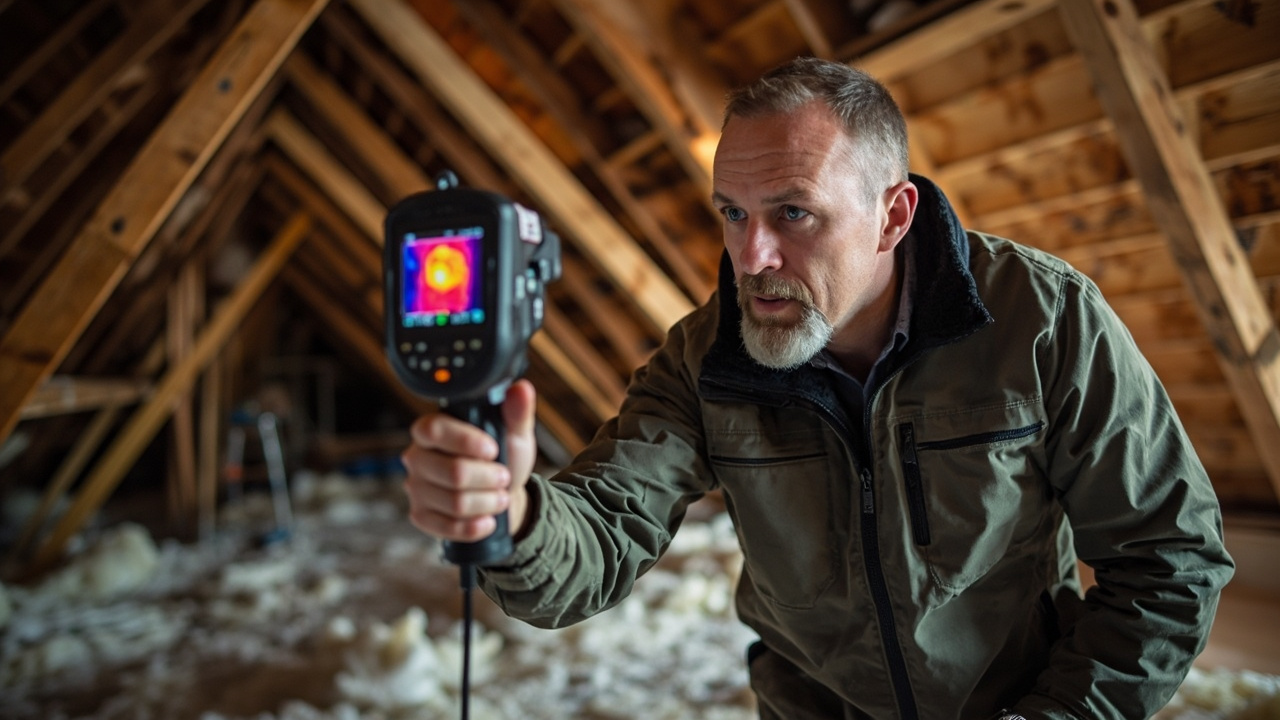
We locate the water source and determine the initial category of water contamination. A broken water heater produces Category 1 water, but if it flooded a bathroom or laundry room, contact with dirt or cleaning chemicals may elevate it immediately. We trace water migration patterns through walls and floors using thermal imaging cameras that reveal hidden moisture pockets you cannot see. This prevents assuming clean water when contamination exists.
02

Contamination Testing and Classification

We test affected materials for moisture content and microbial contamination levels. Our ATP meters measure biological activity on surfaces. Moisture meters penetrate drywall, wood, and concrete to map saturation depth. We document these readings room by room, creating a contamination map that guides our treatment plan. If standing water has been present for more than 48 hours in Houston's heat, we automatically classify it as Category 3 regardless of the original source.
03

Protocol Assignment and Documentation

Based on confirmed water contamination levels, we assign the appropriate IICRC restoration protocol and document it for your insurance claim. You receive a written assessment explaining which category of water affected your property, why we classified it that way, what materials require removal versus cleaning, and the expected timeline for safe restoration. This transparency prevents disputes with insurance adjusters and ensures you understand exactly what type of damage occurred.

Why Houston Properties Need Certified Water Category Assessment

The difference between correct and incorrect water classification determines whether your family gets sick, whether mold colonizes your walls in three months, and whether your insurance claim gets paid properly. Houston's unique risk factors make professional assessment non-negotiable.

Our technicians hold IICRC Water Restoration Technician certifications, which means they understand the science of contamination, not just the mechanics of drying. They know that Houston's average indoor humidity of 60 percent means structural materials never fully dry without mechanical dehumidification. They understand that the city's combined sewer system in older neighborhoods means any street flooding likely contains sewage contamination, even if the water looks clear.

We work directly with adjusters from every major insurance carrier operating in Houston. When we classify water damage as Category 3, we provide the documentation and testing results that support that classification. This prevents the common scenario where an adjuster tries to downgrade sewage contamination to gray water to reduce payout, leaving you paying out of pocket for proper remediation.

Local knowledge matters. We know that properties in Meyerland and Bellaire flood differently than homes in the Energy Corridor or Kingwood. We know which neighborhoods have old cast iron sewer lines prone to backups and which areas sit in FEMA flood zones where Category 3 contamination happens annually. This context informs our assessment and gives you realistic expectations about future risk.

We also understand Houston building codes regarding water damage. The city requires specific permits for reconstruction after Category 3 contamination. We coordinate these permits as part of our service, preventing the headache of failed inspections or stop-work orders that delay your return home.

Choosing a restoration company without IICRC certification or local Houston experience means gambling with contamination protocols that protect your health.

What to Expect During Water Category Remediation

Response Time and Initial Assessment

We arrive within 60 minutes for emergency water damage in the greater Houston metro area. Our first technician on site performs immediate water source shutoff if needed, documents the scene with photos and moisture readings, and provides you with a preliminary verbal assessment of the water category. Within four hours, you receive a written scope of work detailing the classification, required remediation steps, and estimated timeline. For Category 1 damage caught early, full drying takes three to five days. Category 2 requires five to seven days for proper cleaning and drying. Category 3 remediation takes seven to fourteen days depending on the extent of contamination and material removal required.

Testing and Verification Process

We test moisture levels twice daily during active drying and document the results in a log provided to you and your insurance company. For Category 2 and Category 3 water, we perform post-remediation verification testing to confirm successful decontamination. This includes surface ATP testing for bacterial presence and final moisture readings proving all structural materials have returned to normal dry standards. You receive copies of all test results. If any area fails verification testing, we retreat it at no additional cost until readings meet IICRC standards for safe occupancy. This documentation becomes critical if you ever sell your Houston property, as disclosure laws require reporting previous water damage.

Material Removal and Disposal Standards

Category 3 contamination requires removal of all porous materials that contacted the water. We follow EPA guidelines for safe handling and disposal of contaminated materials. Affected contents go into sealed bags before transport to prevent cross-contamination. We establish physical barriers using plastic sheeting to isolate work zones from clean areas of your home. HEPA air scrubbers run continuously during demolition to capture airborne particles. All removed materials go directly into covered dumpsters, not piled in your yard where children or pets could contact them. After material removal, we fog affected areas with hospital-grade disinfectant and allow proper dwell time before reconstruction begins. You receive documentation of disposal that satisfies insurance requirements and local waste management regulations.

Post-Restoration Monitoring and Prevention

After completing water damage restoration, we provide you with a final moisture map showing all tested areas returned to normal readings. We also identify the root cause of water intrusion and recommend corrections to prevent recurrence. This might include regrading soil away from your foundation, installing a sump pump in properties prone to street flooding, or replacing old galvanized plumbing. We return for a 30-day post-restoration inspection to verify no hidden moisture pockets developed and no mold growth appeared. This follow-up visit includes complimentary moisture testing of previously affected areas. If you experience any concerning odors or visible signs of mold within 90 days of our work, we return for complimentary assessment to determine if it relates to the original water damage event.

Frequently Asked Questions

You Have Questions,
We Have Answers

What are the 5 types of water? +

In water damage restoration, professionals classify water into three main categories, not five. Category 1 is clean water from supply lines or rainfall. Category 2 is gray water from washing machines, dishwashers, or toilet overflows without feces. Category 3 is black water containing sewage, bacteria, or floodwater. Houston homes face all three categories, especially during hurricane season when floodwaters mix with sewer systems. Understanding these categories helps you communicate risk to your insurance adjuster and guides the cleanup approach. Each category requires different safety protocols and extraction methods to protect your family.

What is category 1, 2, and 3 water? +

Category 1 water comes from sanitary sources like broken supply lines, faucets, or rainwater before it contacts building materials. Category 2 water contains contaminants like detergents or urine from washing machines, dishwashers, or toilet bowls without feces. Category 3 water is grossly contaminated with sewage, bacteria, chemicals, or floodwater. In Houston, Category 1 water can degrade to Category 2 within 48 hours in our humid climate, then to Category 3 after prolonged exposure. This progression happens faster here than in drier climates, making immediate response critical for minimizing health risks and damage.

What are the three categories of water? +

The three water damage categories are clean, gray, and black water. Clean water (Category 1) poses no immediate health threat and comes from sanitary sources. Gray water (Category 2) contains biological or chemical contaminants that can cause discomfort or illness. Black water (Category 3) is grossly unsanitary and contains pathogens from sewage or floodwater. Houston residents encounter all three types, but tropical storms and aging infrastructure make Category 3 exposures common. Each category demands specific extraction equipment, protective gear, and disposal methods. Proper identification protects your family from exposure to harmful microorganisms and guides insurance documentation.

What is category 3 water? +

Category 3 water is grossly contaminated water containing harmful bacteria, fungi, viruses, or toxic chemicals. Sources include sewage backups, rising floodwater from rivers or bayous, toilet overflows with feces, and standing water that has promoted microbial growth. In Houston, Category 3 water is common during tropical storms when Buffalo Bayou or Brays Bayou overflow, mixing stormwater with sewer systems. This water requires immediate professional extraction using full PPE, antimicrobial treatment, and often disposal of porous materials like drywall and carpet. You should never attempt Category 3 cleanup yourself due to serious health risks from pathogen exposure.

What are the 7 types of water? +

Water damage restoration recognizes three categories, not seven types. These categories are Category 1 (clean water from sanitary sources), Category 2 (gray water with contaminants), and Category 3 (black water with sewage or pathogens). You may be thinking of water sources rather than categories. Common sources in Houston include supply line breaks, AC condensate leaks, washing machine overflows, sewer backups, and storm flooding from the Gulf Coast. The category system helps restoration professionals assess health risks and determine appropriate safety protocols. Focus on the three categories when discussing water damage with your insurance company or restoration contractor.

What are the 10 forms of water? +

Water exists in three physical forms (solid ice, liquid water, and water vapor), but water damage restoration uses a three-category classification system rather than ten forms. The industry standard focuses on contamination level, not physical state. Category 1 is clean water, Category 2 is gray water, and Category 3 is black water. Houston homeowners should understand these three categories because they determine cleanup costs, health risks, and insurance coverage. Your restoration team assesses which category affected your property, then applies appropriate extraction methods, antimicrobial treatments, and safety protocols. This classification protects you from exposure to harmful contaminants common in Gulf Coast flooding.

How Houston Flooding and Humidity Affect Water Category Classification

Houston sits in a coastal floodplain with clay soil that does not absorb water quickly, an aging combined sewer system, and average relative humidity above 75 percent year-round. These factors mean water damage escalates faster here than in arid or well-drained cities. Clean water from a broken pipe becomes Category 2 within hours as it absorbs contaminants from carpet, drywall dust, and organic debris. Any floodwater entering your home from the street likely qualifies as Category 3 because Houston storm drains carry sewage overflow during heavy rain events. Properties in Meyerland, Braeswood, Kingwood, and areas near Buffalo Bayou face recurring flood risk where proper water classification determines whether restoration is safe or whether mold colonizes your walls within weeks.

Silverline Water Damage Restoration Houston maintains relationships with local insurance adjusters, building inspectors, and environmental testing labs that understand Houston-specific water damage risks. We document contamination according to standards that satisfy both IICRC protocols and local building code requirements for reconstruction permits. Our technicians know which Houston neighborhoods have combined sewer systems, where flood zones create elevated Category 3 risk, and how Harris County regulations affect demolition and disposal of contaminated materials. This local expertise prevents the common mistakes that out-of-town restoration franchises make when treating Houston water damage like it happens in Phoenix or Denver. Climate matters. Soil matters. Infrastructure age matters. We account for all of it.
Water Damage Restoration Services in The Houston Area

Easily locate our service area and see how Silverline is strategically positioned to provide rapid water damage restoration services throughout Houston and its surrounding communities. Our commitment to prompt response means we're never far away when disaster strikes, ensuring your property gets the urgent care it needs, wherever you are within our service radius. We're here to serve you efficiently.

Address:
Silverline Water Damage Restoration Houston, 3730 Kirby Dr, Houston, TX, 77098

Additional Services We Offer

Our news updates

Latest Articles & News from The Blogs

Dealing with Attic Water Damage from Leaky Roofs in KingwoodHomeowners in the Kingwood area face significant moisture challenges due to…

Dealing with Attic Water Damage from Leaky Roofs in Kingwood

Dealing with Attic Water Damage from Leaky Roofs in KingwoodHomeowners in the Kingwood area face significant moisture challenges due to…

Why a Home Dehumidifier Cannot Save Your Third Ward Living Room from Water Damage

Why a Home Dehumidifier Cannot Save Your Third Ward Living Room from Water DamageYour Third Ward home faces unique challenges…

Planning Your Tropical Storm Recovery Strategy for League City and Bay Area Residences

Planning Your Tropical Storm Recovery Strategy for League City and Bay Area Residences Living in the Houston Bay Area during…

Contact Us

Do not guess about water contamination levels in your Houston property. Call Silverline Water Damage Restoration Houston at (832) 336-3663 for certified IICRC assessment within 60 minutes. We provide immediate classification, detailed documentation for insurance claims, and contamination protocols that protect your health and your investment.