





menu

Black Mold Symptoms in Houston – Expert Diagnosis and Health Risk Assessment

Silverline Water Damage Restoration Houston identifies black mold symptoms fast, connects toxic exposure to your specific health complaints, and stops stachybotrys chartarum from spreading in your Gulf Coast property.

Slider Image 1
Slider Image 2
Slider Image 3
Slider Image 4
Slider Image 5
Slider Image 7
Slider Image 8
Slider Image 9
Slider Image 10
Slider Image 11

Houston's Humidity Creates the Perfect Environment for Toxic Mold

You wake up with a headache that won't quit. Your throat burns. Your kids cough all night. You assume allergies, but the symptoms never stop. That's not seasonal allergies. That's your body reacting to black mold exposure, and Houston's climate makes it worse.

This city averages 90 percent humidity from May through September. Your air conditioner runs nonstop, creating condensation inside walls and ductwork. Add in flooding from tropical storms, roof leaks from hurricane-force winds, and plumbing failures in older homes near the Heights or Montrose, and you have the perfect recipe for stachybotrys chartarum growth. This is the black mold that triggers serious health risks.

Signs of black mold exposure include persistent respiratory irritation, chronic fatigue, skin rashes, and cognitive fog. Toxic mold health effects escalate when spores colonize behind drywall, under flooring, or in HVAC systems. You breathe it in every day without knowing the source.

Black mold poisoning symptoms mimic other conditions, which is why Houston residents often ignore them. You treat the cough, not the cause. Meanwhile, stachybotrys chartarum symptoms worsen. Children, elderly family members, and anyone with asthma face the highest risk.

The Gulf Coast's warm, wet climate does not just support mold growth. It accelerates it. A small leak from a June thunderstorm can produce visible colonies within 48 hours. By the time you smell the musty odor, spores have already spread through your ventilation system. You need a diagnostic assessment, not guesswork.

Houston's Humidity Creates the Perfect Environment for Toxic Mold
How We Identify Mold Species and Trace the Moisture Source

How We Identify Mold Species and Trace the Moisture Source

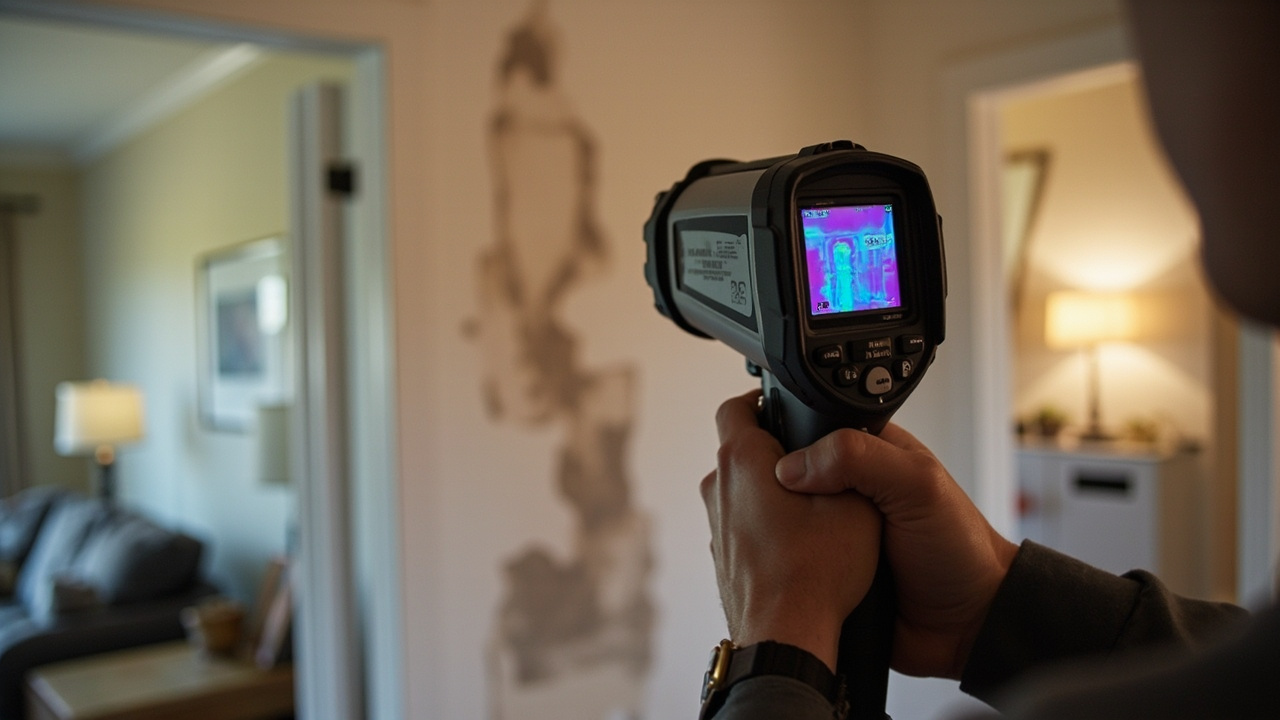
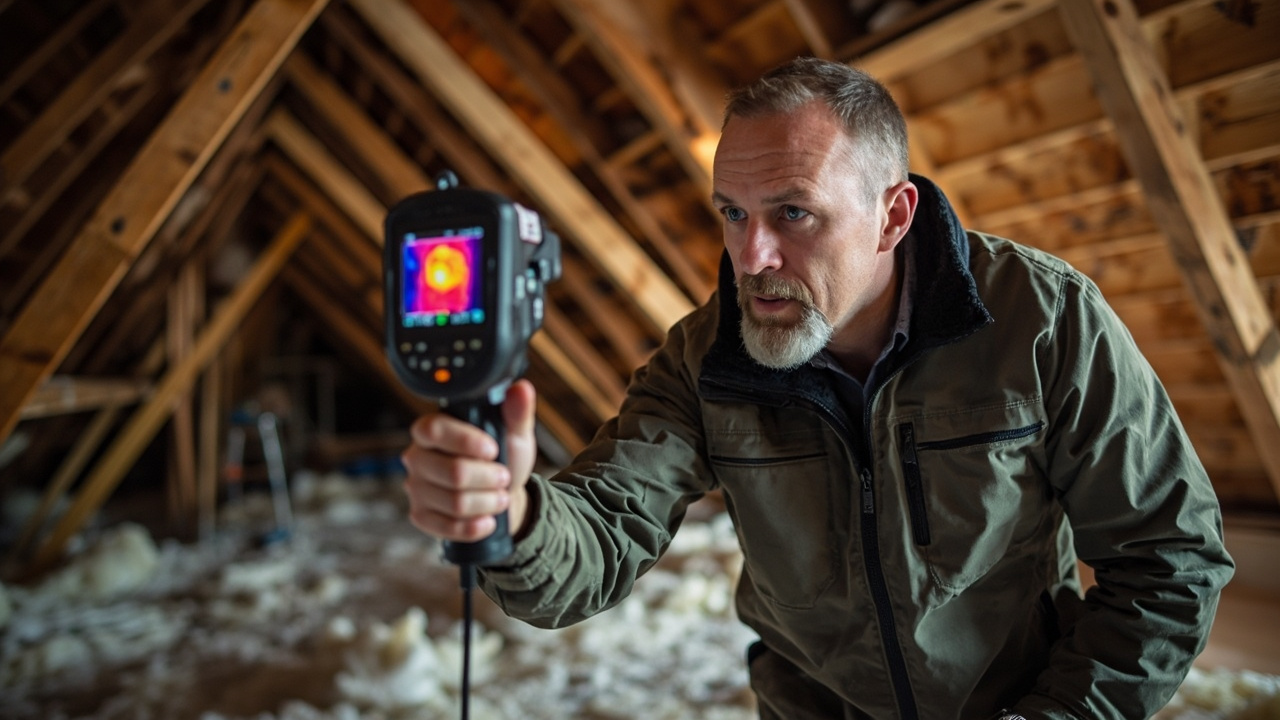
Silverline Water Damage Restoration Houston does not just spray bleach and call it fixed. We use moisture meters, thermal imaging cameras, and lab-tested air samples to confirm mold species and locate hidden water intrusion.

First, we map the moisture gradient. Black mold grows where relative humidity exceeds 60 percent and organic material is present. We check wall cavities, crawl spaces, attic sheathing, and the evaporator coil in your HVAC system. In Houston homes built on expansive clay soil, foundation shifts create hairline cracks that let groundwater seep into slab edges. That chronic dampness feeds mold colonies you cannot see.

Next, we take surface samples and air samples. Not all black-colored mold is stachybotrys chartarum. We send samples to a certified mycology lab to identify the exact species and spore concentration. This matters because toxic mold health effects vary by species. Stachybotrys produces mycotoxins that cause neurological symptoms and immune suppression. Other molds trigger allergic reactions but lack the same toxicity.

We also inspect your HVAC system. Condensation on ductwork and standing water in drip pans create mold reservoirs. Every time your system cycles, it aerosolizes spores throughout your home. We check filter housings, return plenums, and supply vents.

Once we confirm the species and source, we design a containment and remediation plan. We use negative air pressure chambers, HEPA filtration, and antimicrobial treatments specific to the contaminated material. We do not guess. We test, verify, and document every step for your insurance claim and your family's safety.

What Happens During a Black Mold Health Assessment

Black Mold Symptoms in Houston – Expert Diagnosis and Health Risk Assessment
01

Initial Symptom Review

We start by asking about your symptoms and timeline. When did the headaches start? Do symptoms improve when you leave the house? We correlate your health complaints with recent water damage events, like flooding from Hurricane Harvey remnants or a broken supply line. This helps us focus the inspection on the most likely contamination zones and rule out non-mold causes.
02

Moisture and Air Testing

We use infrared thermography to detect temperature differentials that indicate hidden moisture. We measure humidity levels in each room and compare them to outdoor conditions. Air samples capture spore counts and species distribution. Surface swabs confirm visible growth. This diagnostic phase takes 60 to 90 minutes and produces lab-verified data you can share with your physician or insurance adjuster.
03

Source Mitigation Plan

We deliver a written report that identifies the mold species, the moisture source, and the scope of contamination. You get a remediation plan with containment protocols, material removal requirements, and air clearance testing criteria. We explain which symptoms should resolve after remediation and when to seek medical follow-up. You know exactly what needs to happen to make your home safe again.

Why Houston Residents Trust Silverline for Mold Diagnosis

Houston's mold problem is not like other cities. You face tropical storm flooding, high humidity, and older housing stock with outdated vapor barriers. You need a team that understands how these factors combine to create toxic conditions.

Silverline Water Damage Restoration Houston works in neighborhoods from the Energy Corridor to Clear Lake. We know that homes near Buffalo Bayou flood during heavy rain. We know that pier-and-beam foundations in the Garden Oaks area trap moisture underneath. We know that high-rise condos in Uptown struggle with HVAC condensation because of poor duct insulation.

We also understand the health anxiety that comes with black mold exposure. You read articles about mycotoxins and immune damage. You worry about your children. You wonder if your symptoms are permanent. We take that seriously. We explain what we find, what it means, and what happens next. No scare tactics. No upselling. Just honest assessment and a clear plan.

Our technicians hold IICRC certifications in water damage restoration and applied microbial remediation. We follow ANSI/IICRC S520 standards for mold remediation and use third-party labs for all testing. You get documentation that meets insurance requirements and satisfies disclosure rules if you sell your home.

We also coordinate with your insurance adjuster. We provide photo evidence, moisture maps, and lab reports that support your claim. We know what Houston-area carriers require for mold coverage, and we document everything to reduce claim denials.

You are not just hiring a restoration company. You are hiring a local team that knows how Houston's climate, geography, and building methods create mold risk.

What to Expect When You Call Silverline

Same-Day Assessment Availability

We offer same-day inspections for suspected black mold exposure cases. You call in the morning, we arrive by afternoon. This matters because toxic mold health effects worsen with prolonged exposure. We prioritize households with children, elderly residents, or anyone showing respiratory distress. Our inspection takes 60 to 90 minutes. You get preliminary findings onsite and lab results within 48 to 72 hours, depending on the testing lab's schedule.

Comprehensive Diagnostic Testing

We do not rely on visual inspection alone. We use thermal imaging to detect hidden moisture, moisture meters to measure material saturation, and air sampling cassettes to capture spore counts. Surface samples confirm species identification. We check your HVAC system, crawl space, attic, and any areas with past water damage. You receive a written report with photos, lab results, and a moisture map. This documentation supports insurance claims and medical consultations.

Lab-Verified Results and Clear Reporting

We send samples to certified mycology labs that identify mold species and quantify spore concentrations. You get results that specify whether stachybotrys chartarum is present and at what levels. We explain what the numbers mean for your health and your home. If the lab finds non-toxic species, we tell you. If the lab confirms toxic mold, we outline the remediation scope. You make decisions based on data, not fear.

Post-Remediation Clearance Testing

After we remove contaminated materials and treat affected areas, we conduct clearance testing to confirm spore levels have returned to normal. We take new air samples and compare them to outdoor baseline levels. You get a clearance certificate that proves your home is safe. This documentation protects you during resale and gives you peace of mind that your family's exposure risk is eliminated. We do not consider the job complete until the lab confirms clearance.

Frequently Asked Questions

You Have Questions,
We Have Answers

What are the symptoms of black mold poisoning? +

Black mold poisoning symptoms include persistent coughing, wheezing, and shortness of breath. You may experience frequent headaches, fatigue, and difficulty concentrating. Skin irritation, watery eyes, and chronic sinus congestion are common. In Houston's humid climate, mold grows fast in poorly ventilated spaces, amplifying exposure risks. Some people develop nausea, dizziness, or memory problems with prolonged contact. Symptoms vary based on exposure duration and individual sensitivity. If you notice these signs alongside visible mold growth or musty odors in your home, seek medical attention and address the source immediately.

How long does it take to recover from mold toxicity? +

Recovery from mold toxicity depends on exposure severity and individual health. Mild cases may resolve within weeks after removing mold sources and improving indoor air quality. Moderate exposure can take months as your body eliminates mycotoxins. Severe or prolonged cases may require six months to over a year with medical supervision. Houston's high humidity can slow recovery if mold persists in your environment. Complete removal of contaminated materials, proper ventilation, and professional remediation are necessary. Medical detox support, dietary changes, and reducing re-exposure speed healing. Your immune system plays a key role in recovery time.

How to get rid of black mold in a house? +

Never attempt black mold removal yourself beyond small surface areas under ten square feet. For larger infestations common in Houston homes after flooding or roof leaks, hire certified remediation specialists. Professionals use containment barriers, HEPA air scrubbers, and antimicrobial treatments to eliminate mold safely. They identify hidden growth behind walls and under flooring caused by moisture intrusion. DIY bleach methods do not kill roots and can spread spores. Proper remediation includes fixing the moisture source, removing porous materials like drywall, and applying EPA-registered fungicides. Cutting corners risks health problems and recurring growth.

How do you know if you have mold poisoning? +

Mold poisoning symptoms mimic allergies or respiratory infections. Watch for chronic coughing, sinus congestion, and difficulty breathing that worsens at home. Unexplained fatigue, brain fog, and headaches are warning signs. Skin rashes, itchy eyes, and throat irritation occur with exposure. If symptoms improve when you leave your house and return indoors, suspect mold. Houston's moisture-heavy environment accelerates hidden mold growth in attics, crawl spaces, and AC ducts. Visible mold patches, musty odors, or water damage history confirm risk. A physician can order blood tests or urine mycotoxin panels to diagnose exposure definitively.

How to detox black mold from the body? +

Detoxing black mold from your body starts with eliminating exposure. Leave the contaminated environment immediately and hire professionals to remove mold sources. Increase water intake to flush mycotoxins through your kidneys. Eat anti-inflammatory foods like leafy greens, cruciferous vegetables, and foods rich in antioxidants. Some physicians recommend binders like activated charcoal or bentonite clay under supervision. Improve liver function with supplements like glutathione or milk thistle. Sweat therapy through exercise or saunas may help excrete toxins. In Houston's humid climate, ensure your living space stays dry and well-ventilated during recovery. Consult a physician familiar with mold toxicity.

How do I know if my black mold is toxic? +

Not all black mold is toxic, but Stachybotrys chartarum produces dangerous mycotoxins. You cannot identify toxic strains by appearance alone. Black mold appears dark greenish-black with a slimy texture when wet. It grows on cellulose materials like drywall, wood, and ceiling tiles after water damage. Houston homes with chronic leaks or poor ventilation create ideal conditions. Professional lab testing confirms toxicity by analyzing air or surface samples for mycotoxin presence. If you see black mold, treat it as hazardous regardless. Safe removal requires containment and protective equipment. Do not disturb it without professional guidance.

How do I test myself for mold toxicity? +

Testing for mold toxicity starts with a physician visit. Describe your symptoms and exposure history. Doctors can order urine mycotoxin tests that detect mold metabolites in your system. Blood tests measure antibodies or inflammatory markers indicating immune response to mold. Some practitioners use visual contrast sensitivity tests to assess neurological impact. Environmental testing of your Houston home identifies mold species and spore counts through air sampling or surface swabs. Combine medical testing with home inspection for accurate diagnosis. Not all doctors recognize mold illness, so seek practitioners experienced in environmental medicine or integrative health for proper evaluation.

Can mold poisoning be reversed? +

Mold poisoning can be reversed with proper treatment and mold removal. Most people recover fully after eliminating exposure and supporting detoxification. Early intervention produces better outcomes. Mild cases resolve quickly with clean air and basic supportive care. Chronic or severe exposure may cause lasting effects, especially in immune-compromised individuals. Complete recovery requires removing all mold from your Houston home and addressing moisture problems. Medical supervision helps manage symptoms and accelerate healing. Some people experience lingering sensitivity to molds even after recovery. The key is stopping further exposure immediately and giving your body time to heal with appropriate support.

Does black mold have a smell? +

Black mold produces a distinct musty, earthy smell often described as damp or stale. The odor comes from microbial volatile organic compounds released during mold growth. In Houston homes, this smell intensifies in humid, poorly ventilated areas like basements, crawl spaces, or bathrooms. The scent resembles rotting wood or wet cardboard. Not all mold smells the same, but a persistent musty odor indicates hidden growth even without visible signs. Trust your nose. If you smell mold, investigate immediately. Hidden mold behind walls or under flooring can release odors before you see staining or discoloration.

What kills black mold the fastest? +

Professional remediation kills black mold fastest and safest. Certified technicians use HEPA vacuums, antimicrobial agents, and containment systems to eliminate mold without spreading spores. They remove contaminated materials and treat surfaces with EPA-registered fungicides. For small surface mold under ten square feet, hydrogen peroxide or undiluted white vinegar works better than bleach on porous surfaces. Bleach only kills surface mold on non-porous materials and releases toxic fumes. Houston's humidity requires fixing moisture sources simultaneously. Speed matters less than thoroughness. Incomplete removal causes regrowth within days. Professional remediation ensures permanent elimination and prevents health risks from improper handling.

Why Houston's Flooding History Makes Black Mold Symptoms a Chronic Threat

Houston has flooded three times in three years, from Memorial Day 2015 through Hurricane Harvey in 2017. Homes that took on water during those events still harbor hidden mold colonies. You replaced the carpet and drywall, but moisture seeped into wall cavities and subfloor voids. Stachybotrys chartarum grows in those dark, damp spaces. The spores circulate through your HVAC system every time the blower runs. This is why black mold symptoms persist long after the visible damage is repaired.

Silverline Water Damage Restoration Houston has worked in every major flood zone in Harris County. We know which neighborhoods flood from bayou overflow and which flood from storm surge. We understand how Houston's clay soil holds water and how slab foundations wick moisture into interior walls. This local knowledge lets us predict where mold grows and how to stop it. You need a team that knows your specific flood risk, not a national franchise reading from a script.
Water Damage Restoration Services in The Houston Area

Easily locate our service area and see how Silverline is strategically positioned to provide rapid water damage restoration services throughout Houston and its surrounding communities. Our commitment to prompt response means we're never far away when disaster strikes, ensuring your property gets the urgent care it needs, wherever you are within our service radius. We're here to serve you efficiently.

Address:
Silverline Water Damage Restoration Houston, 3730 Kirby Dr, Houston, TX, 77098

Additional Services We Offer

Our news updates

Latest Articles & News from The Blogs

Dealing with Attic Water Damage from Leaky Roofs in KingwoodHomeowners in the Kingwood area face significant moisture challenges due to…

Dealing with Attic Water Damage from Leaky Roofs in Kingwood

Dealing with Attic Water Damage from Leaky Roofs in KingwoodHomeowners in the Kingwood area face significant moisture challenges due to…

Why a Home Dehumidifier Cannot Save Your Third Ward Living Room from Water Damage

Why a Home Dehumidifier Cannot Save Your Third Ward Living Room from Water DamageYour Third Ward home faces unique challenges…

Planning Your Tropical Storm Recovery Strategy for League City and Bay Area Residences

Planning Your Tropical Storm Recovery Strategy for League City and Bay Area Residences Living in the Houston Bay Area during…

Contact Us

Your symptoms are real. Your health matters. Call Silverline Water Damage Restoration Houston at (832) 336-3663 for same-day mold testing. We identify the species, locate the source, and give you a clear remediation plan.