





menu

High Indoor Humidity Levels in Houston – Expert Diagnosis and Permanent Moisture Control Solutions

Silverline Water Damage Restoration Houston identifies the hidden sources of excessive indoor moisture and elevated home humidity, then implements targeted dehumidification and ventilation strategies that stop mold growth, protect your property value, and restore healthy air quality throughout your home.

Slider Image 1
Slider Image 2
Slider Image 3
Slider Image 4
Slider Image 5
Slider Image 7
Slider Image 8
Slider Image 9
Slider Image 10
Slider Image 11

Why Houston Homes Battle Constant Indoor Moisture Problems

You walk into your home and immediately feel it. The air is thick, heavy, almost sticky. Condensation forms on windows. Your air conditioner runs constantly but the house never feels comfortable. Mold appears in corners you just cleaned last month. This is not normal, and you are not imagining it.

Houston sits less than 50 feet above sea level in a subtropical climate zone where outdoor humidity regularly exceeds 90 percent. The Gulf Coast proximity creates a relentless moisture load that infiltrates every structure. When high relative humidity indoors climbs above 60 percent, you create perfect conditions for mold spores to colonize within 24 to 48 hours. Dust mites thrive. Wood warps. Metal corrodes. Paint peels.

Most homeowners assume their HVAC system controls indoor moisture problems. It does not. Air conditioners remove some humidity as a byproduct of cooling, but they were never engineered as primary dehumidification systems. When outdoor dew points in Houston reach 70 to 75 degrees during summer months, standard residential cooling equipment cannot keep pace. The system cycles off before adequately removing moisture from the air mass.

Excess humidity in house creates secondary problems you may not connect to moisture. Allergies worsen. Sleep quality declines. Hardwood floors cup at the edges. Drywall feels soft to the touch. Your energy bills climb because your body perceives humid air as warmer than dry air at the same temperature, prompting you to lower the thermostat further.

Elevated home humidity is not a comfort issue. It is a structural threat and a health hazard that requires professional assessment and correction.

Why Houston Homes Battle Constant Indoor Moisture Problems
How We Eliminate Excessive Indoor Moisture at the Source

How We Eliminate Excessive Indoor Moisture at the Source

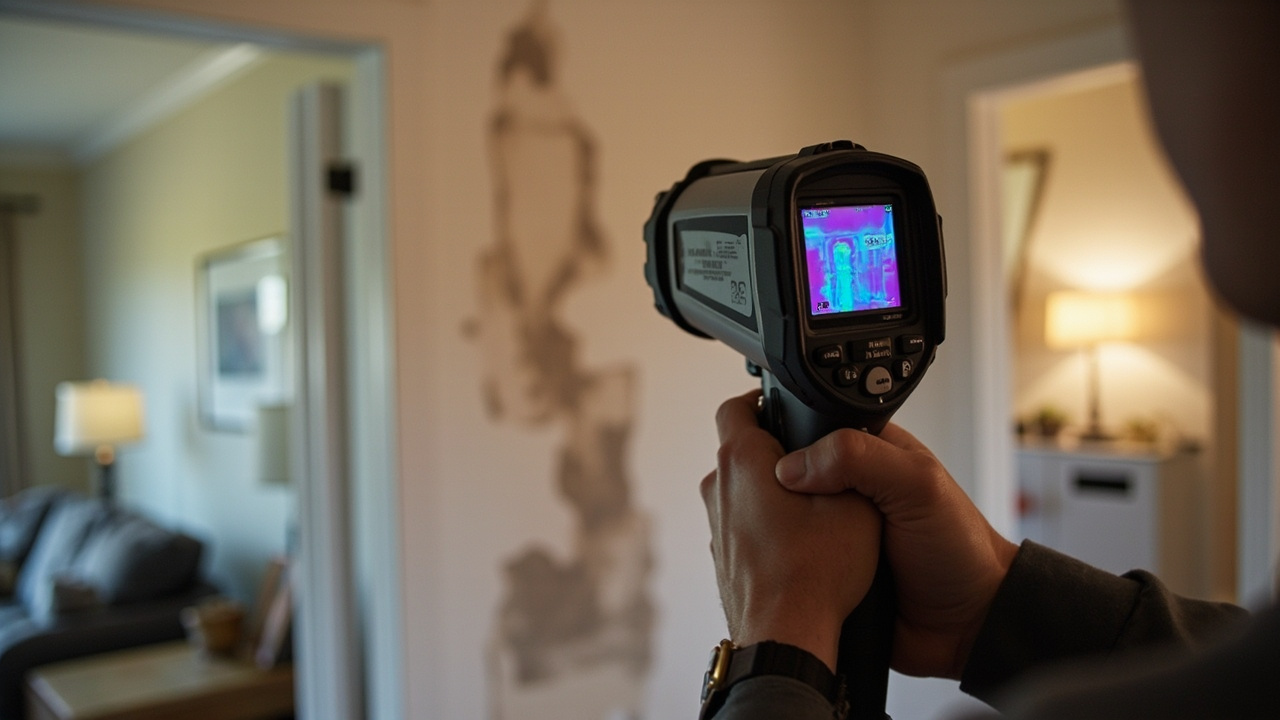
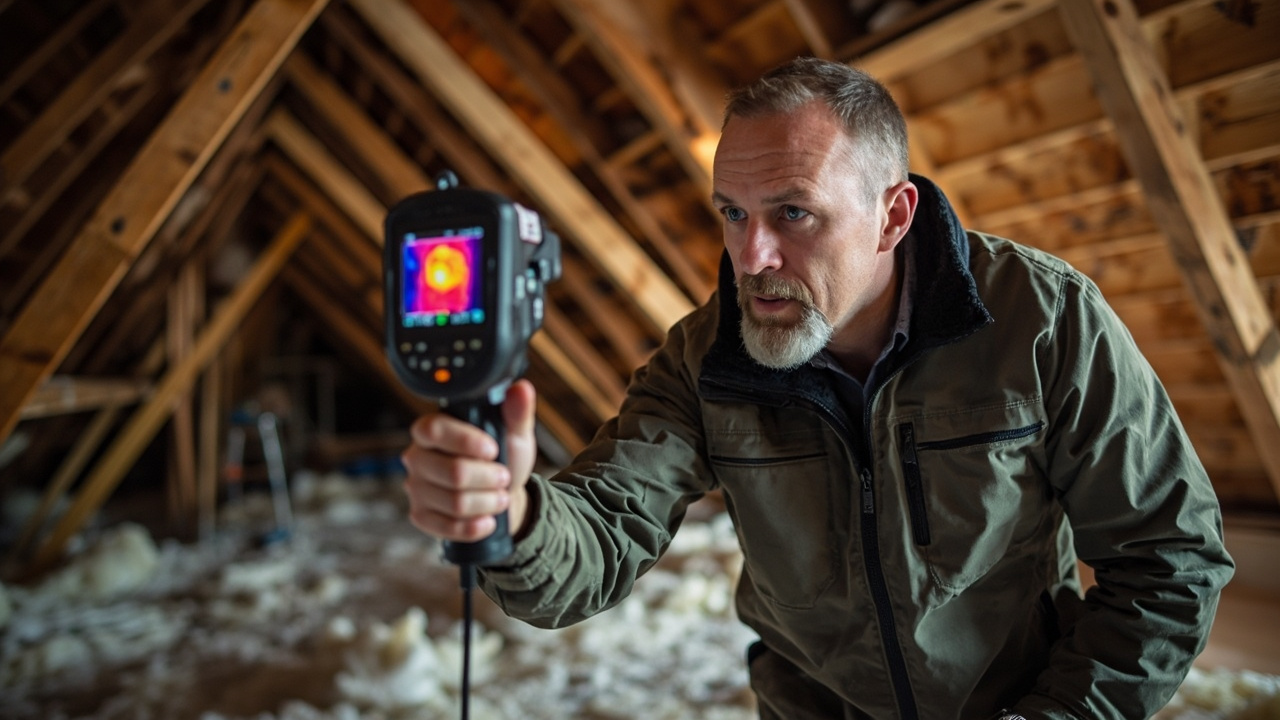
Silverline Water Damage Restoration Houston does not guess. We measure. Our technicians arrive with calibrated thermo-hygrometers and infrared thermal imaging cameras to map moisture distribution throughout your home. We document relative humidity readings in each room, identify thermal bridges where condensation occurs, and measure moisture content in building materials using pin-type and non-invasive moisture meters.

We look where most contractors ignore. Crawl spaces under homes often have exposed soil that releases thousands of gallons of water vapor annually into the structure above. Bathroom exhaust fans that vent into attics instead of outside dump moisture directly into insulation. Dryer vents with damaged ductwork leak humid air into wall cavities. Improperly graded soil around foundations allows groundwater to wick into concrete slabs through capillary action.

Our approach addresses the physics of moisture migration. We evaluate vapor pressure differentials between indoor and outdoor environments. We inspect vapor barriers in crawl spaces and attics. We test HVAC ductwork for air leaks that introduce unconditioned humid air into the living space. We examine plumbing penetrations, window flashing details, and the integrity of building envelope assemblies.

Once we identify moisture entry points and generation sources, we implement layered solutions. Whole-home dehumidifiers integrate with your HVAC system to maintain target humidity levels between 30 and 50 percent year-round. Vapor barrier installation in crawl spaces stops ground moisture transmission. Exhaust fan upgrades remove steam and humidity from kitchens and bathrooms before it disperses into living areas. Strategic ventilation improvements create positive air pressure that prevents humid outdoor air infiltration.

The result is measurable, permanent control of indoor moisture problems that protects your health, your belongings, and your investment.

What Happens During Your Moisture Assessment and Remediation

High Indoor Humidity Levels in Houston – Expert Diagnosis and Permanent Moisture Control Solutions
01

Comprehensive Moisture Mapping

We deploy thermal imaging and moisture detection equipment throughout your home to create a complete moisture profile. You receive a written report documenting relative humidity levels in each room, moisture content readings in walls and floors, and thermal images showing temperature differentials that indicate condensation zones. This diagnostic phase typically requires 90 to 120 minutes and covers every room, the attic, and accessible crawl spaces or basements.
02

Source Identification and Planning

Our technicians trace moisture back to its origin points, whether that is foundation water intrusion, HVAC system deficiencies, inadequate ventilation, or building envelope failures. We explain each moisture source in plain language, show you the affected areas, and outline a prioritized remediation plan. You understand exactly what is causing elevated home humidity in your specific property and why each proposed solution addresses the root cause rather than masking symptoms.
03

Implementation and Verification

We execute the moisture control strategy, which may include dehumidifier installation, vapor barrier placement, ventilation upgrades, or drainage corrections. After completion, we conduct follow-up moisture readings to verify indoor humidity levels have stabilized in the target range. You receive documentation showing before and after measurements, plus maintenance recommendations to sustain healthy indoor air quality. Most clients notice improved comfort within 48 to 72 hours of system activation.

Why Houston Homeowners Trust Local Moisture Control Experts

Generic dehumidifier installation does not work in Houston because contractors from other regions do not understand Gulf Coast moisture loads. A properly sized whole-home dehumidification system for a 2,000 square foot home in Phoenix removes 70 pints daily. That same home in Houston requires 130 to 150 pints of daily capacity because outdoor absolute humidity is three times higher during summer months.

Silverline Water Damage Restoration Houston has mapped moisture patterns in hundreds of local homes across neighborhoods from Memorial to Clear Lake to The Woodlands. We know that pier and beam homes in the Heights require different crawl space strategies than slab-on-grade construction in Katy. We understand that homes built before 1980 often lack adequate vapor barriers because building codes at that time did not account for modern HVAC system efficiency and tighter building envelopes.

We work daily with the consequences of Houston's unique challenges. Clay soil shrinks during drought periods and swells during heavy rain, creating foundation movement that cracks slabs and allows groundwater intrusion. Hurricane-driven rain events can deposit six inches of water in three hours, overwhelming perimeter drainage systems and flooding crawl spaces. Our solutions account for these extreme conditions rather than applying textbook approaches designed for moderate climates.

Our technicians hold certifications from the Institute of Inspection, Cleaning and Restoration Certification and receive ongoing training in building science, psychrometrics, and moisture dynamics. We use commercial-grade diagnostic equipment calibrated annually to NIST standards. When we tell you the moisture content in your drywall is 18 percent and requires drying intervention, that reading is accurate and defensible.

You receive documentation suitable for insurance claims, real estate transactions, or warranty purposes. Our reports include photographs, moisture maps, humidity charts, and detailed explanations of findings. If your high indoor humidity stems from a covered peril like a plumbing leak or HVAC malfunction, we provide the evidence your insurer needs to process the claim properly.

What to Expect When You Address Indoor Humidity Problems

Response Time and Availability

We schedule moisture assessments within 24 to 48 hours of your call. Emergency situations like active water intrusion or sudden humidity spikes following storm events receive same-day response. Our technicians arrive during the scheduled two-hour window with all necessary diagnostic equipment. The initial assessment takes 90 minutes to two hours depending on home size and complexity. You receive a verbal summary of findings before we leave and a written report within 24 hours. Equipment installation typically occurs within three to five business days after you approve the proposed solution. We stock common dehumidification units, vapor barrier materials, and ventilation components to minimize delays.

The Assessment Process

Your assessment begins with a detailed interview about when you first noticed elevated humidity, which rooms feel most uncomfortable, and any visible signs of moisture damage like mold, condensation, or musty odors. We measure indoor temperature and relative humidity in each room using calibrated instruments. Thermal imaging scans identify cool spots on walls and ceilings where moisture accumulates. Moisture meters test building materials for elevated water content. We inspect your HVAC system operation, ductwork condition, crawl space or attic moisture barriers, and exterior drainage patterns. You accompany the technician during the inspection so we can explain findings in real time and answer questions immediately.

Results You Can Measure

Properly executed moisture control produces objective, measurable improvements. Indoor relative humidity stabilizes between 40 and 50 percent throughout the year. Condensation on windows disappears. Musty odors dissipate within one week as mold spores stop reproducing. Allergy symptoms often improve within two to three weeks as dust mite populations decline in the drier environment. Your HVAC system runs less frequently because dry air feels cooler than humid air at the same temperature, reducing cooling costs by 15 to 25 percent during summer months. Wood floors, trim, and furniture stop expanding and contracting with seasonal humidity swings, eliminating warping and gap formation.

Ongoing Monitoring and Maintenance

Whole-home dehumidifiers require filter changes every three to six months and annual coil cleaning to maintain efficiency. We provide a maintenance schedule and remind you when service is due. Most units include digital displays that show current humidity levels and alert you to maintenance needs. We offer annual inspections that include humidity testing in each room, moisture meter readings in previously affected areas, and system performance verification. If humidity levels creep above target ranges, we diagnose the cause, whether that is equipment malfunction, changed occupancy patterns, or new moisture sources. You receive priority scheduling and discounted service rates as an existing client.

Frequently Asked Questions

You Have Questions,
We Have Answers

Is 70% humidity too high in a house? +

Yes, 70% humidity is too high for indoor spaces. Ideal indoor humidity ranges from 30% to 50%. When levels climb above 60%, you create a breeding ground for mold spores, dust mites, and bacteria. Houston's subtropical climate already pushes outdoor humidity above 90% during summer months, making indoor control difficult. You will notice condensation on windows, musty odors, and sticky surfaces. High humidity also makes your air conditioner work harder, raising energy bills. Check your HVAC system and consider a dehumidifier to bring levels down. Prolonged exposure to 70% humidity damages wood floors, drywall, and insulation.

Can humidity cause nausea? +

Yes, high humidity can cause nausea in some people. When indoor humidity exceeds 60%, your body struggles to cool itself through sweat evaporation. This heat stress triggers symptoms like dizziness, headaches, and nausea. Houston residents face this problem year-round due to Gulf Coast moisture. You may also experience fatigue and difficulty breathing. High humidity worsens respiratory conditions like asthma, which can lead to nausea from reduced oxygen intake. Mold growth in humid environments releases mycotoxins that cause nausea, headaches, and flu-like symptoms. If you feel sick at home but better outdoors, check your indoor humidity levels immediately.

What happens if indoor humidity is too high? +

High indoor humidity causes serious structural and health problems. Mold colonizes drywall, insulation, and wood framing within 24 to 48 hours when moisture levels stay elevated. You will see peeling paint, warped wood floors, and water stains on ceilings. Houston's clay soil already causes foundation shifting, and high indoor humidity accelerates this damage by weakening structural materials. Health effects include respiratory infections, allergic reactions, and asthma attacks. Dust mites thrive above 50% humidity, triggering allergies. Your cooling costs spike because humid air feels warmer, forcing your AC to run constantly. Long-term exposure damages furniture, electronics, and personal belongings.

What is the ideal humidity for a baby? +

The ideal humidity for a baby is between 40% and 50%. Newborns and infants have sensitive respiratory systems that react poorly to both dry and humid air. Houston parents struggle with this balance during summer months when outdoor humidity tops 80%. Too much moisture promotes mold growth and dust mites, triggering allergies and breathing problems. Too little dries out nasal passages, making babies more susceptible to infections. Use a hygrometer to monitor nursery humidity. Run your AC consistently to remove excess moisture, and consider a small dehumidifier if levels stay above 55%. Clean any visible mold immediately to protect your baby's health.

How Houston's Coastal Climate Creates Year-Round Indoor Humidity Battles

Houston averages 89 percent relative humidity at dawn and maintains dew points above 70 degrees for five months annually. The Gulf of Mexico sits 50 miles southeast, creating a constant moisture supply that drives absolute humidity levels far higher than inland cities at the same latitude. When outdoor dew points reach 75 degrees during July and August, outdoor air contains 13.3 grams of water per kilogram of dry air. Air conditioners can cool that air to 72 degrees indoors, but the same moisture remains suspended, creating 68 percent relative humidity inside your home. This explains why your house feels muggy even when the AC runs constantly. Buildings in Houston face moisture loads comparable to South Florida, yet many local contractors apply HVAC and insulation strategies designed for dry climates, creating chronic indoor moisture problems.

Silverline Water Damage Restoration Houston holds active membership in the Restoration Industry Association and maintains ongoing education in moisture science specific to Gulf Coast construction. We understand Harris County building codes related to vapor barrier installation and mechanical ventilation requirements. Our technicians have diagnosed moisture problems in every residential construction type common to the region, from 1940s pier and beam cottages in Montrose to modern concrete tilt-wall construction in Cinco Ranch. This local expertise matters because moisture migration patterns differ dramatically between construction types, and solutions that work in slab-on-grade homes fail in elevated pier and beam structures with ventilated crawl spaces.
Water Damage Restoration Services in The Houston Area

Easily locate our service area and see how Silverline is strategically positioned to provide rapid water damage restoration services throughout Houston and its surrounding communities. Our commitment to prompt response means we're never far away when disaster strikes, ensuring your property gets the urgent care it needs, wherever you are within our service radius. We're here to serve you efficiently.

Address:
Silverline Water Damage Restoration Houston, 3730 Kirby Dr, Houston, TX, 77098

Additional Services We Offer

Our news updates

Latest Articles & News from The Blogs

Dealing with Attic Water Damage from Leaky Roofs in KingwoodHomeowners in the Kingwood area face significant moisture challenges due to…

Dealing with Attic Water Damage from Leaky Roofs in Kingwood

Dealing with Attic Water Damage from Leaky Roofs in KingwoodHomeowners in the Kingwood area face significant moisture challenges due to…

Why a Home Dehumidifier Cannot Save Your Third Ward Living Room from Water Damage

Why a Home Dehumidifier Cannot Save Your Third Ward Living Room from Water DamageYour Third Ward home faces unique challenges…

Planning Your Tropical Storm Recovery Strategy for League City and Bay Area Residences

Planning Your Tropical Storm Recovery Strategy for League City and Bay Area Residences Living in the Houston Bay Area during…

Contact Us

Call Silverline Water Damage Restoration Houston at (832) 336-3663 right now to schedule your moisture assessment. We will identify exactly why your home feels humid, show you the sources, and implement solutions that create measurable, permanent improvement. You deserve to breathe clean, dry air in your own home.