





menu

Swollen Baseboards & Trim in Houston – Expert Diagnosis and Permanent Moisture Solutions

Our water damage specialists identify hidden moisture sources causing swollen baseboards and trim, then implement targeted drying and restoration to prevent recurring expansion, mold growth, and structural deterioration throughout your Houston property.

Slider Image 1
Slider Image 2
Slider Image 3
Slider Image 4
Slider Image 5
Slider Image 7
Slider Image 8
Slider Image 9
Slider Image 10
Slider Image 11

Why Houston Homes Battle Swollen Baseboards and Warped Trim

You notice gaps between your walls and baseboards. The trim feels spongy when you press it. Paint is bubbling along the bottom edge. You have moisture swollen baseboards, and Houston's climate makes this frustratingly common.

Our city sits in a humid subtropical zone where indoor humidity regularly hits 60 to 80 percent. This constant moisture works its way into porous materials like MDF trim and painted wood molding. When temperatures fluctuate, condensation forms behind baseboards where you cannot see it. The water gets absorbed, the fibers expand, and you end up with bloated wood trim that buckles away from the wall.

Houston's soil adds another layer of complexity. The clay beneath most homes expands when saturated and contracts when dry. This movement cracks slab foundations, creating pathways for groundwater to seep through. That moisture wicks up into drywall and baseboards along exterior walls, especially after heavy rains. Neighborhoods built on expansive clay, like those in west Houston and parts of the Energy Corridor, see this pattern repeatedly.

Water damaged baseboards are rarely just a cosmetic issue. The same moisture causing expanded MDF trim is feeding mold colonies behind your walls. The warped baseboard molding you see is a symptom of a larger moisture intrusion problem. Ignoring it leads to structural rot, increased allergens, and expensive remediation down the road.

The fix is not replacing the trim and hoping it stays flat. You need to find the source, dry the cavity, and address the moisture pathway. Otherwise, you are just covering up a problem that will return within months.

Why Houston Homes Battle Swollen Baseboards and Warped Trim
How We Locate and Eliminate the Moisture Behind Swollen Trim

How We Locate and Eliminate the Moisture Behind Swollen Trim

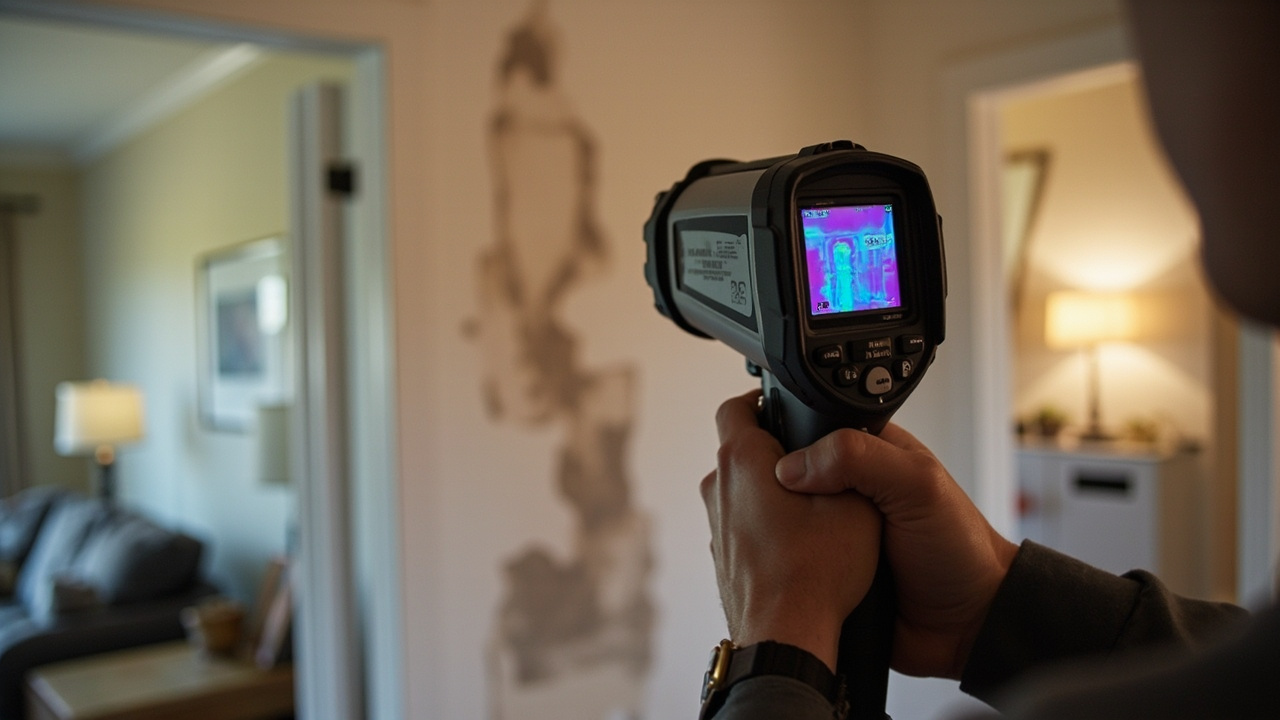
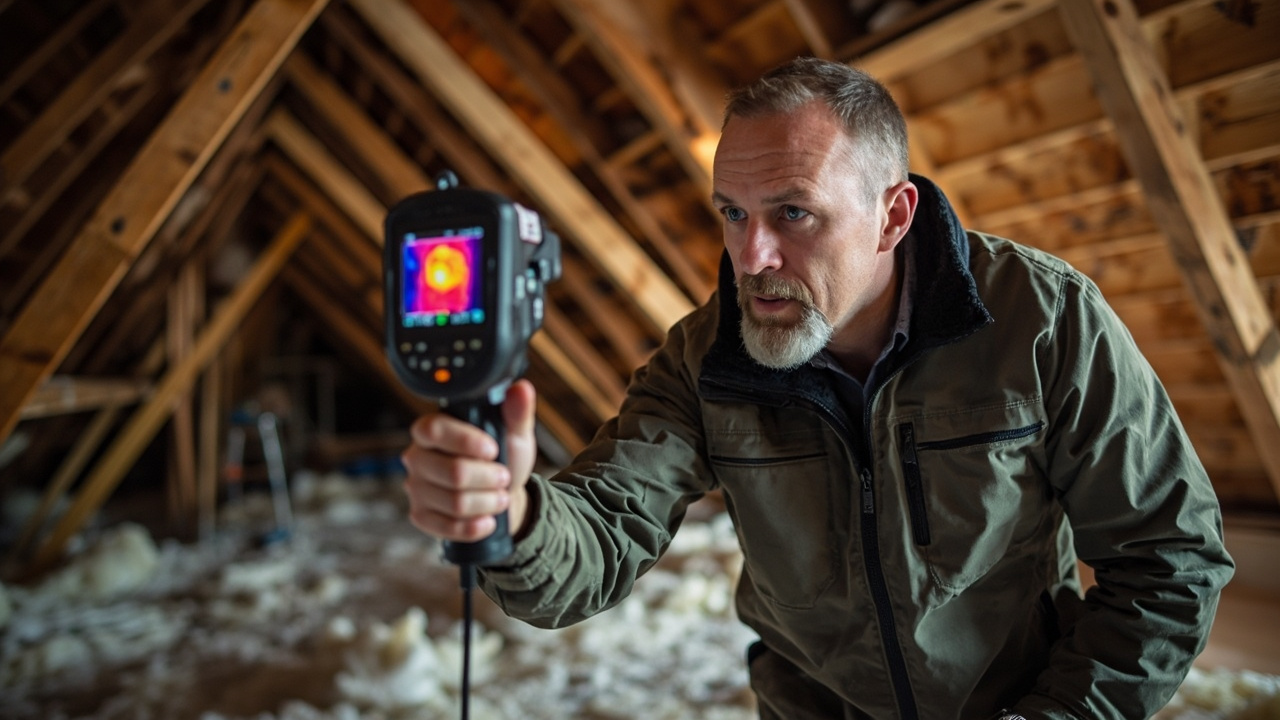
Swollen baseboards tell us moisture is present, but they do not tell us where it originates. We use thermal imaging cameras to scan wall cavities and identify temperature differentials that indicate wet insulation or drywall. Infrared signatures show us exactly where water is pooling behind your trim, even if the surface feels dry to the touch.

We follow up with pin-type and non-invasive moisture meters to quantify saturation levels in the baseboard material, the drywall, and the subfloor. MDF trim can hold moisture at 20 to 30 percent when the acceptable range is under 12 percent. Wood baseboards swell when moisture content exceeds 15 percent. These readings guide our drying strategy.

Once we map the affected zones, we remove the compromised trim and expose the wall cavity. We inspect for plumbing leaks, HVAC condensate line failures, or foundation seepage. In Houston, we frequently find that improperly graded exterior soil directs rainwater toward the foundation, allowing it to migrate through micro-cracks in the slab.

We deploy commercial-grade dehumidifiers and air movers to pull moisture from the drywall and framing. Depending on saturation levels, drying takes two to five days. We monitor daily with moisture meters until readings stabilize in the safe range. If mold is present, we apply antimicrobial treatments to affected studs and drywall before sealing the cavity.

After drying, we address the root cause. This might mean sealing foundation cracks, rerouting drainage, or upgrading weatherproofing on exterior walls. Only then do we install new trim, using moisture-resistant materials when warranted. The goal is to create a durable repair that will not fail the next time Houston gets three inches of rain in an afternoon.

What Happens When You Call About Swollen Baseboards

Swollen Baseboards & Trim in Houston – Expert Diagnosis and Permanent Moisture Solutions
01

Moisture Assessment and Mapping

We arrive with thermal imaging equipment and moisture meters to scan your baseboards, walls, and subfloor. You get a clear report showing exactly where moisture is hiding, how saturated the materials are, and whether the damage extends beyond the visible swelling. This diagnostic phase typically takes 30 to 60 minutes and determines the scope of drying and repair.
02

Controlled Drying and Source Repair

We remove affected trim and set up targeted drying equipment to extract moisture from wall cavities and framing. While drying progresses, we locate and fix the underlying issue, whether it is a plumbing leak, foundation seepage, or HVAC condensation problem. Daily monitoring ensures materials return to safe moisture levels before we proceed to restoration. This phase usually takes two to five days.
03

Trim Replacement and Prevention

Once the structure is dry and the moisture source is eliminated, we install new baseboards using materials suited to Houston's humidity levels. We apply moisture-resistant primers and caulk all seams to prevent future water intrusion. You get a finished installation that matches your existing trim profile and color, with the confidence that the problem is truly resolved, not just hidden.

Why Houston Homeowners Trust Local Water Damage Specialists

Swollen baseboards are a regional problem that requires regional expertise. Silverline Water Damage Restoration Houston has worked in hundreds of homes across Greater Houston, from the Heights to Sugar Land to Katy. We know how the clay soil behaves. We know which neighborhoods flood first when bayous overflow. We know the building practices that were common in the 1980s and 1990s that make certain homes more vulnerable to moisture intrusion.

That local knowledge matters when diagnosing your problem. A technician from outside the area might see warped trim and assume it is a simple plumbing leak. We know to check for foundation seepage because we understand how Houston's soil shifts after heavy rain. We know to inspect HVAC drain lines because condensate overflow is a chronic issue in our humid climate.

We also understand the urgency. Mold can colonize damp drywall in 24 to 48 hours. The longer moisture sits behind your baseboards, the more extensive the damage becomes. Our response time reflects that reality. We dispatch crews quickly, and we work efficiently to dry your home before secondary damage takes hold.

Our process is transparent. You get moisture readings at the start and throughout the drying process. You see the thermal images showing where water is hiding. You get a clear explanation of what caused the swelling and what we are doing to fix it. No jargon-heavy reports that obscure the facts. Just straightforward information so you can make informed decisions.

We work directly with insurance carriers when claims are involved. We document everything with photos, moisture logs, and detailed scopes of work. Our goal is to make the process as seamless as possible while ensuring your home is restored correctly, not just quickly.

What to Expect During Baseboard Water Damage Restoration

Response Time and Availability

We understand that water damage does not wait for business hours. Our team is available around the clock to respond to calls about swollen baseboards, warped trim, and suspected moisture intrusion. Most diagnostic visits happen within hours of your call, and we can begin emergency drying immediately if the situation demands it. For non-urgent cases, we schedule assessments at your convenience, including evenings and weekends. The faster we start, the less damage your home sustains.

Diagnostic Evaluation and Moisture Mapping

Your assessment begins with a room-by-room inspection using thermal imaging and moisture detection equipment. We scan walls, floors, and ceilings to identify hidden saturation. You receive a detailed report showing moisture readings, affected areas, and the likely source of intrusion. This diagnostic phase gives you the information needed to understand the scope of the problem before any work begins. We explain everything in plain language, no technical jargon unless you ask for it.

Quality of the Finished Restoration

Once drying is complete and the moisture source is resolved, we restore your baseboards and trim to pre-damage condition. We match profiles, textures, and paint colors to blend seamlessly with your existing finishes. All joints are caulked, all seams are sealed, and all surfaces are primed with moisture-resistant coatings. The result is a finished installation that looks original and performs better than what you had before. No shortcuts, no mismatched materials, no visible repairs.

Follow-Up and Long-Term Prevention

We schedule a follow-up moisture check two to four weeks after restoration to confirm that humidity levels remain stable and no new moisture is intruding. You also receive recommendations for preventing future issues, such as improving exterior drainage, upgrading weatherstripping, or maintaining HVAC condensate lines. If problems reoccur within the scope of our repair, we come back to investigate at no additional diagnostic charge. Our goal is to solve the problem once, not create a recurring revenue stream.

Frequently Asked Questions

You Have Questions,
We Have Answers

How to fix swollen baseboards? +

First, identify and stop the water source. Remove the swollen baseboards completely. Let the wall cavity dry for at least 48 hours using fans and dehumidifiers. Houston's high humidity can slow drying, so consider professional drying equipment. Inspect the wall studs and drywall for mold or rot. If the damage is minor, the baseboard might contract slightly after drying, but most swollen trim stays warped. Replace with pre-primed MDF or solid wood baseboards. Paint or stain to match. If you see mold or smell mustiness, call a water damage specialist before reinstalling.

Why do baseboards swell? +

Baseboards swell when they absorb water. Common causes include plumbing leaks, foundation seepage, HVAC condensation, or flooding. Houston homes face extra risk from clay soil movement, high humidity, and tropical storms. MDF and particleboard baseboards swell faster than solid wood because they act like sponges. When water enters the porous material, the fibers expand and push outward. Once swelling starts, the damage is usually permanent. The baseboard loses structural integrity and cannot return to its original shape, even after drying. Finding the water source quickly is critical.

What does water damage look like on baseboards? +

Water-damaged baseboards show several signs. Look for visible swelling or buckling along the bottom edge. The surface may feel soft or spongy when you press it. Paint or finish often bubbles, cracks, or peels away. You might see discoloration, dark stains, or waterlines. Gaps can appear between the baseboard and wall as the material warps outward. In Houston homes, check for a musty smell, which signals mold growth behind the trim. White or green fuzzy patches indicate active mold. If the baseboard crumbles when touched, the rot has progressed significantly.

Can you repair swollen particle board? +

No, you cannot truly repair swollen particle board. Once particle board absorbs water, the wood fibers separate and expand permanently. The material loses its density and strength. You can try sanding down minor bulges after drying, but the board remains compromised and prone to crumbling. Some homeowners apply wood filler to small damaged areas, sand smooth, and repaint, but this is a temporary cosmetic fix. The particle board will never regain its original structural integrity. In Houston's humid climate, weakened particle board also invites mold growth. Replacement with solid wood or pre-primed MDF is the reliable solution.

What is the 7 rule for baseboards? +

The 7 rule helps match baseboard height to ceiling height for visual balance. For every foot of ceiling height, use one inch of baseboard. An 8-foot ceiling gets 8-inch baseboards. A 9-foot ceiling uses 9-inch trim. Multiply ceiling height by 7 percent to calculate the ideal baseboard height in inches. This guideline creates proportional room aesthetics. Shorter baseboards look skimpy in tall rooms. Taller trim overwhelms low ceilings. The rule applies to new construction and remodeling projects. It has nothing to do with water damage or swelling. Focus on function and moisture resistance when replacing damaged trim.

How to shrink swollen wood? +

You cannot reliably shrink swollen wood back to its original size. Once wood fibers absorb water and expand, they stay stretched. You can try drying the wood completely using dehumidifiers, fans, or placing it in direct sunlight. Some minor shrinkage may occur, but expect warping, cupping, or cracking. Applying heat can cause further damage and fire risk. Sanding or planing can remove surface bulges, but the internal structure remains compromised. In Houston's humidity, partially dried wood often re-absorbs moisture from the air. Replacement is the most effective fix for swollen baseboards and trim.

Will a swollen wood floor go back to normal? +

Probably not. Swollen wood floors rarely return to normal after water damage. The planks absorb moisture, expand, and push against each other, causing buckling or cupping. Even after thorough drying, gaps, warping, or crowned boards usually remain. Solid hardwood has a better chance of partial recovery than engineered or laminate flooring. Houston's humidity complicates drying. If you catch the water intrusion within 24 hours and dry aggressively, minor swelling might improve. Severe cases require board replacement. Always check the subfloor for rot or mold before refinishing. Professional assessment prevents future problems.

Does homeowners insurance cover water leaks in walls? +

It depends on the cause and your policy. Homeowners insurance typically covers sudden, accidental water damage, like a burst pipe or appliance malfunction. Gradual leaks from poor maintenance, aging pipes, or neglect are usually excluded. If a storm damages your roof and rain enters the walls, that is often covered. Review your policy declarations and exclusions carefully. In Houston, flood damage from hurricanes or heavy rain requires separate flood insurance. Document everything with photos. Contact your insurer immediately after discovering the leak. A water damage professional can help you navigate the claims process.

How long does it take for water to damage baseboards? +

Water can damage baseboards within hours. MDF and particleboard trim start swelling in as little as 30 minutes of direct contact. Solid wood resists longer but still absorbs moisture within a few hours. By 24 hours, you will see visible swelling, paint bubbling, or warping. Mold can begin growing within 48 to 72 hours, especially in Houston's humid climate. The longer water sits, the worse the damage becomes. Drywall behind the baseboards also wicks moisture upward, spreading the problem. Quick action is critical. Remove standing water immediately and start drying to minimize replacement costs.

What happens if water gets under baseboards? +

Water under baseboards creates multiple problems. It soaks into the drywall, causing it to crumble and lose structural support. The studs can absorb moisture and begin rotting. Mold grows rapidly in dark, damp spaces behind trim. The baseboard itself swells, warps, and separates from the wall. Carpets or flooring near the baseboard wick water and stay damp longer. In Houston homes, high humidity slows evaporation, allowing mold to spread faster. You might not see the damage until weeks later when musty odors appear or paint bubbles. Always pull baseboards after water intrusion to inspect and dry hidden areas.

Why Houston's Clay Soil and Humidity Make Swollen Baseboards So Common

Houston sits on expansive clay soil that swells when wet and shrinks when dry. This constant movement creates micro-cracks in concrete slabs, allowing groundwater to seep upward into walls and baseboards. During wet seasons, that moisture has nowhere to go. It gets trapped in wall cavities where it saturates drywall and trim. Add in our 90-degree heat and 70 percent humidity, and you create the perfect environment for moisture swollen baseboards and expanded MDF trim. This is not a defect in your home. It is a consequence of building in Houston.

Local water damage restoration requires familiarity with local construction practices and environmental challenges. We have worked in every major Houston neighborhood, from older homes in Montrose with pier-and-beam foundations to newer builds in Cypress with post-tension slabs. We know which eras used MDF trim as a cost-saving measure and which builders skimped on moisture barriers. That local experience allows us to diagnose problems faster and recommend solutions that actually work in this climate, not just in theory.
Water Damage Restoration Services in The Houston Area

Easily locate our service area and see how Silverline is strategically positioned to provide rapid water damage restoration services throughout Houston and its surrounding communities. Our commitment to prompt response means we're never far away when disaster strikes, ensuring your property gets the urgent care it needs, wherever you are within our service radius. We're here to serve you efficiently.

Address:
Silverline Water Damage Restoration Houston, 3730 Kirby Dr, Houston, TX, 77098

Additional Services We Offer

Our news updates

Latest Articles & News from The Blogs

Dealing with Attic Water Damage from Leaky Roofs in KingwoodHomeowners in the Kingwood area face significant moisture challenges due to…

Dealing with Attic Water Damage from Leaky Roofs in Kingwood

Dealing with Attic Water Damage from Leaky Roofs in KingwoodHomeowners in the Kingwood area face significant moisture challenges due to…

Why a Home Dehumidifier Cannot Save Your Third Ward Living Room from Water Damage

Why a Home Dehumidifier Cannot Save Your Third Ward Living Room from Water DamageYour Third Ward home faces unique challenges…

Planning Your Tropical Storm Recovery Strategy for League City and Bay Area Residences

Planning Your Tropical Storm Recovery Strategy for League City and Bay Area Residences Living in the Houston Bay Area during…

Contact Us

Call Silverline Water Damage Restoration Houston at (832) 336-3663 to schedule a moisture assessment. We will identify the source, dry the affected areas, and restore your trim correctly. Available now.