





menu

Peeling Paint & Wallpaper in Houston – Expert Diagnosis of Hidden Water Damage Behind Your Walls

When you see bubbling paint or lifting wallpaper in your Houston home, you are looking at a symptom, not the problem. We find the moisture source, stop the damage, and restore your walls the right way.

Slider Image 1
Slider Image 2
Slider Image 3
Slider Image 4
Slider Image 5
Slider Image 7
Slider Image 8
Slider Image 9
Slider Image 10
Slider Image 11

Why Houston Walls Fail: The Hidden Water Problem Behind Peeling Paint

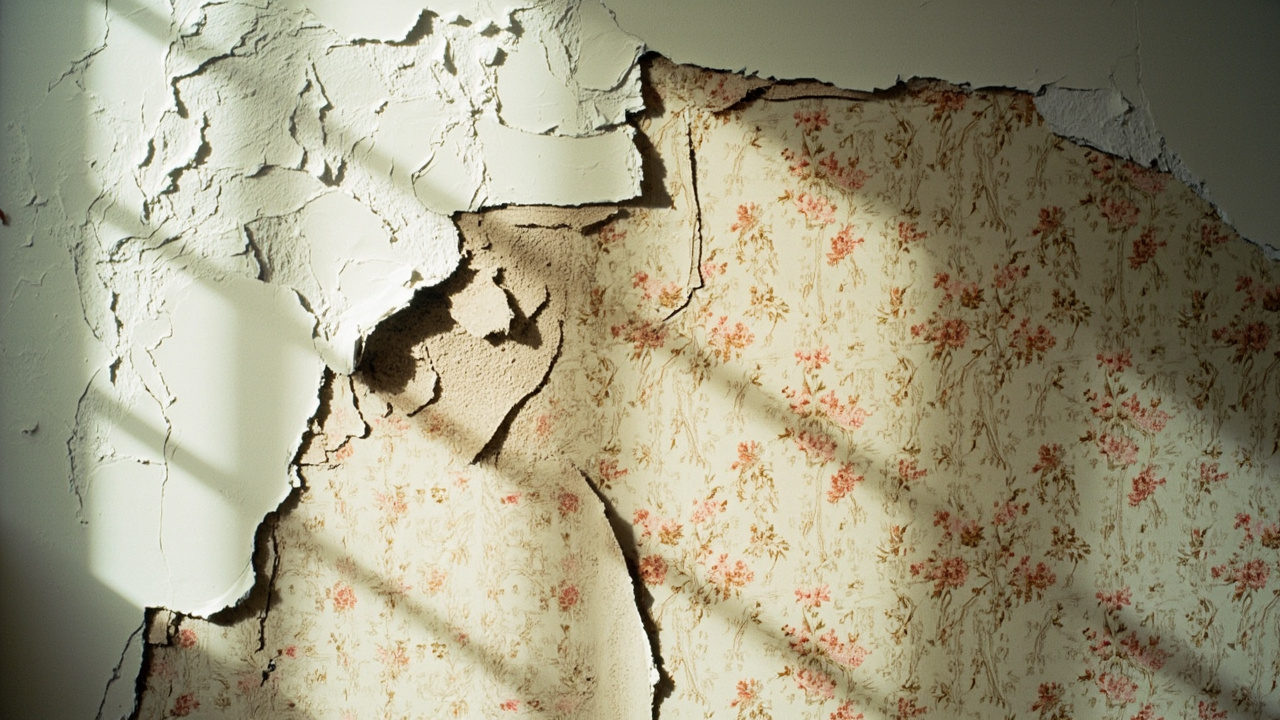
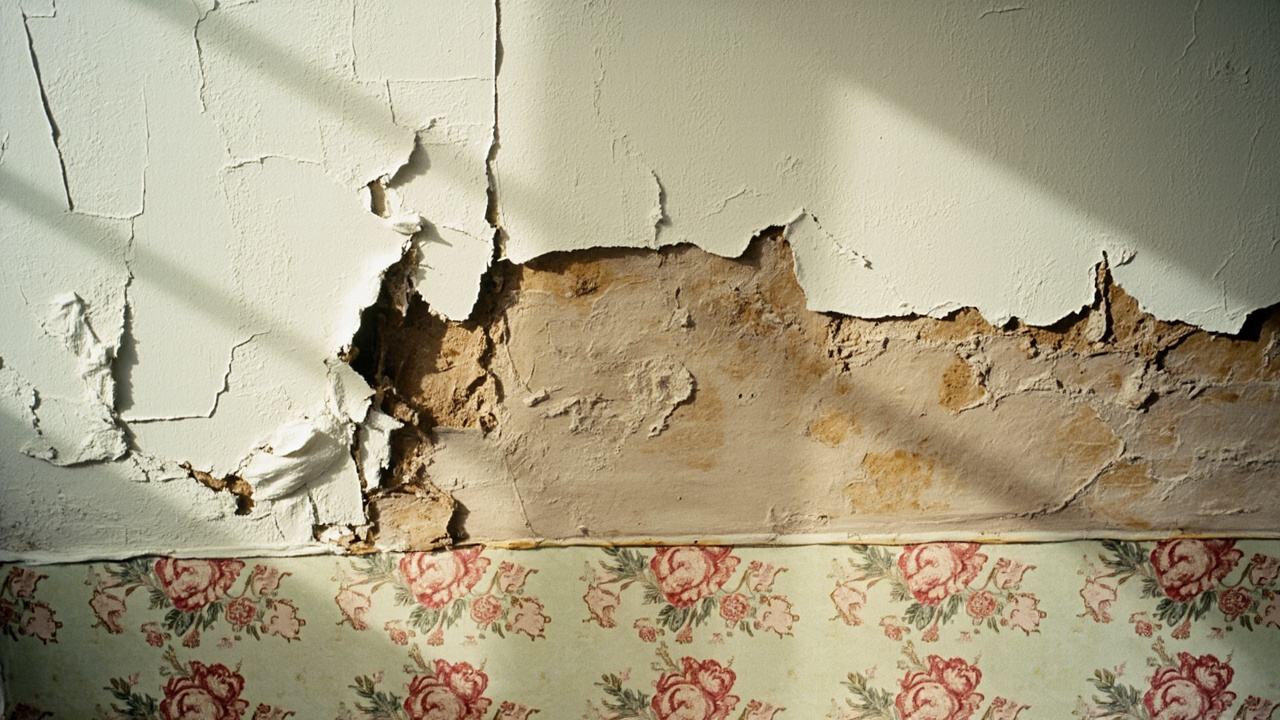
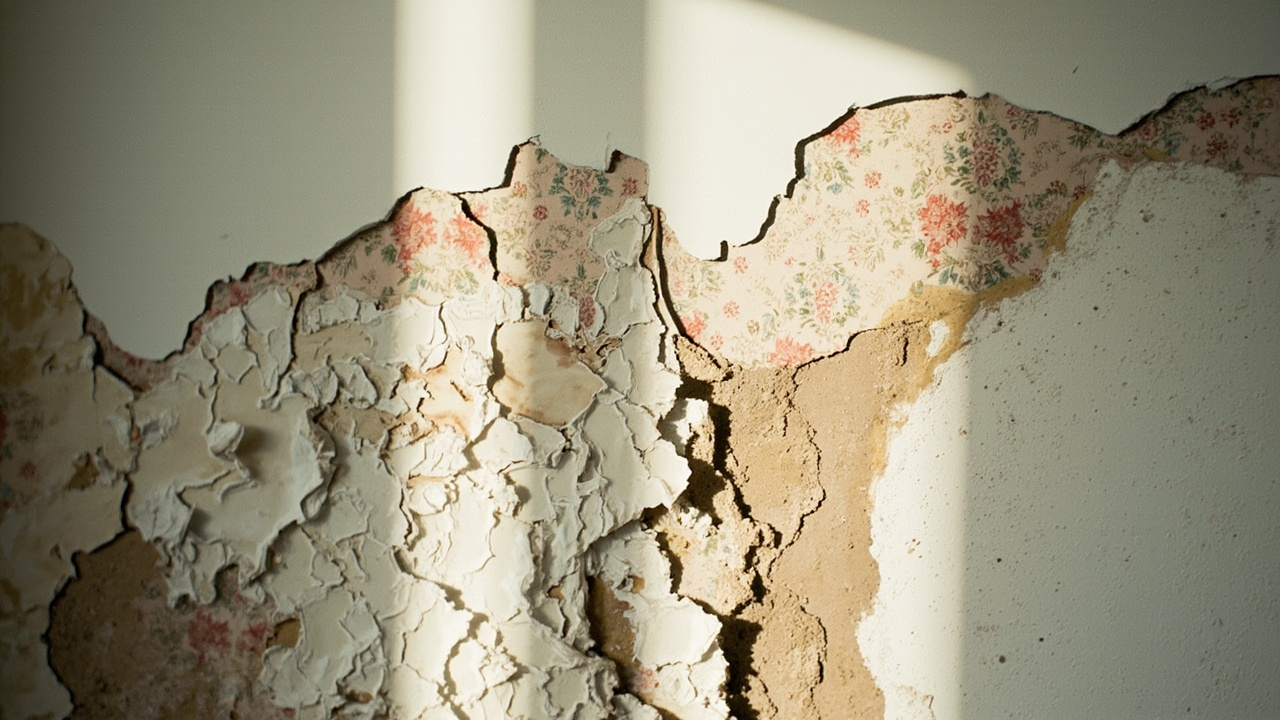
You walk into your bathroom or hallway and notice the paint bubbling near the ceiling. Maybe the wallpaper in your dining room is lifting at the seams. You think it is just old paint or bad adhesive. It is not. In Houston, blistering wall paint and loose wallpaper are warning signs of trapped moisture behind your walls.

Houston's climate creates a perfect storm for wall damage. High humidity levels combined with frequent heavy rain events mean moisture infiltrates homes through roof leaks, poor flashing, failed caulking around windows, and plumbing leaks inside walls. When water gets trapped between your drywall and exterior sheathing, it cannot dry out in our humid air. The moisture saturates the drywall paper facing, causing paint to lose adhesion. You get bubbling paint, flaking paint, and wallpaper that peels away in sheets.

Many Houston homes have clay soil that shifts with moisture changes. This movement cracks foundation walls and creates gaps where water enters during storms. Older homes in neighborhoods like Heights or Montrose often have original plumbing that fails inside walls. The first sign is not a puddle. It is paint failure.

Ignoring peeling paint means ignoring active water damage. Behind that bubbling surface, mold is colonizing wet drywall. Wooden studs are absorbing moisture and beginning to rot. The longer water sits, the more expensive the fix becomes. What starts as a cosmetic issue becomes a structural problem that affects your home's value and your family's health.

If you see lifting wallpaper or blistering wall paint, you need a water damage assessment, not a painter.

Why Houston Walls Fail: The Hidden Water Problem Behind Peeling Paint
How We Find and Fix the Moisture Source, Not Just the Symptom

How We Find and Fix the Moisture Source, Not Just the Symptom

Most homeowners call a painter when they see flaking paint. The painter scrapes, primes, and repaints. Three months later, the bubbling paint returns because no one addressed the water intrusion. Silverline Water Damage Restoration Houston does not cover up symptoms. We diagnose and eliminate the moisture source.

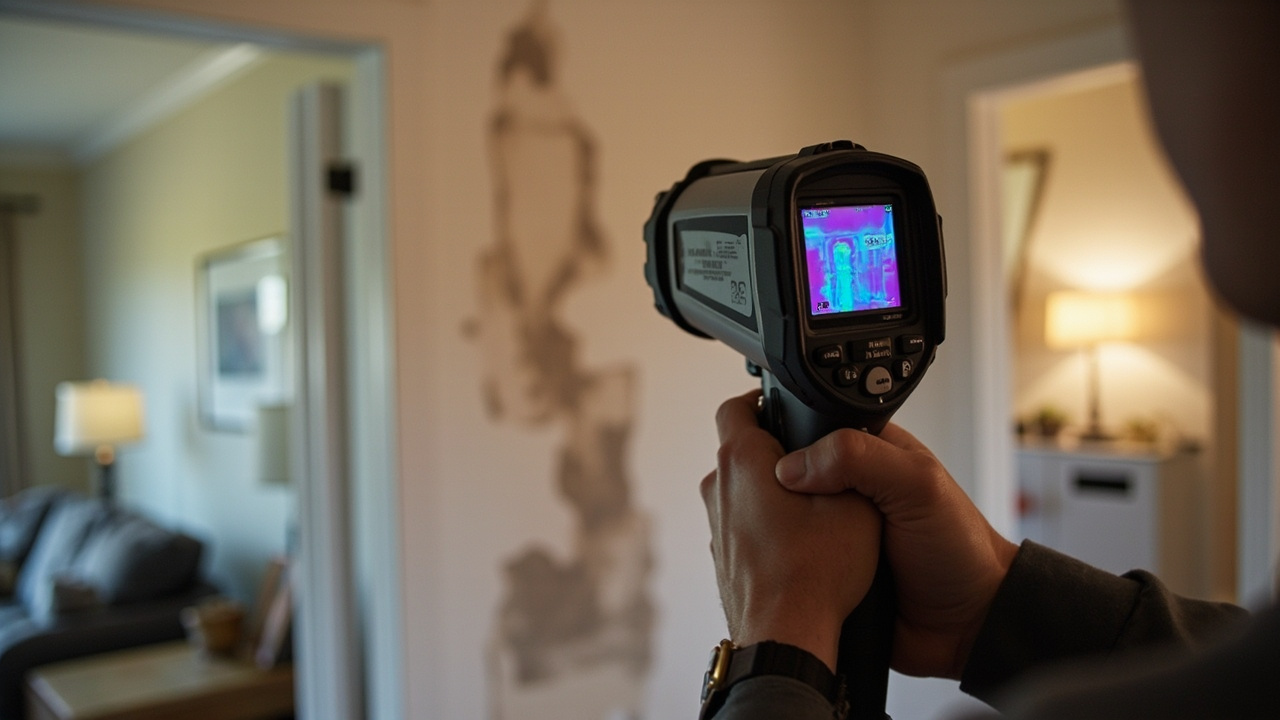
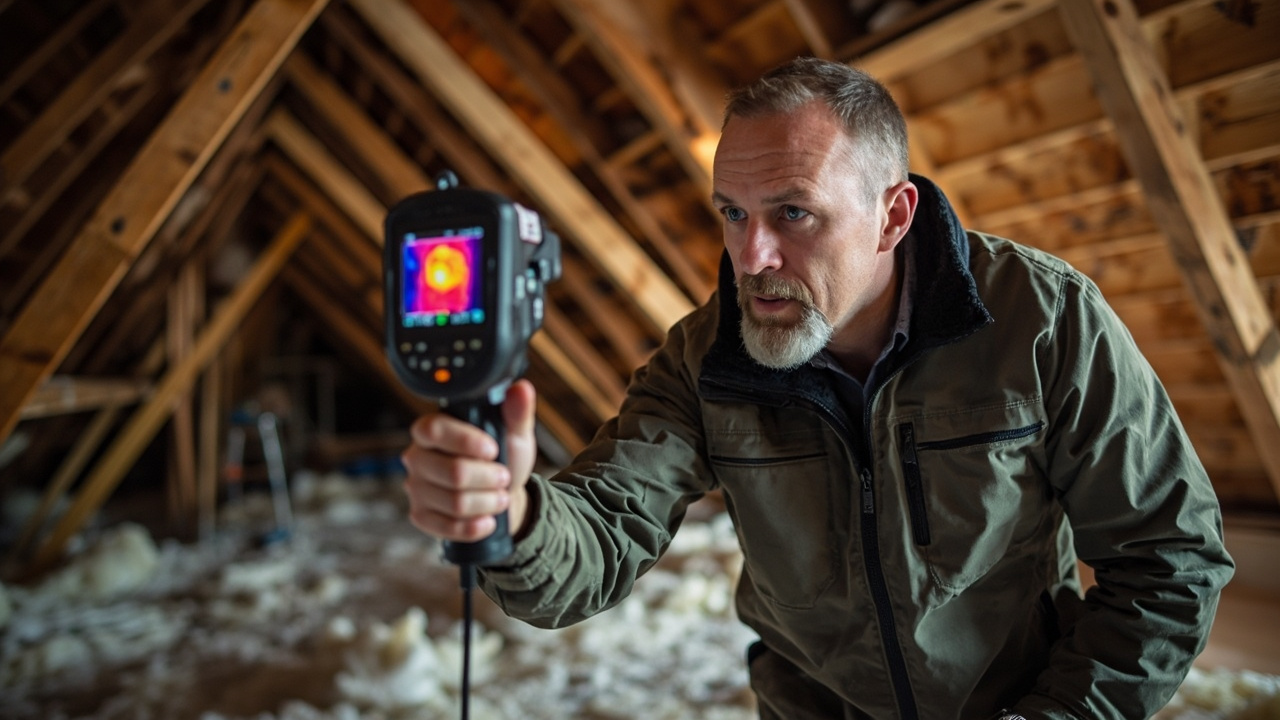
We start with thermal imaging cameras that detect temperature differentials in your walls. Wet drywall shows up as cold spots because evaporating moisture cools the surface. We use pin-type and pinless moisture meters to measure moisture content in drywall, studs, and insulation. We map the wet area to trace it back to the entry point, whether that is a roof leak, failed window flashing, or a pinhole leak in copper supply lines.

Once we identify the source, we stop the water intrusion. If it is a plumbing leak, we coordinate with licensed plumbers. If it is exterior envelope failure, we document it for your insurance claim and work with roofers or siding contractors. We do not move forward with drying and restoration until the leak is fixed. Otherwise, you are paying to dry out walls that will just get wet again.

We remove damaged drywall and insulation. Wet drywall cannot be saved. It loses structural integrity, and mold has already started growing on the paper facing. We set up commercial dehumidifiers and air movers to dry the wall cavity and framing. We monitor moisture levels daily until studs and sheathing return to normal readings, typically 12 to 15 percent moisture content for wood.

After drying is complete and mold remediation is performed if needed, we rebuild the wall with new drywall, tape, mud, and texture-match your existing finish. Only then do we prime and paint. The result is a wall that stays dry and looks factory-original.

What Happens When You Call Us About Peeling Paint

Peeling Paint & Wallpaper in Houston – Expert Diagnosis of Hidden Water Damage Behind Your Walls
01

Emergency Moisture Assessment

We arrive within hours and use thermal imaging and moisture meters to map the wet area behind your peeling paint. We identify the water source, whether it is a roof leak, plumbing failure, or exterior envelope breach. You get a written assessment explaining what is wet, why it is wet, and what it will take to fix it correctly.
02

Controlled Demolition and Drying

We remove only the damaged drywall and insulation, protecting your floors and furniture with plastic sheeting. We set up commercial-grade dehumidifiers and air movers to dry the wall cavity. We monitor moisture levels daily using calibrated meters until the framing and sheathing reach safe moisture content. This prevents mold growth and ensures a solid substrate for rebuilding.
03

Rebuild and Finish

After drying is verified, we install new drywall, tape and mud the seams, and texture-match your existing wall finish. We prime with stain-blocking primer and finish with paint that matches your original color. The wall is structurally sound, completely dry, and looks like the damage never happened. No bubbling paint will return because the moisture source is eliminated.

Why Houston Homeowners Trust Us with Wall Damage Diagnosis

You need someone who understands how Houston homes fail. We have worked in every neighborhood from River Oaks to Kingwood. We know that homes built in the 1960s and 1970s often have cast iron drain lines that corrode and leak inside walls. We know that newer construction in Katy and Sugar Land uses oriented strand board sheathing that swells and delaminates when wet. We know that historic homes in Montrose and the Heights have old windows with failed glazing that lets water run down inside the wall cavity during our afternoon thunderstorms.

We are IICRC-certified in water damage restoration and applied structural drying. That means we follow science-based protocols for measuring moisture, calculating drying capacity, and verifying that materials are dry before we close up walls. We do not guess. We measure. We document everything with photos, moisture logs, and thermal images so your insurance adjuster can see exactly what we found and what we fixed.

We work directly with your insurance company. We know what documentation they need for coverage approval. We provide detailed estimates that break down demo, drying, mold remediation if needed, and reconstruction. We handle the claim paperwork so you do not have to fight with adjusters while your wall is open.

Most water damage companies either do demolition and drying or they do reconstruction. We do both. That means one contract, one point of contact, and faster completion. You are not waiting weeks for a general contractor to schedule drywall installation while your wall sits open and your family breathes construction dust.

We are a Houston company. We live here. We raise our families here. When you call, you talk to someone who knows your neighborhood and understands the local building practices that affect how we approach your repair. You are not dealing with a national franchise call center. You get local expertise and accountability.

What You Can Expect When We Restore Your Walls

Rapid Response and Availability

We answer calls 24 hours a day because water damage does not wait for business hours. When you call about peeling paint or lifting wallpaper, we schedule an assessment within 24 hours, often the same day. We understand that you need answers quickly, especially if you are worried about mold growth or structural damage. Our assessment takes one to two hours. You get a written diagnosis and a repair estimate before we leave. If it is an active leak causing ongoing damage, we can start emergency water extraction and drying immediately to prevent further deterioration while we finalize the scope of work and insurance approval.

Thorough Diagnostic Process

We do not guess where the water is coming from. We use thermal imaging to see temperature patterns that indicate moisture movement. We use moisture meters with penetrating pins and non-invasive sensors to measure moisture content in drywall, insulation, and framing. We inspect your attic, crawl space, and exterior envelope to find the entry point. We check plumbing fixtures and supply lines. We test for hidden leaks using pressure testing if needed. You get a full written report with photos and moisture readings. This diagnostic process ensures we fix the cause, not just the cosmetic damage. You know exactly what failed and why before we start repairs.

Professional Reconstruction Quality

After drying is complete, we rebuild your wall to match the original construction. We use the same drywall thickness and type. We tape and mud seams with multiple coats, sanding smooth between applications. We texture-match your existing finish, whether it is knockdown, orange peel, or smooth. We prime with stain-blocking primer to prevent any residual staining from bleeding through. We finish with two coats of paint matched to your existing color. The repair is invisible. You cannot tell where the damaged section was removed and replaced. We clean up daily and remove all debris. Your home is left clean and restored.

Documentation and Prevention Guidance

We document every phase with photos and moisture readings. You receive a complete file showing initial damage, the moisture source, drying progress, and final reconstruction. This documentation is valuable for insurance claims and future home sales. We also provide guidance on preventing recurrence. If your peeling paint was caused by a roof leak, we explain what roofing repairs are needed. If it was a plumbing issue, we recommend upgrades or monitoring. If it was condensation from poor ventilation, we suggest solutions like exhaust fans or vapor barriers. You walk away understanding how to protect your home long-term.

Frequently Asked Questions

You Have Questions,
We Have Answers

Why is my paint peeling like wallpaper? +

Paint peeling like wallpaper signals a complete adhesion failure between the paint layer and the substrate. In Houston, this happens when moisture gets trapped under latex paint applied over oil-based paint without proper prep. The high humidity pushes through walls, breaking the bond. Poor surface prep before painting, such as painting over dirty or glossy surfaces, causes the same issue. Water damage from leaks or foundation shifting common in Houston's clay soil also breaks paint bonds. You need to strip the failing paint, address the moisture source, and reprime before repainting to fix it.

What to do if paint is peeling off the wall? +

Stop the peeling from spreading by identifying the moisture source first. Check for plumbing leaks, roof damage, or foundation cracks letting water in. This is critical in Houston where humidity and tropical storms cause constant moisture issues. Scrape all loose paint back to a solid edge using a putty knife. Sand the edges smooth to blend the transition. Prime bare spots with a moisture-blocking primer. For extensive peeling, you need professional assessment because hidden water damage behind walls creates mold growth. Address the root cause before any cosmetic repair or the peeling returns within months.

Is it cheaper to paint or peel and stick wallpaper? +

Peel and stick wallpaper typically costs less upfront for materials and installation compared to quality paint jobs, especially for small accent walls. Paint requires more prep work, multiple coats, and drying time between applications. However, paint lasts longer in Houston's humid climate where wallpaper adhesives can fail faster. Water damage or foundation movement common in the area affects both equally. Paint offers better moisture resistance for bathrooms and kitchens. Long-term, paint proves more cost-effective because it withstands humidity better and requires less frequent replacement. For Houston homes, paint provides better protection against moisture-related failures.

Can I just paint over peeling paint? +

No. Painting over peeling paint traps the problem and makes it worse. The new paint adds weight to an already failing bond, causing faster delamination. You must remove all loose material first. Peeling indicates a moisture issue or poor adhesion underneath. In Houston, trapped humidity or water intrusion from storms causes most peeling. If you paint over it, moisture continues pushing through, creating larger failures. The new coat peels within weeks or months, wasting your time and money. Scrape to bare substrate, fix the moisture problem, prime properly, then paint. Shortcuts create bigger repair bills later.

What does peeling paint indicate? +

Peeling paint indicates moisture intrusion, surface preparation failures, or incompatible paint layers. In Houston homes, peeling often signals water damage from roof leaks, plumbing failures, or foundation settlement cracks. High humidity pushes through walls when vapor barriers fail. Painting latex over oil-based paint without bonding primer causes peeling too. The symptom reveals whether you have active water damage needing immediate attention or past poor workmanship. Check for soft drywall, musty odors, or visible water stains. These accompany peeling when water damage exists. Address the underlying issue before cosmetic fixes or you risk mold growth and structural damage.

Will Kilz stop peeling paint? +

Kilz primer will not stop paint from peeling if moisture or adhesion problems exist underneath. It creates a barrier over stains and improves paint adhesion on properly prepared surfaces. You must scrape all peeling paint first, then apply Kilz to bare or stable surfaces. In Houston's humid climate, Kilz helps block water-based stains from bleeding through new paint. It does not fix active moisture problems or structural issues causing the peeling. If water still enters through leaks or foundation cracks, paint continues failing. Kilz works as part of proper prep, not a magic solution over failing paint.

What is the difference between flaking and peeling paint? +

Flaking means small chips or fragments break off while the paint mostly adheres to the surface. You see scattered thin pieces separating. Peeling involves larger sheets or strips lifting away from the substrate in continuous sections. Flaking suggests aging paint or minor surface contamination during application. Peeling indicates serious adhesion failure from moisture intrusion or incompatible layers. In Houston, peeling stems from water damage or humidity problems more often than flaking. Both need attention, but peeling signals urgent moisture issues requiring immediate investigation. Flaking can sometimes be spot-repaired. Peeling demands full assessment of the underlying cause before any repair work begins.

Should I scrape off all the peeling paint? +

Yes. Remove all peeling paint back to a stable edge where paint adheres firmly. Loose paint continues spreading as moisture works underneath the failing bond. In Houston's humid environment, small peeling areas expand quickly when left alone. Use a scraper to test adjacent areas. If paint lifts easily, keep removing it. You need clean, solid substrate for new paint to bond properly. Leaving loose edges creates ridges visible through new coats and causes faster failure. Sand scraped edges smooth to feather transitions. This prep work takes time but prevents repainting the same spots repeatedly when shortcuts fail.

Can peeling paint be fixed? +

Yes. Fixing peeling paint requires addressing the cause, not just the symptom. Identify and repair moisture sources like roof leaks, plumbing issues, or foundation cracks common in Houston homes. Scrape all loose paint to solid substrate. Sand edges smooth and clean surfaces thoroughly. Apply moisture-blocking primer to bare areas, especially important in humid climates. Use compatible paint systems and proper application techniques. For extensive peeling from water damage, you may need drywall replacement before painting. Professional assessment helps identify hidden damage behind walls. Proper fixes last years. Quick cosmetic patches fail within months when moisture problems persist underneath.

What is the cost of painting a 1000 sq ft house? +

Painting a 1000 square foot house varies based on prep work needed, paint quality, number of coats, and surface conditions. Houston homes often need extra prep due to humidity damage or previous water issues. Extensive scraping, priming, and repairs increase time and material costs. Interior painting differs from exterior work, which faces harsh sun and storm exposure. High-quality moisture-resistant paints cost more but last longer in humid climates. Professional painters factor in surface preparation, primer application, and finish coats. Get detailed estimates from licensed contractors who inspect your specific conditions rather than relying on generic square footage pricing.

How Houston's Humidity and Rain Patterns Accelerate Wall Damage

Houston averages 54 inches of rain annually, with intense downpours during spring and fall that overwhelm gutters and stress exterior caulking. When water gets into your wall cavity through failed flashing or cracked mortar, it cannot dry out because our ambient humidity stays above 70 percent most of the year. In drier climates, a small roof leak might dry between rain events. Here, the moisture stays trapped, creating ideal conditions for mold growth and paint failure. Homes built on Houston's expansive clay soil experience foundation movement that cracks brick veneer and creates gaps where water enters. This combination of high rainfall, high humidity, and soil movement makes bubbling paint and lifting wallpaper common problems that signal serious moisture intrusion.

Silverline Water Damage Restoration Houston understands how local building practices affect wall performance. We know that many Houston homes have brick veneer over wood framing with a small air gap that traps water when weep holes get clogged. We know that homes built before 1980 often lack proper vapor barriers, allowing interior humidity to condense inside walls when air conditioning cools the drywall surface. We work with local roofers, foundation repair specialists, and plumbers who understand Houston construction. When we diagnose your peeling paint, we provide solutions that account for our climate and soil conditions, not generic fixes that fail in six months.
Water Damage Restoration Services in The Houston Area

Easily locate our service area and see how Silverline is strategically positioned to provide rapid water damage restoration services throughout Houston and its surrounding communities. Our commitment to prompt response means we're never far away when disaster strikes, ensuring your property gets the urgent care it needs, wherever you are within our service radius. We're here to serve you efficiently.

Address:
Silverline Water Damage Restoration Houston, 3730 Kirby Dr, Houston, TX, 77098

Additional Services We Offer

Our news updates

Latest Articles & News from The Blogs

Mold in New Construction Guide for Houston HomeownersFinding mold in a home that still smells like fresh paint is a…

Mold Prevention Strategies for Sunnyside New Builds After a Construction Leak

Mold in New Construction Guide for Houston HomeownersFinding mold in a home that still smells like fresh paint is a…

Tracking Down the Source of Water Stains Near Your Briargrove Fireplace (A Homeowner Guide)

A water stain appearing on the ceiling or wall near your Briargrove fireplace is a signal that your home is…

Why Professional Grade Air Movers Beat Home Fans for Drying Out Your Magnolia Park Property

Why Professional Grade Air Movers Beat Home Fans for Drying Out Your Magnolia Park PropertyHomeowners in Magnolia Park face unique…

Contact Us

Peeling paint is a warning. Call Silverline Water Damage Restoration Houston at (832) 336-3663 for a same-day assessment. We find the water source, dry your walls completely, and restore them correctly so the problem does not return.