





menu

Water Stains on Drywall in Houston – Expert Diagnosis Before Mold Takes Hold

Brown water spots on walls and yellow stains on drywall signal active leaks that spread fast in Houston's humidity. We find the source, stop the damage, and restore your walls properly.

Slider Image 1
Slider Image 2
Slider Image 3
Slider Image 4
Slider Image 5
Slider Image 7
Slider Image 8
Slider Image 9
Slider Image 10
Slider Image 11

Why Water Stains Spread Faster in Houston Homes

You noticed a brown water spot on the ceiling. A day later, it doubled in size. Two days later, the paint started bubbling. That yellow stain on your drywall is not just ugly. It is a warning sign that water is traveling through your wall cavity right now.

Houston's average humidity sits above 75 percent year-round. When moisture discoloration appears on sheetrock, the material acts like a sponge. The drywall absorbs water fast and holds it longer than it would in drier climates. What starts as a small wet patch on plasterboard becomes a breeding ground for mold within 24 to 48 hours.

Most homeowners see water marks on the ceiling and assume the problem is cosmetic. They paint over it. Three months later, the stain reappears, darker and wider. The paint peels. The drywall softens. The structure behind it starts to rot.

The real issue is never the stain itself. The stain is the symptom. The cause is hidden. It could be a roof leak from missing shingles after a Gulf Coast storm. It could be a slow drip from corroded copper pipe fittings that oxidize faster in Houston's mineral-heavy water. It could be condensation from an AC unit in your attic, where summer temperatures hit 140 degrees and humidity has nowhere to escape.

If you see brown water spots on walls, moisture discoloration on sheetrock, or yellow stains on drywall, the clock is ticking. The longer water sits in your walls, the more expensive the repair becomes.

Why Water Stains Spread Faster in Houston Homes
How We Trace the Source and Stop the Spread

How We Trace the Source and Stop the Spread

Most contractors slap on primer and call it fixed. We do not touch the stain until we find where the water is coming from. That requires moisture mapping, not guesswork.

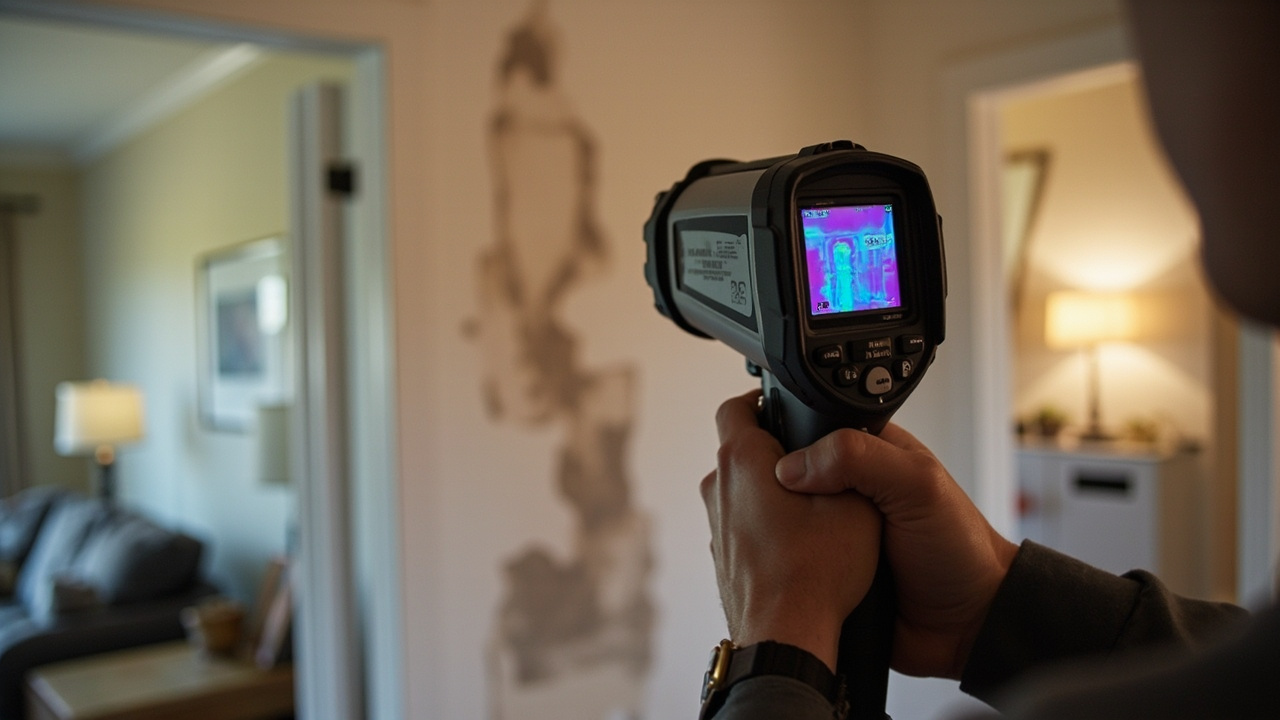
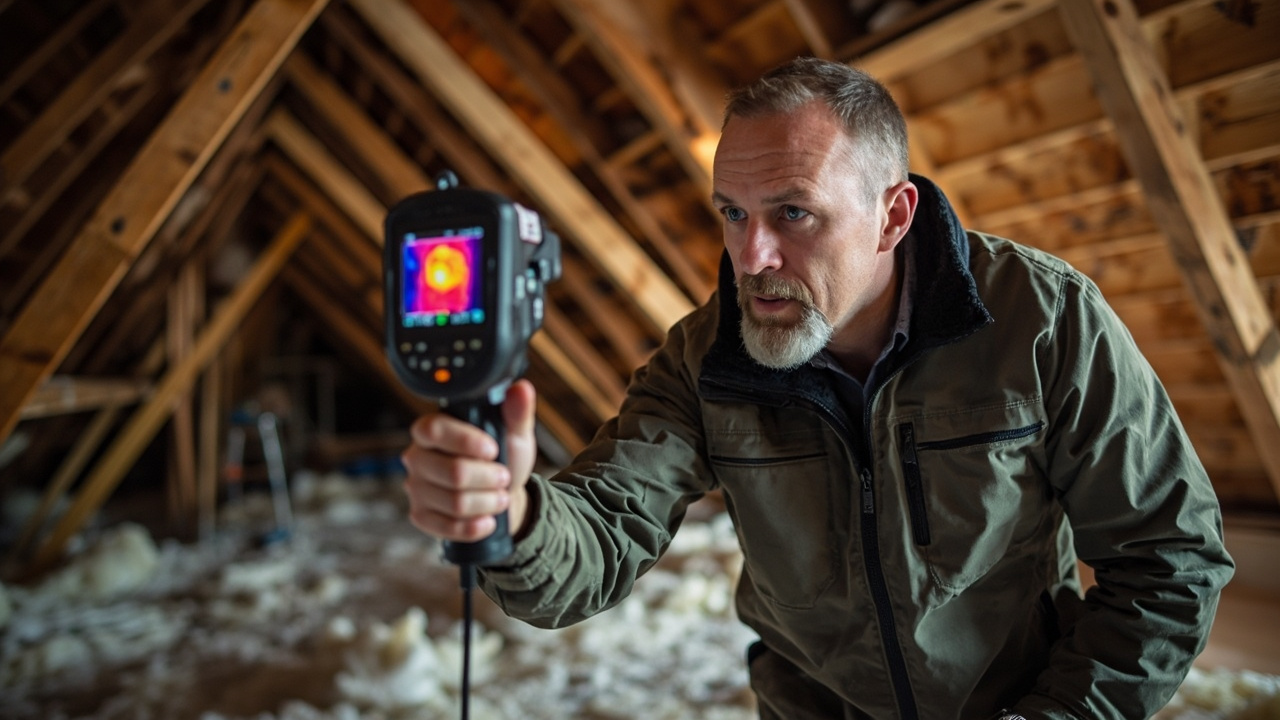
We use thermal imaging cameras to scan your walls and ceilings. Water changes the temperature of building materials. A wet stud registers cooler than a dry one. Trapped moisture behind drywall shows up as a dark blue zone on the thermal scan. We follow that zone to the source.

Once we locate the leak, we check for secondary damage. Water does not travel in straight lines. It follows the path of least resistance. It runs along floor joists, drips into wall cavities, and pools on top of vapor barriers. We use pin-type and non-invasive moisture meters to measure water content in wood framing, insulation, and drywall. If the reading is above 17 percent, the material needs drying or replacement.

Houston homes built before 1990 often have galvanized steel pipes. These corrode from the inside out. You do not see the rust until the pipe starts weeping at the threads. We inspect all plumbing connections near the stain zone. We check for active drips, mineral deposits, and oxidation patterns.

For roof leaks, we trace the water path from the attic down. Shingles fail. Flashing separates. Nail holes widen. We identify the entry point, not just the visible damage below it. Then we dry out the affected materials using commercial dehumidifiers and air movers. Only after moisture levels drop to normal do we begin repairs.

What Happens When You Call Us About a Stain

Water Stains on Drywall in Houston – Expert Diagnosis Before Mold Takes Hold
01

Initial Inspection and Moisture Mapping

We arrive within hours and scan the affected area with thermal imaging and moisture meters. This tells us where water is hiding, how far it has spread, and whether the leak is still active. You get a full damage report before we move a single tool.
02

Source Identification and Containment

We trace the water back to its origin. That could mean inspecting attic insulation, checking pipe fittings, or climbing onto the roof to examine flashing and shingles. We stop the leak first. If we cannot fix it ourselves, we coordinate with the right trade. No guessing.
03

Drying and Restoration

We set up drying equipment and monitor moisture levels daily until readings normalize. Once the structure is dry, we remove damaged drywall, replace insulation if needed, and restore your walls to pre-loss condition. We document everything for your insurance claim.

Why Houston Homeowners Call Silverline Water Damage Restoration Houston First

We are not a general handyman service that treats water stains like a paint job. We are a water damage restoration company that understands how Houston's climate accelerates deterioration.

Most local contractors do not own thermal imaging equipment. They cut a hole in your drywall, look around with a flashlight, and make an educated guess. That approach misses hidden moisture 60 percent of the time. You pay for repairs. Three months later, the stain comes back. You pay again.

We use FLIR thermal cameras and Tramex moisture meters because guessing costs you more in the long run. We map the full extent of water intrusion before we tear into your walls. That means we remove only what needs replacing. You do not pay to replace dry drywall.

Houston sits on expansive clay soil. Your foundation shifts every season. Those shifts create cracks in your slab and gaps around plumbing penetrations. Water finds those gaps. We check your foundation for settlement issues and recommend drainage solutions if needed. That is not upselling. That is preventing the same problem six months from now.

We also know how to work with Houston-area insurance adjusters. We document everything with photos, moisture readings, and equipment logs. We write estimates in Xactimate, the same software your adjuster uses. That speeds up your claim approval and gets you paid faster.

You are not hiring a crew that shows up whenever. You are hiring a restoration company that responds the same day, works directly with your insurer, and uses professional-grade equipment to fix the problem correctly.

What to Expect When You Hire Us

Same-Day Response and Assessment

You call us in the morning, we are at your door by afternoon. We do not schedule you out three days. Water damage does not wait, and neither do we. Our first visit includes a full thermal scan, moisture testing, and a written assessment of what needs to be done. You know the scope and the cost before we start work.

Comprehensive Moisture Testing and Leak Tracing

We do not assume anything. We test every surface near the visible stain. We check above it, below it, and on both sides of the wall. We use pin meters for drywall and non-invasive scanners for tile and hardwood. If there is hidden moisture, we find it. That eliminates surprises halfway through the job.

Dry Structure Before Cosmetic Repairs

We do not patch over wet drywall. We dry it first. That means running dehumidifiers and air movers for 48 to 72 hours, depending on the severity. We monitor moisture levels daily. Once readings drop below 15 percent, we move forward with repairs. You get a structure that will not grow mold next month.

Post-Restoration Moisture Verification

After we complete repairs, we do a final moisture scan to confirm everything is dry. We also check the original leak source to make sure it is still sealed. You get a written moisture report showing baseline readings. If you ever see another stain, you can compare the new readings to the baseline and know immediately if it is a new leak.

Frequently Asked Questions

You Have Questions,
We Have Answers

How do you get water stains out of drywall? +

You cannot remove water stains from drywall with surface cleaning alone. The stain indicates water penetrated the gypsum core. First, fix the source of moisture. Let the area dry completely using fans or dehumidifiers. This can take 3-5 days in Houston's humid climate. Once dry, apply a stain-blocking primer like Kilz or BIN to seal the discoloration. Then repaint with matching wall paint. If the drywall feels soft or crumbly, the damaged section needs replacement. Painting over active moisture or unprimed stains will cause bleed-through within weeks.

How to tell if water is leaking behind drywall? +

Check for soft or spongy drywall when you press the wall surface. Active leaks create bulging, sagging, or warped sections. Look for discoloration that spreads or darkens over time. Feel the wall for dampness or temperature changes compared to surrounding areas. Peeling paint or bubbling texture indicates trapped moisture. In Houston homes, listen for dripping sounds inside walls during quiet hours. Use a moisture meter to detect hidden wetness behind the surface. Musty odors near baseboards or outlets signal ongoing moisture problems. If you suspect a concealed leak, call a professional before mold spreads.

Can I paint over water stained drywall? +

Never paint over water-stained drywall without proper prep. The stain will bleed through standard latex paint within days. First, verify the moisture source is fixed and the wall is bone dry. Use a moisture meter to confirm readings below 12 percent. Apply two coats of stain-blocking primer designed for water damage. Products with shellac or oil base work best in Houston's humidity. Let each primer coat dry fully. Then apply your finish paint. Skipping the primer wastes time and money. If the drywall feels soft or shows texture damage, replace that section instead.

Why do I have water marks on my walls but no leak? +

Water marks without visible leaks often come from condensation. Houston's high humidity causes moisture to form on cold surfaces like exterior walls with poor insulation or air conditioning ducts. Check attics for roof ventilation problems. Bathroom exhaust fans vented into attics instead of outside create condensation stains on ceilings. Plumbing leaks inside walls can migrate along studs before appearing elsewhere. HVAC drain lines clogged with algae cause slow seepage. Window seal failures let moisture penetrate wall cavities. Past leaks that dried still leave stains. A thermal camera inspection reveals hidden moisture sources.

Is drywall ruined once it gets wet? +

Drywall exposed to water for under 48 hours can often be saved if dried properly. The key is speed. Use fans, dehumidifiers, and remove baseboards to increase airflow. Clean water from supply lines is less damaging than contaminated water. If drywall stays wet beyond 72 hours in Houston's humidity, mold growth begins and replacement becomes necessary. Saturated drywall loses structural integrity. The paper facing delaminates and gypsum crumbles. Cosmetic staining alone does not mean replacement. Feel the texture. If it feels firm after drying, prime and repaint. Soft or crumbly sections must be cut out.

Will magic eraser remove water stains on walls? +

Magic erasers will not remove water stains from drywall. These melamine foam sponges work on surface dirt but cannot extract stains embedded in gypsum. Water stains penetrate the porous drywall core. Scrubbing damages the paper facing and creates texture inconsistencies. You might lighten the stain temporarily, but it will reappear as moisture wicks back to the surface. Houston's humidity accelerates this bleed-through. The only fix is stain-blocking primer followed by paint. Magic erasers work on washable surfaces like baseboards or trim, not on absorbent wallboard. Save your effort and use the right products.

How long can drywall be wet before mold? +

Mold can begin growing on wet drywall within 24 to 48 hours in Houston's warm, humid conditions. Spores are always present in the air. They need moisture, food source like paper or gypsum, and temperatures above 60 degrees to colonize. Our subtropical climate provides the perfect environment. Visible mold appears as black, green, or brown spots. Musty odors indicate hidden growth. Once mold starts, it spreads rapidly behind walls. This is why emergency water damage requires immediate extraction and drying within the first day. Delay increases remediation costs and health risks significantly.

Does homeowners insurance cover water leaks in walls? +

Homeowners insurance typically covers sudden and accidental water damage, like burst pipes or appliance failures. Policies exclude gradual leaks from poor maintenance. If a washing machine hose ruptures and floods your walls, you are covered. Slow drips from neglected plumbing or roof leaks often get denied. Review your policy for water damage exclusions. Flood damage from hurricanes or storms requires separate flood insurance. Document everything with photos. File claims quickly. Insurance adjusters look for evidence the damage was sudden. Regular home maintenance records help your case. Denial rates increase when leak sources show long-term neglect.

How to tell if drywall has water damage? +

Press the drywall to check for soft, spongy, or sagging sections. Visible signs include brown or yellow stains, peeling paint, or bubbling texture. Run your hand across the surface to feel temperature differences. Wet areas feel cooler. Look for warping or bowing along seams. Baseboards may show gaps or water marks. Musty smells near walls indicate trapped moisture and possible mold. Use a moisture meter for hidden damage. Readings above 16 percent confirm wetness. In Houston homes, check exterior walls and ceilings below bathrooms or attics first. These areas experience the most moisture exposure.

What do water stains on drywall look like? +

Water stains on drywall appear as yellow, brown, or rust-colored rings and blotches. Fresh stains look darker and may feel damp. Old stains fade to tan or beige. Ceiling stains often form concentric circles radiating from the leak source. Wall stains create irregular shapes that follow gravity or stud lines. Edges appear fuzzy where moisture wicks through gypsum. Severe staining turns grayish-black when mold colonizes. Texture may look flattened or dissolved in saturated areas. In Houston's humid climate, stains can expand slowly over weeks as moisture migrates through the wallboard core.

How Houston's Humidity Turns Small Leaks Into Structural Problems

Houston averages 90-plus days of rain per year, and relative humidity rarely drops below 60 percent. When water enters your walls, it does not evaporate quickly. It sits. Drywall becomes saturated. Wood framing swells. Insulation compresses and loses its R-value. Mold spores activate within 24 hours. A small brown water spot on the wall can turn into a black mold colony behind your drywall before you notice the paint bubbling. The Gulf Coast climate does not give you time to wait and see if the stain dries on its own.

We have worked on homes in Montrose, the Heights, Bellaire, and across the greater Houston metro. We know the common failure points in older pier-and-beam homes. We understand how slab foundations crack during droughts and heave during heavy rains. We know which neighborhoods have cast iron sewer lines that are overdue for replacement. That local knowledge helps us diagnose your water stain faster and more accurately than a national franchise crew that rotates through different cities every month.
Water Damage Restoration Services in The Houston Area

Easily locate our service area and see how Silverline is strategically positioned to provide rapid water damage restoration services throughout Houston and its surrounding communities. Our commitment to prompt response means we're never far away when disaster strikes, ensuring your property gets the urgent care it needs, wherever you are within our service radius. We're here to serve you efficiently.

Address:
Silverline Water Damage Restoration Houston, 3730 Kirby Dr, Houston, TX, 77098

Additional Services We Offer

Our news updates

Latest Articles & News from The Blogs

Dealing with Attic Water Damage from Leaky Roofs in KingwoodHomeowners in the Kingwood area face significant moisture challenges due to…

Dealing with Attic Water Damage from Leaky Roofs in Kingwood

Dealing with Attic Water Damage from Leaky Roofs in KingwoodHomeowners in the Kingwood area face significant moisture challenges due to…

Why a Home Dehumidifier Cannot Save Your Third Ward Living Room from Water Damage

Why a Home Dehumidifier Cannot Save Your Third Ward Living Room from Water DamageYour Third Ward home faces unique challenges…

Planning Your Tropical Storm Recovery Strategy for League City and Bay Area Residences

Planning Your Tropical Storm Recovery Strategy for League City and Bay Area Residences Living in the Houston Bay Area during…

Contact Us

Do not wait for the stain to grow. Call Silverline Water Damage Restoration Houston at (832) 336-3663 right now. We will scan your walls, find the source, and give you a written plan to fix it. Same-day service available.