





menu

Wet Carpet & Padding in Houston – Expert Diagnosis Before Mold Takes Hold

When flooded carpet and underpad sit too long in Houston's humidity, mold colonies form within 24 to 48 hours. Silverline Water Damage Restoration Houston identifies hidden moisture pockets, extracts standing water, and removes contaminated materials before respiratory hazards develop.

Slider Image 1
Slider Image 2
Slider Image 3
Slider Image 4
Slider Image 5
Slider Image 7
Slider Image 8
Slider Image 9
Slider Image 10
Slider Image 11

Why Wet Carpet Turns into a Health Hazard So Fast in Houston

Houston's average relative humidity hovers near 75 percent year-round. When water saturates carpet and cushion, that moisture does not evaporate naturally. It migrates downward into the pad, spreads laterally across the subfloor, and creates a perfect breeding ground for mold spores, bacteria, and dust mites.

You might see visible staining or smell a musty odor within hours. What you cannot see is more dangerous. Water damaged carpet and pad wick moisture into drywall, baseboards, and subflooring. Mold colonies begin growing on organic materials within 24 to 48 hours. Once established, these colonies release spores into the air. Children, elderly residents, and anyone with respiratory conditions face the highest risk.

Soaked carpeting and underlay also lose structural integrity. The adhesive binding carpet fibers to the backing dissolves. The foam or felt padding compresses and disintegrates. Floors beneath the padding warp, buckle, or develop rot. The longer saturated carpet and cushion remain in place, the more extensive the damage becomes.

Many homeowners try fans or towels first. Surface drying does not remove moisture trapped in padding or subflooring. Without professional extraction and controlled drying, you mask the problem while mold spreads behind the scenes. Houston's subtropical climate accelerates this process faster than in drier regions.

Immediate action stops the progression. Waiting even one day increases restoration costs and health risks.

Why Wet Carpet Turns into a Health Hazard So Fast in Houston
How We Extract Water and Prevent Mold in Wet Carpet Systems

How We Extract Water and Prevent Mold in Wet Carpet Systems

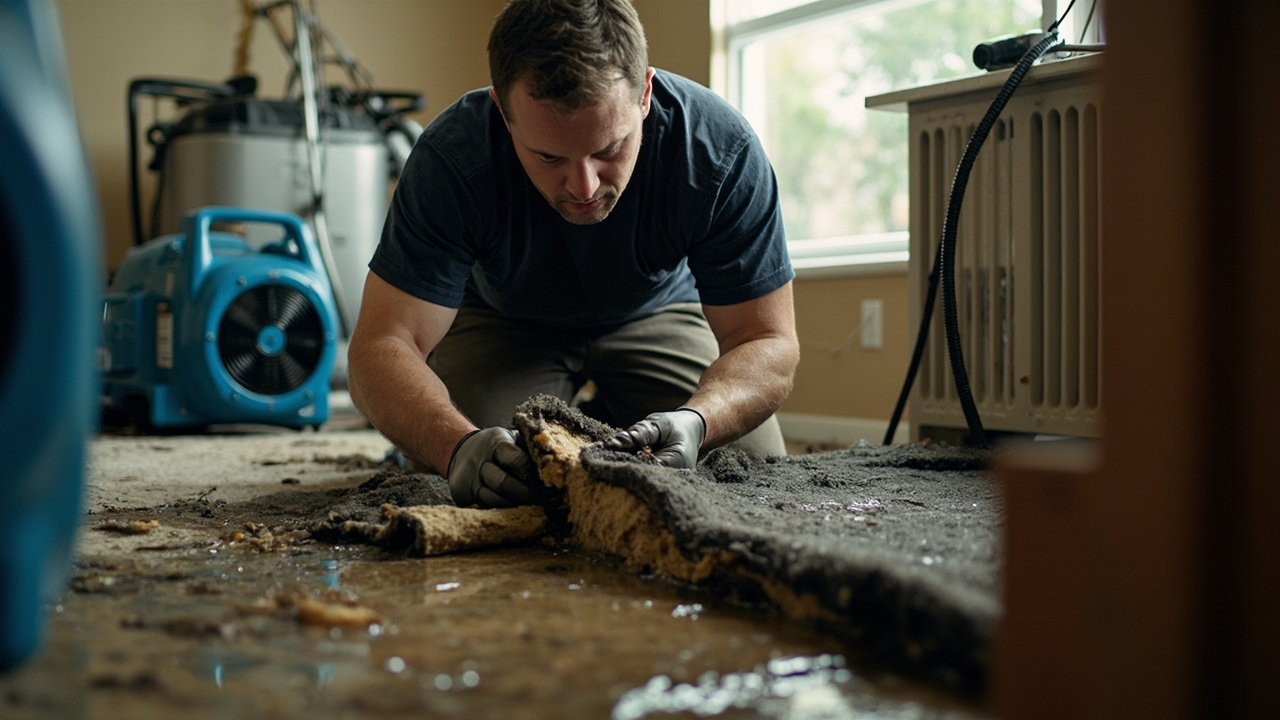
Silverline Water Damage Restoration Houston uses truck-mounted extraction units that pull moisture from flooded carpet and underpad at a rate far beyond what consumer wet-dry vacuums achieve. These systems generate negative pressure, drawing water out of the carpet backing, padding, and subflooring in a single pass.

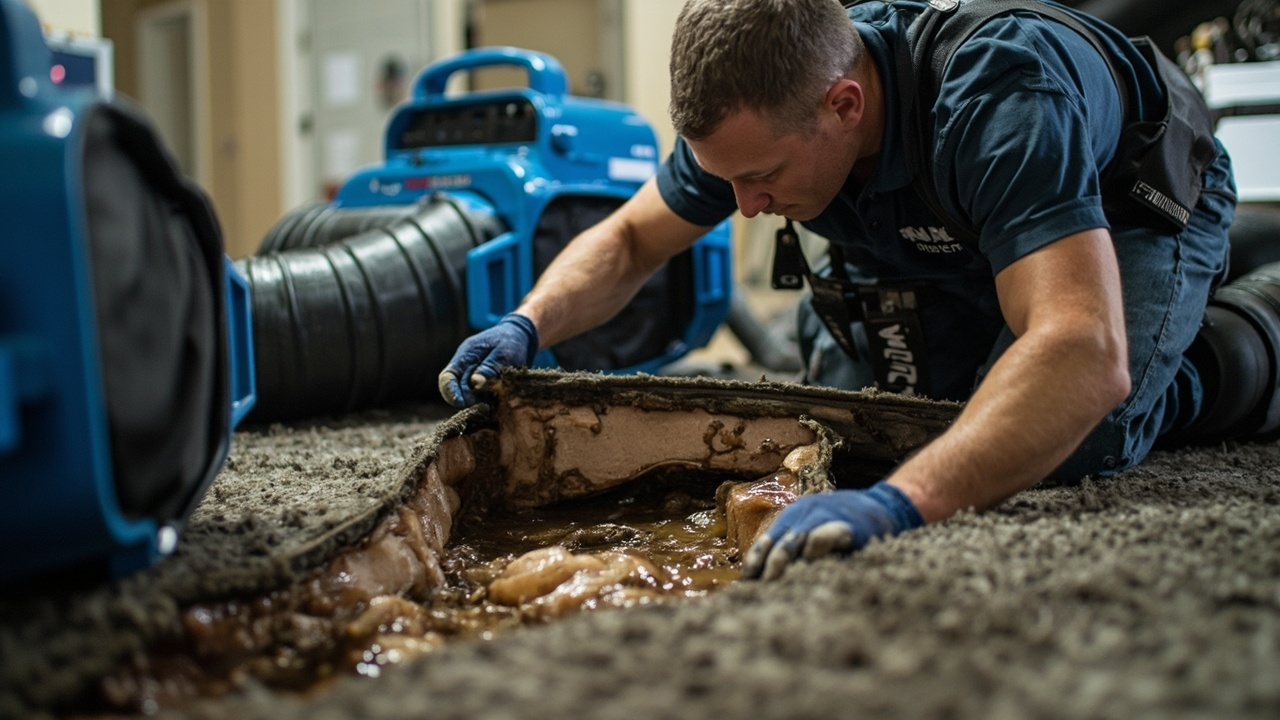
We do not stop at surface extraction. Moisture meters measure water content in the carpet, pad, and subfloor. If readings exceed safe thresholds, we remove and discard the padding. Carpet padding is porous and cannot be fully sanitized after contamination. Attempting to dry it in place leaves residual moisture and organic material that feeds mold growth.

After removing compromised materials, we inspect the subfloor for warping, swelling, or rot. Plywood and OSB subflooring swell when exposed to water. If the swelling is minor, we use air movers and dehumidifiers to dry the material gradually. If the subfloor has buckled or shows signs of rot, we document the damage for insurance claims and recommend replacement.

Air movers create high-velocity airflow across surfaces, increasing evaporation rates. Dehumidifiers pull moisture from the air, preventing it from reabsorbing into building materials. We position equipment based on airflow patterns, room size, and moisture readings. This is not a guessing game. We adjust equipment placement and monitor readings every 24 hours until all materials reach equilibrium moisture content.

We also apply antimicrobial treatments to surfaces that contacted contaminated water. This step kills bacteria and inhibits mold spore germination. The goal is to return your home to pre-loss condition, not just make it look dry.

What Happens When You Call Us About Wet Carpet

Wet Carpet & Padding in Houston – Expert Diagnosis Before Mold Takes Hold
01

Emergency Water Extraction

We arrive within two hours of your call, assess the source of water intrusion, and begin extraction immediately. Truck-mounted units remove standing water from soaked carpeting and underlay. We document moisture levels in carpet, padding, and subflooring with calibrated meters. This baseline data guides drying targets and insurance documentation. Speed matters because every hour increases mold risk and material degradation.
02

Material Removal and Evaluation

We pull back carpet to inspect the padding and subfloor. If the padding is saturated or contaminated, we remove and discard it. Padding cannot be salvaged after significant water exposure. We check subflooring for swelling, soft spots, or discoloration. If the subfloor is compromised, we document it with photos and moisture readings. This information supports your insurance claim and ensures structural integrity before reinstallation.
03

Drying and Verification

We set up air movers and dehumidifiers to dry remaining materials to safe moisture levels. Daily monitoring ensures drying progresses without overheating or warping materials. Once moisture readings match dry standards, we apply antimicrobial treatments and verify the space is safe for reinstallation. You receive a final moisture report showing all readings within acceptable ranges. This documentation protects you if issues arise later.

Why Houston Homeowners Trust Local Expertise for Water Damage

Houston's water damage challenges are not generic. Homes built on expansive clay soils experience foundation shifts that crack plumbing lines. Tropical storms dump inches of rain in hours, overwhelming drainage systems and flooding homes from ground level. Aging cast iron sewer lines corrode and leak under slab foundations. These are not rare events. They happen every year across the greater Houston metro.

Silverline Water Damage Restoration Houston responds to these conditions daily. We understand how water migrates through pier-and-beam foundations common in older neighborhoods like the Heights. We know how concrete slab foundations in newer developments trap moisture when carpet padding saturates. We recognize the signs of secondary damage caused by high humidity after the initial water intrusion stops.

Local knowledge extends to insurance claims. We document damage in ways that align with Texas claim requirements. Adjusters in Houston see thousands of water damage claims every year. They know when documentation is incomplete or exaggerated. We provide accurate moisture readings, photo documentation, and detailed scope reports that support fair claim settlements. This transparency protects you from disputes or underpayment.

We also respond faster than regional or national chains. Our team is based in Houston, not dispatched from Dallas or Austin. When you call at 2 a.m. because a supply line burst, we arrive within two hours, not the next business day. Speed matters when mold begins growing within 24 hours.

You want someone who has seen your exact problem in your exact climate dozens of times before. That is what local expertise delivers.

What You Should Expect During Wet Carpet Restoration

Response Time and Availability

We operate 24 hours a day, seven days a week. When you call, a live person answers, not an answering service. We dispatch a crew within two hours of your call, even during overnight hours or weekends. Water damage does not wait for business hours, and neither do we. Our team arrives with truck-mounted extraction equipment, moisture meters, and air movers ready to begin work immediately. You do not wait days for an estimate while water spreads.

Initial Assessment and Moisture Mapping

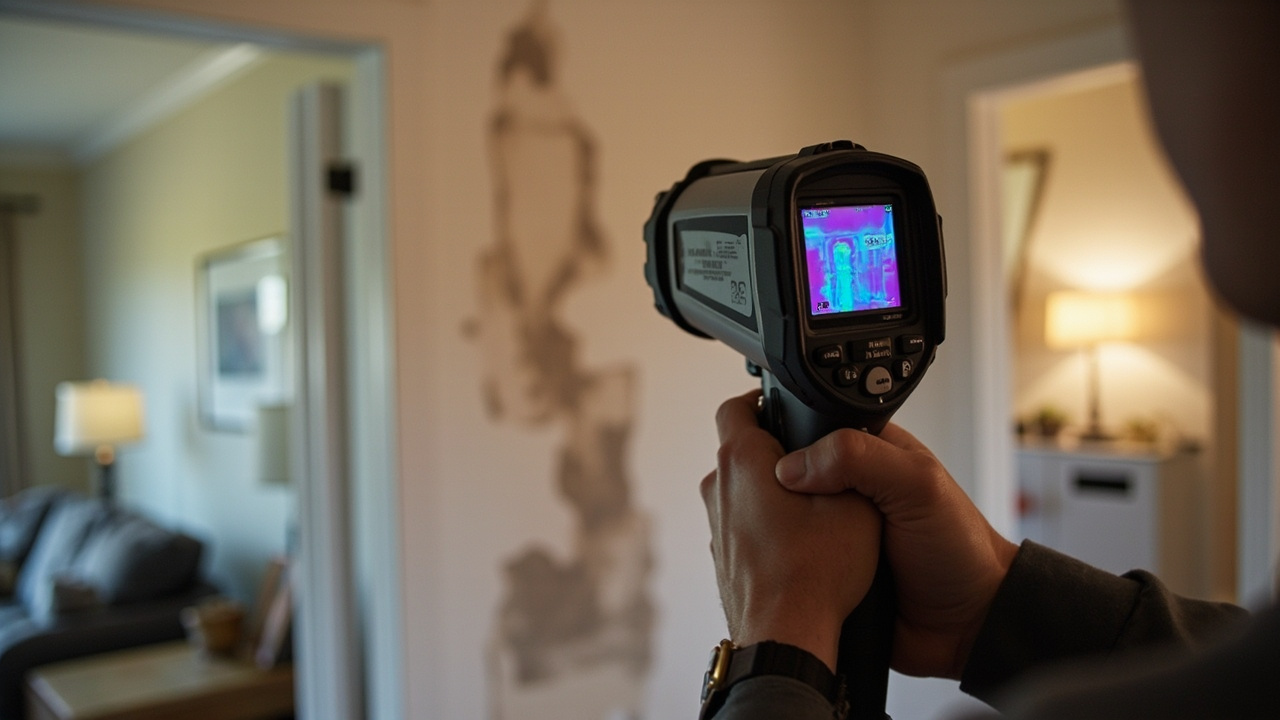
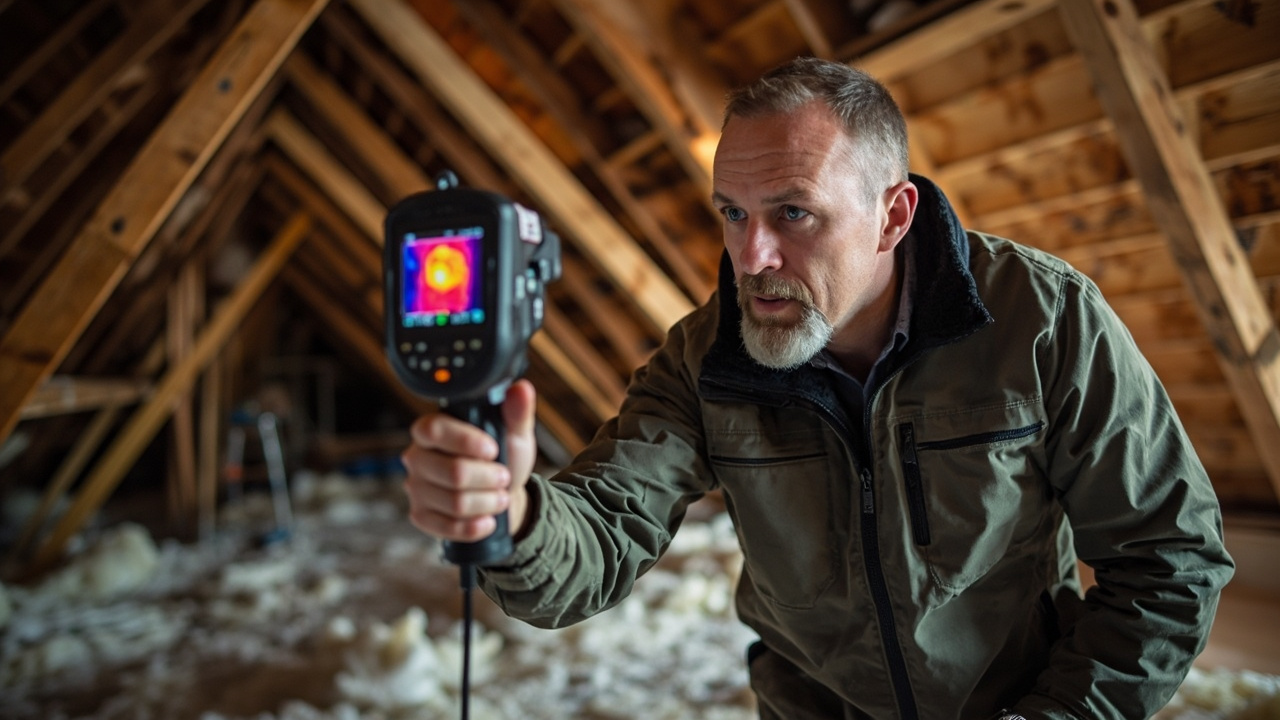
We inspect the affected area to identify the water source, category of water, and extent of damage. Moisture meters measure water content in carpet, padding, subflooring, and adjacent walls. We create a moisture map that shows where water has migrated. This map guides equipment placement and drying strategy. You receive a written scope of work that outlines which materials we can dry and which require removal. This assessment takes 30 to 45 minutes and provides clarity before any work begins.

Final Drying and Clearance Testing

Drying typically takes three to five days, depending on the extent of saturation and environmental conditions. We monitor moisture levels daily and adjust equipment as needed. Once all readings fall within dry standards, we remove equipment and conduct final verification. You receive a moisture report showing all readings at safe levels. This documentation confirms the area is dry and safe for reinstallation. If padding or subflooring required removal, we coordinate with flooring contractors for replacement.

Insurance Coordination and Documentation

We work directly with your insurance company to document damage and justify scope of work. You receive detailed photo documentation, moisture readings, and scope reports that support your claim. If the adjuster requests additional information or disputes coverage, we provide technical clarification based on industry standards. This coordination reduces stress and increases the likelihood of full claim approval. We do not inflate claims or recommend unnecessary work. We document what is damaged and what is required to restore your home safely.

Frequently Asked Questions

You Have Questions,
We Have Answers

Is carpet padding ruined if it gets wet? +

Yes, most carpet padding is ruined once it gets wet. Padding absorbs water like a sponge and holds moisture against your subfloor. This creates the perfect environment for mold growth, especially in Houston's humid climate where drying is slower. Even if the surface feels dry, padding remains saturated underneath. Standard foam and fiber padding cannot be properly sanitized after water exposure. The only exception is closed-cell rubber padding, which resists water absorption. In most cases, wet padding must be removed and replaced to prevent mold, odors, and structural damage to your flooring.

How to dry out wet carpet padding? +

You cannot effectively dry carpet padding once it is saturated. Padding sits beneath the carpet against the subfloor, making air circulation nearly impossible. Fans and dehumidifiers only dry the carpet surface, leaving padding wet underneath. Attempting to dry padding in place takes days or weeks, giving mold time to colonize in Houston's high humidity. Professional water extraction removes surface water but cannot reach moisture trapped in dense padding. The only solution is to pull back the carpet, remove the wet padding, dry the subfloor completely, and install new padding before reinstalling the carpet.

Is carpet ruined if it gets wet? +

Carpet is not automatically ruined when wet, but the outcome depends on water type and response time. Clean water from a supply line can be managed if you act within 24 to 48 hours. However, water from sewage backups or flooding contains contaminants that make carpet unsalvageable. The carpet backing and padding absorb water quickly, and Houston's humidity accelerates mold growth. Synthetic carpets dry better than natural fibers like wool. If you extract water immediately, dry the subfloor, and replace padding, carpet can often be saved. Delay increases the chance of permanent damage, odors, and mold.

How long can carpet stay wet before mold? +

Mold can start growing in wet carpet within 24 to 48 hours under the right conditions. Houston's heat and humidity create an ideal environment for rapid mold colonization. Spores are always present in the air and only need moisture and organic material to grow. Carpet fibers, backing, and padding provide food for mold. The padding underneath stays wet longer than the carpet surface, giving mold more time to establish. Once mold begins, it spreads quickly and releases spores into your indoor air. Fast action is critical. You need water extraction, padding removal, and drying within the first day.

How long does it take for carpet to dry after water damage? +

Carpet can take 6 to 12 hours to dry with professional equipment, but padding and subfloors take much longer. Surface drying does not mean the carpet is safe. Padding underneath can stay wet for days, even with air movers and dehumidifiers running. Houston's humidity slows the process further. Concrete subfloors can hold moisture for weeks if not properly dried. Professional restoration uses moisture meters to confirm drying, not just visual checks. Drying time depends on water volume, carpet type, airflow, and humidity control. Rushing the process or assuming the carpet is dry leads to hidden mold growth.

Can mold grow under carpet padding? +

Yes, mold grows easily under carpet padding after water damage. Padding traps moisture against the subfloor and blocks airflow, creating a dark, damp environment where mold thrives. Houston's humidity makes this worse. You cannot see mold growing beneath the carpet until it spreads or produces a musty smell. By then, contamination is widespread. Padding is porous and absorbs water quickly, holding it for days or weeks. Even if the carpet surface dries, padding remains wet. Mold on padding releases spores into your home and can cause health issues. Wet padding must be removed and replaced immediately.

Can carpet be saved after water damage? +

Carpet can sometimes be saved after water damage, but only with fast action and the right conditions. If clean water is extracted within 24 hours, the subfloor is dried completely, and wet padding is removed, synthetic carpet may be salvageable. Natural fiber carpets like wool are harder to save. Water from sewage, flooding, or contaminated sources ruins carpet permanently due to bacteria and toxins. Houston's humidity shortens your response window. If mold starts growing or the carpet develops odors, replacement is necessary. Professional assessment determines if restoration is possible or if replacement is safer and more cost effective.

Is it okay to sleep in a room with wet carpet? +

No, you should not sleep in a room with wet carpet. Wet carpet and padding release moisture into the air, increasing indoor humidity and promoting mold growth. Mold spores, bacteria, and allergens become airborne and can trigger respiratory issues, especially for children, elderly individuals, or anyone with asthma. You cannot see mold in the early stages, but it starts growing within 24 to 48 hours. Sleeping in a damp room exposes you to these health risks for hours at a time. Move to a dry room until the carpet, padding, and subfloor are fully dried or replaced.

What pulls water out of carpet? +

Professional truck-mounted water extractors pull the most water out of carpet. These machines use powerful suction to remove standing water and moisture from carpet fibers and backing. Wet vacuums and shop vacs help with smaller areas but lack the power for deep extraction. After extraction, air movers and dehumidifiers remove remaining moisture from the air and materials. Fans alone do not work in Houston's humid climate. Towels and blotting remove surface water but leave padding saturated. The key is removing water quickly before it soaks through to the subfloor. Fast extraction reduces drying time and mold risk.

Should you replace carpet if it gets wet? +

You should replace carpet if it stayed wet for more than 48 hours, shows mold growth, or was exposed to contaminated water. Clean water damage caught early may allow carpet salvage, but padding almost always needs replacement. Padding cannot be dried or sanitized once saturated. If the carpet smells musty, feels damp after drying attempts, or shows discoloration, replacement is necessary. Houston's humidity accelerates mold growth, shortening your decision window. Trying to save severely damaged carpet risks health problems and further damage to your subfloor. Replacement costs less than dealing with mold remediation and structural repairs later.

How Houston's Humidity and Flooding History Make Wet Carpet a Recurring Threat

Houston receives an average of 50 inches of rain per year, with intense storms capable of dropping six inches in less than three hours. The city's flat topography and inadequate drainage infrastructure cause water to pool around homes during heavy rain events. Combined with 75 percent average humidity, wet carpet and padding do not dry naturally. Moisture remains trapped in porous materials, creating ideal conditions for mold growth and structural damage. Residents near Buffalo Bayou, Brays Bayou, or White Oak Bayou face elevated flooding risk during tropical storms and hurricanes. Even homes outside flood zones experience carpet saturation from failed water heaters, burst supply lines, or roof leaks. The local climate amplifies every water intrusion event, making professional extraction and drying critical.

Houston homeowners need water damage professionals who understand local building practices and insurance claim processes. Many homes in the greater Houston metro were built during rapid expansion periods with varying construction standards. Pier-and-beam foundations in older neighborhoods like Montrose require different drying strategies than concrete slabs in newer developments like Katy or Sugar Land. Local contractors recognize these differences and adjust equipment placement accordingly. Texas insurance claims also require specific documentation standards. Adjusters in Houston process thousands of water damage claims annually and know when documentation is incomplete. Choosing a local restoration company ensures your claim is documented correctly and processed efficiently.
Water Damage Restoration Services in The Houston Area

Easily locate our service area and see how Silverline is strategically positioned to provide rapid water damage restoration services throughout Houston and its surrounding communities. Our commitment to prompt response means we're never far away when disaster strikes, ensuring your property gets the urgent care it needs, wherever you are within our service radius. We're here to serve you efficiently.

Address:
Silverline Water Damage Restoration Houston, 3730 Kirby Dr, Houston, TX, 77098

Additional Services We Offer

Our news updates

Latest Articles & News from The Blogs

Dealing with Attic Water Damage from Leaky Roofs in KingwoodHomeowners in the Kingwood area face significant moisture challenges due to…

Dealing with Attic Water Damage from Leaky Roofs in Kingwood

Dealing with Attic Water Damage from Leaky Roofs in KingwoodHomeowners in the Kingwood area face significant moisture challenges due to…

Why a Home Dehumidifier Cannot Save Your Third Ward Living Room from Water Damage

Why a Home Dehumidifier Cannot Save Your Third Ward Living Room from Water DamageYour Third Ward home faces unique challenges…

Planning Your Tropical Storm Recovery Strategy for League City and Bay Area Residences

Planning Your Tropical Storm Recovery Strategy for League City and Bay Area Residences Living in the Houston Bay Area during…

Contact Us

Wet carpet and padding create health hazards within 24 hours. Call (832) 336-3663 for immediate water extraction and professional drying. We respond to homes across Houston with truck-mounted equipment and certified technicians who stop damage before it spreads.