





menu

Emergency Roof Leak Tarping in Houston – 24/7 Crews Dispatched in Under 60 Minutes

When your roof fails during a storm, you need urgent roof tarping services that stop water intrusion fast. Our emergency roof leak tarp service teams are on standby across Houston with industrial-grade materials and the expertise to prevent catastrophic interior damage.

Slider Image 1
Slider Image 2
Slider Image 3
Slider Image 4
Slider Image 5
Slider Image 7
Slider Image 8
Slider Image 9
Slider Image 10
Slider Image 11

Houston Storm Damage Waits for No One

You hear the wind howl. You feel the house shudder. Then you see the first drip from the ceiling.

Houston's unpredictable weather patterns bring intense thunderstorms, hail events, and hurricane-force winds that rip through roofing systems without warning. When shingles blow off, tree limbs puncture decking, or hail compromises your roof membrane, rain does not wait for business hours to pour into your attic, walls, and living spaces.

Every minute water flows into your home accelerates secondary damage. Insulation becomes waterlogged. Drywall swells and crumbles. Wood framing begins to absorb moisture, creating the perfect breeding ground for mold spores. Electrical systems face exposure risks. What starts as a roof leak becomes a multi-system failure that doubles or triples your restoration costs.

Emergency roof tarp installation is not cosmetic. It is structural triage. A proper emergency temporary roof covering creates an immediate moisture barrier that stops active intrusion, protects your belongings, and buys you time to coordinate permanent repairs with your insurance carrier.

In Houston's humid subtropical climate, even a small breach in your building envelope can trigger explosive mold growth within 48 hours. You cannot wait until morning. You cannot hope the rain stops. You need 24 hour roof tarping from a team that understands how water moves through Gulf Coast construction and what it takes to stop it cold.

The difference between a manageable claim and a total loss often comes down to how fast you get that roof sealed.

Houston Storm Damage Waits for No One
How We Execute Emergency Roof Tarping Under Pressure

How We Execute Emergency Roof Tarping Under Pressure

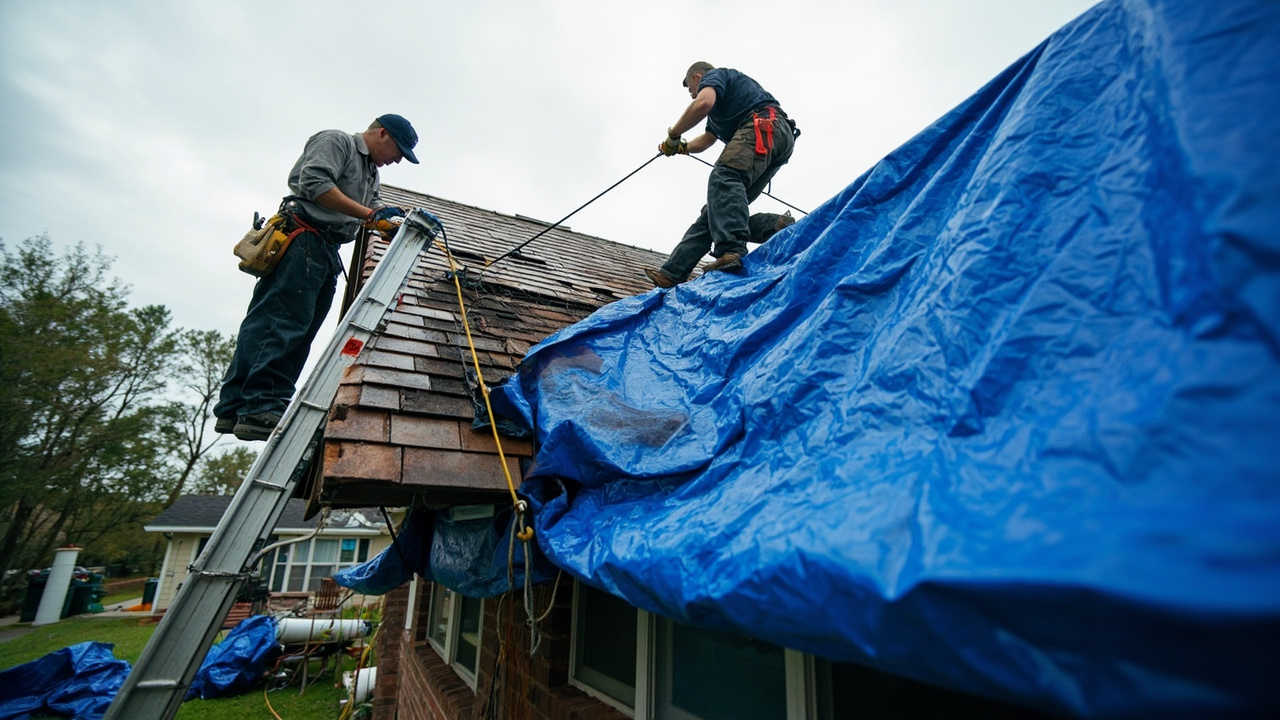
Our approach to urgent roof tarping services is built on speed, safety, and structural integrity. We do not slap blue poly over a hole and call it done. We execute a tactical water intrusion shutdown designed to withstand Houston's weather volatility.

When you call, our dispatch team logs your address, confirms the damage scope through a rapid phone assessment, and activates the nearest mobile unit. We maintain staged equipment across the greater Houston metro, which means we arrive with commercial-grade reinforced polyethylene tarps, anchor boards, fasteners, and safety rigging already loaded.

Our technicians perform a perimeter safety assessment before roof access. We identify structural hazards like compromised decking, exposed nails, or unstable sheathing that could injure personnel or worsen under foot traffic. Safety is non-negotiable, even in emergencies.

Once on the roof, we clear debris from the damaged zone, measure the breach dimensions, and select tarp sizing that extends at least four feet beyond the compromised area in all directions. This overlap is critical. Water does not fall straight down. Wind-driven rain moves laterally under inadequate coverings, rendering undersized tarps useless.

We secure tarps using anchor boards, not just sandbags. Anchor boards distribute load across multiple fastener points and create a mechanical hold that resists uplift forces during subsequent wind events. We sandwich the tarp edge between two boards and drive corrosion-resistant screws through sound decking or rafters. Every anchor point is inspected for pullout resistance.

For complex roof geometries like valleys, hips, or penetrations around chimneys and vent stacks, we use custom folding techniques to channel water away from vulnerable transitions. This is not guesswork. It is applied building science executed under time pressure.

What Happens When You Call for Emergency Tarping

Emergency Roof Leak Tarping in Houston – 24/7 Crews Dispatched in Under 60 Minutes
01

Immediate Dispatch and Assessment

Within minutes of your call to (832) 336-3663, our dispatch team activates the closest available emergency response unit. We gather critical details about your roof type, visible damage, and active leaking while our crew mobilizes. You receive an estimated arrival time and direct contact information for the responding technician. We treat every call as a race against progressive water damage because in Houston's climate, it is.
02

Roof Access and Securing

Our crew arrives with pre-loaded tarping materials and safety equipment. We perform a rapid structural assessment to identify fall hazards and unstable zones before accessing the damaged area. Using commercial-grade reinforced tarps and mechanical anchor systems, we cover the breach with overlap that extends well beyond the compromised zone. Every fastener placement is calculated to resist Houston's wind loads and prevent tarp failure during the next weather event.
03

Interior Inspection and Documentation

Once the roof is sealed, we move inside to assess water intrusion damage. We document affected areas with photos, moisture readings, and detailed notes for your insurance claim. You receive a written summary of our findings, recommendations for permanent repairs, and guidance on next steps. This documentation often accelerates claims processing and helps you avoid disputes with adjusters over causation or damage extent.

Why Houston Properties Need Local Emergency Tarping Expertise

Not all roofing systems fail the same way. Houston's building stock ranges from 1960s ranch homes with original composition shingles to modern developments with architectural roofing and complex flashing details. Our technicians know these systems because we work on them every day across neighborhoods like Midtown, the Heights, Clear Lake, and Sugar Land.

We understand how Houston's clay soil movement affects structural framing and creates stress points in roof assemblies. We know which local roofing products perform well under Gulf Coast UV exposure and which degrade prematurely. We recognize the signs of previous storm damage that compromised your roof's integrity before this latest event, which matters immensely when filing insurance claims.

Local expertise means we arrive prepared for your specific roof type. We stock materials compatible with tile, metal, TPO, modified bitumen, and composition shingle systems. We know how to navigate the unique challenges of tarping historic bungalows in the Old Sixth Ward versus modern townhomes in the Energy Corridor.

Our relationship with Houston-area insurance adjusters gives you an advantage. We document damage in the format carriers expect. We provide detailed scope narratives that support your claim. We communicate in the technical language that prevents misunderstandings about what needs repair versus replacement.

Beyond technical capability, we operate with Houston's permit and code requirements in mind. While emergency tarping typically does not require permits, the permanent repairs that follow do. We flag code compliance issues early so you are not blindsided during the repair phase.

Trust matters when someone is climbing onto your damaged roof in the dark during a storm. We have built that trust property by property across the Houston metro for years.

What You Get With Our Emergency Roof Tarping Service

Rapid Response Time

We maintain 24 hour roof tarping availability with strategically positioned crews across Houston and surrounding counties. Average response time from call to on-site arrival is under 60 minutes for most areas within Beltway 8, faster than national franchise operations that route calls through distant dispatch centers. During major storm events, we scale up staffing and extend operational hours to handle surge demand. You speak directly with Houston-based coordinators who know your neighborhood and can give you accurate arrival estimates, not automated systems.

Comprehensive Damage Assessment

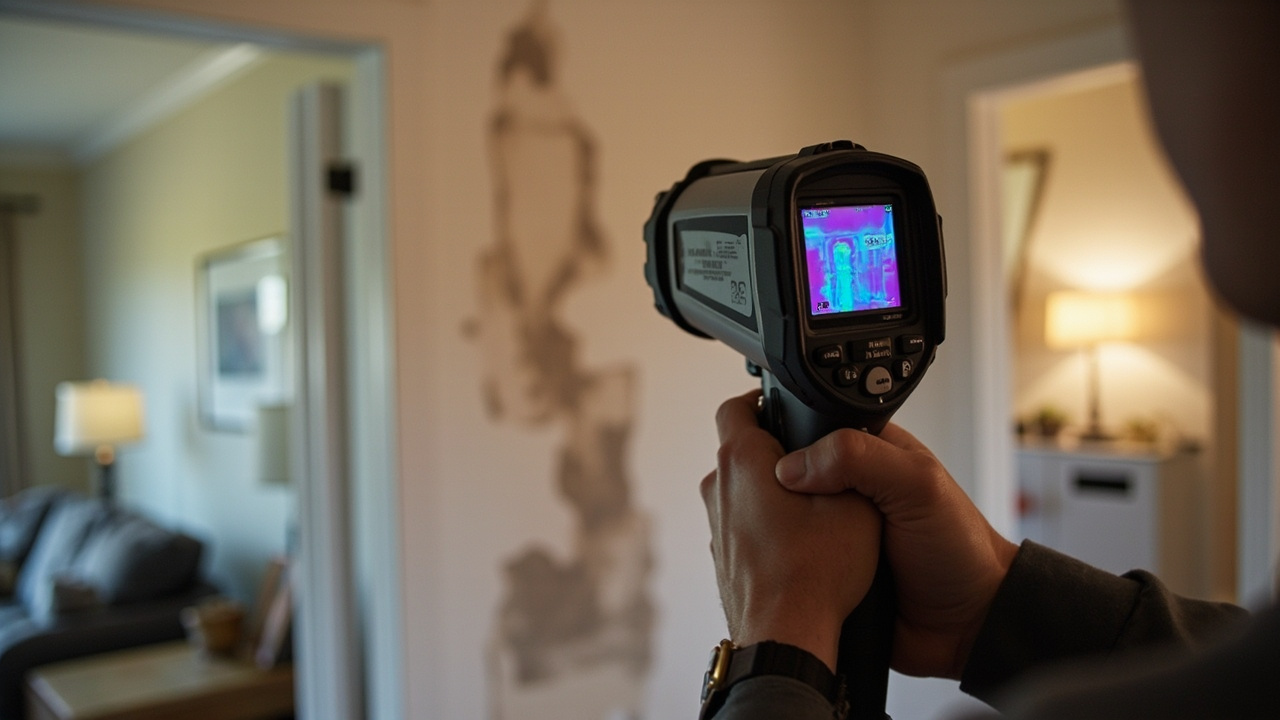
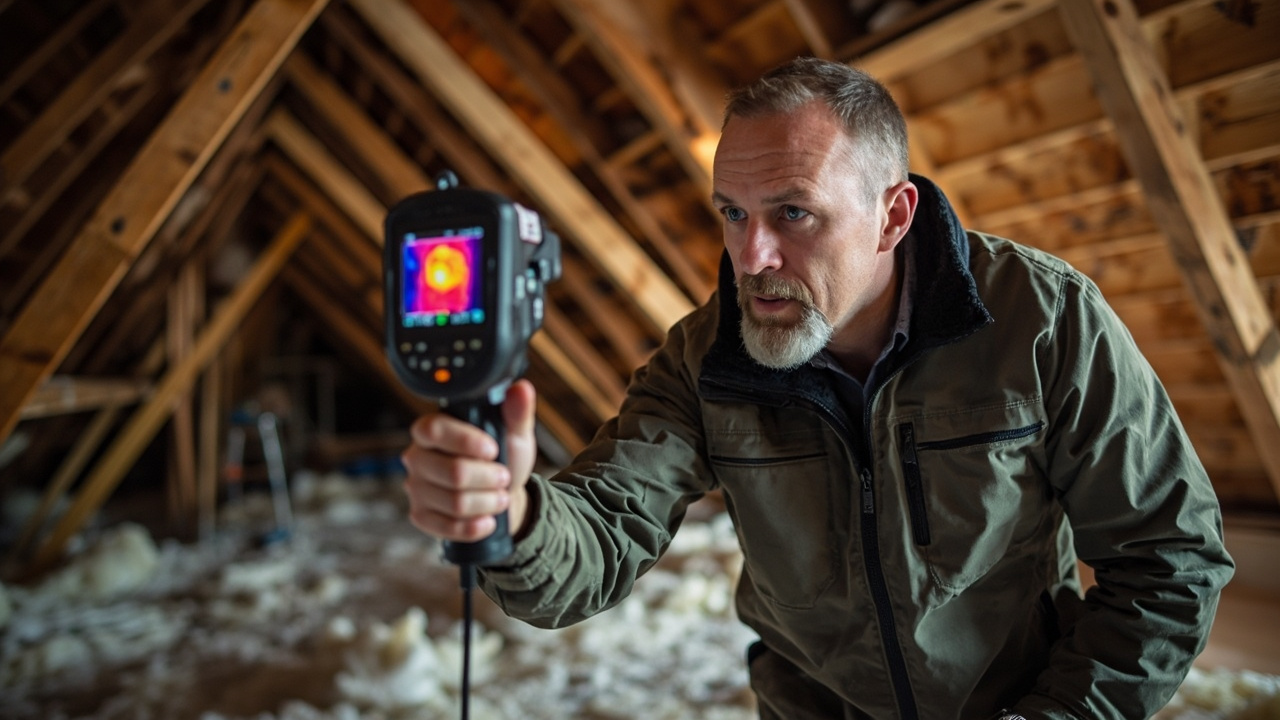
Emergency roof tarp installation is step one. We also perform interior moisture mapping using calibrated hygrometers and infrared thermal imaging to detect hidden water migration in wall cavities, ceiling voids, and insulation layers. This diagnostic work identifies the full damage footprint, preventing mold growth in areas you cannot see. You receive a written assessment that documents moisture readings, affected materials, and recommended mitigation steps. This report becomes a critical component of your insurance claim and helps prevent coverage disputes over hidden damage discovered later.

Durable Temporary Protection

Our emergency temporary roof covering is engineered to last weeks or even months while you coordinate permanent repairs. We use UV-stabilized reinforced polyethylene with tear resistance ratings far exceeding consumer-grade tarps. Anchor board attachment systems provide wind uplift resistance that keeps the covering in place through subsequent storms. We inspect critical attachment points and overlay seams to ensure water cannot penetrate at fastener locations. The goal is a temporary solution robust enough to protect your home through Houston's unpredictable weather patterns without requiring constant maintenance or re-securing.

Insurance Claim Support

We provide detailed photo documentation, moisture logs, and damage narratives formatted for insurance submissions. Many homeowners struggle to communicate the severity and scope of storm damage to adjusters. Our technical reports bridge that gap with industry-standard terminology and measurable data points that support your claim. We can coordinate site visits with your adjuster and provide professional testimony if disputes arise over causation or repair scope. This advocacy often results in faster claim approvals and more comprehensive coverage, offsetting emergency service costs through better settlements.

Frequently Asked Questions

You Have Questions,
We Have Answers

Can I put a tarp on my roof to stop leaks? +

Yes, you can tarp your roof to stop active leaks, but it must be done correctly to work. A tarp prevents rain from entering the damaged area and causing more water damage. In Houston, where sudden storms and high humidity accelerate interior damage, quick action matters. Secure the tarp over the entire damaged section, extending at least four feet beyond the leak. Use 2x4 boards to anchor it, never nails through the tarp alone. If your roof is steep, slick from rain, or damaged beyond a small area, call a professional immediately. Your safety comes first.

How to emergency tarp a roof? +

Locate the leak from inside your home, then inspect the roof exterior. Choose a heavy-duty polyethylene tarp larger than the damaged area. Roll the tarp across the ridge line so it covers both sides, extending four feet past the leak in all directions. Anchor it with 2x4 boards screwed through the tarp into the roof deck, creating a sandwich hold. Never walk on wet or damaged sections. Houston's unpredictable weather means storms can hit fast. If you are uncomfortable with heights or the damage is extensive, call a roofing professional now to prevent further water intrusion.

How to temporarily cover a leaking roof? +

Use a waterproof tarp as your first line of defense. Measure the leak area from inside, then go outside and cover the damaged section plus four feet beyond it. Secure the tarp with wooden battens or 2x4 boards, avoiding exposed nails that create new puncture points. In Houston, where afternoon thunderstorms can dump heavy rain in minutes, speed matters. If the leak is near valleys, chimneys, or vents, these areas need extra coverage. Temporary fixes buy you time, but schedule a permanent repair fast. Standing water and humidity will rot decking and breed mold within days.

How much does emergency roof tarping cost? +

Emergency roof tarping costs vary based on roof size, pitch, and damage extent. Expect to pay between $200 and $1,500 for professional installation. Houston homeowners face higher costs during peak storm seasons when demand spikes. A small tarp on a single-story home costs less than a multi-story or steeply pitched roof requiring safety equipment. DIY tarping saves money but risks improper installation, which can cause more damage. Many insurance policies cover emergency tarping as part of mitigation. Get multiple quotes, verify the contractor is insured, and ask about storm damage documentation for your claim.

How do you stop a leaking roof during heavy rain? +

Move fast. Place buckets under interior drips to contain water. Go into your attic and locate where water enters, then mark it. If safe, get on the roof and cover the area with a tarp, extending well beyond the leak point. Secure it with boards, not just weights. Houston's intense rain can strip an unsecured tarp in minutes. If the storm is active and dangerous, stay inside and manage interior damage until conditions improve. Never risk your life on a wet roof during lightning or high winds. Call a professional roofer who has safety gear and experience working in severe weather.

Why are people putting blue tarps on their roof? +

Blue tarps signal emergency roof damage, often from storms, hurricanes, or fallen trees. Homeowners use them as temporary waterproofing while waiting for insurance adjusters and repair crews. In Houston, you see blue tarps after every major storm because they stop immediate water intrusion and prevent secondary damage like mold growth. The bright blue color also makes damage visible to contractors and adjusters surveying neighborhoods. Tarps buy time, but they are not permanent solutions. Wind, UV exposure, and shifting damage points mean tarps fail within weeks. Get permanent repairs scheduled as fast as possible to protect your home.

Will Fema put a tarp on my roof? +

FEMA does not directly provide tarping services. After a federally declared disaster, FEMA may fund the Army Corps of Engineers to install temporary blue roof tarps under Operation Blue Roof. This program activates only for major hurricanes and catastrophic events, not routine storms. Houston residents saw this after Hurricane Harvey. Eligibility is limited to primary residences in declared counties with visible roof damage. You must register with FEMA first. The tarp is free, but it is temporary, lasting only 30 days in most cases. For immediate needs outside federal disasters, hire a local roofing contractor who specializes in emergency tarping.

Can I apply roof Maxx myself? +

Roof Maxx is not an emergency leak solution. It is a roof rejuvenation treatment applied by certified professionals to extend shingle life. You cannot apply Roof Maxx yourself. The product requires specialized equipment and training to ensure proper saturation and results. If you have an active leak, Roof Maxx will not stop water intrusion. You need immediate tarping or patching. In Houston, where heat and UV radiation age shingles fast, Roof Maxx works as preventive maintenance on roofs showing wear but not yet leaking. For emergencies, focus on stopping the water now. Schedule maintenance treatments after repairs are complete.

What can I use instead of tarping my roof? +

Alternatives to tarping depend on the leak size and location. Roof cement or elastomeric sealant works for small punctures or cracked flashing. Peel-and-stick roofing membrane covers small areas temporarily. Plywood sheathing bolted over damaged sections provides stronger protection than tarps in high winds. For Houston homeowners facing hurricane-force gusts, rigid coverings outperform fabric. Self-adhering ice and water shield also works for temporary patches. These options require dry conditions to apply. If rain is imminent or damage is widespread, tarping remains the fastest solution. None of these are permanent fixes. Get a roofing contractor out immediately.

How to patch a roof leak quickly? +

For small leaks, use roof cement or a peel-and-stick patch. Clean the area, remove loose debris, and apply the patch extending six inches beyond the damage. Press firmly to seal edges. Roofing tar works in a pinch but degrades under Houston's intense sun. For shingle damage, slide a replacement shingle under the row above and secure it with roofing nails. Seal nail heads with roof cement. If the leak is near flashing or valleys, these areas are complex and require professional repair. Quick patches stop water today but are not permanent. Schedule a full inspection and repair within days to prevent hidden rot.

Why Houston's Hurricane Exposure Demands Immediate Roof Protection

Houston sits in the crosshairs of Gulf Coast hurricane activity, with major storm landfalls occurring every few years and tropical storm events nearly every season. When hurricanes like Harvey, Ike, or Alicia move through the region, they do not just damage roofs, they create widespread contractor shortages that leave homeowners waiting weeks for even basic tarping services. Properties with unprotected roof breaches face compounding damage as subsequent rain events pour into already compromised structures. Emergency roof leak tarp service is not optional in this climate. It is the difference between a manageable insurance claim and a home declared uninhabitable due to mold contamination and structural rot.

Silverline Water Damage Restoration Houston operates with deep knowledge of local building practices and insurance claim procedures specific to Texas carriers. We understand how Houston's high humidity accelerates microbial growth timelines, making speed critical in ways that matter less in arid climates. Our technicians are trained in the unique vulnerabilities of Gulf Coast construction, from the way hurricane straps fail under uplift loads to how inadequate attic ventilation creates moisture traps after roof breaches. Choosing a local emergency roof tarping provider means working with professionals who have navigated hundreds of Houston storm events and know exactly what your property needs to survive the next one.
Water Damage Restoration Services in The Houston Area

Easily locate our service area and see how Silverline is strategically positioned to provide rapid water damage restoration services throughout Houston and its surrounding communities. Our commitment to prompt response means we're never far away when disaster strikes, ensuring your property gets the urgent care it needs, wherever you are within our service radius. We're here to serve you efficiently.

Address:
Silverline Water Damage Restoration Houston, 3730 Kirby Dr, Houston, TX, 77098

Additional Services We Offer

Our news updates

Latest Articles & News from The Blogs

Dealing with Attic Water Damage from Leaky Roofs in KingwoodHomeowners in the Kingwood area face significant moisture challenges due to…

Dealing with Attic Water Damage from Leaky Roofs in Kingwood

Dealing with Attic Water Damage from Leaky Roofs in KingwoodHomeowners in the Kingwood area face significant moisture challenges due to…

Why a Home Dehumidifier Cannot Save Your Third Ward Living Room from Water Damage

Why a Home Dehumidifier Cannot Save Your Third Ward Living Room from Water DamageYour Third Ward home faces unique challenges…

Planning Your Tropical Storm Recovery Strategy for League City and Bay Area Residences

Planning Your Tropical Storm Recovery Strategy for League City and Bay Area Residences Living in the Houston Bay Area during…

Contact Us

Every hour you wait, water destroys more of your home. Call Silverline Water Damage Restoration Houston right now at (832) 336-3663. Our emergency tarping crews are standing by 24/7 with materials loaded and ready to deploy. Stop the leak. Save your home.