





menu

Server Room Water Damage in Houston – Business Continuity Specialists Who Minimize Downtime

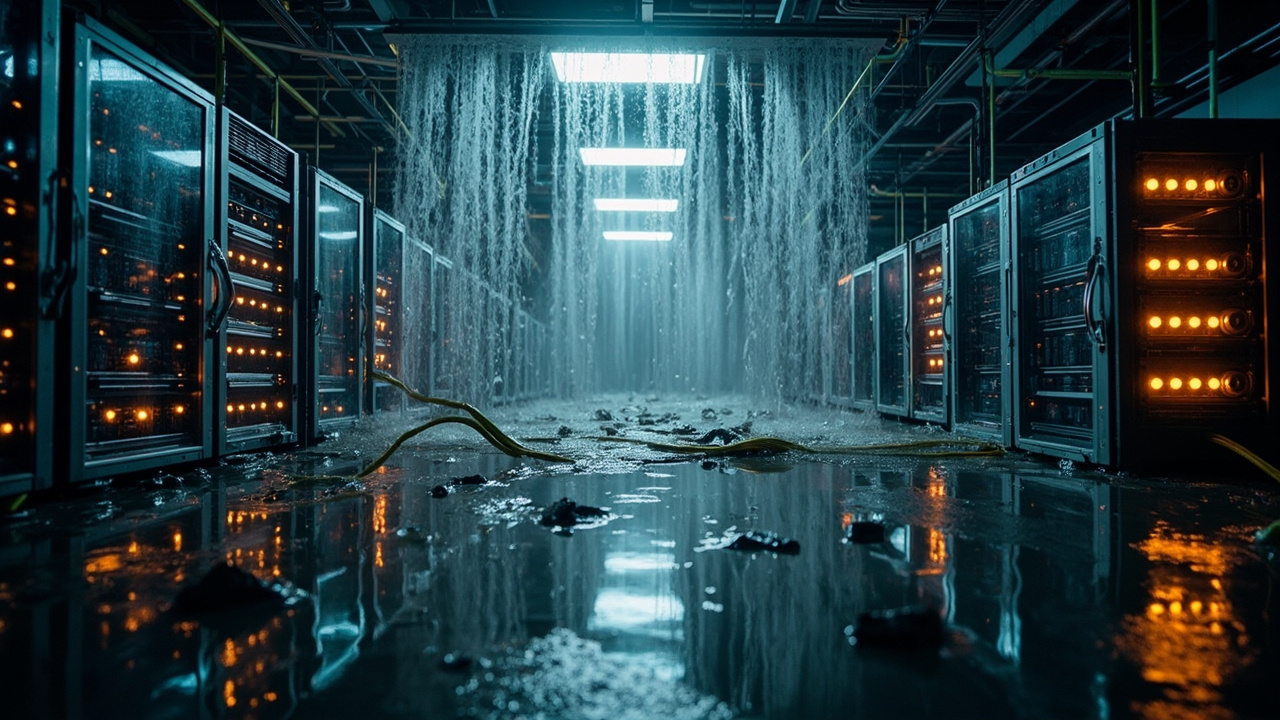
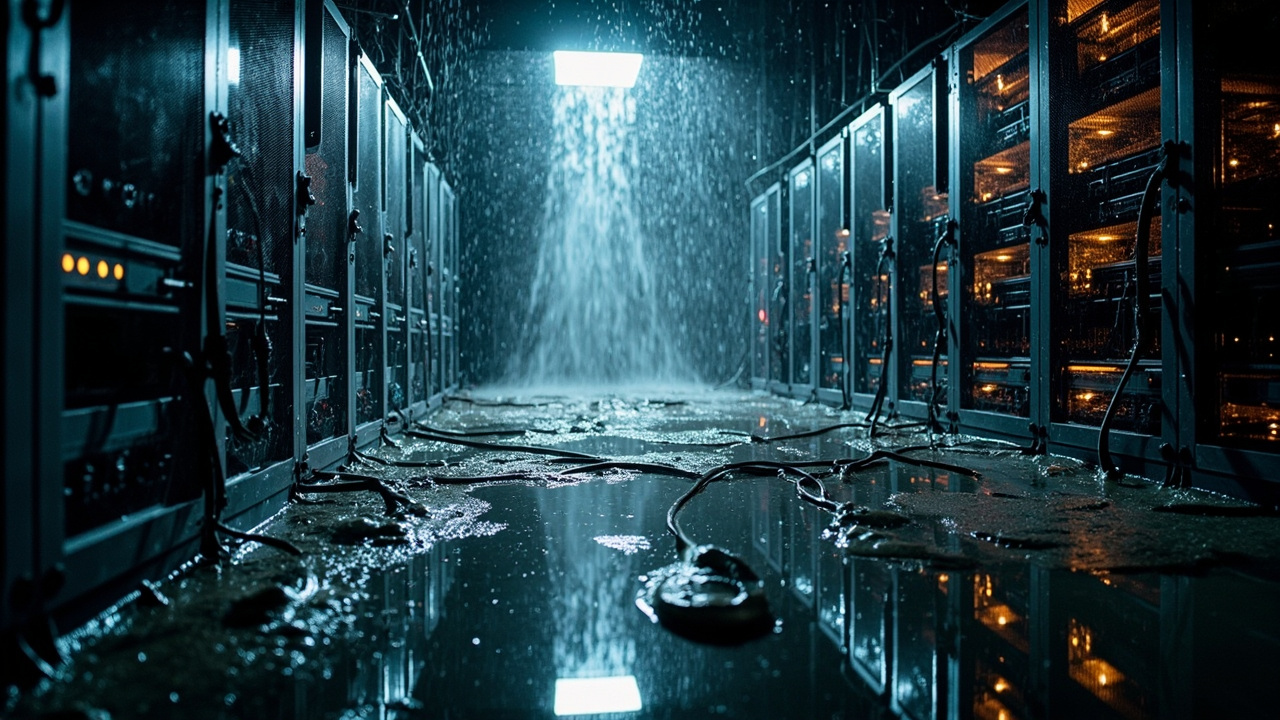
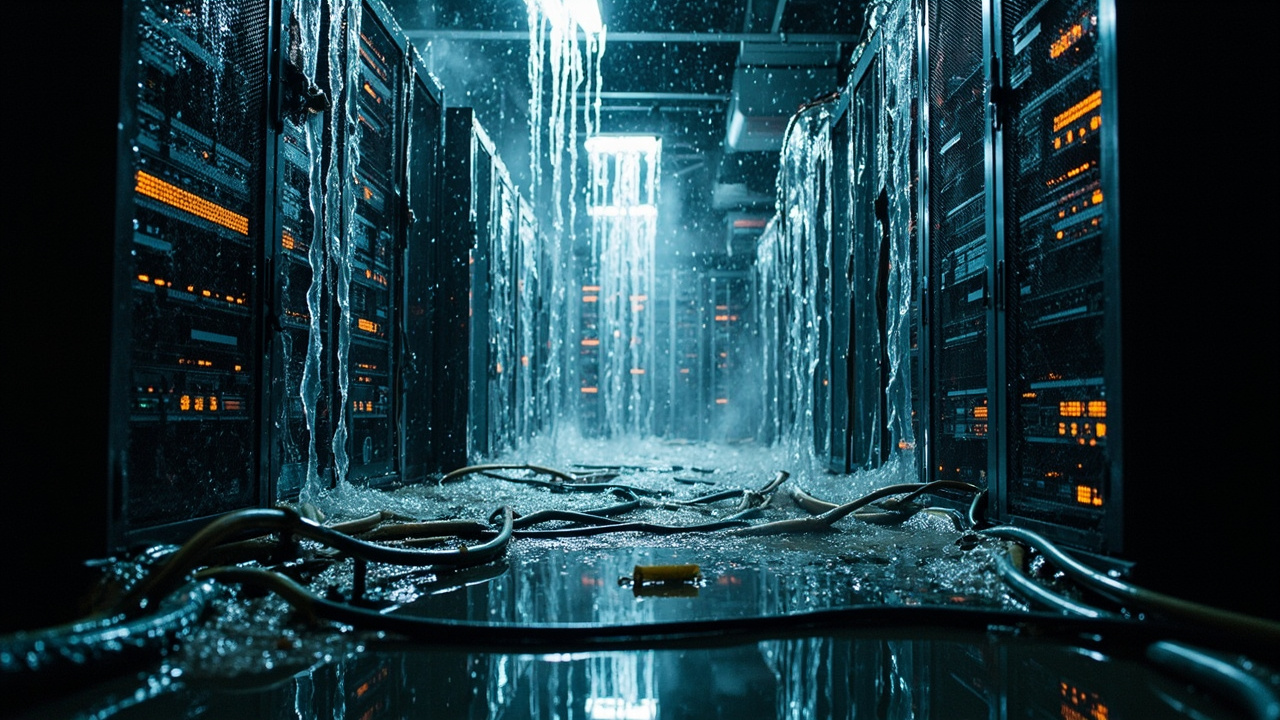
When water threatens your data center or IT infrastructure, you need computer room water extraction teams that understand the stakes. Silverline Water Damage Restoration Houston delivers rapid server room flood cleanup with protocols designed to protect hardware, minimize operational disruption, and keep your business running.

Slider Image 1
Slider Image 2
Slider Image 3
Slider Image 4
Slider Image 5
Slider Image 7
Slider Image 8
Slider Image 9
Slider Image 10
Slider Image 11

Houston's Infrastructure Risks Make Server Room Water Damage a Critical Business Threat

Water intrusion in server environments creates cascading failures that extend far beyond hardware damage. In Houston, your facility faces compounding risks from tropical storm systems, aging infrastructure in the Energy Corridor and Greenway Plaza districts, and roof membrane failures accelerated by UV degradation and thermal cycling.

A single inch of standing water in a raised floor plenum can destroy millions in equipment and halt operations for days. The humid subtropical climate compounds the problem. Even after visible water removal, relative humidity above 60 percent triggers corrosion on circuit boards and backplane connectors within 48 hours. Data center water damage restoration requires understanding dew points, vapor pressure dynamics, and the specific vulnerabilities of CRAC units and hot aisle containment systems.

Most commercial water damage firms treat server rooms like flooded office space. They extract standing water and call it done. This approach fails because IT infrastructure demands precision. You need computer room water extraction that accounts for electrical safety protocols, maintains positive air pressure to prevent contamination migration, and deploys low-grain refrigerant dehumidification instead of desiccant systems that can introduce particulates.

Server room water mitigation in Houston must also address the clay soil subsidence common in areas like the Galleria and Medical Center. Foundation settlement creates hydrostatic pressure against below-grade server rooms and causes piping failures in overhead distribution systems. Without addressing these structural vulnerabilities, you face recurring incidents.

The financial impact extends beyond hardware replacement. Downtime costs average $5,600 per minute for mid-sized operations. Compliance failures trigger audit penalties. Customer trust erodes. You need IT room water mitigation teams that understand these stakes and move with the appropriate urgency.

Houston's Infrastructure Risks Make Server Room Water Damage a Critical Business Threat
Our Server Room Water Removal Process Prioritizes Equipment Protection and Speed

Our Server Room Water Removal Process Prioritizes Equipment Protection and Speed

Server room flood cleanup requires a fundamentally different approach than standard commercial water damage work. We deploy certified electronics restoration technicians who understand the difference between a raised floor plenum and a cable tray system, and why that matters during extraction.

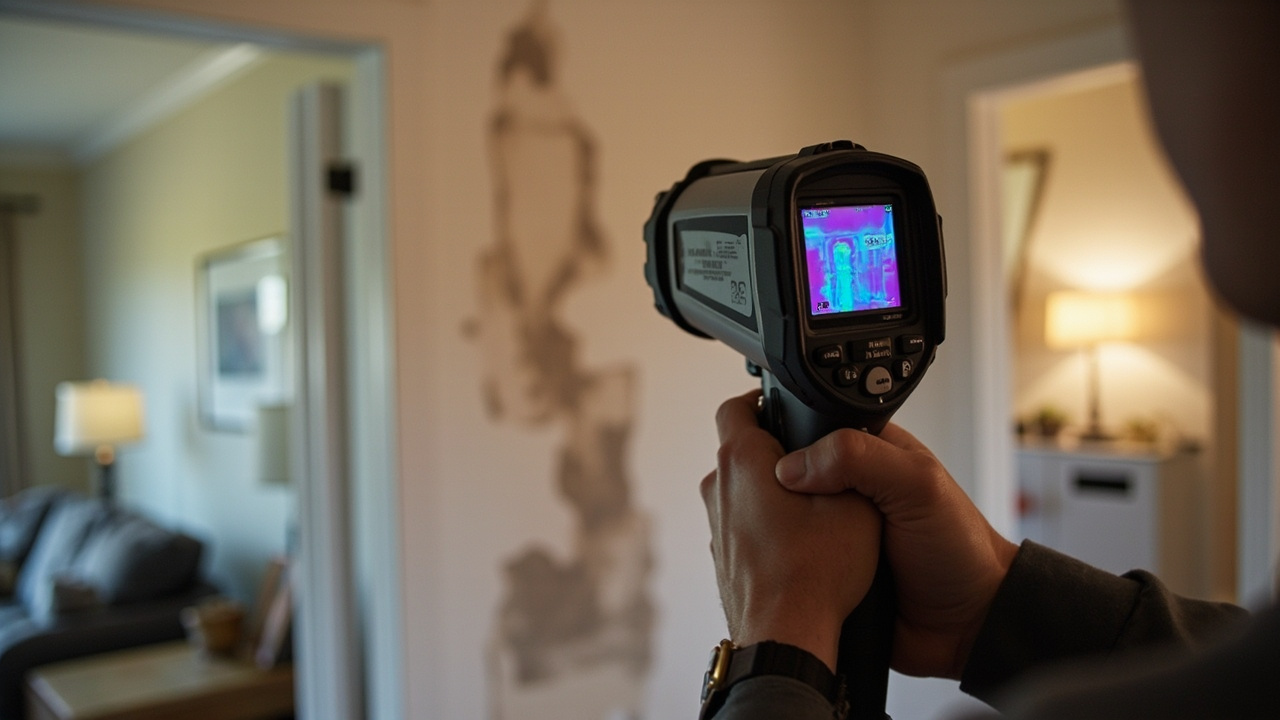
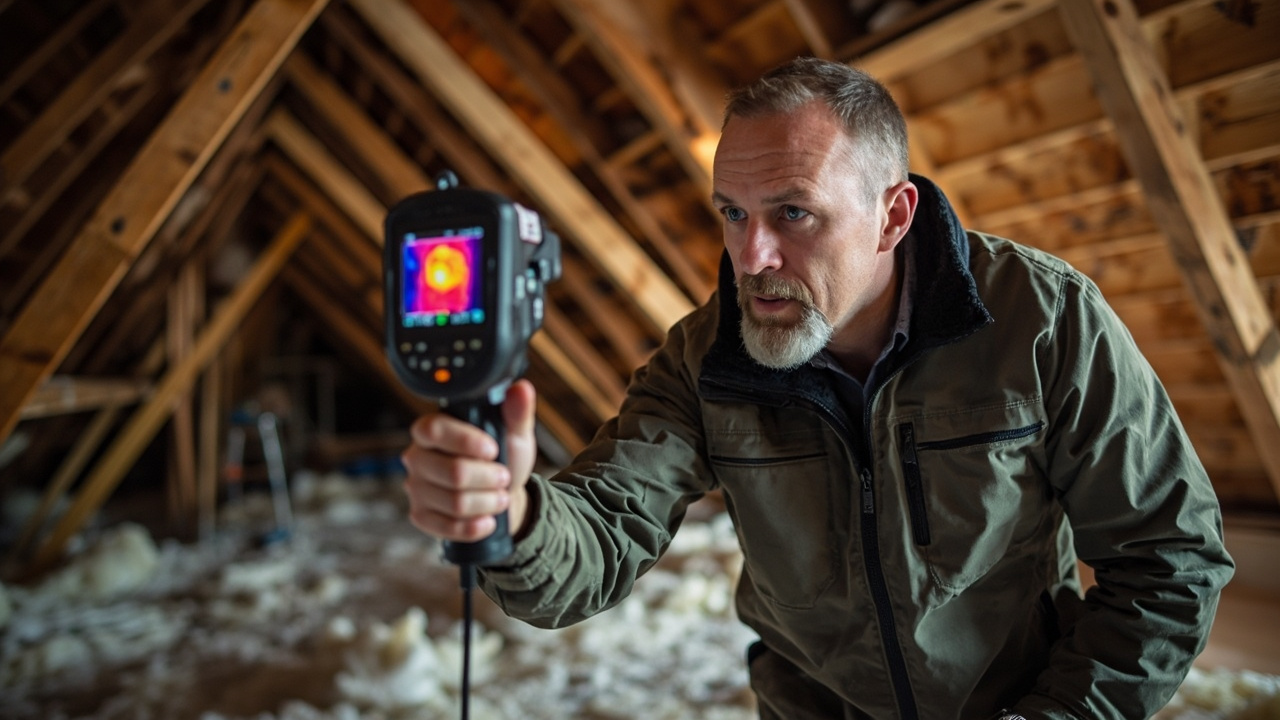
Our teams arrive with truck-mounted extraction units capable of removing hundreds of gallons per hour from sub-floor spaces without disturbing rack configurations or cable management infrastructure. We use thermal imaging to map moisture intrusion patterns behind server racks and inside wall cavities where condensation lines and chilled water pipes run.

Critical to our process is electrical safety documentation. Before any equipment enters your space, we verify power isolation, test for energized circuits, and establish lockout tagout protocols that meet NFPA 70E standards. We coordinate with your facilities team to map which circuits feed emergency systems that cannot be de-energized, then design extraction paths that avoid those zones.

For computer room water extraction, we use low-profile extractors that fit under raised floors without tile removal in high-density rack areas. This prevents airflow disruption that could cause thermal events in operating equipment. We monitor temperature differentials across cold aisles during the entire process.

Dehumidification in server environments demands precision. We calculate the specific moisture load based on room volume, ACH rates from existing HVAC systems, and the hygroscopic materials present. Then we deploy refrigerant dehumidifiers with HEPA filtration to prevent particulate introduction. We maintain conditions between 40-55 percent relative humidity and 68-72 degrees Fahrenheit throughout the drying cycle.

Data center water damage restoration also means protecting your SLAs. We work 24-hour rotations until your space returns to operational parameters. Our project managers provide hourly updates with quantitative data on moisture levels, not vague assurances. You get documentation suitable for insurance claims and compliance audits.

How Enterprise-Grade Water Extraction Protects Your Infrastructure

Server Room Water Damage in Houston – Business Continuity Specialists Who Minimize Downtime
01

Immediate Containment and Assessment

Within 60 minutes of your call, our team arrives with moisture mapping equipment and begins documenting the intrusion path. We identify the water source, establish containment barriers to prevent migration into clean zones, and photograph all affected equipment serial numbers for insurance documentation. We use particle counters to establish baseline air quality before introducing any extraction equipment that could mobilize contaminants.
02

Controlled Extraction and Monitoring

We remove standing water using extraction methods appropriate to your floor system, whether raised floor, slab on grade, or structural concrete. Our technicians place hygro-thermometers at rack level and sub-floor locations to verify we maintain stable conditions during the process. We extract moisture from cable trays, conduit systems, and behind wall-mounted distribution panels where water accumulates undetected. Real-time data logging documents the entire remediation timeline.
03

Verification and Return to Service

We do not consider the job complete until moisture readings match your baseline specifications. Our final verification includes thermal imaging of all wall cavities and equipment enclosures, plus air sampling to confirm particulate levels meet ISO 14644 cleanroom standards appropriate to your classification. You receive a comprehensive report with all sensor data, moisture maps, and photographic documentation suitable for insurance claims and compliance requirements.

Why Houston Businesses Trust Silverline for Mission-Critical Infrastructure Protection

When your revenue depends on uptime, you cannot afford to work with generalists who treat your data center like a flooded warehouse. Silverline Water Damage Restoration Houston specializes in IT room water mitigation for facilities where every minute of downtime carries financial consequences.

Our technicians hold IICRC Water Damage Restoration and Applied Structural Drying certifications, plus manufacturer-specific training on raised floor systems and precision cooling equipment common in Houston commercial facilities. We understand the difference between legacy computer room air conditioning units and modern in-row cooling, and why that matters during moisture removal near active equipment.

We also understand Houston's specific infrastructure challenges. The Energy Corridor, Greenway Plaza, and Westchase districts house aging Class A office towers with original mechanical systems from the 1980s. These buildings use chilled water distribution for cooling, and the steel piping suffers from corrosion fatigue. When these systems fail, they dump hundreds of gallons directly above your server room. We have restored facilities in these exact scenarios and know how to respond.

Our relationships with commercial property managers throughout greater Houston mean we understand building-specific quirks. We know which high-rises have basement-level data centers vulnerable to storm surge during tropical events. We know which buildings have combined storm and sanitary systems that back up during heavy rain. This institutional knowledge makes our response faster and more effective.

For regulated industries, we provide documentation that satisfies SOC 2, HIPAA, and PCI-DSS audit requirements. Our reports include chain of custody records for affected equipment, detailed moisture maps with measurement locations, and timestamped photo documentation. You get the evidence you need to demonstrate due diligence to auditors and insurance carriers.

We also maintain relationships with electronics restoration specialists and can coordinate hardware decontamination if components require off-site cleaning. This single point of accountability streamlines your recovery and reduces coordination overhead during a crisis.

What to Expect During Server Room Water Damage Restoration

Response Time and Availability

We maintain 24/7 dispatch with dedicated teams for commercial emergencies. When you call our emergency line at (832) 336-3663, you reach a restoration coordinator who understands data center environments, not an answering service. We deploy technicians to Houston metro locations within 60 minutes, with truck-mounted extraction equipment and industrial dehumidification units already loaded. For facilities in the Energy Corridor, Medical Center, or Galleria areas, we often arrive in under 45 minutes. Our rapid response limits secondary damage from humidity exposure and minimizes the window where corrosion can begin on sensitive electronics.

Initial Assessment and Documentation

Our assessment begins with identifying the intrusion source and mapping the extent of moisture penetration using thermal imaging and moisture meters calibrated for concrete and gypsum substrates. We document all affected equipment by serial number and photograph conditions before beginning extraction. You receive a preliminary scope within the first two hours that includes estimated drying time, equipment requirements, and potential operational impacts. This assessment includes testing for energized circuits and establishing safe work zones. We coordinate with your IT and facilities teams to understand which systems can be taken offline and which must remain operational during restoration.

Restoration Quality and Standards

We do not use subjective standards like "feels dry" or visual inspection alone. Our completion criteria are quantitative. We continue dehumidification until moisture readings in all affected materials match baseline conditions for your space, typically below 12 percent moisture content for wood substrates and less than 40 percent relative humidity in air spaces. We verify conditions using independent hygro-thermometer readings at multiple heights and locations, not just floor level. For raised floor environments, we test both plenum and room air separately. You receive a final report with all readings, thermal images, and certification that your space meets industry standards for electronics operating environments.

Post-Restoration Monitoring and Support

After completing water extraction and drying, we provide 72-hour post-restoration monitoring to verify conditions remain stable and no secondary moisture issues develop. We leave data loggers in place that record temperature and humidity at 15-minute intervals. If readings drift outside acceptable parameters, we return immediately at no additional charge to investigate and correct the issue. You also receive a detailed incident report suitable for insurance claims, including documentation of all equipment serial numbers exposed to water, scope of affected areas, and remediation methods employed. This report meets the documentation standards required by most commercial insurance carriers and compliance auditors.

Frequently Asked Questions

You Have Questions,
We Have Answers

What is the cost of water leak detection system for server room? +

Water leak detection systems for server rooms range from basic spot sensors at $50 per unit to enterprise cable-based systems exceeding $5,000 for comprehensive coverage. Cost depends on square footage, sensor density, and integration with building management systems. Houston facilities often require more sensors due to high humidity and HVAC condensation risks. Professional installation adds labor costs but ensures proper placement near vulnerable points like raised floors, CRAC units, and exterior walls. Multi-zone monitoring with automatic shutoff valves increases upfront investment but reduces liability exposure and downtime costs for commercial operations.

How to dehumidify a server room? +

Dehumidifying a server room requires industrial-grade equipment, not consumer units. Deploy refrigerant dehumidifiers rated for continuous operation, targeting 40-50% relative humidity. In Houston, combat persistent moisture by sealing the envelope first to prevent humid air infiltration. Run units 24/7 with condensate pumps for drainage. Increase air exchanges through HVAC systems while maintaining temperature setpoints between 64-80 degrees. After water damage, commercial desiccant dehumidifiers extract moisture faster than refrigerant models. Monitor with calibrated hygrometers at multiple heights. Never use portable consumer units for mission-critical spaces.

What are the risks of server rooms? +

Server rooms face four critical risks: water damage from leaks or flooding, overheating from HVAC failure, electrical fires from overloaded circuits, and unauthorized access. Water intrusion causes immediate equipment failure and data loss. Houston facilities face elevated flood risk and high humidity that accelerates corrosion. Fire suppression system failures or accidental discharge destroy hardware. Inadequate cooling leads to thermal shutdowns and reduced component lifespan. Poor access controls enable theft or sabotage. Environmental monitoring, redundant cooling, proper cable management, and routine inspections mitigate these operational threats and reduce business interruption exposure.

What not to do after water damage? +

After water damage, do not power on equipment before professional assessment. Water conducts electricity and causes shorts that destroy components or create fire hazards. Do not attempt DIY drying with fans or consumer dehumidifiers in server environments. These spread contamination and create static discharge risks. Do not delay documentation for insurance claims. Avoid moving wet equipment without proper handling protocols. Never ignore hidden moisture in subfloors, wall cavities, or cable trays where mold develops rapidly in Houston's climate. Professional water damage restoration prevents secondary damage and ensures code-compliant recovery.

How much to charge for leak detection? +

Professional leak detection services charge $200-$500 for basic residential inspections and $500-$2,000 for commercial server room assessments. Pricing reflects equipment costs, technician expertise, and facility complexity. Houston providers factor in elevated moisture conditions requiring thermal imaging, acoustic sensors, and moisture meters. Hourly rates run $150-$300 for specialized technicians. Emergency after-hours service adds premium charges. Comprehensive assessments include written reports documenting leak sources, moisture mapping, and remediation recommendations. The investment prevents catastrophic equipment failure and downtime costs that far exceed detection fees for commercial operations.

Will homeowners insurance cover a water main leak? +

Homeowners insurance rarely covers water main leaks. Most policies exclude gradual leaks, maintenance issues, and damage outside the foundation. Coverage applies only to sudden, accidental discharge from internal plumbing. Water main breaks typically occur in municipality-owned sections before the meter, making them the property owner's responsibility without insurance recovery. Review your policy's water damage exclusions carefully. Commercial policies for server rooms offer broader coverage but require proof of maintenance and monitoring systems. Houston properties should verify coverage given flood zone proximity and aging infrastructure that increases main break frequency.

Can mold grow in 40% humidity? +

Mold can grow at 40% humidity if other conditions exist. While most species prefer 60% or higher, some strains germinate at lower levels when organic material, warmth, and time combine. Server rooms in Houston face risk because HVAC condensation, dust accumulation, and cardboard packaging provide food sources. Equipment heat creates microclimates where localized humidity spikes above ambient levels. After water damage, 40% bulk humidity does not guarantee mold prevention in porous materials or hidden cavities. Maintain server environments below 50% humidity and inspect regularly for moisture intrusion points.

Is 80 degrees too hot for a server room? +

80 degrees approaches the upper threshold for server room operation. ASHRAE recommends 64-80 degrees, but sustained operation at the high end reduces equipment lifespan and increases failure rates. Modern servers tolerate higher temperatures than legacy systems, but cooling redundancy and proper airflow matter more than setpoint alone. Houston facilities must account for HVAC strain during summer months when ambient temperatures exceed design capacity. Hot spots from inadequate air distribution cause localized failures. Monitor temperature at equipment intake points, not just room ambient. Lowering setpoints to 70-75 degrees improves reliability and component longevity.

What humidity is too high for a server room? +

Server room humidity above 60% creates condensation risk and accelerates corrosion on circuit boards and contacts. ASHRAE guidelines specify 40-60% relative humidity for optimal operation. Houston's climate pushes facilities toward the upper limit without proper dehumidification. Humidity above 70% supports mold growth on dust, insulation, and organic debris. Elevated moisture also increases electrostatic discharge risk when combined with low temperature. After water damage, monitor for sustained readings above 50% that indicate incomplete drying or ongoing infiltration. Commercial facilities should install continuous monitoring with alerts for out-of-range conditions.

Do servers give off eMF? +

Servers emit electromagnetic fields from power supplies, processors, and data transmission. EMF levels vary by equipment density and wiring configuration. Typical server rooms produce fields measured in milligauss, similar to household appliances. Concerns focus on prolonged human exposure, not equipment operation. Proper cable management and shielding reduce stray fields. Houston data centers follow standard practices for EMF management without special requirements. Water damage increases EMF hazards by creating conductive paths for electrical leakage. De-energize equipment before water damage restoration to eliminate shock and electromagnetic interference risks during recovery operations.

How Houston's Hurricane Risk and Aging Infrastructure Increase Server Room Vulnerability

Houston server rooms face dual threats uncommon in other markets. Tropical storm events bring rapid accumulation that overwhelms drainage systems, particularly in low-lying areas near Buffalo Bayou and the Ship Channel. Combined sewer systems in older districts like Downtown and Midtown back up during heavy rain, sending contaminated water into basement-level data centers. At the same time, the building stock in commercial corridors like the Energy Corridor includes structures from the 1980s energy boom, now facing end-of-service-life failures in roof membranes, chilled water piping, and condensate drainage systems. These aging mechanical systems fail without warning, dumping water directly onto raised floors and into ceiling plenums where electrical distribution runs. The combination of environmental and infrastructure risk makes proactive water intrusion planning essential for Houston businesses operating mission-critical IT environments.

Effective server room water removal in Houston requires understanding local building systems and construction methods. Commercial facilities built during different eras use different mechanical cooling approaches. Newer buildings in areas like Katy and The Woodlands use modern precision cooling with closed-loop glycol systems. Older Downtown and Galleria towers rely on building chilled water with steel distribution piping prone to corrosion failure. Our technicians know these systems because we work in these buildings regularly. We understand which facilities have below-grade data centers vulnerable to groundwater intrusion during subsidence events common in areas with aggressive clay soil. This local knowledge allows us to respond faster and more effectively than national franchise operations or out-of-area contractors learning your building's quirks during an emergency.
Water Damage Restoration Services in The Houston Area

Easily locate our service area and see how Silverline is strategically positioned to provide rapid water damage restoration services throughout Houston and its surrounding communities. Our commitment to prompt response means we're never far away when disaster strikes, ensuring your property gets the urgent care it needs, wherever you are within our service radius. We're here to serve you efficiently.

Address:
Silverline Water Damage Restoration Houston, 3730 Kirby Dr, Houston, TX, 77098

Additional Services We Offer

Our news updates

Latest Articles & News from The Blogs

Houston humidity presents a constant struggle for homeowners across Harris County. In 2026, the weather patterns continue to create high…

Why Houston Families Trust Our Certified Mold Inspection Services for Local Homes

Houston humidity presents a constant struggle for homeowners across Harris County. In 2026, the weather patterns continue to create high…

Dealing with Attic Water Damage from Leaky Roofs in Kingwood

Dealing with Attic Water Damage from Leaky Roofs in KingwoodHomeowners in the Kingwood area face significant moisture challenges due to…

Why a Home Dehumidifier Cannot Save Your Third Ward Living Room from Water Damage

Why a Home Dehumidifier Cannot Save Your Third Ward Living Room from Water DamageYour Third Ward home faces unique challenges…

Contact Us

Water in your server room is not a problem that improves with waiting. Every hour increases the risk of permanent equipment damage and data loss. Call Silverline Water Damage Restoration Houston now at (832) 336-3663 for immediate dispatch. Our teams are standing by 24/7 with the specialized equipment and expertise your facility needs.