




menu

Business Interruption Mitigation in Houston – Industrial-Grade Response That Protects Your Revenue Stream

Silverline Water Damage Restoration Houston deploys rapid commercial water extraction and structural drying protocols designed to restore operations fast, protect your cash flow, and minimize business downtime across the greater Houston metro.

Slider Image 1
Slider Image 2
Slider Image 3
Slider Image 4
Slider Image 5
Slider Image 7
Slider Image 8
Slider Image 9
Slider Image 10
Slider Image 11

Why Water Damage Threatens Your Houston Operation Differently

Houston's subtropical climate creates the perfect storm for commercial water damage. High humidity levels, frequent tropical storms, and aging infrastructure combine to create conditions where a single plumbing failure can shut down operations for days.

Your building's HVAC system works overtime in this climate. When condensate lines clog or roof drains fail during heavy rainfall, water infiltrates quickly. Clay soil beneath Houston foundations shifts with moisture changes, stressing pipe joints and creating weak points. When those joints fail during business hours, you face immediate revenue loss.

The real cost is not just the water extraction. It is the disrupted supply chain, the idle workforce, and the clients who find alternative vendors while you are offline. In industries like manufacturing, warehousing, and healthcare, every hour of downtime compounds losses exponentially.

Reducing operational downtime requires understanding how water migrates through commercial structures. In multi-story buildings common to the Energy Corridor and Greenway Plaza, water travels vertically through elevator shafts and stairwells. A third-floor break can impact ground-floor retail within minutes. Traditional residential restoration timelines do not apply. You need a partner who understands business continuity restoration and can mobilize industrial-grade equipment immediately.

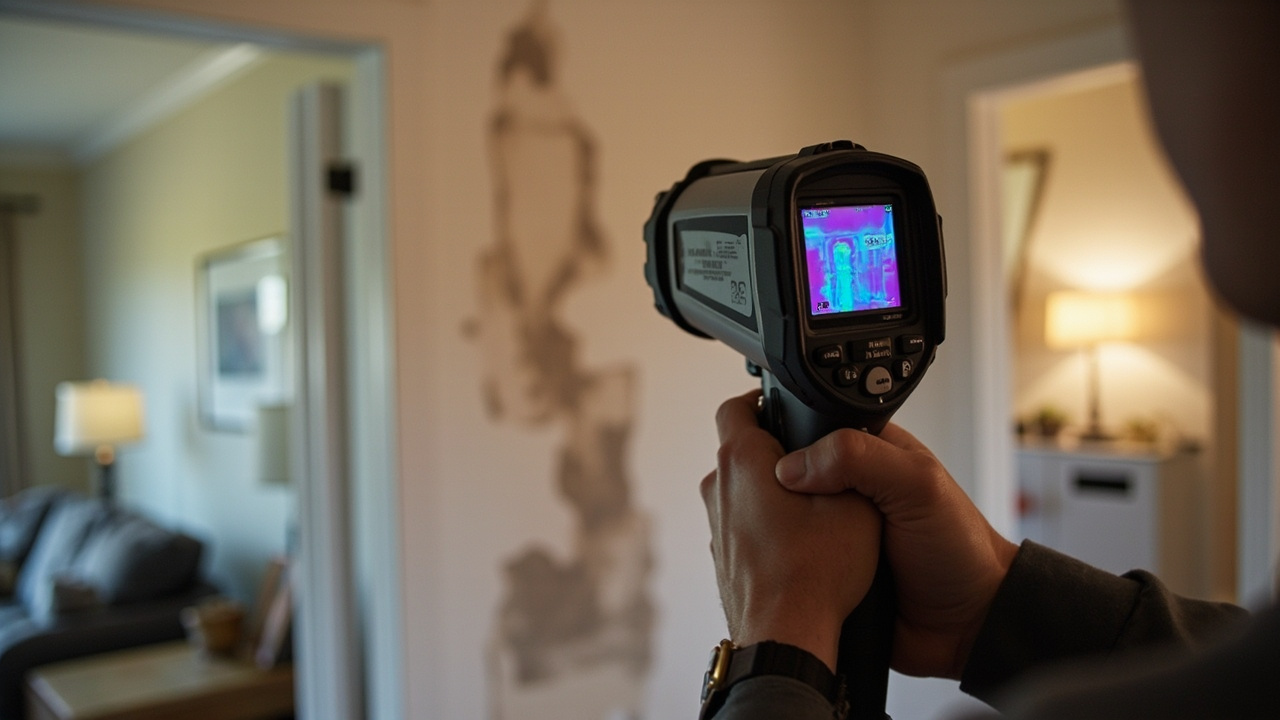
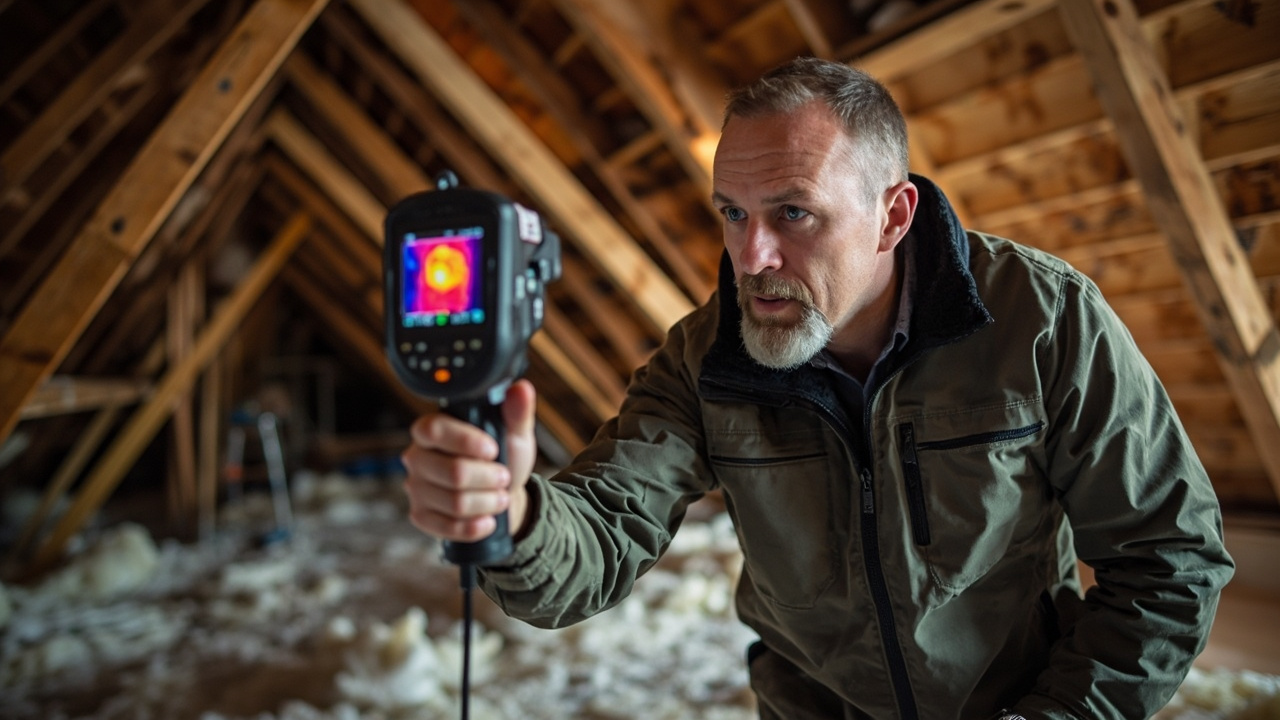
Mitigating commercial downtime means deploying extraction equipment that removes standing water in hours, not days. It means using thermal imaging to identify hidden moisture in wall cavities before mold colonizes. It means coordinating with your insurance adjuster while your team focuses on salvaging inventory and protecting data infrastructure.

Why Water Damage Threatens Your Houston Operation Differently
Our Commercial Water Damage Mitigation Methodology

Our Commercial Water Damage Mitigation Methodology

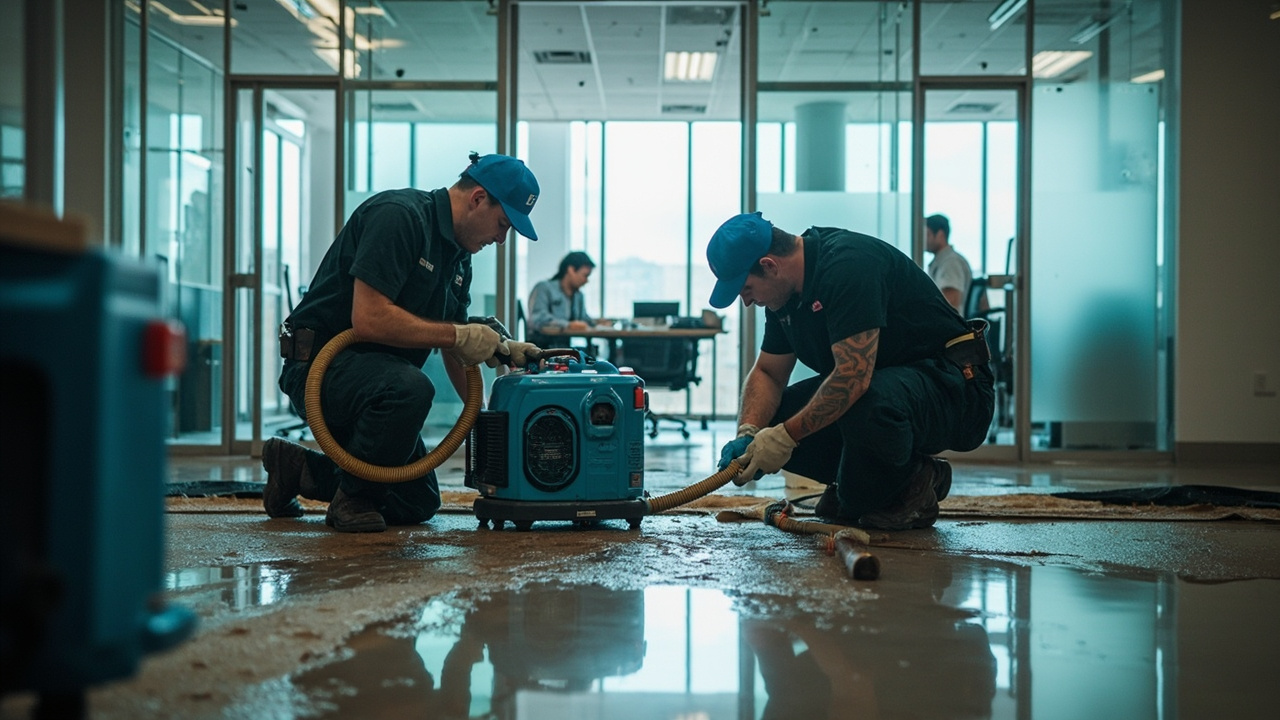
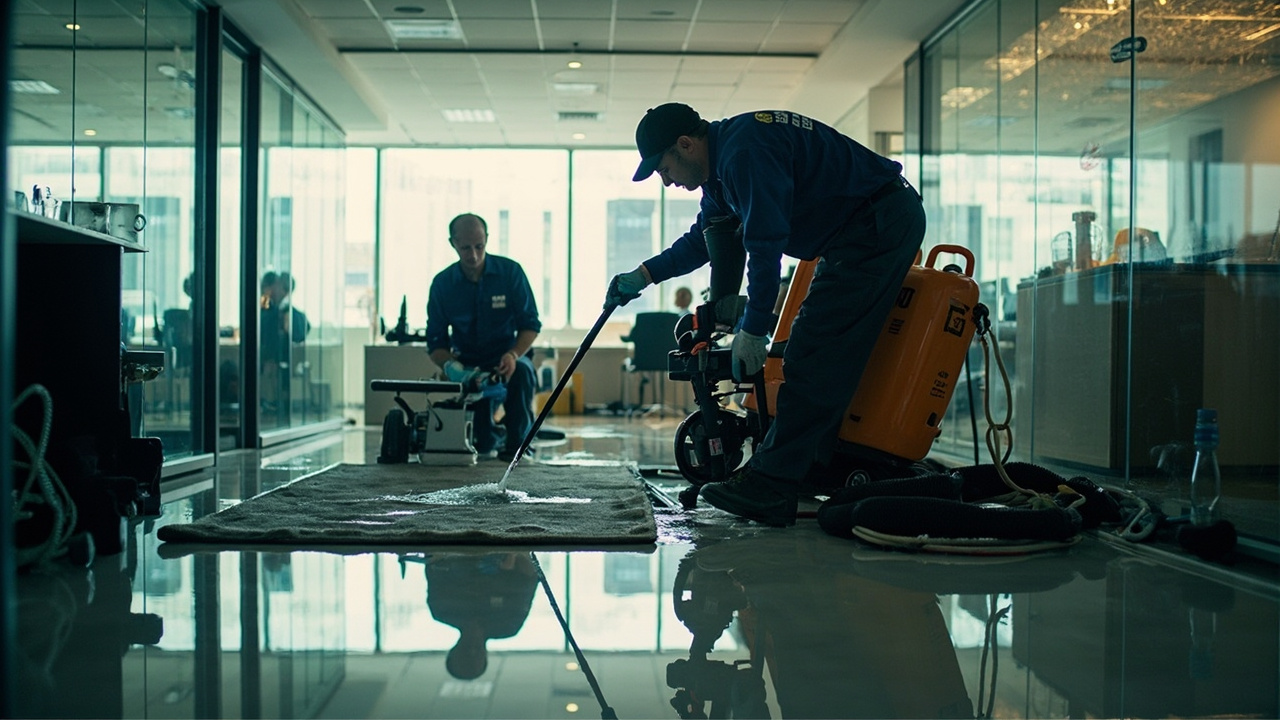
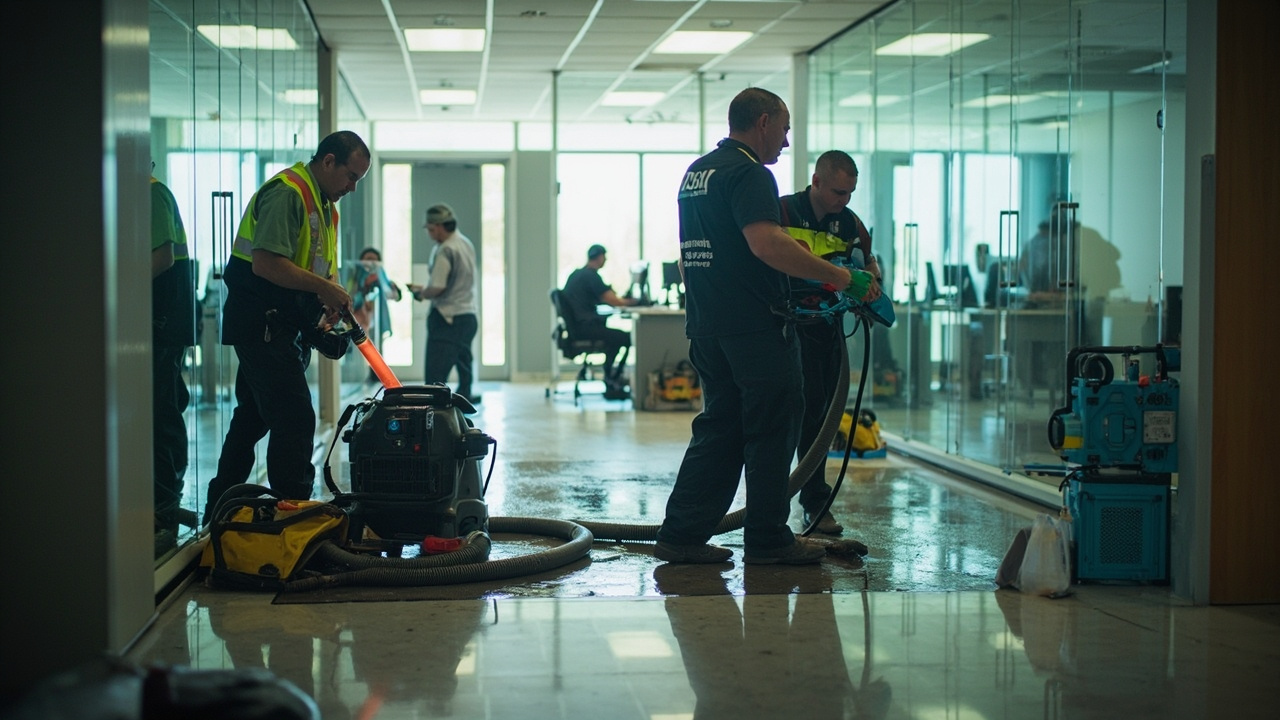
Business interruption mitigation starts with rapid assessment. We arrive with truck-mounted extraction units capable of removing thousands of gallons per hour. Our technicians use moisture meters and thermal imaging cameras to map the full extent of water intrusion, identifying compromised areas your staff cannot see.

We segment the affected zone using containment barriers. This allows unaffected departments to continue operations while we focus on the damaged areas. In office environments, this means your accounting team keeps working while we dry out the server room. In retail spaces, this means keeping your sales floor open while we remediate the stockroom.

Our drying protocol uses commercial-grade dehumidifiers and air movers positioned based on psychrometric calculations. We monitor moisture levels in structural materials every four hours, adjusting equipment placement to optimize drying efficiency. This is not guesswork. We use data logging to verify when materials reach acceptable moisture content levels.

For facilities with sensitive equipment, we deploy desiccant dehumidifiers that achieve low-grain humidity levels without raising temperatures. This protects electronics, pharmaceutical inventory, and climate-controlled storage areas. We coordinate with your facilities manager to maintain required temperature and humidity ranges while extracting moisture from building materials.

Documentation happens in real time. We photograph every stage, log moisture readings digitally, and provide daily progress reports to your insurance carrier. This accelerates claims processing and reduces disputes. Our goal is limiting business disruption by creating a clear timeline from incident to full operational restoration.

We also address code compliance. Houston's commercial building codes require specific antimicrobial treatments after water intrusion in food service and healthcare facilities. We apply EPA-registered disinfectants and provide certification documentation for your records.

How We Execute Commercial Water Damage Recovery

Business Interruption Mitigation in Houston – Industrial-Grade Response That Protects Your Revenue Stream
01

Emergency Response Deployment

We dispatch a commercial response team within 60 minutes of your call. Our trucks carry truck-mounted extractors, industrial air movers, and moisture detection equipment. We establish incident command with your facilities manager, identify critical infrastructure, and begin water removal immediately. This first-hour response determines whether you face days or weeks of downtime.
02

Controlled Environment Drying

We create drying chambers using polyethylene sheeting and negative air pressure. Dehumidifiers extract moisture from the air while air movers accelerate evaporation from surfaces. We monitor temperature, humidity, and material moisture content using digital data loggers. Adjustments happen every four hours based on psychrometric readings. This controlled approach prevents secondary damage and maintains occupied areas at comfortable conditions.
03

Verification and Clearance

Restoration completes when all materials reach industry-standard dry goals. We perform final moisture mapping, document results photographically, and test air quality if mold was present. You receive a comprehensive report with timestamped photos, moisture logs, and equipment run times. This documentation satisfies insurance requirements and provides liability protection. We coordinate final inspections with your building management team before demobilizing.

Why Houston Businesses Choose Silverline for Water Damage Mitigation

Commercial water damage requires different expertise than residential restoration. You need a team that understands your operational priorities, not just drying timelines. We have restored operations for warehouses in the Port of Houston area, office buildings in Downtown Houston, and manufacturing facilities in the East End.

Our technicians understand Houston's building stock. We know the difference between drying a concrete tilt-wall warehouse and a steel-frame office tower. We understand how the city's flood-prone areas along Buffalo Bayou and Brays Bayou require different mitigation strategies than properties in higher elevations like Memorial or The Heights.

We staff crews for multi-shift operations. When a major incident requires 24-hour drying, we rotate technicians to maintain consistent monitoring. This capacity matters when you are trying to reopen before losing a major contract or missing a critical shipment deadline.

Our equipment inventory includes specialized tools most residential restoration companies do not carry. We own trailer-mounted desiccant dehumidifiers, hydroxyl generators for odor control, and injection drying systems for hard-to-reach cavities. This means we do not wait for rental equipment while your building sits wet.

Insurance coordination is built into our process. We document everything using Xactimate estimating software, the same platform most commercial carriers use. This reduces back-and-forth disputes and speeds up payment. We also work directly with third-party administrators and risk management firms that handle large commercial policies.

Our local knowledge extends to permitting and inspections. We know which restoration activities require permits from the City of Houston Development Services Department. We coordinate with Harris County health inspectors for food service facilities. This compliance expertise prevents delays during the final stages of restoration when you are ready to reopen.

What Your Business Can Expect During Water Damage Mitigation

Response Time and Mobilization

We maintain 24/7 dispatch for commercial emergencies. Our average arrival time for Houston-area calls is under 90 minutes. During business hours, we often arrive within 60 minutes for properties inside Loop 610. Our trucks carry enough extraction and drying equipment to handle incidents up to 10,000 square feet without returning to the warehouse. For larger losses, we stage additional equipment within four hours. This rapid mobilization directly impacts your downtime duration.

Initial Assessment Process

Our project manager conducts a walkthrough with your facilities team to identify critical systems and priority areas. We use thermal imaging to map moisture migration and moisture meters to quantify saturation levels in building materials. You receive a written scope of work within two hours that outlines the affected area, required equipment, estimated drying time, and projected timeline for returning spaces to service. This assessment includes photos, floor plans, and moisture mapping documentation your insurance carrier needs to initiate the claim.

Operational Restoration Standards

We restore your facility to pre-loss moisture conditions using IICRC S500 standards for water damage restoration. All structural materials must reach equilibrium moisture content before we consider drying complete. For wood framing, this means 15 percent moisture content or less. For concrete, it means relative humidity below 75 percent at depth. We verify these conditions using calibrated instruments and provide certified documentation. This prevents callbacks for mold growth or structural issues weeks after we leave.

Post-Mitigation Documentation

You receive a complete project file that includes daily moisture logs, equipment placement diagrams, photographic documentation, and a certificate of completion. This documentation protects you if questions arise during insurance audits or future property transactions. We maintain project records for seven years and provide copies to your risk management team on request. For properties with ongoing maintenance contracts, we also provide recommendations for preventing similar incidents based on what we observed during restoration.

Frequently Asked Questions

You Have Questions,
We Have Answers

What does business interruption coverage cover? +

Business interruption coverage reimburses lost income and operating expenses when your facility cannot operate due to a covered peril. It typically covers lost profits, ongoing payroll, rent or mortgage payments, loan obligations, and necessary relocation costs. In Houston, coverage often extends to hurricane-related closures, flooding that forces evacuation, or infrastructure damage from severe weather. The policy calculates losses based on your historical financial records and projected revenue. Coverage begins after a waiting period and continues until you resume normal operations or reach policy limits. You must demonstrate direct physical damage triggered the closure.

Is business interruption insurance worth it? +

Business interruption insurance is worth it for most Houston commercial operations. A single hurricane, flood event, or fire can shut down revenue streams for weeks while fixed costs continue. Houston's exposure to tropical storms, flash flooding from heavy rainfall, and infrastructure vulnerabilities makes interruption risk significant. The premium cost is minor compared to catastrophic income loss during extended closures. Facilities with high overhead, seasonal revenue peaks, or thin profit margins benefit most. If your operation cannot absorb 30 to 90 days of zero revenue while paying rent, utilities, and payroll, this coverage protects business continuity and prevents insolvency.

What is not covered under business interruption? +

Business interruption insurance does not cover losses from pandemics, government-mandated shutdowns without physical damage, utility failures off-premises, or undamaged property. Gradual deterioration, mold, or pre-existing conditions are excluded. In Houston, flooding requires separate flood insurance with business interruption endorsement, as standard policies exclude rising water. Cyberattacks, data breaches, and digital disruptions typically require separate cyber liability coverage. Lost income from supplier failures, supply chain breakdowns, or market downturns without direct physical damage to your property are not covered. Extended waiting periods may exclude brief closures lasting only days.

What is probably the most common cause of a business interruption? +

Water damage is the most common cause of business interruption claims. In Houston, this includes burst pipes from freezing during rare winter storms, roof leaks during heavy rainfall, plumbing failures, and HVAC system malfunctions in high-humidity conditions. Commercial facilities experience supply line breaks, water heater failures, and sprinkler system leaks that flood operations. Fire suppression system discharge during false alarms or small fires causes extensive downtime. Houston's aging commercial infrastructure and sudden temperature swings increase pipe failure risk. Water damage spreads quickly through walls, ceilings, and electrical systems, forcing immediate closures for remediation and restoration work.

What triggers a business interruption claim? +

A business interruption claim is triggered when direct physical loss or damage from a covered peril forces partial or total suspension of operations. You must demonstrate the physical damage directly caused the income loss. In Houston, triggers include hurricane wind damage, fire, explosion, vandalism, or covered water damage that renders the facility unsafe or inoperable. The peril must be listed in your policy. Simple loss of access without physical damage typically does not qualify. You must file promptly, provide financial documentation proving income loss, and show ongoing expenses. The waiting period must expire before reimbursement begins.

What is the 80% rule in insurance? +

The 80% rule requires you to insure your property for at least 80% of its replacement value to avoid coinsurance penalties. If you underinsure, the carrier reduces claim payments proportionally. For example, if your building is worth $1,000,000 but you only carry $600,000 in coverage (60%), you become a co-insurer for the shortfall. The insurer will only pay 75% of any claim (60% divided by 80%). In Houston, rapidly appreciating commercial real estate values and construction cost inflation make annual policy reviews critical to maintain adequate coverage and avoid unexpected penalties during claims.

What is an example of the types of damages covered by business interruption insurance? +

Business interruption insurance covers lost net income you would have earned during the closure period. This includes projected profits based on historical performance and continuing operating expenses like rent, utilities, lease obligations, loan payments, and payroll for key employees. In Houston, coverage extends to costs for temporary relocation, increased operating expenses at alternate facilities, and expedited repair costs to minimize downtime. If a fire forces closure for three months, the policy reimburses lost revenue minus costs you did not incur (like inventory purchases). Coverage calculates loss using financial records and reasonable projections adjusted for market conditions.

What is not covered under a BOP policy? +

Business Owner Policies exclude flood damage, earthquakes, government action, nuclear hazards, war, and intentional acts. Professional liability, employment practices liability, and cyber liability require separate policies. In Houston, rising water from hurricanes or heavy rainfall is excluded unless you add separate flood coverage. Mold, fungi, and pollutant cleanup often have sub-limits or exclusions. Auto liability beyond parked vehicles on premises, workers compensation, and employee dishonesty may not be included. Losses from utility service interruption originating off-premises, ordinance and law upgrades, and mechanical breakdown of equipment typically require endorsements or separate coverage.

What is an example of a business interruption claim? +

A Houston warehouse experiences a fire that damages the roof, electrical systems, and inventory storage areas. The facility closes for 60 days during repairs. The business interruption claim includes lost revenue from halted operations, ongoing lease payments, utilities, insurance premiums, and salaries for essential staff. The claim also covers costs to rent temporary warehouse space, move equipment, notify customers, and expedite repairs to reopen faster. The carrier calculates lost net income using the previous year's financial statements and projections. The waiting period applies before reimbursement begins. Final settlement depends on documented losses and policy limits.

How much is a $1,000,000 general liability policy? +

General liability insurance premiums vary widely based on industry classification, revenue, employee count, claims history, and coverage structure. A $1,000,000 per-occurrence policy with $2,000,000 aggregate might cost $500 to $3,000 annually for low-risk office operations. High-risk industries like construction, manufacturing, or hospitality pay significantly more. Houston-specific factors include hurricane exposure, flood risk, and litigation climate. Deductibles, additional insureds, and endorsements affect pricing. Request quotes from multiple carriers familiar with Houston commercial risks. Premium costs are minor compared to potential liability from third-party injury, property damage, or advertising injury claims that could bankrupt your operation.

How Houston's Hurricane Season Demands Year-Round Business Interruption Planning

Houston businesses face water intrusion threats that extend far beyond hurricane season. While tropical systems like Harvey demonstrated catastrophic flooding potential, the greater daily risk comes from aging infrastructure and rapid development straining drainage systems. Properties along the Interstate 10 corridor and near major bayous experience nuisance flooding during heavy afternoon thunderstorms common from May through October. This means your business needs a water damage partner who can respond to both catastrophic events and routine incidents that still threaten operations. Minimizing business downtime requires pre-planning with a restoration company that understands your facility layout and critical systems before an incident occurs.

Commercial property managers throughout Harris County, Fort Bend County, and Montgomery County rely on restoration partners who understand local building codes and insurance requirements. The City of Houston enforces specific standards for commercial properties affected by water damage, particularly for buildings requiring certificates of occupancy renewal. We maintain relationships with local inspectors and understand submittal requirements for documentation after major restoration projects. This local expertise accelerates your return to operations because we navigate permitting and compliance issues that out-of-area restoration companies do not anticipate.
Water Damage Restoration Services in The Houston Area

Easily locate our service area and see how Silverline is strategically positioned to provide rapid water damage restoration services throughout Houston and its surrounding communities. Our commitment to prompt response means we're never far away when disaster strikes, ensuring your property gets the urgent care it needs, wherever you are within our service radius. We're here to serve you efficiently.

Address:
Silverline Water Damage Restoration Houston, 3730 Kirby Dr, Houston, TX, 77098

Additional Services We Offer

Our news updates

Latest Articles & News from The Blogs

Dealing with Attic Water Damage from Leaky Roofs in KingwoodHomeowners in the Kingwood area face significant moisture challenges due to…

Dealing with Attic Water Damage from Leaky Roofs in Kingwood

Dealing with Attic Water Damage from Leaky Roofs in KingwoodHomeowners in the Kingwood area face significant moisture challenges due to…

Why a Home Dehumidifier Cannot Save Your Third Ward Living Room from Water Damage

Why a Home Dehumidifier Cannot Save Your Third Ward Living Room from Water DamageYour Third Ward home faces unique challenges…

Planning Your Tropical Storm Recovery Strategy for League City and Bay Area Residences

Planning Your Tropical Storm Recovery Strategy for League City and Bay Area Residences Living in the Houston Bay Area during…

Contact Us

Water damage does not wait for convenient timing. Call Silverline Water Damage Restoration Houston now at (832) 336-3663. Our commercial response team is standing by 24/7 to deploy industrial-grade mitigation equipment that gets your Houston business back online fast.