





menu

Attic Water Damage Cleanup in Houston – Expert Restoration for Leaks, Floods, and Storm Damage

Complete attic water damage cleanup services across greater Houston, from rapid water extraction and structural drying to mold prevention and insulation replacement after roof leaks or severe weather events.

Slider Image 1
Slider Image 2
Slider Image 3
Slider Image 4
Slider Image 5
Slider Image 7
Slider Image 8
Slider Image 9
Slider Image 10
Slider Image 11

Why Houston Attics Are Vulnerable to Water Damage

Houston's climate creates a perfect storm for attic water problems. The city receives over 50 inches of rain annually, and when hurricane season arrives, roof penetrations and aging shingles fail under relentless downpours. Your attic becomes the first line of defense, and when that defense breaks, water migrates fast.

The high humidity amplifies the problem. Even minor attic leaks in Houston turn into mold factories within 48 hours because moisture never fully evaporates. Combine that with inadequate attic ventilation in older homes throughout Montrose, the Heights, and Bellaire, and you have standing water that damages joists, ceiling drywall, and insulation.

Attic water damage restoration is not just about removing visible water. It requires identifying hidden moisture in roof decking, checking vapor barriers, and preventing secondary damage to your HVAC ducts and electrical wiring. Many homeowners discover attic flood restoration needs only after ceiling stains appear downstairs, which means the problem has been growing undetected for weeks.

Whether your attic water damage stems from a burst pipe during a rare freeze, storm-driven rain through compromised flashing, or an HVAC condensate line backup, you need attic water removal services that address the source and the spread. Ignoring wet insulation or damp wood leads to structural rot, compromised load-bearing capacity, and indoor air quality issues that affect your entire home. Houston homeowners cannot afford to treat attic leaks as minor inconveniences.

Why Houston Attics Are Vulnerable to Water Damage
How Professional Attic Water Damage Cleanup Works

How Professional Attic Water Damage Cleanup Works

Effective attic leak cleanup begins with source identification. We do not just extract water and leave. Our technicians inspect roof penetrations, plumbing vents, chimney flashing, and ridge vents to determine where water entered. In Houston, wind-driven rain can force water through nail holes and microscopic gaps that would never leak in calmer climates.

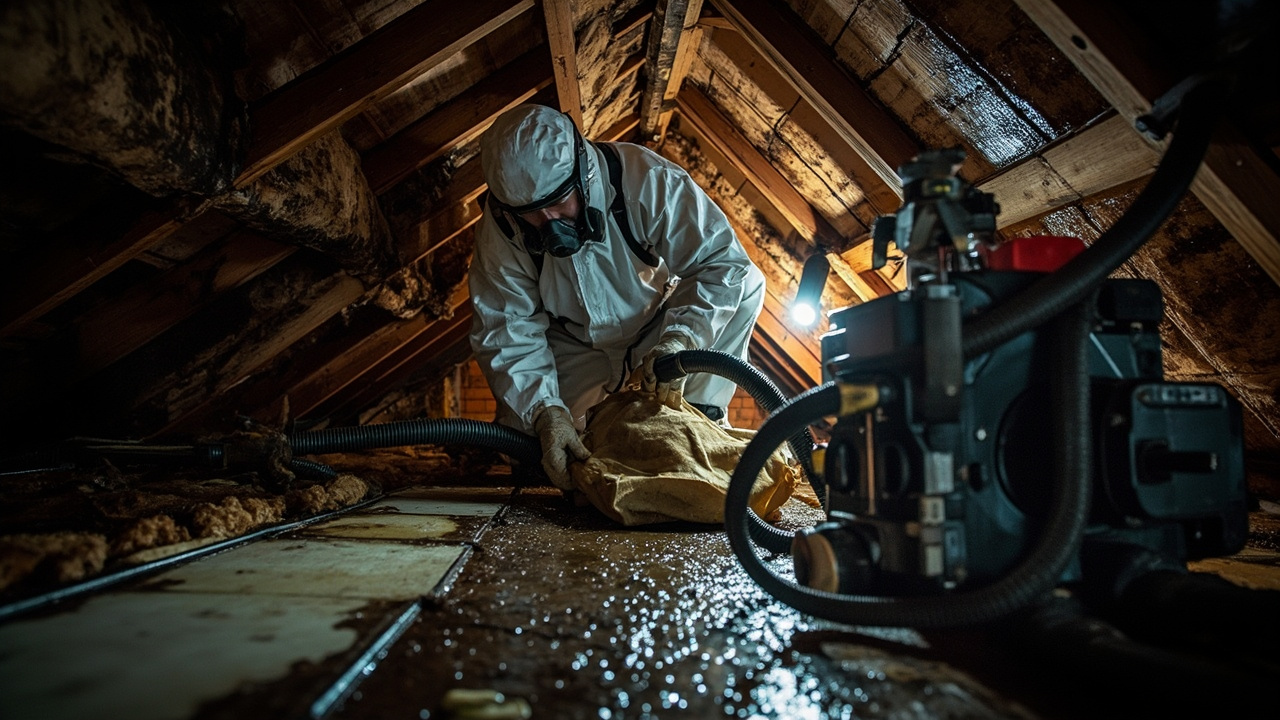
Once the entry point is confirmed, we deploy truck-mounted extraction units and portable pumps to remove standing water. Attic spaces present unique challenges because traditional floor extraction tools cannot reach between joists or pull moisture from blown-in cellulose insulation. We use wet vacuums designed for confined spaces and absorbent materials to pull water from wood framing.

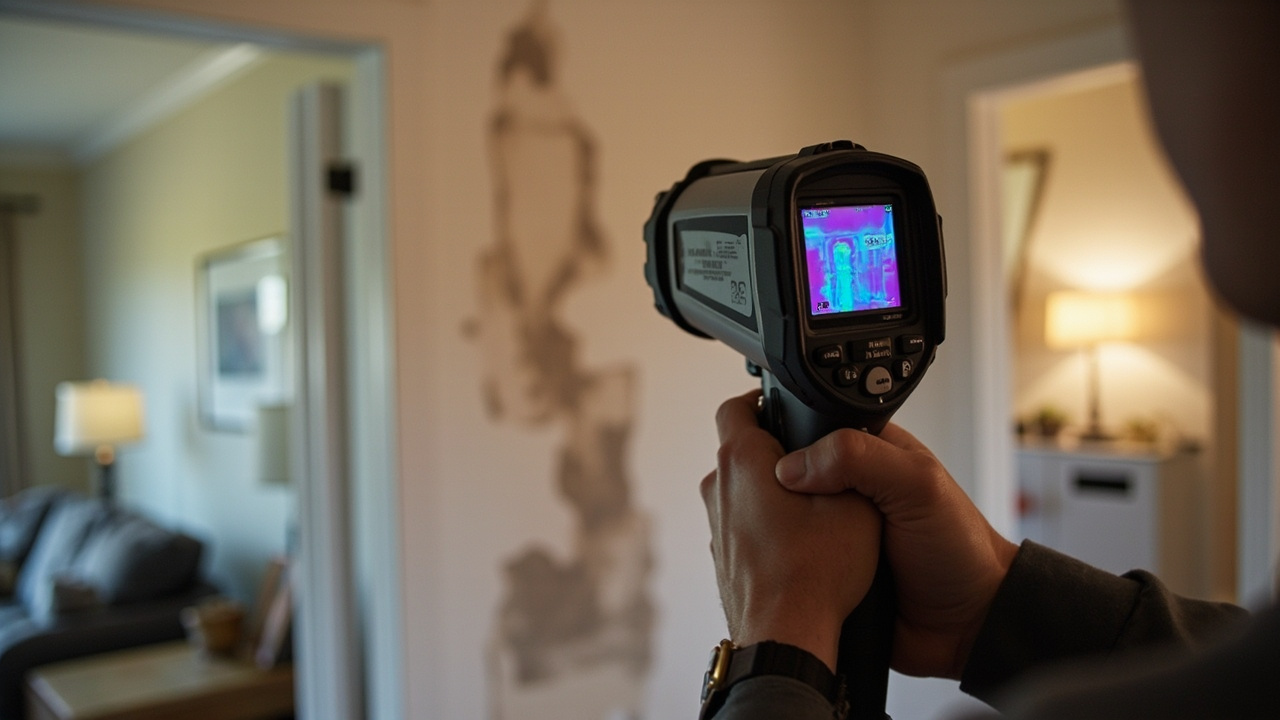
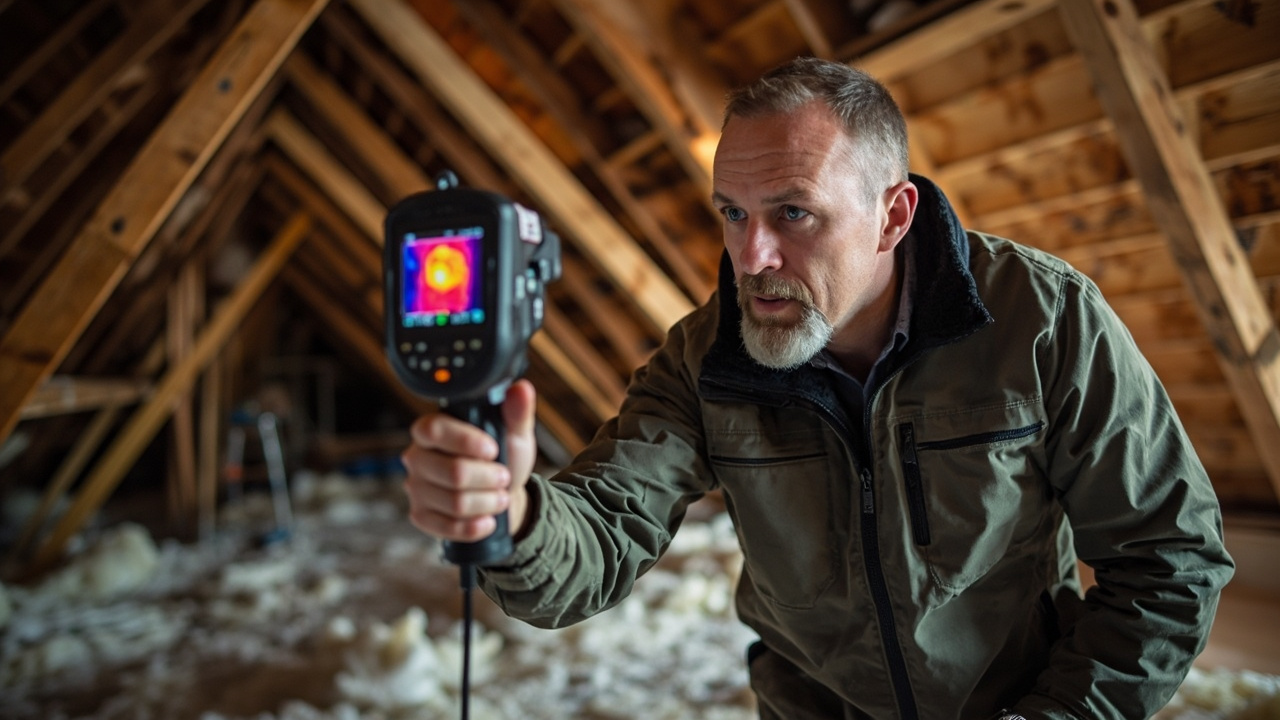
Structural drying follows extraction. We position commercial-grade air movers to create cross-ventilation and place desiccant dehumidifiers to pull moisture from the air. Thermal imaging cameras map wet zones hidden behind radiant barriers or within batt insulation. Moisture meters track drying progress in real time, measuring wood moisture content until it drops below 15 percent, the threshold where mold and rot risk diminish.

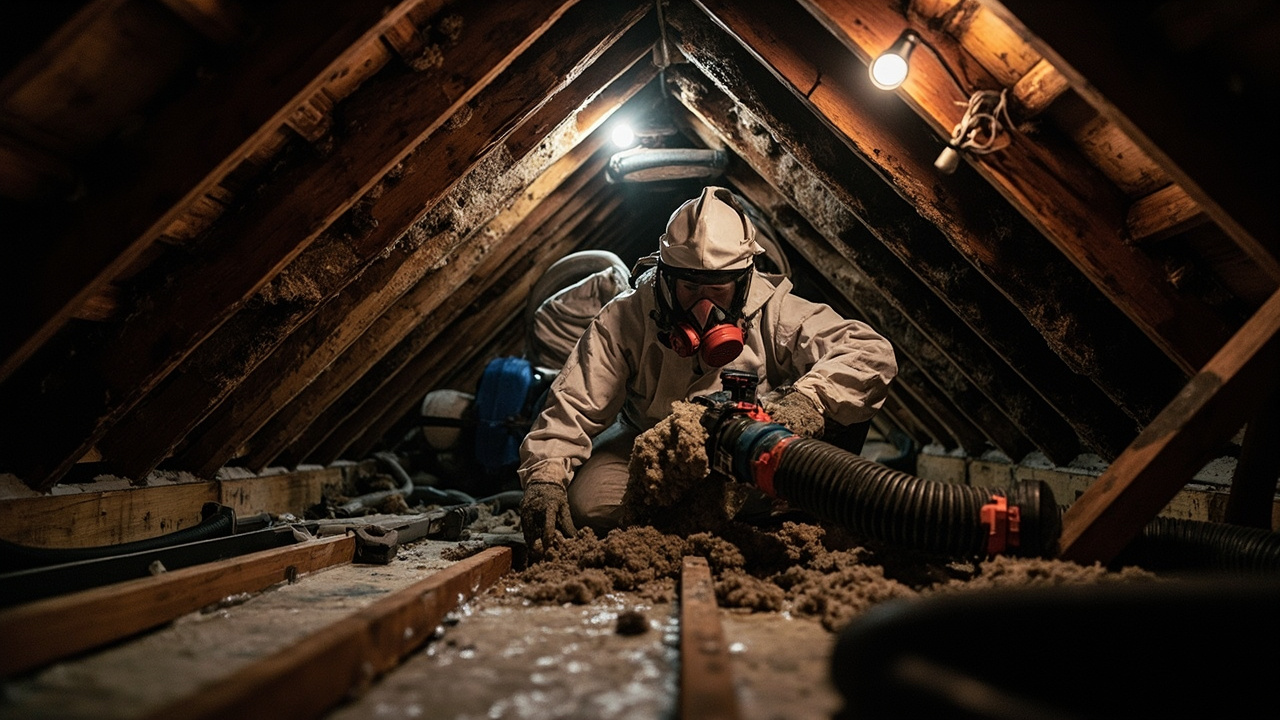
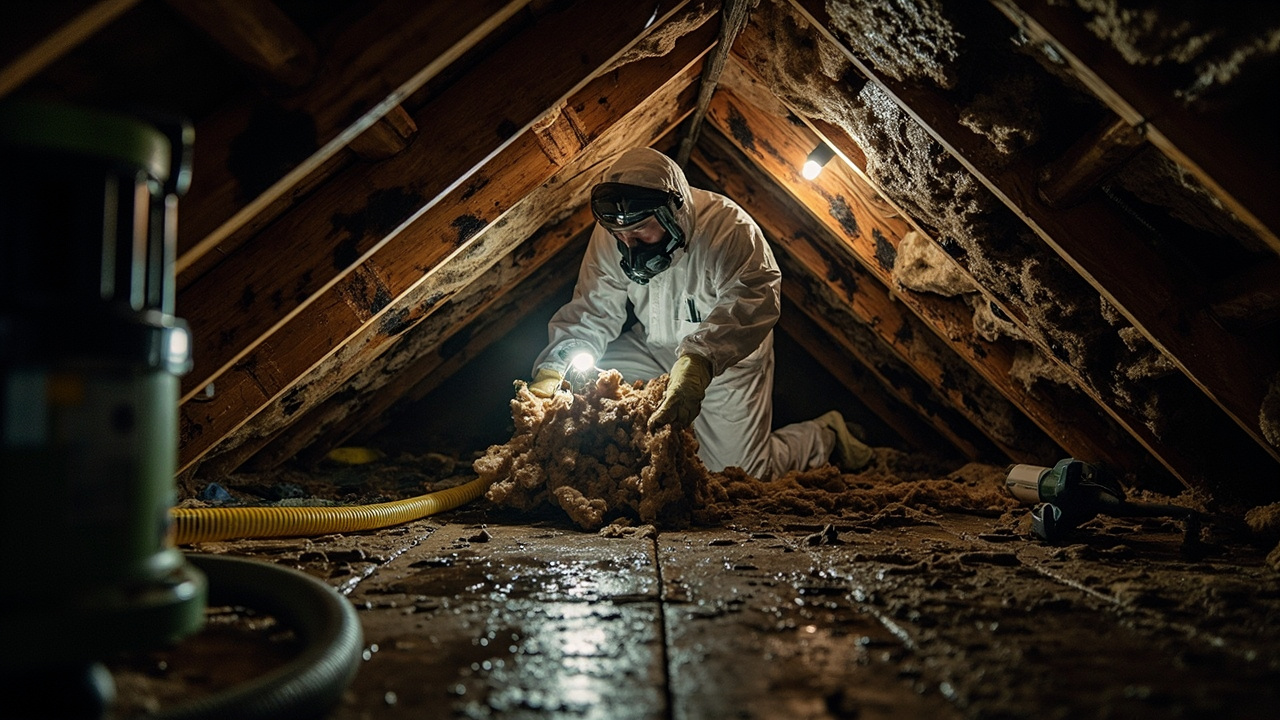
Attic water damage repair includes more than drying. Soaked insulation loses R-value permanently and must be removed. Stained or warped roof decking gets evaluated for replacement. If mold spores are detected on lumber, we apply antimicrobial treatments and encapsulants to prevent future growth. HVAC ductwork gets inspected for water intrusion, which can distribute mold spores throughout your home if ignored. Silverline Water Damage Restoration Houston treats attic water damage as a whole-system problem, not a surface fix.

What Happens During Your Attic Water Damage Cleanup

Attic Water Damage Cleanup in Houston – Expert Restoration for Leaks, Floods, and Storm Damage
01

Emergency Water Extraction

We arrive within hours to remove standing water using industrial pumps and wet vacuums. Attic spaces require specialized equipment that fits through access hatches and maneuvers around trusses. Our team extracts water from insulation cavities, between joists, and along roof valleys where pooling occurs. Speed matters because Houston humidity accelerates mold colonization, so we prioritize rapid water removal before assessing secondary damage.
02

Structural Drying and Monitoring

High-velocity air movers and dehumidifiers run continuously to dry wood framing, roof decking, and remaining insulation. We monitor moisture levels every 12 hours using infrared cameras and pin-type meters. Drying typically takes three to five days depending on saturation depth and ambient conditions. We document moisture readings to ensure your attic reaches safe levels before reconstruction begins, preventing trapped moisture that leads to hidden mold or wood rot.
03

Restoration and Prevention

After drying, we replace damaged insulation, treat exposed wood with antimicrobial solutions, and repair compromised roof penetrations. Our team coordinates with roofers if shingle replacement or flashing repair is needed. We also install vapor barriers and improve attic ventilation to reduce future moisture buildup. You receive a detailed moisture map and recommendations to prevent recurrence, including gutter maintenance tips and roof inspection schedules specific to Houston weather patterns.

Why Houston Homeowners Trust Local Attic Water Damage Experts

Out-of-town restoration companies do not understand how Houston's subtropical climate affects drying times and mold growth rates. National franchises follow generic protocols that fail in environments where outdoor humidity regularly exceeds 80 percent. You need a team that knows how afternoon thunderstorms saturate roof valleys, how Harris County building codes dictate attic ventilation requirements, and how local insurance adjusters evaluate water damage claims.

Silverline Water Damage Restoration Houston has worked in every neighborhood from River Oaks to Kingwood. We know which homes have original 1960s roof decking prone to delamination and which newer builds in Katy use OSB sheathing that swells when wet. This local knowledge speeds diagnosis and prevents costly mistakes like applying encapsulants to wood that is still damp or replacing insulation before the leak source is fixed.

Our technicians train specifically on Houston's common attic problems, including condensation from undersized HVAC returns, ice dam equivalent issues during rare freezes, and hurricane-force rain intrusion through turbine vents. We also maintain relationships with local roofers, electricians, and mold remediation specialists, so if your attic water damage reveals larger issues like faulty wiring or extensive fungal growth, we coordinate repairs without delays.

Insurance companies recognize our documentation standards. We provide detailed moisture logs, photo evidence of pre-loss conditions, and itemized repair estimates that align with Xactimate pricing used by adjusters. This reduces claim disputes and speeds reimbursement. Choosing a local expert means you get someone who understands both the technical restoration process and the administrative realities of filing claims in Texas.

What You Can Expect From Start to Finish

Response Time and Availability

We answer emergency calls 24 hours a day because attic water damage does not wait for business hours. Most teams arrive within two to three hours of your call, equipped with extraction tools and moisture detection equipment. For less urgent situations like slow leaks discovered during inspections, we schedule assessments within 24 hours. Speed matters in Houston's humid climate, where mold can colonize damp wood in under 48 hours. Our dispatch system prioritizes active flooding and storm damage, but all attic water issues receive same-day contact and a clear timeline for service.

Initial Assessment Process

Your assessment begins with a visual inspection of the attic interior, roof exterior, and affected ceilings below. We use thermal imaging to detect hidden moisture in insulation and framing. Moisture meters measure water content in wood, and we document saturation levels with photos and diagrams. You receive a written scope of work explaining which materials need extraction, drying, or replacement. We identify the water source, whether a roof leak, plumbing failure, or HVAC issue, and explain how it will be addressed. Assessments take 45 to 90 minutes depending on attic size and damage extent.

Quality of Final Restoration

Complete attic water damage cleanup means your space returns to pre-loss condition or better. Insulation is replaced to match or exceed original R-values. Damaged roof decking or framing gets structurally sound repairs. We verify final moisture readings below 15 percent before closing walls or ceilings. Antimicrobial treatments on exposed wood prevent future mold, and improved ventilation reduces condensation risk. You receive documentation showing before and after moisture levels, which satisfies insurance requirements and provides peace of mind. The goal is a dry, safe attic that protects your home for years.

Post-Cleanup Support and Monitoring

After restoration, we provide a detailed report with moisture readings, repair photos, and maintenance recommendations. You get a checklist for monitoring your attic, including signs of new leaks or ventilation problems. We offer follow-up inspections 30 days after completion to verify moisture levels remain stable and no secondary issues have emerged. If you experience related problems within the first year, we return to assess at no charge. Our team also educates you on gutter maintenance, roof inspection schedules, and when to call for professional help versus handling minor issues yourself.

Frequently Asked Questions

You Have Questions,
We Have Answers

How to fix water damage in an attic? +

First, stop the water source. Locate the leak, whether from roof damage, plumbing, or HVAC condensate lines. Remove wet insulation and materials immediately to prevent mold growth in Houston's high humidity. Set up industrial dehumidifiers and air movers to dry structural elements like joists and decking. Treat affected wood with antimicrobial solutions. Inspect for hidden moisture pockets using thermal imaging. Replace damaged insulation with properly rated material. In Houston, attic temperatures can exceed 150 degrees, so addressing ventilation issues during restoration prevents future condensation problems. Professional water extraction and structural drying take 3 to 5 days depending on saturation depth.

Does homeowners insurance cover attic remediation? +

Coverage depends on the water source. Homeowners policies typically cover sudden, accidental damage like burst pipes or storm-related roof leaks. However, gradual damage from neglected maintenance or roof wear often gets denied. In Houston, hurricane and windstorm damage may require separate wind and hail coverage. Flood damage requires a separate NFIP policy, not standard homeowners insurance. Review your policy's water damage exclusions carefully. Document everything with photos and timestamps. Insurance adjusters look for pre-existing conditions, so maintaining roof and plumbing records helps your claim. Most policies cover restoration but may limit mold remediation to specific dollar amounts.

Will water in the attic dry out? +

Water rarely dries properly on its own in Houston's humid climate. Attics can trap moisture for weeks or months without proper ventilation and dehumidification. Standing water, wet insulation, and soaked wood create ideal conditions for mold growth within 24 to 48 hours. High attic temperatures can accelerate microbial activity rather than dry materials. Structural wood absorbs water deeply and releases it slowly. You need controlled drying with commercial equipment to prevent wood rot, compromised roof decking, and secondary damage. Relying on passive air circulation risks long-term structural issues and health hazards. Professional moisture monitoring ensures materials reach safe dryness levels before reconstruction.

How much does it cost to repair water damage in the attic? +

Attic water damage repair costs vary widely based on water volume, affected square footage, and structural damage extent. Minor leaks affecting small areas may cost 1,500 to 3,000 dollars for extraction and drying. Moderate damage requiring insulation replacement and treatment typically ranges higher. Extensive damage involving roof decking replacement, joist repair, or mold remediation increases costs significantly. Houston's building codes require specific insulation R-values that affect material costs. Insurance often covers restoration minus your deductible. Get a detailed scope of work that separates water extraction, structural drying, demolition, antimicrobial treatment, and reconstruction. Costs escalate when delays allow mold colonization or wood rot.

What is the 7 and 7 rule for attics? +

The 7 and 7 rule refers to minimum attic ventilation requirements. You need 1 square foot of ventilation for every 150 square feet of attic space. This breaks down to equal intake (soffit vents) and exhaust (ridge or gable vents) ventilation. The 7 refers to both intake and exhaust needing balanced airflow. Proper ventilation prevents moisture buildup, reduces cooling costs, and extends roof life. In Houston's heat and humidity, inadequate ventilation causes condensation on roof decking and insulation, creating water damage without any visible leak. Balanced airflow moves hot, moist air out while drawing cooler air in, protecting structural integrity year-round.

Will homeowners insurance cover water damage from a roof leak? +

Coverage depends on the leak cause. Sudden storm damage, wind-lifted shingles, or hail impacts typically qualify for coverage under standard homeowners policies. However, insurers deny claims for gradual leaks from aging roofs, missing maintenance, or pre-existing wear. In Houston, policies often require separate wind and hail endorsements for hurricane-related damage. Document the damage immediately with photos and timestamps. Insurance adjusters inspect for maintenance history and prior roof condition. Water damage from covered roof events usually includes interior restoration, but policies may cap mold remediation coverage. Review your policy's roof coverage terms, especially age-based depreciation clauses common in Gulf Coast policies.

How much does it cost to remediate an attic? +

Attic remediation costs depend on contamination type, affected area, and required containment. Mold remediation for small areas may cost 1,500 to 4,000 dollars. Larger infestations requiring full containment, HEPA filtration, and extensive material removal increase costs substantially. Sewage contamination from plumbing leaks requires biohazard protocols and specialized cleaning. Houston's humidity accelerates mold growth, often expanding the affected zone beyond visible damage. Professional remediation includes air quality testing, containment setup, antimicrobial treatment, material removal, HEPA vacuuming, and post-remediation verification. Insurance may cover microbial growth stemming from covered water events but often limits payouts. Unaddressed contamination creates liability and health risks.

What not to say during a home insurance claim? +

Avoid admitting fault or speculating about damage timelines. Never say the leak has been ongoing, you noticed it weeks ago but waited, or you skipped recommended maintenance. Do not exaggerate damage or make assumptions about causes before professional assessment. Avoid phrases like "I think it has been leaking for months" or "the roof is old anyway." In Houston, insurers scrutinize hurricane claims closely, so stick to facts about when you discovered damage and immediate actions taken. Do not sign anything without reading it thoroughly. Never accept a lowball settlement immediately. Provide documentation but avoid unnecessary commentary that undermines your claim's legitimacy.

Does insurance cover black mold in the attic? +

Coverage depends on the mold's cause. If mold results from a covered peril like a sudden roof leak or burst pipe, most policies provide limited mold remediation coverage, often capped at 5,000 to 10,000 dollars. However, mold from gradual leaks, condensation, or maintenance neglect gets denied. Houston's humidity creates gray areas where insurers claim mold stems from poor ventilation rather than covered water damage. Policies exclude mold from flooding, requiring separate flood insurance. Document the water source immediately and file claims promptly. Delayed reporting gives insurers grounds to deny coverage by arguing the mold predates the covered event. Review your policy's specific mold exclusions and caps.

Is insulation ruined if it gets wet? +

Yes. Wet insulation loses R-value permanently and becomes a contamination risk. Fiberglass and cellulose insulation absorb water like sponges, compressing and losing thermal performance. In Houston's humidity, wet insulation stays damp indefinitely without removal, fostering mold growth and wood rot. Contaminated insulation cannot be salvaged. It must be removed, disposed of properly, and replaced with new material meeting current code requirements. Spray foam insulation may survive if dried quickly and shows no microbial growth, but requires professional assessment. Leaving wet insulation creates ongoing moisture problems, poor energy efficiency, and health hazards. Restoration requires complete removal and replacement for safe, effective attic performance.

How Houston's Hurricane Season Intensifies Attic Flood Risks

Hurricane season brings sustained winds that drive rain horizontally into roof vents, soffit openings, and around chimney flashing. Unlike typical rainstorms, tropical systems dump six to ten inches in hours, overwhelming gutters and forcing water under shingles through capillary action. Houston attics built before 2000 often lack adequate secondary water barriers, so when shingles lift or nail sealant fails, water flows directly onto roof decking. The combination of wind-driven rain and aging roof systems makes attic flood restoration a common need from June through November across neighborhoods like Meyerland, Clear Lake, and West University.

Local building codes in Houston require specific attic ventilation ratios and moisture barrier installations, but enforcement varies by construction era and subdivision. Homes built during rapid expansion periods often cut corners on attic waterproofing, leaving current owners vulnerable. Working with a restoration company that understands Harris County code requirements ensures repairs meet current standards, which protects resale value and prevents future insurance disputes. We know which inspectors prioritize ventilation compliance and which materials pass muster with local adjusters, giving you an advantage when navigating claims and permits.
Water Damage Restoration Services in The Houston Area

Easily locate our service area and see how Silverline is strategically positioned to provide rapid water damage restoration services throughout Houston and its surrounding communities. Our commitment to prompt response means we're never far away when disaster strikes, ensuring your property gets the urgent care it needs, wherever you are within our service radius. We're here to serve you efficiently.

Address:
Silverline Water Damage Restoration Houston, 3730 Kirby Dr, Houston, TX, 77098

Additional Services We Offer

Our news updates

Latest Articles & News from The Blogs

Houston humidity presents a constant struggle for homeowners across Harris County. In 2026, the weather patterns continue to create high…

Why Houston Families Trust Our Certified Mold Inspection Services for Local Homes

Houston humidity presents a constant struggle for homeowners across Harris County. In 2026, the weather patterns continue to create high…

Dealing with Attic Water Damage from Leaky Roofs in Kingwood

Dealing with Attic Water Damage from Leaky Roofs in KingwoodHomeowners in the Kingwood area face significant moisture challenges due to…

Why a Home Dehumidifier Cannot Save Your Third Ward Living Room from Water Damage

Why a Home Dehumidifier Cannot Save Your Third Ward Living Room from Water DamageYour Third Ward home faces unique challenges…

Contact Us

Do not let attic water damage spread to your ceilings and walls. Call Silverline Water Damage Restoration Houston at (832) 336-3663 for immediate assessment and extraction. We respond fast, dry thoroughly, and restore completely.