





menu

Hardwood Floor Water Damage in Houston – Expert Restoration That Saves Your Investment

Silverline Water Damage Restoration Houston specializes in rescuing water damaged wood floors throughout the greater Houston metro, using advanced moisture detection and drying protocols that prevent permanent warping, cupping, and mold growth in your hardwood flooring.

Slider Image 1
Slider Image 2
Slider Image 3
Slider Image 4
Slider Image 5
Slider Image 7
Slider Image 8
Slider Image 9
Slider Image 10
Slider Image 11

Why Houston's Climate Makes Hardwood Floors Vulnerable to Water Damage

Houston's subtropical climate creates the perfect storm for wet hardwood flooring disasters. With an average humidity level hovering between 70 and 90 percent year-round, any water intrusion into your home triggers rapid moisture absorption in wood fibers. The same Gulf Coast humidity that makes summer air feel thick also makes drying hardwood floors exponentially harder than in arid climates.

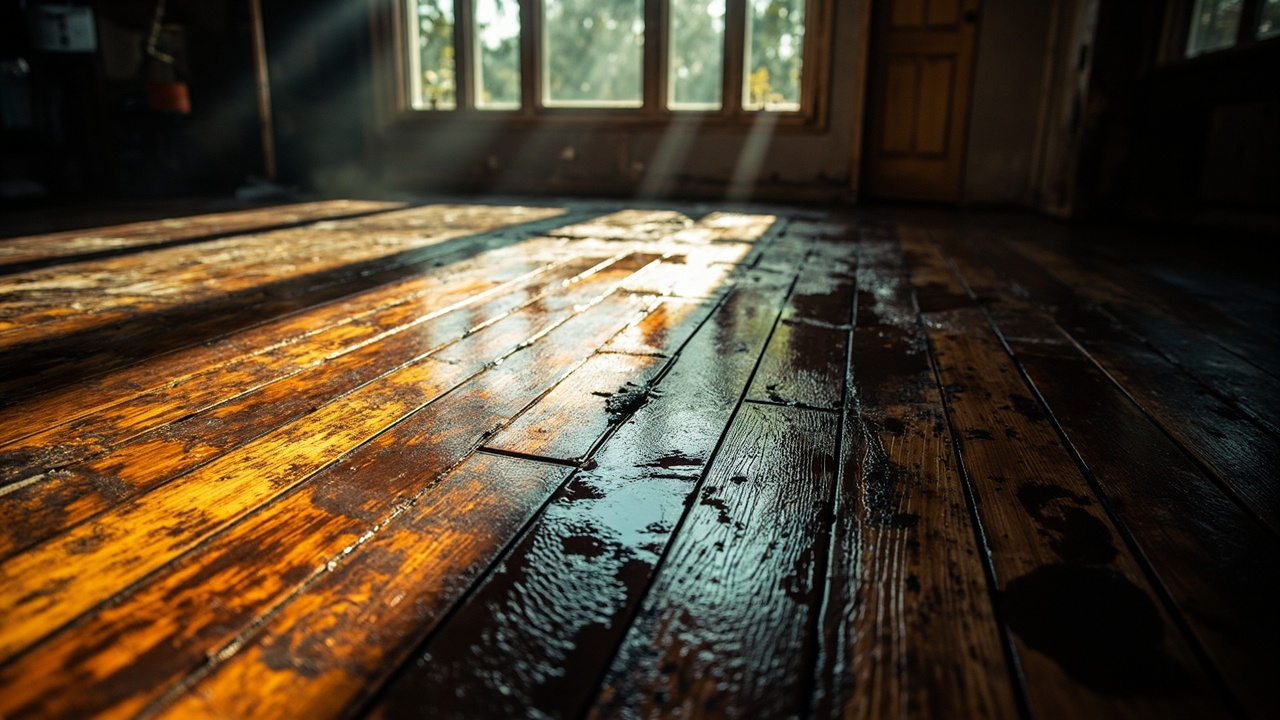
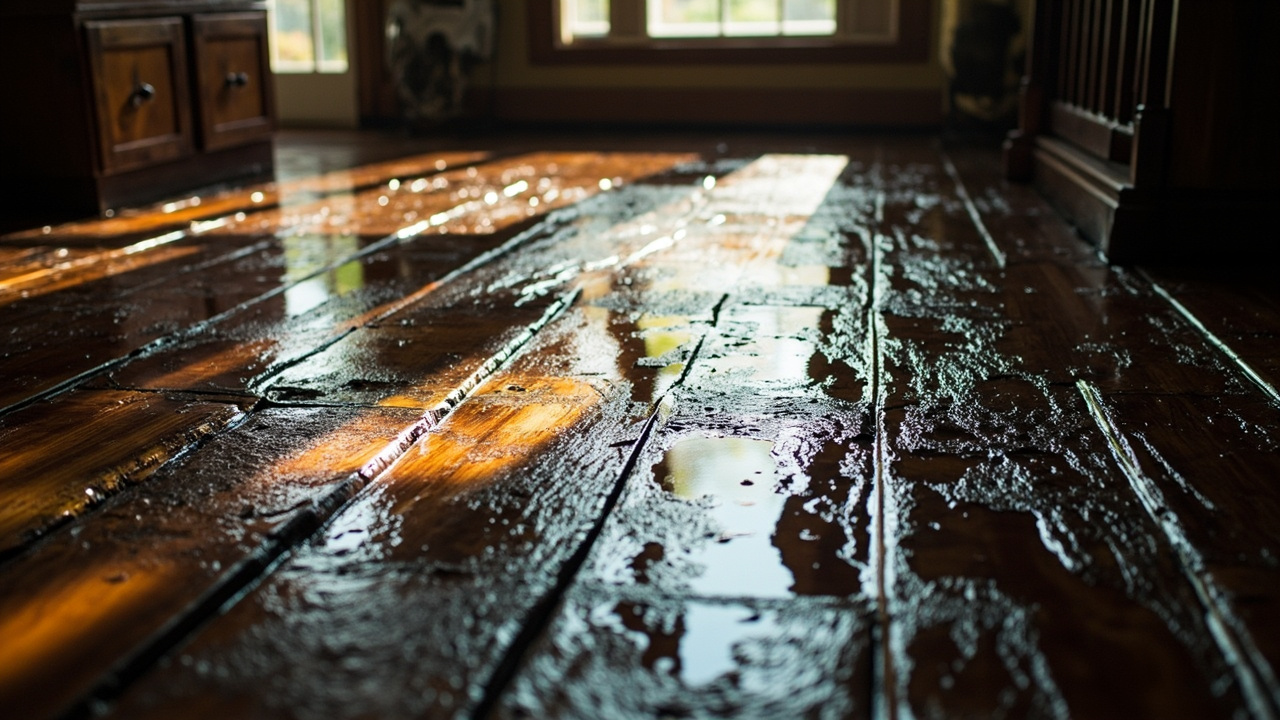
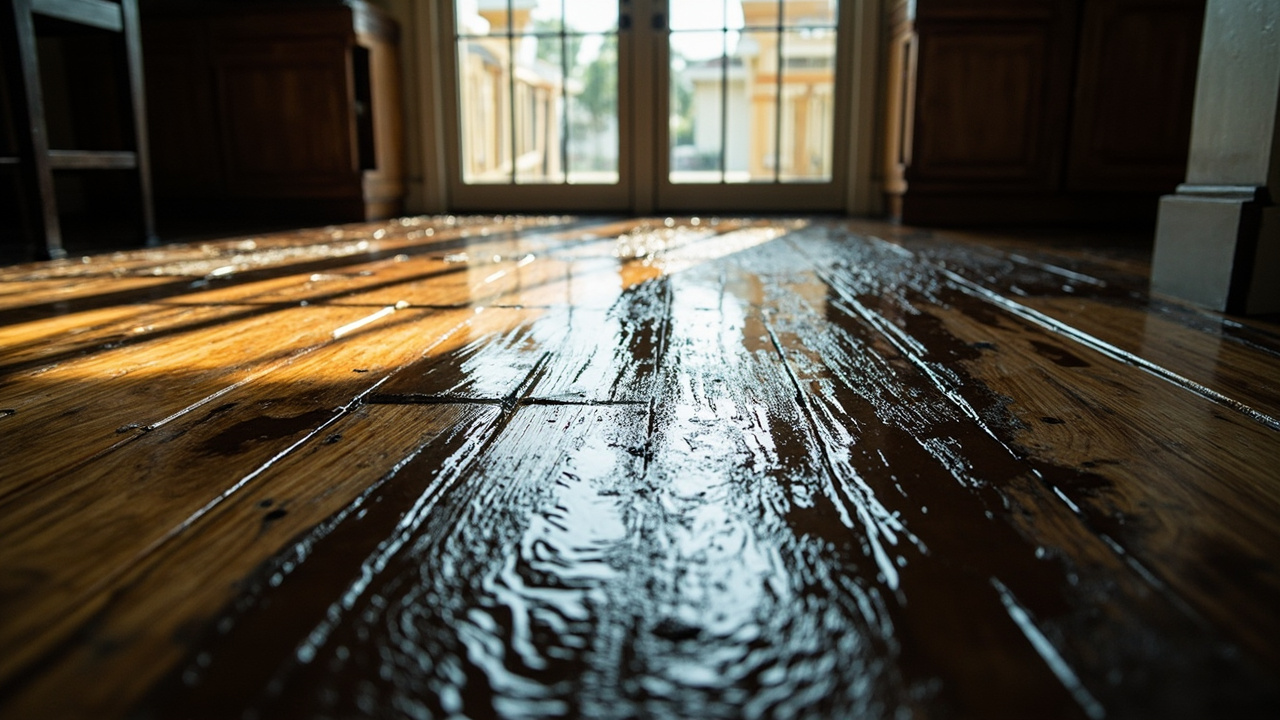
When a pipe bursts, your AC drain line overflows, or heavy rains flood your foundation, your hardwood floors absorb water like a sponge. Within hours, you'll see hardwood floor cupping, the telltale sign where board edges rise higher than the center. Left untreated for days, that cupping becomes crowning, where the center of each board swells higher than the edges. Both conditions require specialized wood floor water damage repair to prevent permanent structural failure.

The clay soil beneath most Houston homes compounds the problem. As clay expands and contracts with moisture changes, it shifts your foundation. These shifts create cracks where groundwater seeps through, pooling under your flooring. Residents in older neighborhoods like The Heights and Montrose face additional challenges, as historic homes often lack vapor barriers between concrete slabs and hardwood installations.

Water damaged wood floors also become breeding grounds for mold within 24 to 48 hours in Houston's heat. Once mold colonizes the subfloor and the wood itself, you're facing health hazards alongside structural issues. The longer water sits, the deeper it penetrates into joists and subflooring. Quick action separates a manageable restoration from a total floor replacement.

Why Houston's Climate Makes Hardwood Floors Vulnerable to Water Damage
How Professional Wood Floor Water Damage Repair Works

How Professional Wood Floor Water Damage Repair Works

Drying hardwood floors requires precision equipment and scientific understanding of wood moisture content. We don't just mop up standing water and aim box fans at your floor. Silverline Water Damage Restoration Houston uses calibrated moisture meters to measure exact water saturation levels in both surface boards and the subfloor beneath. These readings dictate our extraction and drying strategy.

We deploy commercial-grade dehumidifiers that pull moisture from the air faster than Houston's humidity can replace it. Our low-grain refrigerant (LGR) dehumidifiers create a controlled environment where wood can release absorbed moisture without warping further. Air movers positioned at specific angles create airflow patterns that accelerate evaporation without over-drying, which causes its own set of problems.

For severe water intrusion, we use injectidry systems that force heated air directly into the subfloor cavity. This targets moisture trapped between your hardwood and the concrete slab or plywood base. Traditional surface drying misses this hidden water, which continues damaging your floor from below even after the top looks dry.

We monitor moisture levels every 12 hours, adjusting equipment placement and dehumidification intensity as the wood releases water. Hardwood floors need to return to their equilibrium moisture content, which in Houston typically ranges between 6 and 9 percent. Rush the process, and boards crack. Drag it out, and mold takes hold.

Once moisture readings stabilize, we assess whether boards can be sanded and refinished or need replacement. Cupping that occurred during the first 48 hours often reverses as the floor dries properly. Boards that crowned or delaminated require selective replacement, which we match to your existing floor species and finish.

What Happens During Your Hardwood Floor Restoration

Hardwood Floor Water Damage in Houston – Expert Restoration That Saves Your Investment
01

Emergency Water Extraction

We arrive with truck-mounted extraction units that remove standing water from your hardwood surface and pull moisture from between floorboards. Our technicians document pre-existing damage with photos and moisture readings, establishing a baseline for your insurance claim. We remove baseboards when necessary to access edges where water hides and assess subfloor saturation levels that dictate our drying approach.
02

Controlled Environment Drying

We establish a drying chamber using commercial dehumidifiers and strategic air mover placement. Our equipment runs continuously, monitored through daily moisture readings in multiple floor locations. We adjust temperature and humidity levels to match wood species requirements. Oak dries differently than maple. Engineered hardwood responds differently than solid planks. We track these variables through detailed logs that document progress and justify the drying timeline to insurance adjusters.
03

Floor Stabilization and Repair

After moisture content returns to normal range, we allow floors to acclimate for 48 to 72 hours. This rest period lets boards settle into their final position. We then assess which sections need sanding to flatten minor cupping and which boards require replacement. Our final inspection includes subfloor integrity checks and antimicrobial treatments if any mold growth occurred. You receive documentation showing final moisture levels and repair specifications.

Why Houston Homeowners Trust Silverline for Wet Hardwood Flooring Emergencies

Water damaged wood floors need attention from technicians who understand Houston's unique environmental factors. We've restored hardwood in homes from River Oaks to Clear Lake, and we know how different construction eras affect restoration approaches. Pier and beam foundations common in pre-1960s homes allow better airflow for drying but require crawl space access. Slab foundations in newer developments trap moisture and need more aggressive extraction.

We work directly with insurance carriers that serve Houston homeowners. Our documentation meets Texas Department of Insurance requirements, and our estimates align with Xactimate pricing that adjusters use. This eliminates the back-and-forth that delays your claim approval and extends your living in a construction zone.

Our equipment inventory allows us to handle projects from single-room floods to whole-house water events. When Hurricane Harvey flooded thousands of Houston homes in 2017, we scaled our response to match the disaster scope. That same capacity means we arrive at your emergency with everything needed, not partial equipment that extends your drying timeline.

We're familiar with the hardwood species popular in Houston homes. Red oak dominates older construction. Hickory and acacia appear in recent luxury builds. Engineered bamboo has become common in modern renovations. Each material has different water tolerance and drying requirements. We adjust our protocols accordingly rather than applying one-size-fits-all approaches that cause additional damage.

Local knowledge extends to understanding which water sources create the biggest problems. Clean water from supply lines is Category 1. Washing machine overflows and toilet tank leaks are Category 2. Sewer backups and flooding from bayous are Category 3, requiring antimicrobial treatments and often full floor replacement. We classify water correctly, which protects your health and satisfies insurance requirements.

What to Expect When You Call for Hardwood Floor Water Damage Help

Response Time and Availability

We dispatch crews 24 hours a day, 7 days a week. Most Houston-area homes receive service within 60 to 90 minutes of your call. Our technicians arrive in fully equipped vehicles carrying extraction units, moisture meters, dehumidifiers, and air movers. You don't wait days for equipment rentals or second trips. Emergency response matters because every hour of water exposure increases damage severity and restoration costs. We start extraction immediately, stopping additional water absorption that worsens cupping and increases the risk of permanent board failure.

Initial Assessment and Documentation

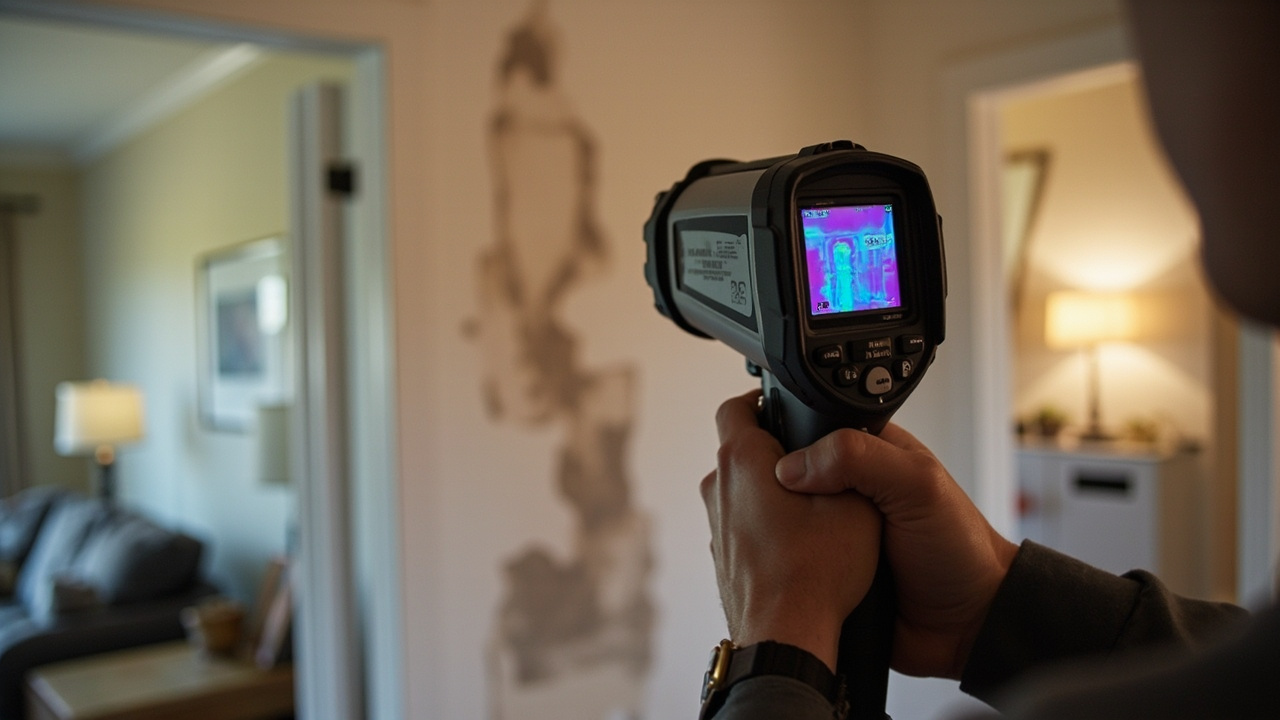
Our first visit includes complete moisture mapping of affected areas. We test moisture content in multiple locations using pin-type and pinless meters, recording readings in flooring, baseboards, and walls. This data establishes your damage baseline and guides equipment placement. We photograph all damage, document pre-existing floor conditions, and identify the water source. You receive a detailed scope of work within hours, including projected drying time and repair recommendations. This documentation package supports your insurance claim and eliminates surprises about what restoration involves.

Quality of Restoration Results

Professional drying saves floors that DIY attempts destroy. We've salvaged hardwood that homeowners assumed needed complete replacement, saving thousands in unnecessary costs. Our controlled drying environment prevents over-drying that cracks boards and under-drying that causes mold. When boards do need replacement, we source matching species and finish to blend seamlessly with existing floors. The final result should make you forget damage ever occurred. We don't consider a job complete until moisture readings confirm your floor has returned to normal equilibrium levels and all visible damage has been addressed.

Post-Restoration Monitoring and Prevention

We provide final moisture readings and recommendations to prevent future water damage. Many hardwood floor failures result from recurring problems like inadequate attic ventilation, improperly graded landscaping, or AC condensate line issues. We identify these contributing factors and suggest corrections. You receive guidance on maintaining proper indoor humidity levels year-round, which protects your floor investment. If refinishing is part of your restoration, we explain maintenance requirements for the specific finish applied. Our goal extends beyond fixing current damage to helping you avoid the next water emergency.

Frequently Asked Questions

You Have Questions,
We Have Answers

Will a swollen wood floor go back to normal? +

Sometimes, but not always. Minor swelling from brief exposure may reverse if you dry the floor quickly and completely. Houston's high humidity complicates this. If water sits longer than 24 hours, the wood fibers absorb moisture and expand beyond recovery. Cupping, crowning, and warping often become permanent. You need professional drying equipment like dehumidifiers and air movers to pull moisture from below the surface and the subfloor. Even after drying, boards may remain distorted. The wood species, finish type, and how long water sat determine whether your floor rebounds or requires sanding, refinishing, or full replacement.

What happens if hardwood floors get wet? +

Water swells the wood fibers, causing boards to cup, crown, or buckle. Finishes blister and peel. If water reaches the subfloor, mold grows within 48 hours in Houston's humid climate. The wood absorbs moisture unevenly, creating height differences between boards. Stains, discoloration, and odors follow. Structural adhesives weaken, and tongue-and-groove joints separate. The longer water sits, the deeper it penetrates. Even after surface drying, trapped moisture continues damaging the subfloor and joists. You need immediate extraction and professional drying to prevent permanent warping and microbial growth beneath the surface.

How to flatten a wood floor after water damage? +

You cannot flatten water-damaged wood without professional intervention. First, extract all standing water and run commercial dehumidifiers for 3-7 days to pull moisture from the wood and subfloor. Houston's humidity slows natural drying. Once completely dry, minor cupping may flatten. If boards remain warped, you must sand the surface level using a drum sander, removing the damaged top layer. Severe buckling or crowning requires board replacement. Do not attempt sanding wet or damp wood. The moisture content must drop below 12 percent before any mechanical leveling. Professional moisture meters confirm readiness.

Will insurance pay for water damage to a wood floor? +

It depends on your policy and the water source. Most Houston homeowners policies cover sudden, accidental water damage like burst pipes or appliance failures. They exclude gradual leaks, flooding, and neglect. You must document the damage immediately with photos and file your claim within policy deadlines. Adjusters inspect moisture levels and determine coverage. Policies typically cover extraction, drying, and replacement but may depreciate older floors. Deductibles apply. Flood damage requires separate flood insurance. Review your policy's water damage exclusions and act fast. Delays give insurers grounds to deny claims for secondary damage like mold.

Can you fix water damaged hardwood floors? +

Yes, if you act quickly. Minor water damage responds to professional drying and refinishing. Extract water immediately, dry the subfloor completely, and assess the boards. Light cupping or surface stains can be sanded and refinished. Severe warping, buckling, or mold contamination requires board replacement. Houston's humidity extends drying time, so do not rush repairs. Moisture trapped below causes future problems. Use moisture meters to confirm levels below 12 percent before refinishing. Match wood species, grain, and finish for seamless repairs. Replacing sections in older floors proves challenging due to discontinued products and color matching issues.

How to unswell a wooden floor? +

You cannot manually unswell wood. Remove the water source, extract standing water, and run industrial dehumidifiers and air movers for days. Houston's 70-90 percent humidity slows evaporation, so you need equipment that creates airflow beneath the flooring. Moisture meters track progress. As the wood releases moisture, minor swelling may reverse. If boards remain swollen after complete drying, the fibers have stretched permanently. Sanding removes surface irregularities, but severe cases require board replacement. Never apply heat guns or fans alone. Rapid drying cracks the wood. Controlled, gradual moisture removal gives the best chance of dimensional recovery.

How much does it cost to repair a water damaged hardwood floor? +

Repair costs vary widely based on damage severity, square footage, and wood type. Minor refinishing after quick drying runs a few dollars per square foot. Replacing individual warped boards costs more due to labor and matching challenges. Extensive subfloor replacement and mold remediation escalate expenses significantly. Houston labor rates and material availability affect pricing. Insurance may cover portions depending on your policy. Get multiple estimates from certified restorers. Costs include water extraction, drying equipment rental, disposal, materials, and finishing. Delaying repairs increases costs as mold spreads and structural damage worsens. Fast action minimizes total expense.

What do water damaged hardwood floors look like? +

Water-damaged hardwood shows cupping where board edges rise higher than centers, creating a concave surface. Crowning is the opposite, with centers humped upward. You see dark stains, white clouding, or black mold spots. Finishes blister, crack, or peel away. Boards buckle upward, separate at seams, or feel spongy underfoot. In Houston's climate, mold appears quickly as fuzzy black or green patches. You may notice musty odors even after visible water disappears. Severe damage shows warped, twisted boards pulling away from subfloors. Discoloration patterns follow water flow paths, revealing the extent of saturation.

What pulls moisture out of wood floors? +

Professional-grade dehumidifiers and air movers create low humidity environments that pull moisture from wood and subfloors. Desiccant dehumidifiers work best in Houston's already humid conditions. Air movers increase evaporation rates by circulating air across and beneath flooring. Moisture migrates from high-concentration areas in the wood toward drier air. This process takes days, not hours. Portable meters monitor moisture content until it drops below 12 percent. Box fans and household dehumidifiers lack power for deep drying. Professionals also use injectidry systems forcing air between floorboards and subfloors where moisture hides.

How long can water sit on hardwood floors? +

No more than 24 hours before permanent damage begins. Houston's humidity accelerates deterioration. Within hours, surface finishes start failing. At 24-48 hours, wood swells, mold spores activate, and subfloor adhesives weaken. After 72 hours, expect cupping, staining, and active mold growth. The wood absorbs water progressively deeper over time. Clean water becomes contaminated as it sits, increasing restoration complexity. Extract standing water immediately and start drying within the first few hours. Every minute counts. Delayed response turns a manageable refinishing job into full replacement with subfloor remediation and mold abatement.

How Houston's Flood Risk and Hurricane Exposure Demand Specialized Hardwood Floor Expertise

Houston sits in a high-risk flood zone where tropical storms and hurricanes threaten hardwood floors every summer and fall. The city's flat topography and proximity to Galveston Bay create drainage challenges that turn heavy rains into indoor flooding. Bayous like Buffalo Bayou and Brays Bayou overflow during intense weather, sending Category 3 floodwater into homes. This contaminated water requires different treatment protocols than clean supply line breaks. Silverline technicians understand FEMA flood classifications and follow IICRC S500 standards for addressing water categories that impact whether your hardwood can be saved or must be removed entirely for health safety.

Texas residential building codes and Houston's specific amendments affect restoration approaches for water damaged wood floors. Older homes built before modern moisture barrier requirements need different interventions than new construction. Our familiarity with local construction standards helps us navigate inspection requirements when restoration involves subfloor replacement or structural repairs. We coordinate with Harris County building inspectors when projects require permits, ensuring your restoration meets code and protects your home value. This local regulatory knowledge separates professional restoration from amateur attempts that create compliance issues when you sell your home.
Water Damage Restoration Services in The Houston Area

Easily locate our service area and see how Silverline is strategically positioned to provide rapid water damage restoration services throughout Houston and its surrounding communities. Our commitment to prompt response means we're never far away when disaster strikes, ensuring your property gets the urgent care it needs, wherever you are within our service radius. We're here to serve you efficiently.

Address:
Silverline Water Damage Restoration Houston, 3730 Kirby Dr, Houston, TX, 77098

Additional Services We Offer

Our news updates

Latest Articles & News from The Blogs

Houston humidity presents a constant struggle for homeowners across Harris County. In 2026, the weather patterns continue to create high…

Why Houston Families Trust Our Certified Mold Inspection Services for Local Homes

Houston humidity presents a constant struggle for homeowners across Harris County. In 2026, the weather patterns continue to create high…

Dealing with Attic Water Damage from Leaky Roofs in Kingwood

Dealing with Attic Water Damage from Leaky Roofs in KingwoodHomeowners in the Kingwood area face significant moisture challenges due to…

Why a Home Dehumidifier Cannot Save Your Third Ward Living Room from Water Damage

Why a Home Dehumidifier Cannot Save Your Third Ward Living Room from Water DamageYour Third Ward home faces unique challenges…

Contact Us

Every minute counts when water threatens your hardwood floors. Call Silverline Water Damage Restoration Houston at (832) 336-3663 right now. Our crews are standing by 24/7 to stop damage, start drying, and save your floor investment.