





menu

Flood Cleanup & Extraction in Houston – Fast Response to Hurricane Zone Flooding

When tropical storms and hurricanes dump record rainfall across the Greater Houston metro, you need certified flood damage restoration teams who understand bayou overflow, storm surge, and how to protect your property from catastrophic mold growth.

Slider Image 1
Slider Image 2
Slider Image 3
Slider Image 4
Slider Image 5
Slider Image 7
Slider Image 8
Slider Image 9
Slider Image 10
Slider Image 11

Why Houston Properties Face Extreme Flood Risk Year-Round

Houston sits in a coastal floodplain where Buffalo Bayou, White Oak Bayou, and Brays Bayou converge. When Hurricane Harvey dropped 60 inches of rain in 2017, entire neighborhoods sat underwater for weeks. The city's flat topography and clay soil create poor drainage, turning heavy rain into standing water within minutes.

Your home or business faces flood threats from multiple sources. Tropical storms bring storm surge from Galveston Bay. Afternoon thunderstorms overwhelm aging stormwater infrastructure. Older homes in Meyerland, Bellaire, and Memorial struggle with outdated drainage systems. Commercial properties near the Ship Channel deal with tidal flooding during king tides.

Emergency water extraction must happen within the first 24 hours. Houston's humidity accelerates mold colonization faster than in dry climates. Standing water soaks into drywall, insulation, and subflooring. The porous materials in your walls absorb contaminated floodwater carrying sewage, chemicals, and bacteria from overflow systems.

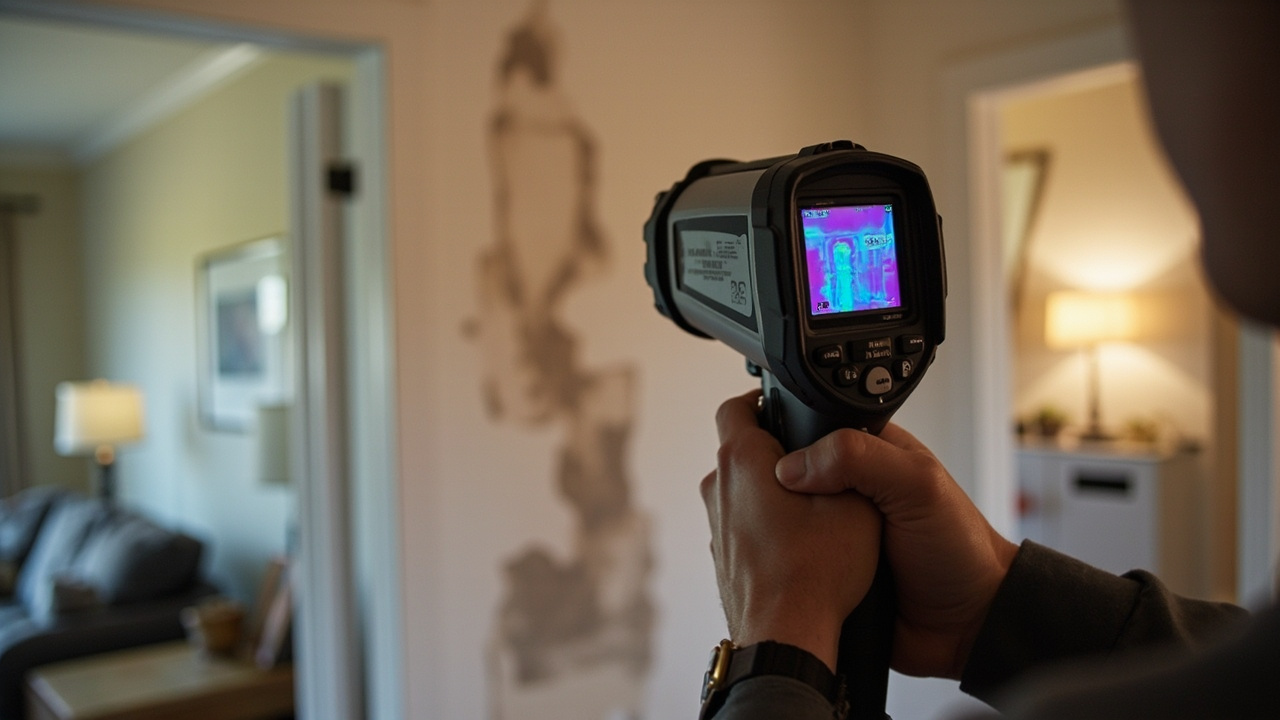
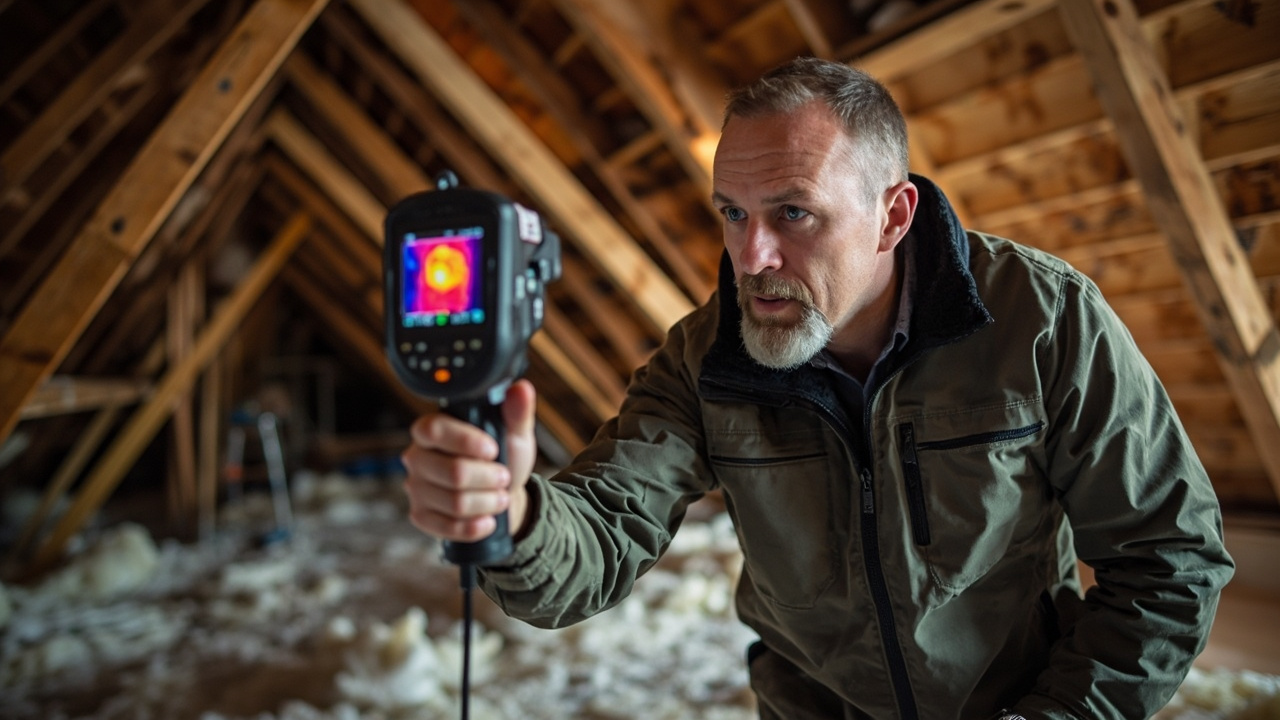
Flood damage restoration requires industrial-grade pumps, moisture meters, and thermal imaging cameras to find hidden water pockets. You cannot dry a flooded structure with box fans and hope. Water mitigation services prevent secondary damage that costs more than the initial flood. The difference between a salvageable property and a total loss comes down to response speed and technical execution.

Why Houston Properties Face Extreme Flood Risk Year-Round
How Professional Water Removal Services Stop Structural Damage

How Professional Water Removal Services Stop Structural Damage

Flood cleanup begins with source control. If the water still flows, we stop it. For burst pipes, we shut off water mains. For roof leaks, we deploy emergency tarps. For bayou overflow, we install temporary flood barriers and sandbag perimeters to protect unaffected areas.

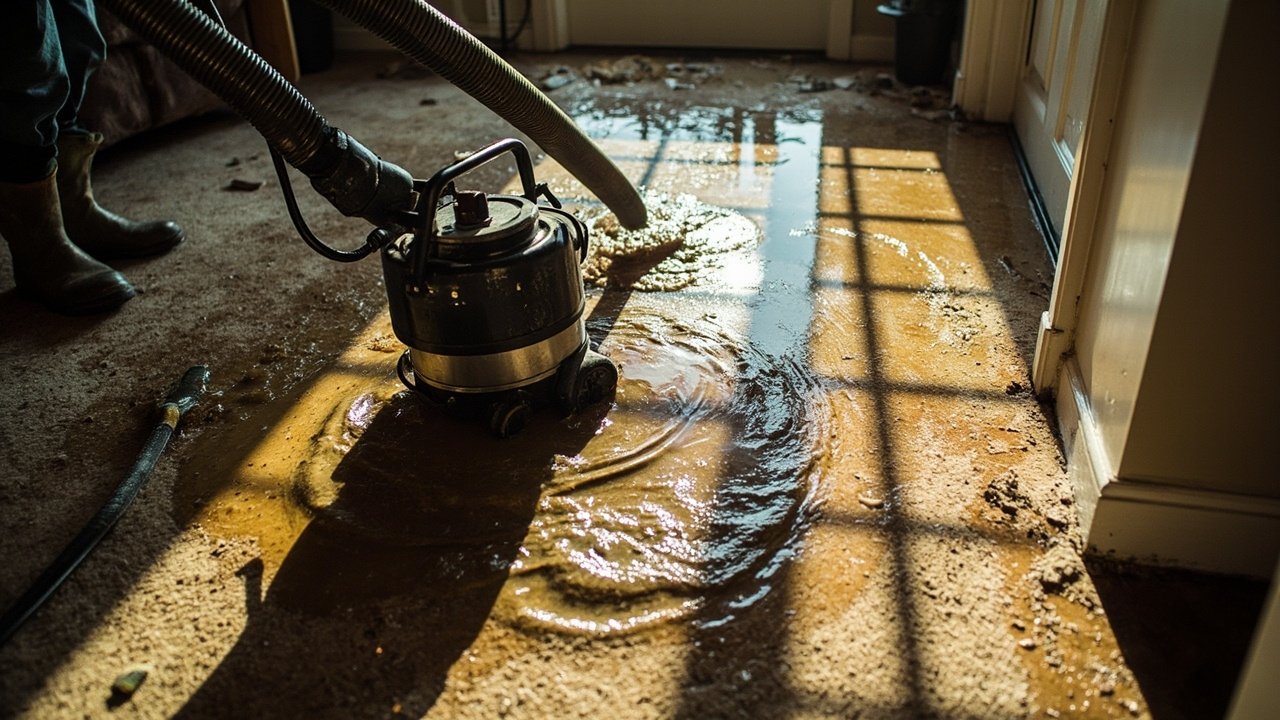
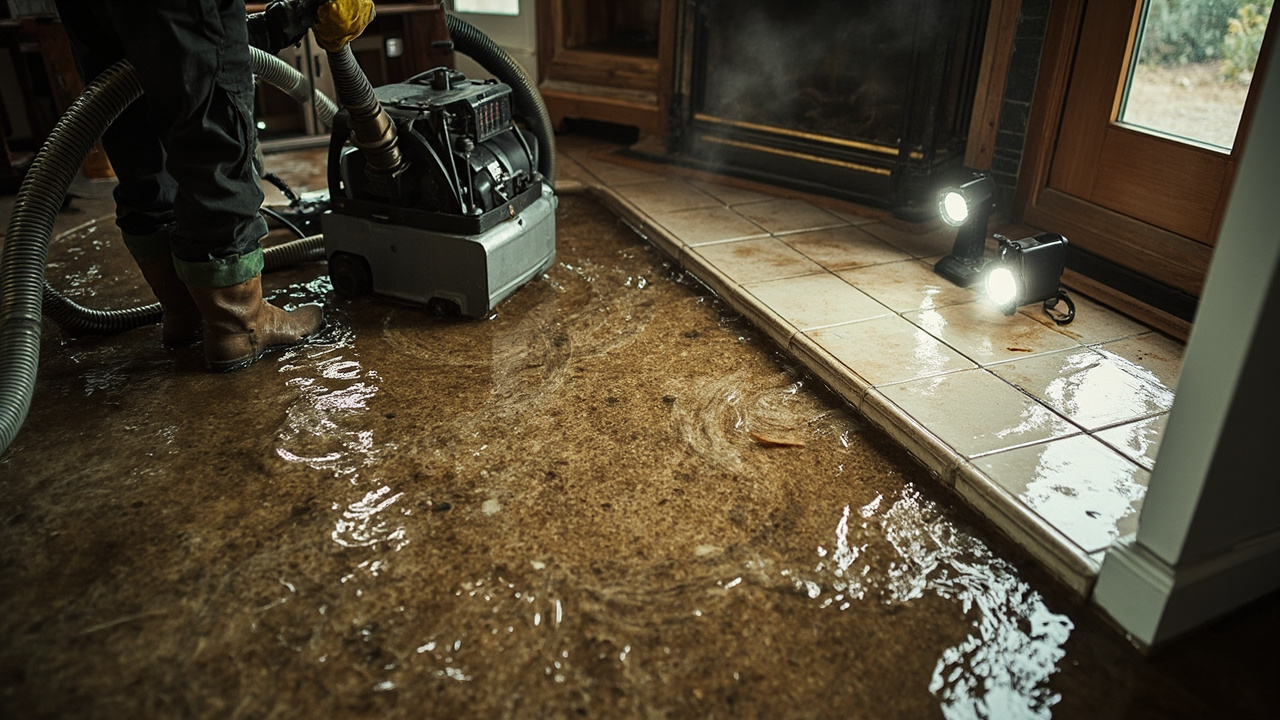
Industrial truck-mounted extractors pull thousands of gallons per hour from carpet, padding, and subflooring. Submersible pumps clear standing water from basements and crawl spaces. We measure moisture content in wall cavities using penetrating probes, not guesswork. Readings above 15 percent moisture equivalent trigger controlled demolition of unsalvageable materials.

Water damage cleanup follows contamination protocols. Category 1 water from supply lines requires standard extraction. Category 2 water from washing machines or dishwashers carries detergents and microbes. Category 3 water from sewage backups or bayou flooding contains pathogens that require antimicrobial treatment and disposal of porous materials.

Drying equipment runs 24/7 for three to five days minimum. Commercial dehumidifiers remove 150 pints of moisture daily while air movers create airflow across wet surfaces. We monitor drying progress with daily moisture readings, adjusting equipment placement to target stubborn wet zones. Psychrometric calculations determine when a structure reaches equilibrium moisture content and drying is complete.

Silverline Water Damage Restoration Houston deploys thermal imaging to find trapped moisture behind tile, inside wall cavities, and under vinyl flooring where visual inspection fails.

What Happens During Emergency Flood Extraction

Flood Cleanup & Extraction in Houston – Fast Response to Hurricane Zone Flooding
01

Immediate Water Removal

Within 60 minutes of your call, our crew arrives with truck-mounted extractors and submersible pumps. We prioritize high-value areas and remove standing water before it migrates to unaffected rooms. Furniture gets elevated on blocks. Electronics and documents move to dry zones. Speed here determines whether your hardwood floors can be saved or require replacement.
02

Structural Drying Setup

After extraction, we place commercial dehumidifiers and air movers based on moisture meter readings and room geometry. Baseboards come off to allow airflow into wall cavities. We drill weep holes in trapped areas. Equipment runs continuously, monitored remotely via sensors that alert us to power failures or equipment issues. This phase prevents mold growth and structural warping.
03

Damage Documentation and Restoration

We photograph all damage with timestamps and moisture readings for your insurance claim. Once drying is complete and verified by final moisture testing, we remove unsalvageable materials like soaked insulation and Category 3 contaminated drywall. You receive a detailed scope of loss and a clear path to reconstruction. We coordinate directly with your adjuster to streamline the claims process.

Why Houston Property Owners Choose Local Flood Restoration Experts

National franchises dispatch technicians who have never seen a Texas gulf coast hurricane. They follow corporate checklists designed for frozen pipe bursts in Minnesota, not storm surge from Galveston Bay. You need a team that knows how Harris County floodplains behave, how the Buffalo Bayou Watershed responds to rainfall, and which neighborhoods flood first during tropical weather.

Silverline Water Damage Restoration Houston has restored properties through Hurricane Harvey, Tropical Storm Imelda, and the 2016 Tax Day floods. We know that homes in Meyerland built before 1980 lack proper vapor barriers. We understand that commercial buildings near the Ship Channel deal with sulfur compounds in floodwater that corrode HVAC systems. Local knowledge prevents costly mistakes.

Our crews train on Houston-specific challenges like clay soil foundation movement that cracks slabs and creates water entry points. We work with local structural engineers who understand pier and beam foundations common in older Houston homes. When we recommend demolition versus salvage, it reflects real experience with how materials perform in this climate.

Insurance adjusters recognize our documentation standards. We provide psychrometric logs, moisture mapping diagrams, and thermal images that meet Texas Department of Insurance requirements. This documentation prevents claim denials and underpayment. We have restored relationships with every major carrier active in the Houston market.

Response time matters when floodwaters rise. We stage equipment throughout the Greater Houston area, from Katy to Pearland, The Woodlands to League City. You get a crew on-site faster than companies dispatching from San Antonio or Dallas.

What to Expect During Your Flood Restoration Project

Immediate Dispatch and Arrival

We answer emergency calls 24/7/365. When you call during a flooding event, you speak with a dispatcher who deploys the nearest crew immediately, not a call center reading a script. Average response time runs under 90 minutes for most of Harris County. During major weather events like tropical storms, we pre-stage teams in high-risk neighborhoods to cut response time to under 45 minutes. You receive an estimated arrival time, crew leader name, and direct phone contact when the team is en route.

Thorough Damage Assessment

Before we start pumps, our project manager walks the entire property with moisture meters and thermal cameras. We test water contamination levels to determine safety protocols. You receive a verbal overview of visible damage and hidden concerns like trapped water in wall cavities. We identify salvageable materials versus items requiring disposal. This assessment includes documentation your insurance company needs, including photos with GPS coordinates, moisture readings, and affected square footage calculations. The entire evaluation takes 45 to 90 minutes depending on property size.

Complete Structural Drying

You will see industrial equipment running in your property for three to seven days. Our technicians visit daily to rotate equipment, take new moisture readings, and adjust drying strategy based on progress. We provide daily text updates with current moisture levels and estimated completion dates. The final result is a structure dried to industry standard equilibrium moisture content, verified by calibrated meters. You receive a certificate of drying completion that satisfies insurance requirements and protects you from future mold liability claims.

Post-Drying Support and Monitoring

After equipment removal, we provide a detailed scope of loss document outlining all damage and recommended repairs. This document itemizes everything your contractor needs to restore the property to pre-loss condition. We remain available to answer adjuster questions and provide additional documentation if your claim faces challenges. For clients concerned about mold, we offer optional follow-up inspections 30 days post-drying to verify no microbial growth has developed. We also provide referrals to trusted reconstruction contractors familiar with flood restoration standards.

Frequently Asked Questions

You Have Questions,
We Have Answers

How much does it cost to clean up a flooded basement? +

Flooded basement cleanup in Houston typically ranges from $1,000 to $10,000, depending on water volume, contamination level, and structural damage. Clean water extraction costs less than sewage backup remediation. Houston's high humidity and clay soil make basements rare, but below-grade spaces like sunken garages or crawl spaces face similar risks. Costs include water extraction, drying equipment rental, antimicrobial treatment, and material removal. Insurance often covers sudden flooding from burst pipes but excludes gradual seepage or exterior groundwater intrusion. Get three written estimates and ask if mold remediation or foundation stabilization is needed due to Houston's expansive soil conditions.

How much does disaster cleanup cost? +

Disaster cleanup costs in Houston vary widely based on damage type and scale. Minor water damage starts around $500 for extraction and drying. Major flooding from hurricanes or tropical storms can exceed $25,000 for complete restoration, including structural drying, mold remediation, and rebuilding. Houston's frequent severe weather means you need professionals who understand humidity control and rapid response. Sewage contamination adds biohazard disposal costs. Fire damage cleanup averages $3,000 to $26,000 depending on soot penetration and smoke damage. Most homeowners insurance covers sudden disasters but document everything immediately. Request itemized estimates that separate extraction, drying, demolition, and reconstruction costs for accurate insurance claims.

Does flood insurance pay for clean up? +

Standard flood insurance covers structure and content damage but cleanup coverage depends on your policy details. Most National Flood Insurance Program policies pay for water removal, debris cleanup, and necessary demolition to prevent further damage. You must act quickly because policies require mitigation efforts to limit losses. Document all damage with photos before cleanup begins. Houston homeowners often face claim denials if they delay extraction or fail to prove the water source qualified as flooding versus seepage. Review your policy's cleanup limits and deductibles. Some policies cap cleanup at a percentage of dwelling coverage. Always get professional documentation to support your claim and prevent disputes over covered services.

What's the best way to clean up after a flood? +

Start flood cleanup within 24 hours to prevent mold growth in Houston's humid climate. First, ensure electrical safety and wear protective gear. Extract standing water using commercial pumps, then remove saturated materials like drywall, insulation, and carpeting. Position industrial air movers and dehumidifiers to dry the structure completely. Houston's average 75% humidity slows natural drying, making professional equipment critical. Disinfect all surfaces with antimicrobial solutions since floodwater carries bacteria and contaminants. Monitor moisture levels using meters until readings drop below 15%. Document everything for insurance. Attempting DIY cleanup risks hidden moisture pockets that cause mold within 48 hours, leading to costlier remediation and health hazards later.

How Houston's Bayou System Creates Unique Flood Extraction Challenges

Houston's 2,500 miles of bayous drain the fourth-largest city in America through a system designed in the 1940s for a population one-third the current size. When Buffalo Bayou reaches flood stage, it backs up into storm sewers and pushes contaminated water into homes through floor drains and toilet flanges. This creates Category 3 contamination requiring full antimicrobial protocols and disposal of porous materials. Properties near White Oak Bayou in the Heights and homes along Brays Bayou in Meyerland face repetitive flooding that requires elevation certificates and specialized foundation waterproofing during restoration.

Harris County requires flood restoration contractors to follow Texas Department of Licensing and Regulation mold remediation standards when water damage exceeds 25 contiguous square feet. Silverline Water Damage Restoration Houston maintains all required certifications and follows IICRC S500 water damage standards recognized by local building inspectors. Our familiarity with City of Houston permitting requirements prevents project delays when restoration work requires structural repairs. We have working relationships with local environmental testing labs for post-remediation verification and can coordinate with your mortgage company's inspection requirements for flood claim releases.
Water Damage Restoration Services in The Houston Area

Easily locate our service area and see how Silverline is strategically positioned to provide rapid water damage restoration services throughout Houston and its surrounding communities. Our commitment to prompt response means we're never far away when disaster strikes, ensuring your property gets the urgent care it needs, wherever you are within our service radius. We're here to serve you efficiently.

Address:
Silverline Water Damage Restoration Houston, 3730 Kirby Dr, Houston, TX, 77098

Additional Services We Offer

Our news updates

Latest Articles & News from The Blogs

Houston humidity presents a constant struggle for homeowners across Harris County. In 2026, the weather patterns continue to create high…

Why Houston Families Trust Our Certified Mold Inspection Services for Local Homes

Houston humidity presents a constant struggle for homeowners across Harris County. In 2026, the weather patterns continue to create high…

Dealing with Attic Water Damage from Leaky Roofs in Kingwood

Dealing with Attic Water Damage from Leaky Roofs in KingwoodHomeowners in the Kingwood area face significant moisture challenges due to…

Why a Home Dehumidifier Cannot Save Your Third Ward Living Room from Water Damage

Why a Home Dehumidifier Cannot Save Your Third Ward Living Room from Water DamageYour Third Ward home faces unique challenges…

Contact Us

Floodwater causes permanent damage within 24 hours. Call Silverline Water Damage Restoration Houston at (832) 336-3663 right now for immediate dispatch. Our crews are standing by with industrial extraction equipment ready to deploy across the Greater Houston metro.