





Webster sits in the Clear Lake area between Houston and Galveston Bay, where Gulf humidity stays above 75% year-round. This moisture-heavy air makes homes vulnerable to mold growth within 24 to 48 hours after water intrusion. The city's location in Harris County flood zones means properties near Clear Creek and the surrounding bayous face repeated storm surge and flash flooding during hurricane season.
Webster's aging housing stock in neighborhoods like Clear Lake City and Brookwood presents another challenge. Many homes were built in the 1960s and 1970s with original plumbing that fails without warning. Slab foundations common throughout Webster hide pipe leaks until water surfaces through flooring or walls, causing hidden damage for weeks before detection.
Summer thunderstorms drop three to five inches of rain in under an hour, overwhelming drainage systems along NASA Parkway and Bay Area Boulevard. Poor drainage combined with coastal flooding creates standing water that seeps into crawl spaces and penetrates building envelopes. Webster properties need aggressive water extraction and dehumidification to combat the constant humidity that slows natural drying and accelerates microbial growth in damp materials.
Silverline Water Damage Restoration Houston has served the Clear Lake area and Webster for years, responding to hundreds of water emergencies from burst pipes to hurricane flooding. We operate from nearby facilities with crews on call around the clock, which means we arrive at your Webster property faster than national franchises dispatching from distant locations.
Our technicians hold IICRC certification in water damage restoration and applied structural drying. We use thermal imaging cameras to find hidden moisture in walls and ceilings that standard meters miss. This technology matters in Webster's humid climate where moisture hides in building cavities and creates mold colonies invisible to the eye. We map every wet area, photograph damage for insurance documentation, and create drying plans specific to your building materials and the extent of water penetration.
We own our extraction and drying equipment instead of renting it, which means we deploy more air movers, dehumidifiers, and specialty tools to each job. While other companies rotate limited equipment between multiple sites, we set up complete drying systems and leave them running continuously until moisture readings return to normal. This aggressive approach prevents secondary damage and gets you back in your home or business faster.
Silverline coordinates directly with insurance carriers throughout the Clear Lake region. We know the adjusters, understand their documentation requirements, and provide detailed estimates that match industry pricing standards. You won't fight for coverage because we handle the paperwork and follow up on your claim status. Our goal is to remove your stress during an already difficult situation while protecting your property from further damage.

We dispatch crews to Webster locations within one hour of your call. Our trucks carry industrial extraction equipment, air movers, and dehumidifiers so we start water removal immediately upon arrival. Fast response prevents floor buckling, drywall deterioration, and mold development in Webster's humid conditions.

Our water restoration specialists complete Institute of Inspection, Cleaning and Restoration Certification training in water damage restoration and applied structural drying. This certification ensures we follow industry standards for moisture detection, extraction techniques, and proper drying protocols that protect your Webster property from hidden damage.
We document every stage of water damage and restoration with photos and moisture readings. Our estimates meet insurance industry standards and we communicate directly with adjusters to expedite your claim. Webster homeowners and business owners avoid claim denials and payment delays when we handle the insurance paperwork.
We deploy enough dehumidifiers and air movers to dry your entire affected area, not just the visible damage. Our equipment stays on-site running continuously until thermal imaging confirms all building materials return to dry standards. This prevents mold growth and structural deterioration common when restoration companies under-equip jobs.
Silverline handles every type of water emergency affecting Webster homes and commercial buildings. Our service range covers immediate extraction and emergency response, structural drying and dehumidification, and complete reconstruction after severe flooding or pipe failures. We respond to residential water damage in single-family homes throughout Clear Lake City and Brookwood, as well as commercial losses in retail centers and office buildings along Bay Area Boulevard.
Water damage requires different responses depending on the source and extent of intrusion. Clean water from supply line breaks needs rapid extraction but poses minimal contamination risk. Gray water from appliance malfunctions and storm flooding requires disinfection protocols. Black water from sewage backups demands protective equipment and specialized cleaning procedures. Silverline crews assess contamination levels on arrival and implement appropriate safety measures.
We provide emergency board-up services when windows or roofs fail during storms. Tarping protects your property from additional rain intrusion while we extract standing water and begin structural drying. Our reconstruction division rebuilds damaged areas after drying completes, which means you work with one company from emergency response through final repairs instead of coordinating multiple contractors.
Our crews arrive with truck-mounted extractors and portable pumps that remove standing water from Webster properties within hours of your emergency call. We extract water from carpets, pad, and flooring before it penetrates subflooring and framing. Fast water removal prevents floor buckling, baseboard swelling, and the wicking action that draws moisture up walls. We move furniture to dry areas, pull wet contents, and document damage for insurance claims while extraction equipment runs.
After extracting standing water, we position commercial dehumidifiers and air movers throughout affected areas to pull moisture from building materials. Webster's high humidity slows natural evaporation, which makes mechanical drying necessary to prevent mold growth. We monitor moisture levels in walls, ceilings, and floors twice daily using thermal cameras and moisture meters. Drying equipment stays on-site until all readings return to normal dry standards, which takes three to seven days depending on materials and water penetration depth.
Mold colonies develop in Webster properties within 48 hours when water damage goes untreated. We contain affected areas with plastic barriers and negative air pressure to prevent spore spread during remediation. Our technicians remove contaminated drywall, insulation, and porous materials that cannot be salvaged. We treat structural framing with antimicrobial solutions and verify successful remediation with post-treatment testing. This service protects your family from respiratory irritants and prevents costly mold damage that develops when water cleanup happens without proper drying protocols.
Webster property owners face water damage from multiple sources throughout the year. Hurricane season brings flooding to low-lying areas near Clear Creek and the bayou system. Summer storms overwhelm drainage along NASA Parkway and cause street flooding that enters garages and ground-floor spaces. Winter freezes crack pipes in exterior walls when temperatures drop into the 20s during occasional cold fronts.
Aging plumbing systems in older Webster neighborhoods fail without warning. Galvanized pipes installed in 1960s and 1970s homes corrode from the inside and burst during normal use. Water heaters reach the end of their 10 to 12 year lifespan and leak slowly onto garage floors or into closets before catastrophic failure floods entire rooms. Washing machine hoses crack and spray hundreds of gallons across utility rooms and into adjacent living spaces.
Poor drainage around foundations causes recurring problems during Webster's heavy rain seasons. Gutters overflow when clogged with oak leaves and pine needles, dumping water against exterior walls. Yards slope toward homes instead of away, channeling runoff against foundations where it seeps through cracks and floods crawl spaces. AC condensate lines clog and back up into attics, soaking insulation and dripping through ceilings.
Tropical storms push water up from Galveston Bay and overwhelm Clear Creek tributaries that run through Webster. Properties in flood zones experience standing water that enters through doors, windows, and foundation cracks. This contaminated floodwater requires professional extraction and disinfection to protect your family from bacteria and chemical pollutants carried in storm surge.
Supply line failures dump clean water at high pressure throughout Webster homes. A single burst pipe releases 400 gallons per hour, flooding multiple rooms before you locate the main shutoff valve. Water penetrates subflooring, soaks drywall, and saturates insulation in walls and ceilings. Immediate extraction prevents permanent structural damage and mold development.
Webster water heaters fail when sediment buildup corrodes tank bottoms or when pressure relief valves malfunction. A 40-gallon water heater floods garages, utility closets, and adjacent rooms when the tank ruptures. Hot water accelerates damage to flooring and baseboards compared to cold water leaks. Fast response prevents moisture from wicking into framing and causing hidden mold growth.
Dishwashers, washing machines, and refrigerator ice makers develop leaks that go unnoticed for days. Water spreads across kitchen and laundry room floors, seeping under cabinets and soaking into adjoining rooms. Webster's humidity prevents floors from drying naturally, which allows mold to colonize damp wood and underlayment before you notice musty odors signaling hidden growth.
When you call Silverline during a water emergency, our dispatcher asks specific questions about your situation to send the right equipment and crew size. We ask about the water source, how long water has been present, and which areas are affected. This information helps us arrive prepared to handle your specific emergency instead of wasting time assessing the situation before starting work.
Our crews arrive at your Webster property within 60 minutes with extraction equipment loaded and ready. We introduce ourselves, perform a quick visual inspection, and begin water removal immediately if the situation is urgent. For active leaks, we help you locate shutoff valves to stop additional water intrusion. We explain what we're doing at each stage and answer questions about the drying process and expected timeline.
You stay informed throughout the restoration. We provide written documentation of moisture readings, equipment placement, and daily progress. Our project manager calls with updates and coordinates access if we need to monitor equipment while you're at work. We handle insurance communication and provide detailed estimates so you understand costs before work proceeds beyond emergency water removal. The goal is to remove your stress while we handle the technical work of drying your property and preventing additional damage.
Our dispatcher takes your call 24 hours a day and sends a crew to your Webster location within one hour. We call when our truck is 10 minutes away so someone can meet us for access. Upon arrival, we walk through affected areas with you, explain what we see, and outline the extraction and drying plan. You receive our project manager's direct cell number for questions or concerns throughout the restoration process.
We document everything with photos and moisture meter readings. You receive copies of this documentation for insurance purposes. Our technicians monitor drying progress daily, recording measurements and adjusting equipment as needed. We explain what the moisture readings mean and show you the progress. If drying takes longer than expected, we explain why and adjust the plan. No surprises or hidden fees appear on your final invoice.
Drying completes when thermal imaging confirms all building materials return to normal moisture content. We remove equipment, clean work areas, and perform a final walkthrough with you. If reconstruction is needed, our building division provides estimates for repairs. You work with one company from emergency response through final repairs instead of hiring multiple contractors. We stand behind our work and follow up after project completion to ensure your satisfaction.
We follow Institute of Inspection, Cleaning and Restoration Certification standards for water damage restoration. This systematic approach ensures complete drying and prevents the secondary damage that occurs when companies skip steps or remove equipment too early.
Our crew arrives within 60 minutes and begins removing standing water immediately. We use truck-mounted extractors for large volumes and portable units for tight spaces. Extraction continues until no more water can be pulled from carpets, pad, and flooring. We move furniture to dry areas, remove wet contents, and photograph damage for insurance documentation. This first step prevents water from penetrating deeper into subflooring and framing.
After extraction, we position commercial dehumidifiers and air movers to pull moisture from building materials. We place moisture meters in walls, ceilings, and floors to establish baseline readings. Our technicians return daily to record new measurements, empty dehumidifier tanks, and adjust equipment placement. Drying typically takes three to seven days depending on materials and humidity levels. We use thermal imaging to find hidden moisture standard meters miss.
We verify complete drying when moisture readings return to normal dry standards for your building materials. Thermal imaging confirms no hidden moisture remains in wall cavities or ceiling spaces. We remove all equipment, clean affected areas, and perform a final walkthrough with you. If mold developed before we arrived, we contain and remediate affected areas following proper protocols. Your property is safe to occupy and ready for any needed repairs.
The Institute of Inspection, Cleaning and Restoration Certification establishes industry standards for water damage restoration. These standards classify water damage by contamination level and guide proper remediation procedures. Category 1 water originates from sanitary sources like supply lines and poses minimal contamination risk when handled promptly. Category 2 gray water from appliance discharge and storm flooding contains bacteria and chemicals requiring disinfection protocols. Category 3 black water from sewage backups and river flooding demands specialized equipment and protective gear due to pathogen content.
Silverline technicians assess contamination categories on arrival at Webster properties. We implement appropriate safety measures based on water classification. Clean water from supply lines requires standard extraction and drying. Gray water needs antimicrobial treatment after extraction. Black water mandates removal of porous materials like carpet, pad, and drywall that cannot be adequately disinfected.
Proper drying requires moisture monitoring with calibrated meters that measure water content in building materials. Wood framing should read below 15% moisture content. Drywall should measure below 1% on a scale where 0% is bone dry. Concrete and masonry require different standards based on material density and porosity. We take initial readings before placing equipment and monitor daily until readings stabilize in the normal dry range.
Webster's humid climate complicates structural drying because ambient moisture content slows evaporation. Commercial dehumidifiers pull moisture from the air faster than it evaporates from building materials. This creates a moisture gradient that drives water out of walls, floors, and ceilings. We calculate required equipment based on cubic footage, water penetration depth, and building materials affected. Under-equipping jobs extends drying time and increases mold risk.
Texas does not require licensing for water damage restoration contractors, which means property owners must verify company credentials independently. IICRC certification demonstrates technical competency and knowledge of industry standards. Proper insurance coverage protects you from liability if workers are injured on your property. Established companies carry general liability and workers compensation insurance, while unlicensed operators often work without coverage that leaves you financially exposed.
The Institute of Inspection, Cleaning and Restoration Certification publishes the IICRC S500 Standard for Professional Water Damage Restoration. This document defines proper procedures for moisture detection, extraction techniques, and drying protocols. Certified technicians complete classroom training and testing to demonstrate competency in these standards. Silverline crews follow S500 guidelines on every Webster restoration project to ensure complete drying and prevent secondary damage.
Water damage restoration costs depend on water volume, affected square footage, contamination level, and building materials impacted. Clean water extraction costs less than black water sewage cleanup requiring protective equipment and material disposal. Hardwood floor drying costs more than carpet extraction. Costs increase when water penetrates wall cavities requiring controlled demolition to access wet insulation and framing. Insurance typically covers sudden pipe failures but may exclude flood damage requiring separate flood policies.
Structural drying typically takes three to seven days in Webster properties depending on water penetration depth and building materials affected. Carpet and pad dry faster than hardwood floors. Drywall releases moisture quickly while plaster requires extended drying time. Concrete foundations hold water for weeks without proper dehumidification. We monitor moisture readings daily and adjust equipment until thermal imaging confirms complete drying. Rushing the process by removing equipment early causes hidden mold growth and structural deterioration.
Mold develops on damp building materials within 24 to 48 hours in Webster's humid climate. Fast water extraction and aggressive dehumidification prevent colonization. We apply antimicrobial treatments to affected materials during drying to inhibit microbial growth. Materials wet for more than 48 hours before our arrival often require removal and replacement. Proper documentation protects property owners from liability if occupants develop respiratory symptoms from hidden mold growth after incomplete restoration.
Professional water damage restoration process explained for Webster TX property owners. This video demonstrates emergency water extraction techniques, structural drying equipment setup, moisture monitoring procedures, and timeline expectations. Learn how IICRC certified technicians handle water removal, dehumidification, and damage prevention in Webster's humid climate. Covers insurance coordination, equipment requirements, and proper drying standards for complete water damage remediation in residential and commercial properties.
Silverline Water Damage Restoration Houston serves the entire Webster area including Clear Lake City, Brookwood, El Dorado Estates, and neighborhoods surrounding Clear Lake and Taylor Lake. We respond to water emergencies throughout Harris County and know the local geography that affects drainage and flooding patterns during storm season.
Properties in Clear Lake City near NASA Parkway face flooding challenges when heavy rain overwhelms the drainage system running parallel to Clear Creek. Homes built in the 1960s and 1970s throughout this area sit on slab foundations with original plumbing that fails without warning. We've restored dozens of Clear Lake City properties after pipe bursts and appliance malfunctions flooded living spaces with hundreds of gallons before homeowners located shutoff valves.
Brookwood and the neighborhoods along Bay Area Boulevard experience storm water intrusion when summer thunderstorms drop multiple inches of rain in under an hour. Poor lot grading causes runoff to flow toward foundations instead of street drainage. Water seeps through foundation cracks and floods crawl spaces. El Dorado Estates properties near the waterfront face additional hurricane risk when tropical systems push surge up from Galveston Bay.
Webster's commercial corridor along Interstate 45 includes retail centers, medical offices, and restaurants vulnerable to roof leaks and plumbing failures. We've handled large commercial losses requiring dozens of dehumidifiers and air movers to dry expansive floor plans before mold develops. Our crews understand the urgency of reopening businesses quickly to minimize revenue loss during restoration.
We serve properties throughout the Space Center Houston area and communities near Armand Bayou Nature Center. Homes backing up to bayou and creek systems experience recurring flooding during tropical storms and hurricanes. These properties need experienced restoration contractors familiar with contaminated floodwater cleanup and the insurance claims process for flood damage versus wind-driven rain intrusion.
Our response area extends to League City and Friendswood for customers needing water damage restoration from contractors based in the Clear Lake region. We know the local insurance adjusters, understand flood zone designations, and maintain relationships with plumbers and roofers who handle the source repairs while we focus on water extraction and structural drying.
Water damage restoration costs in Webster vary based on damage extent, affected area size, and water category. Minor leaks affecting one room typically run lower than flooded basements or sewage backups. Class 1 water damage costs less than Class 4 structural saturation. Humidity levels in Webster often extend drying time, which impacts labor costs. Your final price depends on extraction needs, equipment required, antimicrobial treatments, and reconstruction scope. Most homeowners insurance policies cover sudden damage like burst pipes, reducing out-of-pocket expenses. Request detailed estimates from local contractors who understand Webster's clay soil foundation issues and coastal moisture challenges.
Yes. Professional water damage restoration prevents exponential damage and protects your investment. Untreated water seeps into subflooring, drywall cavities, and insulation where you cannot see it. Webster's high humidity accelerates mold growth within 24 to 48 hours. Structural wood rot, electrical hazards, and contaminated environments develop quickly. DIY efforts miss hidden moisture pockets that cause long-term problems. Professional restoration includes thermal imaging, moisture meters, and industrial dehumidifiers that eliminate what shop vacuums leave behind. The cost of restoration now is far less than replacing entire rooms, treating toxic mold, or losing your home's resale value later.
Water damage restoration includes emergency water extraction, structural drying, moisture detection, antimicrobial treatment, and reconstruction. Technicians first stop the water source, then remove standing water with truck-mounted extractors. Air movers and commercial dehumidifiers dry affected materials over several days. Moisture meters and thermal cameras locate hidden water in walls and ceilings. Contaminated materials get removed and disposed of properly. In Webster, restoration crews address humidity-related issues common to coastal climates. Services include removing damaged drywall, treating framing lumber, sanitizing surfaces, addressing mold growth, replacing insulation, and rebuilding affected areas to pre-loss condition.
Water damage restoration costs in Webster vary based on damage extent, affected area size, and water category. Minor leaks affecting one room typically run lower than flooded basements or sewage backups. Class 1 water damage costs less than Class 4 structural saturation. Humidity levels in Webster often extend drying time, which impacts labor costs. Your final price depends on extraction needs, equipment required, antimicrobial treatments, and reconstruction scope. Most homeowners insurance policies cover sudden damage like burst pipes, reducing out-of-pocket expenses. Request detailed estimates from local contractors who understand Webster's clay soil foundation issues and coastal moisture challenges.
Yes. Professional water damage restoration prevents exponential damage and protects your investment. Untreated water seeps into subflooring, drywall cavities, and insulation where you cannot see it. Webster's high humidity accelerates mold growth within 24 to 48 hours. Structural wood rot, electrical hazards, and contaminated environments develop quickly. DIY efforts miss hidden moisture pockets that cause long-term problems. Professional restoration includes thermal imaging, moisture meters, and industrial dehumidifiers that eliminate what shop vacuums leave behind. The cost of restoration now is far less than replacing entire rooms, treating toxic mold, or losing your home's resale value later.
Water damage restoration includes emergency water extraction, structural drying, moisture detection, antimicrobial treatment, and reconstruction. Technicians first stop the water source, then remove standing water with truck-mounted extractors. Air movers and commercial dehumidifiers dry affected materials over several days. Moisture meters and thermal cameras locate hidden water in walls and ceilings. Contaminated materials get removed and disposed of properly. In Webster, restoration crews address humidity-related issues common to coastal climates. Services include removing damaged drywall, treating framing lumber, sanitizing surfaces, addressing mold growth, replacing insulation, and rebuilding affected areas to pre-loss condition.
Water remediation stops the damage and removes the immediate threat. It includes water extraction, drying, and cleaning to prevent further harm. Restoration is the complete rebuild process that returns your property to pre-damage condition. Remediation happens first. Crews extract water, set up drying equipment, and document moisture levels. Restoration follows once everything is dry. This phase includes rebuilding walls, replacing flooring, repainting, and restoring functionality. In Webster properties with foundation movement from clay soil, restoration often addresses underlying structural issues exposed during water damage. Both phases are essential for complete recovery from flooding or leaks.
Most homeowners insurance covers sudden and accidental water damage, like burst pipes, appliance failures, or storm-related roof leaks. Policies typically exclude gradual damage from neglected maintenance or flooding from external sources. Webster homeowners near Clear Lake or coastal areas need separate flood insurance through NFIP for hurricane-related water intrusion. Your restoration company should document everything with photos and moisture readings to support your claim. Many contractors work directly with insurance adjusters to streamline the process. Read your policy carefully. Coverage depends on the water source, how quickly you reported it, and whether you maintained your property.
Response times vary by company availability and demand, not a universal timeline. Most professional water damage companies in Webster aim for emergency response within two to four hours for critical situations. The actual restoration process takes three to seven days for drying, depending on damage extent and humidity conditions. Webster's coastal moisture often extends drying times compared to drier climates. Large-scale flooding or reconstruction can take weeks. Different companies have different schedules, equipment fleets, and staffing levels. Focus on finding certified local technicians with proper equipment and insurance experience rather than assuming all restoration companies operate on identical timelines.
Average water damage claims in Texas range from several thousand to tens of thousands, depending on severity and affected area. A single-room toilet overflow costs far less than whole-home flooding. Category 3 water with sewage contamination increases costs due to specialized cleaning and disposal requirements. Webster claims often involve foundation issues from clay soil movement, which adds complexity. Your claim amount depends on water category, square footage affected, materials damaged, drying duration, and reconstruction needs. Insurance adjusters evaluate actual cash value versus replacement cost. Document everything immediately. Quick response reduces claim size by preventing secondary damage and mold growth.
Mold begins growing within 24 to 48 hours in wet environments. Webster's high humidity and warm temperatures create ideal conditions for rapid mold colonization. Porous materials like drywall, insulation, and carpet absorb water quickly and retain moisture longer. Mold spores are always present in the air. They only need moisture, organic material, and warm temperatures to multiply. Once growth starts, it spreads fast through wall cavities and HVAC systems. This is why immediate water extraction and professional drying matter. Waiting even two days can turn a manageable water damage situation into a costly mold remediation project.
Call a water restoration company immediately when you discover standing water, saturated materials, or active leaks you cannot stop. Do not wait. Webster's humidity accelerates damage progression. Call for toilet overflows, burst pipes, appliance failures, roof leaks during storms, or sewage backups. If water covers flooring, soaks through ceilings, or affects multiple rooms, you need professional extraction and drying equipment. Also call if you smell musty odors or notice discoloration on walls and ceilings, which signals hidden moisture. The first 24 hours determine whether you face simple drying or extensive mold remediation and reconstruction.
Insurance pays for covered water damage events, which typically include sudden and accidental incidents. Burst pipes, appliance malfunctions, storm roof damage, and accidental overflows usually qualify. Gradual leaks from poor maintenance, external flooding without separate flood insurance, and neglected repairs often get denied. Webster homeowners near bayous or Clear Lake need NFIP flood policies for rising water coverage. Your claim approval depends on documenting the damage quickly, showing the water source was sudden, and proving you maintained your property. Work with your restoration company to photograph everything, preserve evidence, and provide detailed moisture readings to your adjuster.
Water remediation stops the damage and removes the immediate threat. It includes water extraction, drying, and cleaning to prevent further harm. Restoration is the complete rebuild process that returns your property to pre-damage condition. Remediation happens first. Crews extract water, set up drying equipment, and document moisture levels. Restoration follows once everything is dry. This phase includes rebuilding walls, replacing flooring, repainting, and restoring functionality. In Webster properties with foundation movement from clay soil, restoration often addresses underlying structural issues exposed during water damage. Both phases are essential for complete recovery from flooding or leaks.
Most homeowners insurance covers sudden and accidental water damage, like burst pipes, appliance failures, or storm-related roof leaks. Policies typically exclude gradual damage from neglected maintenance or flooding from external sources. Webster homeowners near Clear Lake or coastal areas need separate flood insurance through NFIP for hurricane-related water intrusion. Your restoration company should document everything with photos and moisture readings to support your claim. Many contractors work directly with insurance adjusters to streamline the process. Read your policy carefully. Coverage depends on the water source, how quickly you reported it, and whether you maintained your property.
Response times vary by company availability and demand, not a universal timeline. Most professional water damage companies in Webster aim for emergency response within two to four hours for critical situations. The actual restoration process takes three to seven days for drying, depending on damage extent and humidity conditions. Webster's coastal moisture often extends drying times compared to drier climates. Large-scale flooding or reconstruction can take weeks. Different companies have different schedules, equipment fleets, and staffing levels. Focus on finding certified local technicians with proper equipment and insurance experience rather than assuming all restoration companies operate on identical timelines.
Average water damage claims in Texas range from several thousand to tens of thousands, depending on severity and affected area. A single-room toilet overflow costs far less than whole-home flooding. Category 3 water with sewage contamination increases costs due to specialized cleaning and disposal requirements. Webster claims often involve foundation issues from clay soil movement, which adds complexity. Your claim amount depends on water category, square footage affected, materials damaged, drying duration, and reconstruction needs. Insurance adjusters evaluate actual cash value versus replacement cost. Document everything immediately. Quick response reduces claim size by preventing secondary damage and mold growth.
Mold begins growing within 24 to 48 hours in wet environments. Webster's high humidity and warm temperatures create ideal conditions for rapid mold colonization. Porous materials like drywall, insulation, and carpet absorb water quickly and retain moisture longer. Mold spores are always present in the air. They only need moisture, organic material, and warm temperatures to multiply. Once growth starts, it spreads fast through wall cavities and HVAC systems. This is why immediate water extraction and professional drying matter. Waiting even two days can turn a manageable water damage situation into a costly mold remediation project.
Call a water restoration company immediately when you discover standing water, saturated materials, or active leaks you cannot stop. Do not wait. Webster's humidity accelerates damage progression. Call for toilet overflows, burst pipes, appliance failures, roof leaks during storms, or sewage backups. If water covers flooring, soaks through ceilings, or affects multiple rooms, you need professional extraction and drying equipment. Also call if you smell musty odors or notice discoloration on walls and ceilings, which signals hidden moisture. The first 24 hours determine whether you face simple drying or extensive mold remediation and reconstruction.
Insurance pays for covered water damage events, which typically include sudden and accidental incidents. Burst pipes, appliance malfunctions, storm roof damage, and accidental overflows usually qualify. Gradual leaks from poor maintenance, external flooding without separate flood insurance, and neglected repairs often get denied. Webster homeowners near bayous or Clear Lake need NFIP flood policies for rising water coverage. Your claim approval depends on documenting the damage quickly, showing the water source was sudden, and proving you maintained your property. Work with your restoration company to photograph everything, preserve evidence, and provide detailed moisture readings to your adjuster.
Easily locate our service area and see how Silverline is strategically positioned to provide rapid water damage restoration services throughout Houston and its surrounding communities. Our commitment to prompt response means we're never far away when disaster strikes, ensuring your property gets the urgent care it needs, wherever you are within our service radius. We're here to serve you efficiently.
Address:
Webster, TX, 77598
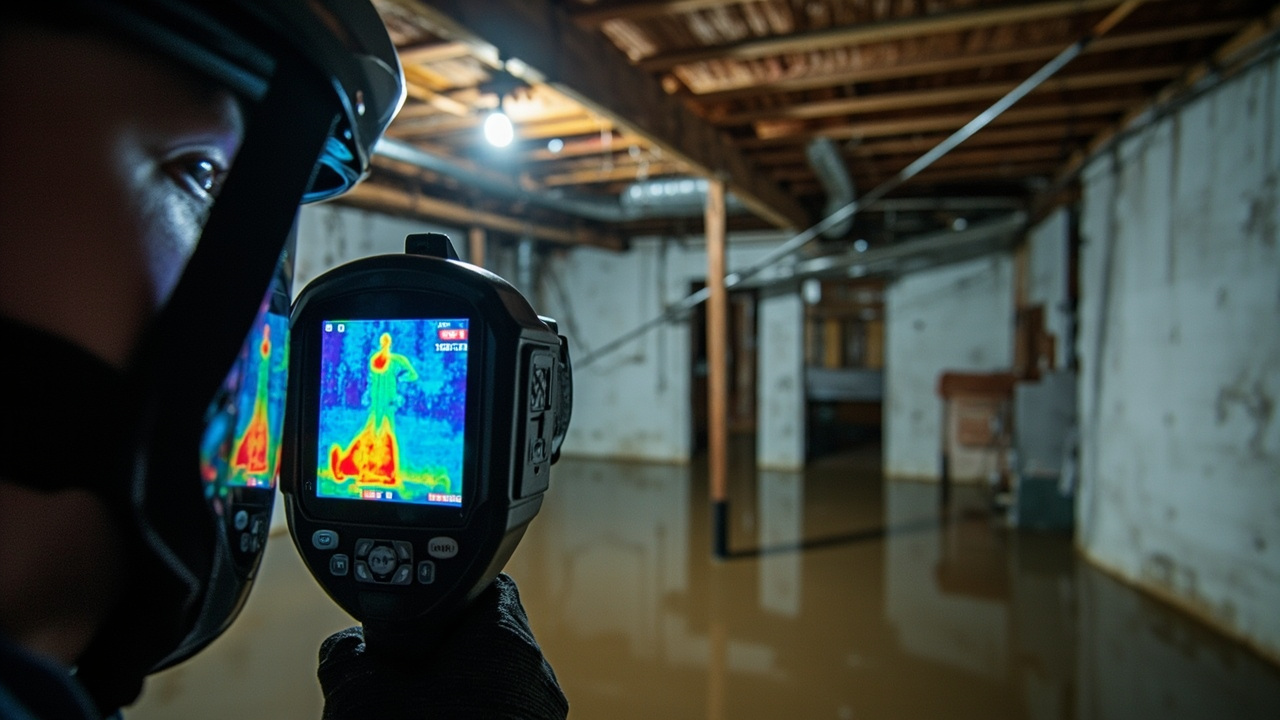
If you are standing in water in your Cypress basement, you are facing a race against time. The heavy clay soils around Cypress Creek and White Oak Bayou hold moisture long after the rain stops,…
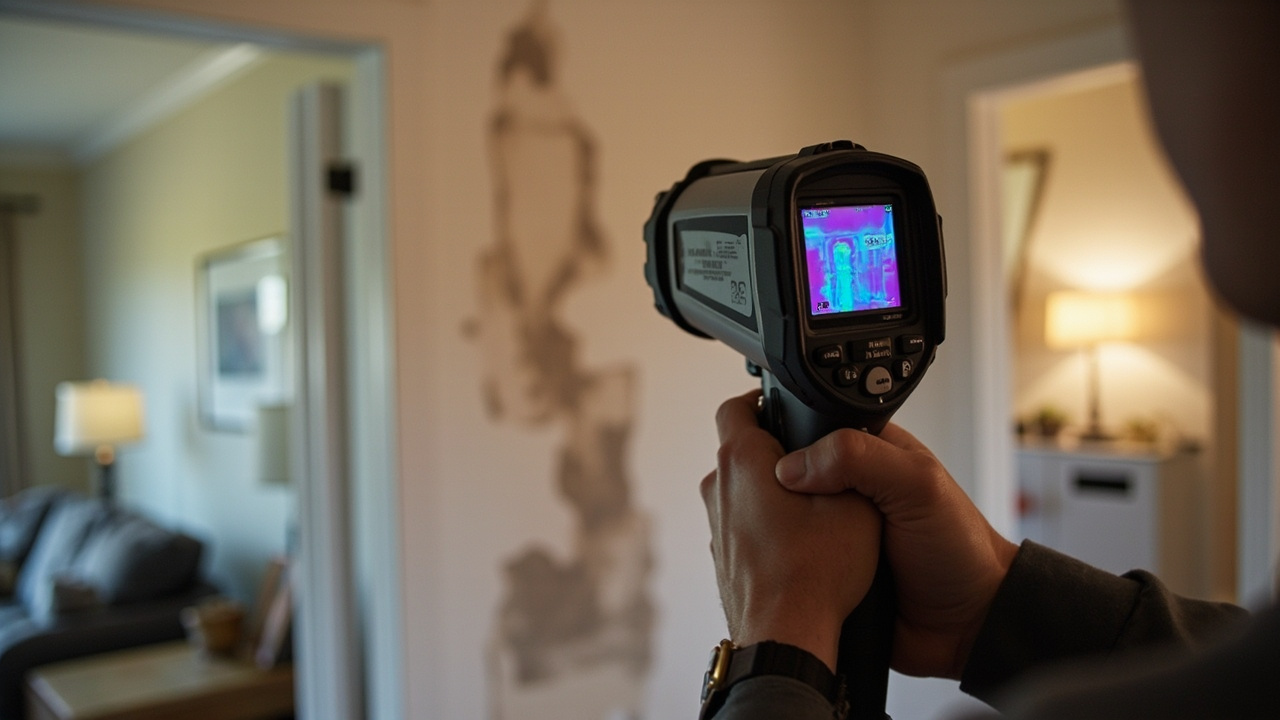
Houston humidity presents a constant struggle for homeowners across Harris County. In 2026, the weather…
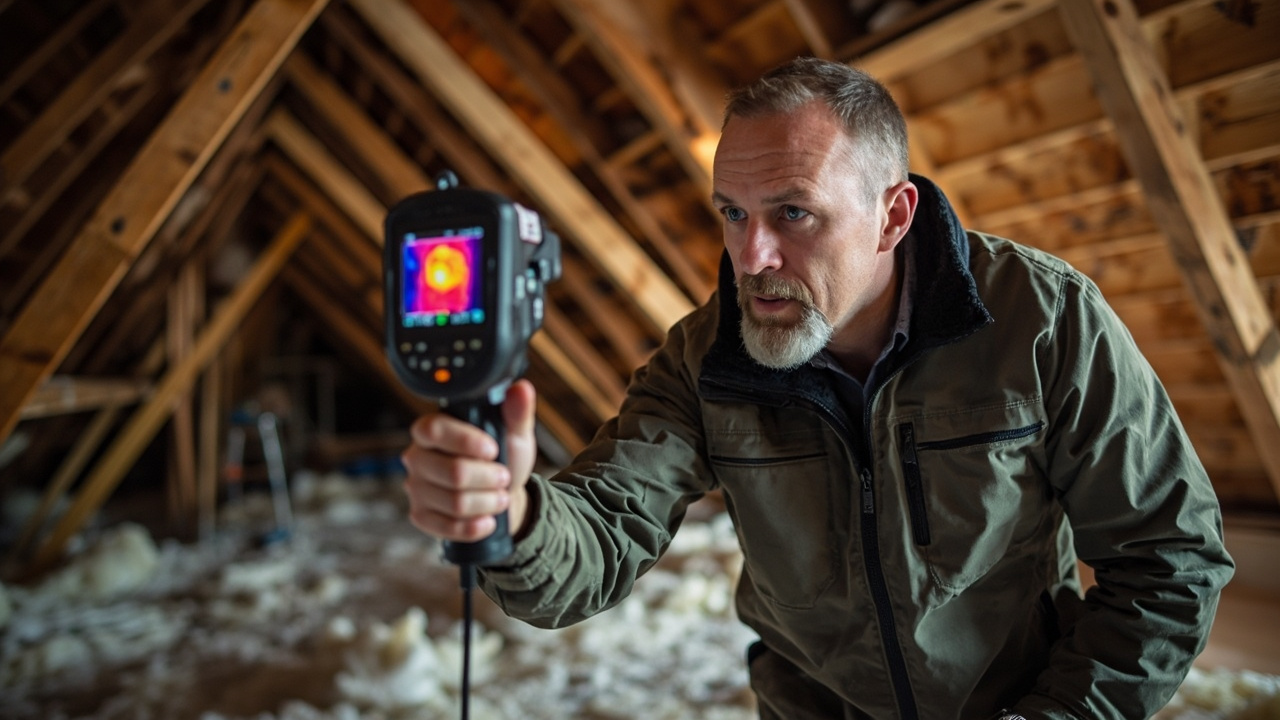
Dealing with Attic Water Damage from Leaky Roofs in KingwoodHomeowners in the Kingwood area face…

Why a Home Dehumidifier Cannot Save Your Third Ward Living Room from Water DamageYour Third…
Water damage gets worse every hour you wait. Our crews respond to Webster properties within 60 minutes with extraction equipment ready. Call Silverline Water Damage Restoration Houston now at (832) 336-3663 for immediate help stopping damage and starting the drying process.