





Texas City sits less than 10 feet above sea level along Galveston Bay, making flooding a constant threat during hurricane season and heavy Gulf storms. The city's proximity to the coast brings high humidity year-round, which accelerates mold growth after any water intrusion. Clay soil common throughout Galveston County expands when wet and contracts when dry, creating foundation movement that cracks slabs and breaks water lines inside homes.
The industrial corridor along Highway 146 means many residential areas sit near facilities that can cause chemical spills or hazardous runoff during flooding events. Older neighborhoods near the Texas City Dike feature homes built before modern flood codes, with crawl spaces and low foundations that collect water quickly. Even newer construction in areas like Mainland and Heights Terrace can experience backup from overwhelmed storm drains when tropical systems dump 10-plus inches in hours.
Saltwater intrusion from storm surge creates unique restoration challenges. The corrosive nature of Gulf water damages building materials faster than freshwater flooding. Without immediate extraction and drying, saltwater residue continues deteriorating wood framing, drywall, and electrical systems long after visible water disappears.
Silverline Water Damage Restoration Houston has served the greater Houston metro, including Texas City, with rapid water damage mitigation for over a decade. Our technicians hold IICRC certifications in water damage restoration and applied structural drying, meaning we follow science-based protocols that insurance companies recognize and approve.
We keep industrial-grade extraction equipment, commercial dehumidifiers, and thermal imaging cameras in our service trucks. When you call, we arrive with the tools needed to assess damage, extract standing water, and begin structural drying immediately. We do not leave to get equipment or wait for another crew to bring supplies.
Our team understands how to navigate Texas City's unique challenges. We have restored homes flooded by Hurricane Ike storm surge, dried out properties hit by broken water mains on Palmer Highway, and mitigated damage from roof leaks during severe thunderstorm seasons. This local experience means we know which building materials Texas City contractors commonly use, how the clay soil affects foundation drainage, and which insurance adjusters work this territory.
We work directly with your insurance carrier, documenting every step with photos and moisture readings. Most policies cover sudden water damage from burst pipes, appliance failures, and storm events. We provide detailed estimates and help you understand what your policy will pay before work begins, eliminating surprise costs during an already stressful situation.

Every hour water sits increases damage and mold risk. Our dispatch center sends the nearest certified crew to your Texas City location within 60 minutes of your call, day or night. We arrive ready to extract water and stabilize your property before secondary damage spreads.

We bill your insurance company directly after documenting all damage and completing approved work. You pay only your deductible. Our estimators speak the language adjusters understand, using Xactimate pricing and industry-standard documentation that speeds claim approval and gets you paid faster.
Our technicians follow IICRC S500 standards for water damage restoration. We use moisture meters and thermal cameras to track drying progress in walls, floors, and ceilings. Every job includes daily monitoring logs that prove materials reached safe moisture levels, protecting you from hidden mold growth months later.
Coastal flooding and saltwater intrusion require specialized remediation. We know how to treat salt-damaged materials, when to remove versus dry building components, and how to neutralize corrosive residue. Our crews have restored hundreds of Texas City properties after hurricanes, tropical storms, and tidal flooding events.
Water damage restoration involves more than mopping up puddles. Effective water removal requires understanding building science, moisture migration, and the relationship between humidity, temperature, and drying time. Silverline provides end-to-end water damage mitigation, from initial emergency response through final reconstruction.
Our services address every phase of water damage recovery. We handle sudden catastrophic flooding from burst pipes and storm events, chronic moisture problems from hidden leaks, and specialty situations like sewage backup and crawl space flooding. Each situation demands different equipment, safety protocols, and drying strategies.
We separate our services into three main categories based on water source, contamination level, and urgency. Emergency water extraction addresses active flooding and standing water. Structural drying targets moisture trapped in walls, floors, and building cavities. Restoration and reconstruction repairs damage after drying is complete, returning your property to pre-loss condition.
When water floods your home or business, speed determines the final damage cost. Our crews arrive with truck-mounted extractors that remove thousands of gallons per hour from carpets, tile, and concrete. We pull standing water, move furniture to dry areas, and remove soaked materials that cannot be saved. Thermal imaging cameras identify hidden water in walls and ceilings. We set up air movers and dehumidifiers before leaving, beginning the drying process immediately to prevent mold colonization and secondary damage.
Water trapped inside building materials causes the most expensive damage. We use commercial dehumidifiers, focused air movement, and controlled heat to dry wood framing, insulation, drywall, and subfloors. Daily moisture readings track progress in every affected area. Specialty equipment like injecti-dry systems pull moisture from hardwood floors without removal. Wall cavities receive targeted airflow through drilled access points. This process typically takes three to five days depending on materials and saturation levels.
Sewage backups and toilet overflows introduce dangerous bacteria and pathogens. Our technicians wear protective equipment and follow strict contamination protocols. We remove all affected porous materials, apply antimicrobial treatments to structural surfaces, and use HEPA air scrubbers to remove airborne contaminants. Every surface that contacted sewage receives disinfection. We test air quality before reconstruction begins, making sure your property is safe for occupancy. This work requires separate permits and specialized disposal procedures.
Texas City's coastal location and aging infrastructure create specific water damage risks. Many homes in established neighborhoods like Highland Park and Kohfeldt Park were built in the 1960s and 70s, meaning original plumbing and water heaters now operate past their intended lifespan. Storm surge from Gulf weather systems can push water through foundation vents and low-lying doors even miles from the coast.
Clay soil movement stresses underground water lines and sewer laterals. A dry summer followed by heavy fall rains causes rapid soil expansion that cracks pipes. Industrial activity near the ship channel occasionally affects municipal water pressure, creating surges that blow out washing machine hoses and water heater connections. These local conditions combine with typical household water risks to create situations that demand immediate professional response.
Texas City experiences hard freezes every few years. Pipes in attics, exterior walls, and unheated garages rupture when temperatures drop below 28 degrees for extended periods. The damage often goes unnoticed until temperatures rise and ice blockages thaw, flooding homes with gallons per minute. Immediate shutoff and extraction prevent catastrophic loss.
Hurricanes and tropical systems bring storm surge, wind-driven rain, and overwhelmed drainage systems. Water enters through roof damage, blown-out windows, and foundation seepage. Saltwater flooding requires aggressive drying and material removal because salt crystals continue absorbing moisture and corroding metal components even after water recedes. Quick response limits permanent damage.
Tank water heaters last 8 to 12 years before corrosion causes leaks or catastrophic ruptures. A failed 50-gallon heater in a garage or utility closet can flood adjacent rooms with hundreds of gallons before discovery. Rust and sediment in the water creates additional cleanup challenges. Modern expansion tanks and pressure relief valve maintenance prevent many failures.
Shifting clay soil cracks copper water lines embedded in concrete slabs. These leaks often go undetected for months, causing foundation settlement, mold growth in walls, and massive water bills. Symptoms include warm spots on floors, decreased water pressure, and the sound of running water when all fixtures are off. Electronic leak detection locates the break without destructive exploration.
Water emergencies create chaos and panic. You need clear information and decisive action, not vague promises or delays. When you call Silverline, you reach a trained dispatcher who asks specific questions about your situation and immediately assigns the nearest available crew to your Texas City address.
We arrive ready to work. Our technicians introduce themselves, assess the damage, explain what needs to happen next, and get your approval before starting. We take photos and moisture readings to document conditions, both for insurance purposes and to track our progress. You receive straightforward answers about timing, costs, and what your insurance will likely cover.
Throughout the restoration process, we communicate daily about drying progress, any complications we discover, and when you can expect completion. We treat your property with respect, protecting undamaged areas with plastic barriers and removing our equipment only after confirming all materials have reached acceptable moisture levels.
Our first priority is safety. We check for electrical hazards, structural damage, and contamination level before beginning water removal. If the situation involves sewage, category 3 floodwater, or potential electrical danger, we take appropriate precautions and notify you of any areas that are unsafe to enter. We explain what we find in plain language and outline the steps needed to make your property safe and dry again.
We help you understand what your homeowner policy typically covers and what it does not. Most policies pay for sudden water damage from burst pipes or storm events but exclude flood damage requiring separate NFIP coverage. We document everything with photos and detailed notes, creating the evidence your adjuster needs to approve your claim. You receive copies of all documentation for your records.
Water damage restoration is not instant. Proper structural drying takes time to prevent mold and secondary damage. We visit your property daily to check equipment, take fresh moisture readings, and adjust our drying strategy based on progress. You receive text or phone updates explaining what we found and what happens next. We do not disappear after setting up equipment, and we do not drag out the timeline to inflate costs.
Effective water damage restoration follows a proven sequence. Skipping steps or rushing the process leads to mold growth, structural damage, and failed insurance claims. We follow IICRC standards that insurance companies trust.
Within 60 minutes of your call, our crew arrives to stop additional damage. We locate the water source and shut it off if still active. Truck-mounted extractors remove standing water from floors. We move furniture to dry areas and pull wet materials that cannot be saved. Air movers and dehumidifiers begin drying immediately. You receive a detailed scope of work and cost estimate before we proceed beyond emergency stabilization.
Drying hidden moisture in walls, floors, and ceilings takes three to seven days depending on materials and saturation. We use moisture meters to track progress daily, adjusting equipment placement and airflow as materials dry. Antimicrobial treatments prevent mold growth during drying. We provide daily logs showing moisture levels dropping to safe ranges. This documentation proves to insurance companies and future buyers that proper drying occurred.
Once drying is complete and confirmed, we remove equipment and begin repairs. This includes replacing drywall, installing new flooring, repainting, and rebuilding any structural components damaged beyond repair. We match existing finishes and materials so repairs blend seamlessly. Final walkthrough confirms you are satisfied before we collect payment and close out your insurance claim. Your property returns to pre-loss condition.
The water damage restoration industry follows IICRC S500 standards that classify water by contamination level and prescribe specific remediation protocols for each category. Category 1 water comes from sanitary sources like supply lines and does not pose immediate health risks. Category 2 water contains contamination that can cause discomfort or illness, such as washing machine discharge or toilet bowl water without feces. Category 3 water is grossly contaminated with sewage, chemicals, or floodwater and requires aggressive safety measures including protective equipment and antimicrobial treatment.
Proper structural drying requires understanding psychrometrics, the science of air, temperature, and moisture relationships. Warm air holds more moisture than cold air. As we heat affected areas and introduce airflow, building materials release trapped moisture into the air. Dehumidifiers remove that airborne moisture, lowering humidity and allowing materials to continue drying. We measure this process using moisture meters that detect water content in wood, drywall, and concrete without destruction.
Texas City's coastal humidity complicates drying. Relative humidity above 60 percent prevents effective evaporation, so we often need to dehumidify the entire structure, not just wet areas. Clay soil moisture can wick into slabs and foundation walls, requiring vapor barriers and specialty drying systems. Insurance adjusters expect documentation showing we followed industry drying standards and achieved target moisture content before reconstruction.
Thermal imaging cameras reveal hidden water damage invisible to the naked eye. Wet building materials appear as cold spots because evaporation lowers surface temperature. This technology helps us find all affected areas and confirm complete drying without unnecessary demolition.
The Institute of Inspection, Cleaning and Restoration Certification sets standards for water damage restoration. IICRC-certified technicians complete classroom training on water behavior, drying science, and contamination protocols. Insurance companies often require IICRC certification for approved vendors. Our entire team maintains current credentials through continuing education and hands-on experience with hundreds of restoration projects.
Water damage restoration costs depend on contamination category, affected square footage, materials involved, and drying difficulty. Hardwood floors cost more to dry than tile. Category 3 sewage requires complete material removal and disposal. Emergency response outside business hours carries premium charges. Most insurance policies cover these costs minus your deductible. We provide itemized estimates using Xactimate software that adjusters recognize and approve.
Effective structural drying cannot be rushed without risking mold and material damage. Drywall typically dries in three to five days with proper equipment. Hardwood floors and structural lumber take longer because wood holds moisture deep in grain structure. Concrete slabs can require weeks depending on thickness and saturation. We provide realistic timelines based on actual moisture readings, not arbitrary schedules designed to please impatient customers.
Mold begins colonizing wet building materials within 24 to 48 hours. Rapid water extraction and immediate drying prevent growth. We apply EPA-registered antimicrobial treatments to affected surfaces during drying. HEPA air scrubbers remove mold spores from the air. If mold growth has already occurred, we follow separate remediation protocols including containment, removal, and third-party clearance testing to verify safe air quality.
This video explains the water damage restoration process for Texas City homeowners, covering emergency water extraction, structural drying science, and insurance claims. Topics include IICRC standards, moisture monitoring, contamination categories, and coastal flooding challenges specific to Galveston County. Viewers learn what to expect when certified technicians respond to burst pipes, storm flooding, and sewage backups.
Silverline Water Damage Restoration Houston provides emergency water removal and structural drying services throughout Texas City and surrounding Galveston County communities. We serve established neighborhoods near the Texas City Dike where older homes face foundation settlement and aging plumbing. Properties in Mainland and Heights Terrace receive the same rapid response as commercial buildings along the Highway 146 industrial corridor.
Our service area extends from the residential areas near College of the Mainland east to Bayou Vista and the waterfront communities along Galveston Bay. We regularly respond to calls in La Marque, Hitchcock, and Santa Fe where similar coastal flooding risks and clay soil conditions create water damage vulnerabilities. The proximity to Galveston Island means we understand saltwater intrusion challenges and have the equipment needed to remediate corrosive storm surge damage.
North Texas City properties near Carbide Park and the areas surrounding Nessler Park face different challenges than bayfront homes. Older infrastructure and mature trees that shed leaves into gutters create drainage problems during heavy rains. We have worked with homeowners throughout the Sixth Street corridor and the neighborhoods around Texas City Museum, learning the quirks of different construction eras and foundation types common to each area.
Texas City's location between Houston and Galveston means residents have options for service providers, but distance matters during water emergencies. We maintain fast response times because we understand that every hour of delay increases damage exponentially. Our familiarity with local streets, flood-prone areas, and building styles helps us arrive prepared with the right equipment and realistic expectations about what we will find.
Whether you own a historic home near the original downtown district or a newer property in one of the subdivisions that expanded Texas City westward, we provide the same certified technicians, industrial equipment, and insurance expertise. We know which areas experienced the worst flooding during Hurricanes Ike and Harvey, which neighborhoods sit in FEMA flood zones, and where clay soil movement creates the most foundation stress.
Water damage restoration costs in Texas City vary widely based on damage severity, water category, and affected square footage. Minor cleanups start around a few hundred dollars, while major structural repairs can reach several thousand. Category 3 water (sewage) costs more due to contamination protocols. Your insurance deductible and coverage limits also affect out-of-pocket costs. Most Texas City companies offer free inspections and work directly with insurers to streamline claims. Request itemized estimates and ask about moisture meter testing, antimicrobial treatments, and drying equipment rental fees before committing to service.
Water damage restoration is absolutely worth it for Texas City homeowners. Unaddressed water damage leads to mold growth within 24 to 48 hours, structural rot, and plummeting property values. Our humid Gulf Coast climate accelerates these problems. Professional restoration prevents health hazards, preserves your investment, and maintains insurability. Ignoring damage often voids insurance coverage for subsequent claims and creates liability if selling your home. The cost of restoration is a fraction of replacing compromised framing, foundation repairs, or medical bills from mold exposure. Act fast to protect your family and finances.
Water remediation is the emergency phase focused on stopping water intrusion, extracting standing water, and preventing immediate damage spread. It includes source repair, water removal, and initial drying. Water restoration is the comprehensive rebuild phase that returns your property to pre-loss condition. This includes structural repairs, antimicrobial treatments, replacing drywall or flooring, repainting, and final moisture verification. In Texas City, remediation starts within hours of your call, while restoration may take days to weeks depending on damage extent. Most companies handle both phases, ensuring continuity from emergency response through final walkthrough.
Water damage restoration costs in Texas City vary widely based on damage severity, water category, and affected square footage. Minor cleanups start around a few hundred dollars, while major structural repairs can reach several thousand. Category 3 water (sewage) costs more due to contamination protocols. Your insurance deductible and coverage limits also affect out-of-pocket costs. Most Texas City companies offer free inspections and work directly with insurers to streamline claims. Request itemized estimates and ask about moisture meter testing, antimicrobial treatments, and drying equipment rental fees before committing to service.
Water damage restoration is absolutely worth it for Texas City homeowners. Unaddressed water damage leads to mold growth within 24 to 48 hours, structural rot, and plummeting property values. Our humid Gulf Coast climate accelerates these problems. Professional restoration prevents health hazards, preserves your investment, and maintains insurability. Ignoring damage often voids insurance coverage for subsequent claims and creates liability if selling your home. The cost of restoration is a fraction of replacing compromised framing, foundation repairs, or medical bills from mold exposure. Act fast to protect your family and finances.
Water remediation is the emergency phase focused on stopping water intrusion, extracting standing water, and preventing immediate damage spread. It includes source repair, water removal, and initial drying. Water restoration is the comprehensive rebuild phase that returns your property to pre-loss condition. This includes structural repairs, antimicrobial treatments, replacing drywall or flooring, repainting, and final moisture verification. In Texas City, remediation starts within hours of your call, while restoration may take days to weeks depending on damage extent. Most companies handle both phases, ensuring continuity from emergency response through final walkthrough.
Immediately shut off the water source if safe to do so. Turn off electricity to affected areas to prevent electrocution. Move valuables and furniture to dry spaces. Document everything with photos and video for insurance claims. Contact your insurance company to report the loss. Then call a Texas City water damage restoration company for 24-hour emergency response. Do not delay. Our high humidity accelerates mold growth and structural damage. Avoid using household vacuums on standing water, which risks electrical shock. Professional extraction and industrial dehumidifiers prevent secondary damage that insurance may not cover.
Insurance typically covers sudden and accidental water damage, like burst pipes, appliance leaks, or storm-related intrusion in Texas City. Policies exclude gradual damage from neglect, poor maintenance, or flood events requiring separate flood insurance. Review your declarations page for water backup coverage, which protects against sewer backups common in older Texas City neighborhoods. Most restoration companies bill insurance directly and help navigate claims. Your adjuster will inspect damage, verify coverage, and issue payment minus your deductible. Always report damage within your policy's notification window to avoid claim denial.
Servpro and other national chains typically complete water damage projects in three to five days for minor incidents, though extensive damage can take weeks. Timelines depend on water category, affected materials, and drying conditions. Texas City's coastal humidity can extend drying times compared to drier climates. Equipment runs 24 hours daily until moisture meters confirm complete drying. Reconstruction phases add time if structural repairs are needed. Local companies often provide faster emergency response times than national franchises due to proximity. Always ask for a project timeline during the initial inspection and confirm daily monitoring schedules.
The average water damage insurance claim in Texas ranges from $7,000 to $12,000, though Texas City claims vary based on home age, damage source, and affected square footage. Minor toilet overflows may settle under $3,000, while major foundation leaks or hurricane-related flooding exceed $20,000. Claims involving mold remediation or structural repairs increase costs significantly. Your adjuster assigns a claim value after inspection, subtracting your deductible from the payout. Document all damage thoroughly and obtain independent estimates if you believe the adjuster's assessment undervalues repairs. Coastal properties often see higher claims due to storm frequency.
Mold begins growing within 24 to 48 hours after water exposure in Texas City's humid climate. Porous materials like drywall, insulation, and carpeting harbor spores fastest. Our coastal location accelerates growth compared to drier regions. Once mold colonizes, it spreads rapidly and releases airborne spores that cause respiratory issues. Professional drying equipment removes moisture before mold takes hold. If you see discoloration or smell musty odors, mold is already present. Never delay calling a restoration company. Insurance often denies mold claims if you wait too long, considering it preventable secondary damage from neglect.
Call a water restoration company immediately when you discover standing water, active leaks, ceiling stains, musty odors, or wet drywall in your Texas City property. Do not wait to see if it dries on its own. Our humidity guarantees mold growth within 48 hours. Also call after hurricanes, tropical storms, or heavy rainfall that penetrates your home. If appliances malfunction and flood rooms, or if sewage backs up, you need professional extraction and sanitization. Early response prevents structural damage and keeps insurance claims valid. Most Texas City companies offer free inspections and 24-hour emergency response.
Plumbers repair the water source but rarely perform full restoration services. They fix broken pipes, water heaters, or supply lines causing the leak. Water restoration companies handle extraction, structural drying, dehumidification, antimicrobial treatment, and reconstruction. In Texas City, you need both. Call a plumber to stop the leak, then immediately contact a restoration specialist to dry out your property and prevent mold. Some restoration companies partner with licensed plumbers for seamless service. Do not assume your plumber will dry hidden wall cavities or monitor moisture levels. Restoration requires specialized equipment and training plumbers do not provide.
Immediately shut off the water source if safe to do so. Turn off electricity to affected areas to prevent electrocution. Move valuables and furniture to dry spaces. Document everything with photos and video for insurance claims. Contact your insurance company to report the loss. Then call a Texas City water damage restoration company for 24-hour emergency response. Do not delay. Our high humidity accelerates mold growth and structural damage. Avoid using household vacuums on standing water, which risks electrical shock. Professional extraction and industrial dehumidifiers prevent secondary damage that insurance may not cover.
Insurance typically covers sudden and accidental water damage, like burst pipes, appliance leaks, or storm-related intrusion in Texas City. Policies exclude gradual damage from neglect, poor maintenance, or flood events requiring separate flood insurance. Review your declarations page for water backup coverage, which protects against sewer backups common in older Texas City neighborhoods. Most restoration companies bill insurance directly and help navigate claims. Your adjuster will inspect damage, verify coverage, and issue payment minus your deductible. Always report damage within your policy's notification window to avoid claim denial.
Servpro and other national chains typically complete water damage projects in three to five days for minor incidents, though extensive damage can take weeks. Timelines depend on water category, affected materials, and drying conditions. Texas City's coastal humidity can extend drying times compared to drier climates. Equipment runs 24 hours daily until moisture meters confirm complete drying. Reconstruction phases add time if structural repairs are needed. Local companies often provide faster emergency response times than national franchises due to proximity. Always ask for a project timeline during the initial inspection and confirm daily monitoring schedules.
The average water damage insurance claim in Texas ranges from $7,000 to $12,000, though Texas City claims vary based on home age, damage source, and affected square footage. Minor toilet overflows may settle under $3,000, while major foundation leaks or hurricane-related flooding exceed $20,000. Claims involving mold remediation or structural repairs increase costs significantly. Your adjuster assigns a claim value after inspection, subtracting your deductible from the payout. Document all damage thoroughly and obtain independent estimates if you believe the adjuster's assessment undervalues repairs. Coastal properties often see higher claims due to storm frequency.
Mold begins growing within 24 to 48 hours after water exposure in Texas City's humid climate. Porous materials like drywall, insulation, and carpeting harbor spores fastest. Our coastal location accelerates growth compared to drier regions. Once mold colonizes, it spreads rapidly and releases airborne spores that cause respiratory issues. Professional drying equipment removes moisture before mold takes hold. If you see discoloration or smell musty odors, mold is already present. Never delay calling a restoration company. Insurance often denies mold claims if you wait too long, considering it preventable secondary damage from neglect.
Call a water restoration company immediately when you discover standing water, active leaks, ceiling stains, musty odors, or wet drywall in your Texas City property. Do not wait to see if it dries on its own. Our humidity guarantees mold growth within 48 hours. Also call after hurricanes, tropical storms, or heavy rainfall that penetrates your home. If appliances malfunction and flood rooms, or if sewage backs up, you need professional extraction and sanitization. Early response prevents structural damage and keeps insurance claims valid. Most Texas City companies offer free inspections and 24-hour emergency response.
Plumbers repair the water source but rarely perform full restoration services. They fix broken pipes, water heaters, or supply lines causing the leak. Water restoration companies handle extraction, structural drying, dehumidification, antimicrobial treatment, and reconstruction. In Texas City, you need both. Call a plumber to stop the leak, then immediately contact a restoration specialist to dry out your property and prevent mold. Some restoration companies partner with licensed plumbers for seamless service. Do not assume your plumber will dry hidden wall cavities or monitor moisture levels. Restoration requires specialized equipment and training plumbers do not provide.
Easily locate our service area and see how Silverline is strategically positioned to provide rapid water damage restoration services throughout Houston and its surrounding communities. Our commitment to prompt response means we're never far away when disaster strikes, ensuring your property gets the urgent care it needs, wherever you are within our service radius. We're here to serve you efficiently.
Address:
Texas City, TX, 77590
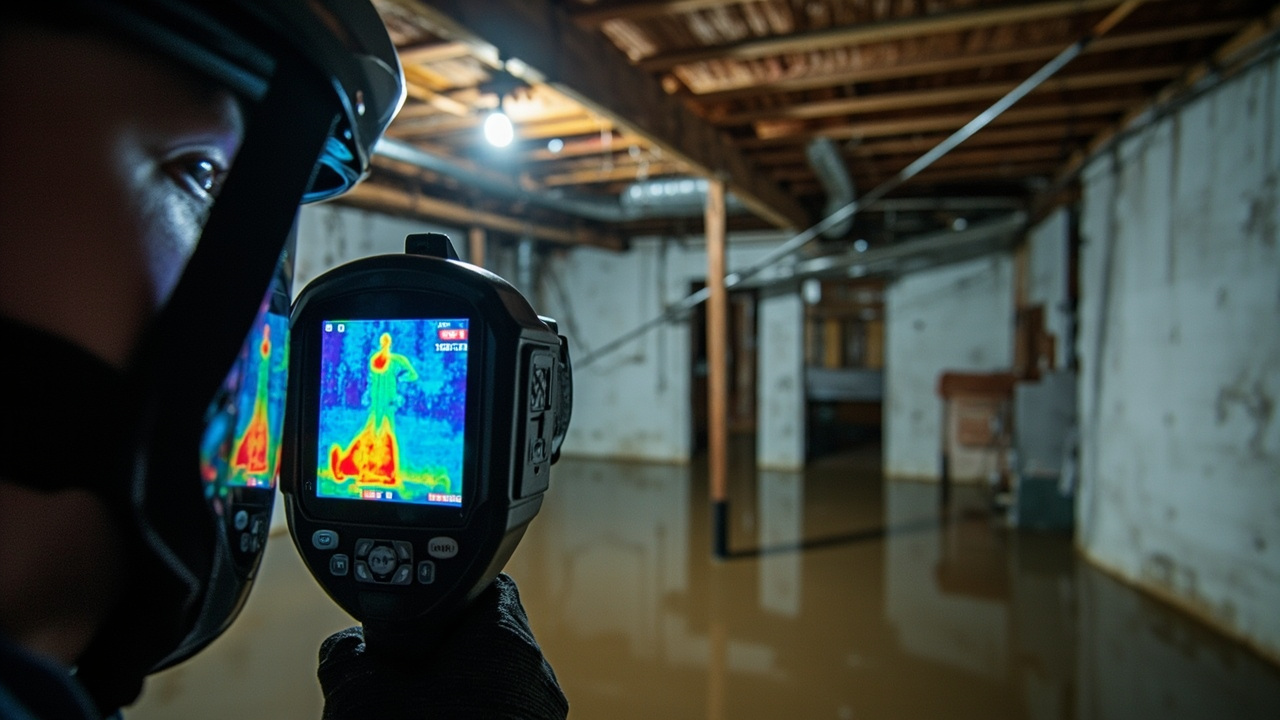
If you are standing in water in your Cypress basement, you are facing a race against time. The heavy clay soils around Cypress Creek and White Oak Bayou hold moisture long after the rain stops,…
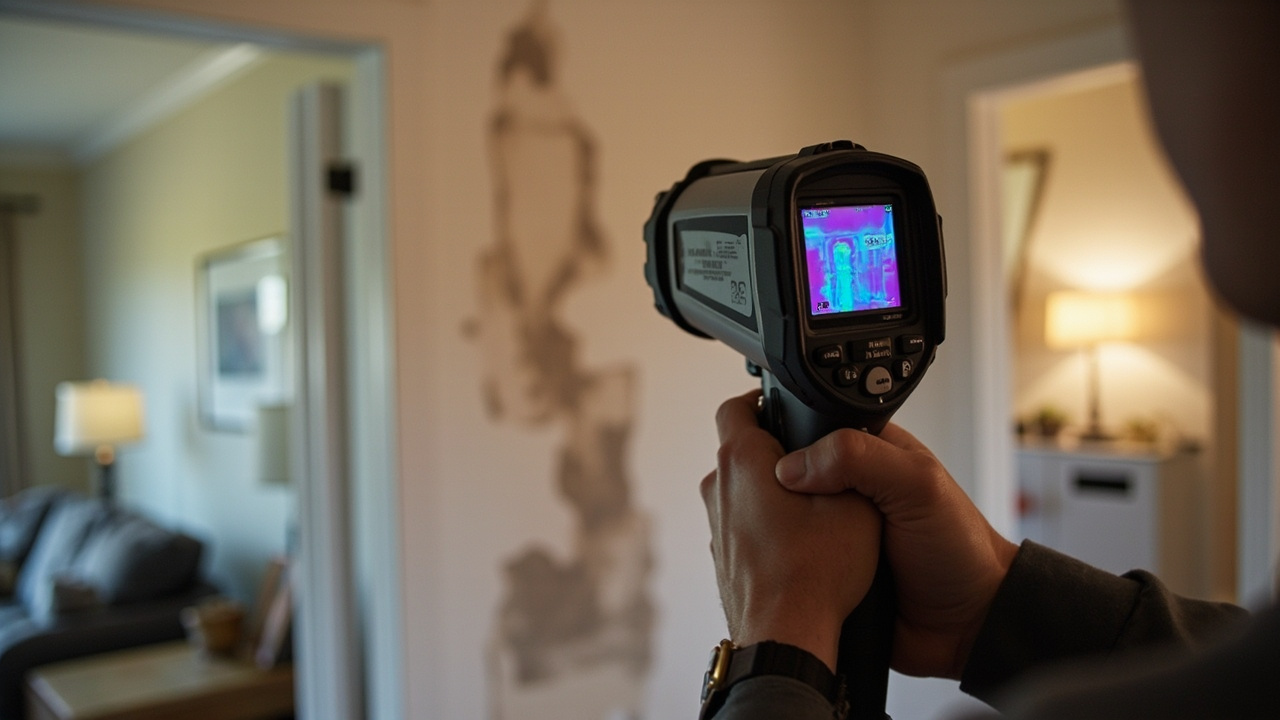
Houston humidity presents a constant struggle for homeowners across Harris County. In 2026, the weather…
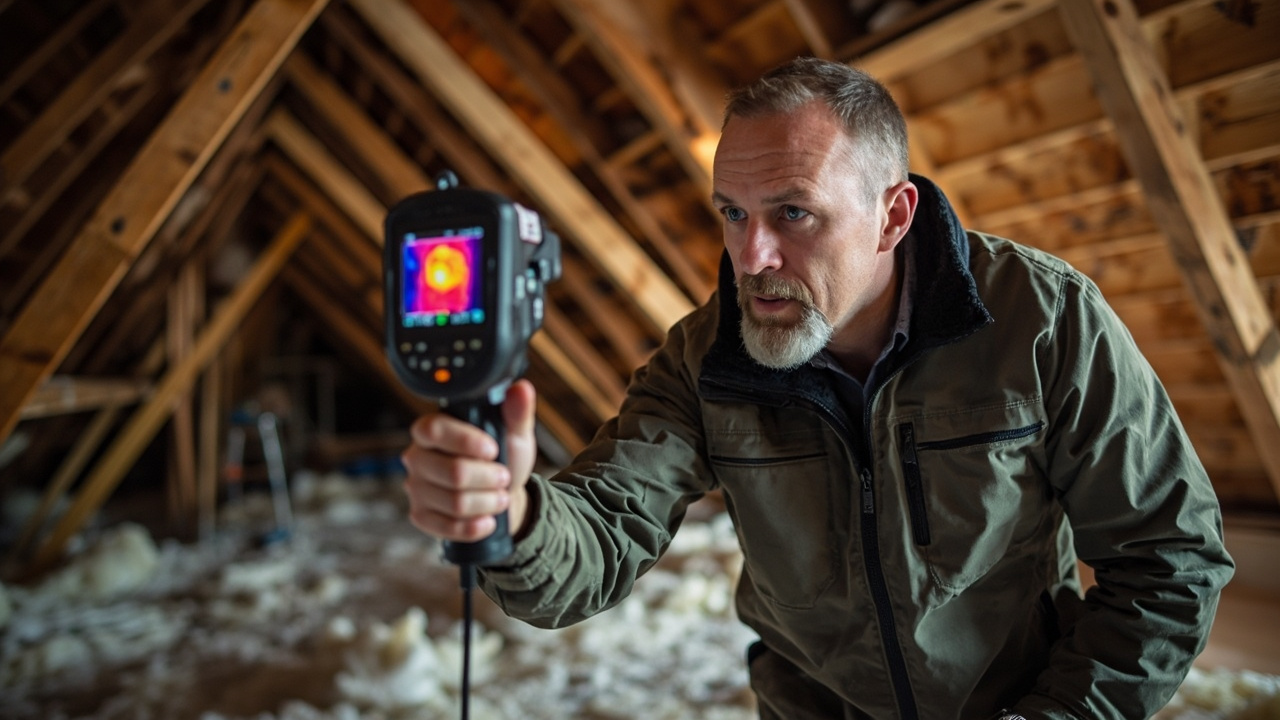
Dealing with Attic Water Damage from Leaky Roofs in KingwoodHomeowners in the Kingwood area face…

Why a Home Dehumidifier Cannot Save Your Third Ward Living Room from Water DamageYour Third…
Every minute counts when water is flooding your Texas City home or business. Our certified crews are standing by 24 hours a day, 7 days a week. Call Silverline Water Damage Restoration Houston at (832) 336-3663 for immediate emergency response and start protecting your property now.