





Conroe sits in Montgomery County where the Sam Houston National Forest meets suburban expansion. The combination of high humidity, clay soil with poor drainage, and proximity to Lake Conroe creates constant moisture stress on structures. Homes built on the expansive clay soils common from downtown Conroe to Cut and Shoot experience foundation shifts that crack slab foundations and break water lines beneath concrete. Summer humidity above 90% creates condensation inside attics and crawl spaces even without visible leaks. Spring storms dump several inches of rain in hours, overwhelming drainage systems in older neighborhoods near the San Jacinto River. The rapid development from farm land to residential areas means newer subdivisions in western Conroe often lack mature landscaping to absorb runoff, directing water straight toward foundations. Properties near the forest deal with root intrusion into sewer laterals, causing backups during heavy rain. These factors mean Conroe residents face water intrusion from multiple sources: storm flooding, plumbing failures, foundation cracks, roof leaks from wind-driven rain, and HVAC condensation. Without immediate extraction and drying, the humid climate accelerates mold growth within 48 hours. Materials stay damp longer here than in drier climates, requiring professional-grade dehumidification and air movement to prevent secondary damage.
We operate across Montgomery County with equipment staged for rapid deployment to Conroe properties. Our technicians hold IICRC certifications in Water Damage Restoration and Applied Structural Drying, meaning they understand moisture physics and building science, not just how to run fans. We use thermal cameras and moisture meters to document hidden water in wall cavities and under flooring that homeowners cannot see. This documentation matters when you file an insurance claim. We photograph everything, measure moisture levels in multiple materials, and create drying logs that prove the scope of damage to adjusters. Many Conroe homeowners discover their policy covers more than they expected when proper documentation shows the full extent of water migration. We coordinate with local plumbers and roofers when source repair is needed before drying begins. Our truck-mounted extractors remove hundreds of gallons in minutes, not hours. We place commercial dehumidifiers and air movers in configurations based on the specific materials affected, not a one-size approach. A hardwood floor requires different drying than carpet over concrete or drywall. We monitor daily and adjust equipment as materials release moisture. We do not pull equipment early to move to the next job. Drying remains in place until moisture meters confirm materials have returned to normal levels. This prevents callbacks for mold remediation weeks later. We serve property owners who want the problem solved correctly the first time.

We document damage using the same methods insurance adjusters require. Our detailed moisture logs, photos, and equipment placement records support your claim. We communicate directly with adjusters to explain the scope of work and why specific drying methods are necessary for your property type.

Our crews complete training in water damage restoration and applied structural drying through the Institute of Inspection Cleaning and Restoration Certification. This means they understand building materials, moisture behavior, and psychrometrics. They know how to dry structures without causing additional damage from improper techniques.
We use thermal imaging cameras to find water you cannot see behind walls, under flooring, and in ceiling cavities. Moisture meters measure water content in wood, drywall, and concrete. This equipment prevents hidden moisture from causing mold growth and structural rot after visible water disappears.
We maintain equipment and crews ready to deploy across Conroe and surrounding Montgomery County areas. Our technicians know local construction methods, common foundation types, and the clay soil challenges specific to this region. We arrive fast because we operate locally, not from distant service areas.
Water intrusion requires different responses based on the source, volume, and materials affected. A burst supply line in a kitchen creates different challenges than storm flooding in a basement or a slow roof leak in an attic. Silverline Water Damage Restoration Houston provides the full spectrum of water removal and structural drying services for residential and commercial properties. We handle emergency extraction when you have standing water, controlled drying for materials like hardwood floors that warp if dried too quickly, and remediation when water has been present long enough to cause microbial growth. Our approach starts with source identification and containment, moves to water extraction and material removal when necessary, then focuses on drying the structure to prevent secondary damage. We use different equipment configurations based on what got wet. Carpet over concrete requires different airflow than drywall or wood framing. We monitor moisture levels throughout the drying process and adjust equipment placement as materials release water vapor. The goal is returning your property to pre-loss condition without unnecessary demolition or extended timelines.
We deploy truck-mounted extractors and portable pumps to remove standing water from your property. Our equipment handles clean water from supply line breaks, gray water from appliance overflows, and contaminated water from sewage backups. We extract water from carpet, tile, hardwood, and concrete surfaces. Fast removal prevents water from migrating into wall cavities, under baseboards, and beneath flooring materials where it causes hidden damage. We operate 24 hours a day because water damage does not wait for business hours.
After extraction, we place commercial dehumidifiers and air movers to dry building materials. We configure equipment based on moisture meter readings and the specific materials affected. Drywall requires different treatment than hardwood or insulation. We create airflow patterns that pull moisture from materials without causing secondary damage like cupping in wood floors. Our technicians monitor daily and adjust equipment as drying progresses. We do not remove equipment until moisture levels return to normal ranges for each material type.
We protect and restore contents affected by water damage. This includes pack-out services for items that need off-site drying, furniture blocking to prevent staining on wet carpet, and electronics assessment. We inventory and photograph items for insurance purposes. Our climate-controlled facility provides space for contents that cannot remain in the home during structural drying. We clean and deodorize salvageable items and provide documentation on contents that cannot be restored.
Montgomery County's clay soil, humidity, and weather patterns create specific water intrusion scenarios. Properties in established neighborhoods near downtown Conroe often have older plumbing that fails without warning. Homes in newer developments west of Interstate 45 experience foundation settlement as clay soil shifts with moisture changes. The Sam Houston National Forest's proximity means properties on the east side deal with heavy tree coverage that drops leaves and debris into gutters, causing overflow during storms. Lake Conroe area homes face flooding risk during heavy rain events when the San Jacinto River rises. Commercial properties along FM 1488 and Highway 105 experience HVAC condensation problems in summer when humidity stays above 85% for weeks. These local factors mean water damage takes multiple forms. Some property owners discover water only after mold appears on walls. Others face immediate flooding that requires emergency response. Understanding these common scenarios helps property owners recognize problems early and respond before damage spreads.
Older homes in Conroe's established neighborhoods have galvanized pipes or polybutylene plumbing that fails without warning. A burst supply line can release hundreds of gallons before someone shuts off the water. Winter freezes, though rare, cause pipes to burst in attics and exterior walls. We extract water, dry materials, and coordinate with plumbers to repair the source.
Clay soil expands and contracts with moisture changes, causing foundation movement that cracks slabs and breaks water lines beneath concrete. Property owners often notice wet carpet or warped flooring before they find the source. We use moisture meters to locate hidden leaks under slabs and coordinate with foundation specialists for permanent repairs.
Spring storms drop several inches of rain in short periods, overwhelming gutters and drainage systems. Wind-driven rain finds gaps around windows and doors. Older roofs develop leaks that allow water into attics and wall cavities. We extract standing water, dry structural materials, and use thermal cameras to find hidden moisture in ceilings and walls.
Air conditioning systems in Conroe run constantly during summer, producing gallons of condensation daily. Clogged drain lines cause overflow into attics, ceilings, and wall cavities. Sewage backups occur when roots infiltrate clay sewer laterals during dry periods. We handle contaminated water removal, sanitization, and structural drying after source repair.
Water damage creates chaos. You need someone who answers the phone, arrives fast, and takes control of the situation. When you call Silverline Water Damage Restoration Houston, you reach a live person who asks specific questions about the water source, how much area is affected, and whether electricity is safe in the damaged area. We dispatch a crew immediately, often arriving within an hour for emergency situations. Our technicians assess the damage, explain what needs to happen, and begin extraction while explaining the process. We document everything with photos and moisture readings. We contact your insurance company if you request it, or we provide documentation for you to file the claim yourself. You will not wonder what is happening or when we will return. We communicate at every step and give you direct contact information for the crew supervisor managing your property.
Our crew arrives with extraction equipment, moisture meters, and thermal cameras. We identify the water source, shut off supply lines if needed, and assess which materials are affected. We explain the scope of damage and what restoration will require. If you have standing water, we begin extraction immediately. We take photos and document moisture levels for insurance purposes. You receive a clear explanation of what happens next and how long drying will take.
We do not place equipment and disappear. Our technicians return daily to take moisture readings, adjust equipment placement, and document drying progress. We explain what the readings mean and when materials will reach acceptable levels. You receive updates on timeline and any issues that develop. If insurance adjusters need to inspect, we coordinate that visit and explain our findings. We answer your questions and give you direct contact information for the supervisor.
We do not remove equipment until moisture meters confirm materials have returned to normal levels. This prevents mold growth and structural problems after we leave. We provide final documentation showing moisture readings at the start of the project and at completion. You receive a detailed report for your records and insurance company. We explain what reconstruction is needed and can coordinate those repairs if you choose.
We follow a systematic approach designed to stop damage progression and return your property to safe, dry conditions as fast as possible without cutting corners.
We locate the water source and determine the category of water involved: clean, gray, or black water. This determines safety protocols and what materials can be saved. We use truck-mounted extractors to remove standing water from all affected surfaces. Moisture meters and thermal cameras identify hidden water in wall cavities, under flooring, and in ceiling spaces. We document everything with photos and detailed notes.
We place commercial dehumidifiers and air movers in configurations specific to the affected materials. Hardwood floors receive different treatment than carpet or drywall. We create contained drying chambers when needed to speed the process and reduce energy costs. Our technicians monitor daily, taking readings and adjusting equipment as materials release moisture. We track temperature, humidity, and material moisture content until everything reaches normal levels.
After drying, we sanitize affected areas with antimicrobial treatments appropriate for the water category. We remove equipment and provide final documentation showing moisture levels have returned to acceptable ranges. We coordinate reconstruction if needed, or we provide detailed reports for your contractor. You receive complete documentation for insurance and a property returned to safe, dry condition.
The Institute of Inspection Cleaning and Restoration Certification sets the standards that professional water damage restoration companies follow. The IICRC S500 Standard and Reference Guide for Professional Water Damage Restoration provides the science-based protocols we use on every project. This document defines water categories, material classes, and drying methods based on peer-reviewed research and building science. Category 1 water is clean water from supply lines. Category 2 is gray water from appliances and contains some contamination. Category 3 is black water from sewage or flooding and requires specialized handling and disposal methods. Material classes range from Class 1 (materials with low absorption like concrete) to Class 4 (materials like hardwood and plaster that require specialty drying). Texas does not require state licensing for water damage restoration companies, which means property owners must verify that companies follow industry standards and carry proper insurance. We maintain general liability insurance and workers compensation coverage. Our technicians complete IICRC training in Water Damage Restoration and Applied Structural Drying. This training covers psychrometrics, the study of air and moisture behavior, which determines equipment placement and drying times. We follow manufacturer guidelines for equipment operation and maintain calibrated moisture meters that provide accurate readings. Proper restoration prevents problems that appear weeks later, like mold growth in wall cavities or structural rot in framing. Insurance companies expect restoration companies to follow IICRC standards. Deviating from these protocols can result in denied claims or callbacks for mold remediation. We document our methods to show compliance with industry standards and support your insurance claim.
Water is classified by contamination level: Category 1 is clean, Category 2 contains chemicals or biological matter, Category 3 is grossly contaminated. The category determines safety protocols, what materials can be saved, and disposal requirements. Category 3 water requires specialized equipment and procedures to protect occupants and workers from pathogens and chemicals.
Restoration costs depend on water volume, category, affected materials, and square footage. Category 3 water costs more because of contamination protocols. Materials like hardwood and plaster require longer drying times than carpet. Two-story homes need more equipment than single-story. Most insurance policies cover sudden water damage but exclude gradual leaks and maintenance issues.
Drying takes three to seven days for most residential projects depending on materials and humidity levels. Concrete and plaster take longer than drywall. High outdoor humidity in Conroe extends drying times compared to drier climates. We monitor until materials reach acceptable moisture levels, not arbitrary timeframes. Removing equipment early causes mold and callback visits.
Insurance companies expect restoration companies to follow IICRC S500 standards for water damage restoration. These standards define proper methods for extraction, drying, and documentation. Companies that do not follow these protocols risk claim denials. We document our methods to show compliance and support your insurance claim with detailed logs and photos.
This video explains professional water damage restoration services in Conroe, Texas. Silverline Water Damage Restoration Houston covers emergency water extraction, structural drying methods, and the unique challenges Montgomery County property owners face from clay soil and humidity. The video discusses water damage categories, IICRC restoration standards, moisture detection technology, and insurance coordination. Viewers learn what to expect during professional water remediation and why immediate response prevents secondary damage like mold growth.
Silverline Water Damage Restoration Houston serves residential and commercial properties throughout Conroe and the greater Montgomery County area. We respond to emergency calls in the historic downtown Conroe district where older homes face plumbing failures and foundation issues common to structures built on clay soil. Properties along the west side near Grand Central Park and the newer developments off League Line Road see water damage from rapid settlement as clay expands and contracts. We serve homes in the River Plantation and April Sound communities near Lake Conroe where proximity to water increases flooding risk during heavy rain events. The Woodlands Hills area south of Conroe experiences similar water intrusion challenges, with properties requiring fast response to prevent damage in valuable homes. Commercial properties along Interstate 45 and around the Conroe-North Houston Regional Airport call us for facility water damage that threatens business operations. We deploy to properties near Willis and Magnolia where older septic systems sometimes fail during wet periods. The eastern areas near Montgomery and Splendora, closer to the Sam Houston National Forest, deal with drainage challenges from heavy tree coverage and clay soil with poor absorption. We maintain equipment and crew availability to reach properties in Cut and Shoot and areas along Highway 105 where residential development has expanded rapidly. Our service area includes the entire Montgomery County region because water damage requires local response times. A company based in Houston proper cannot arrive as fast as we can. We understand local construction methods, the foundation types common to different decades of building, and the clay soil behavior that contributes to water intrusion. Property managers of apartment complexes in north Conroe and around Lake Conroe rely on us for multi-unit response when plumbing failures affect multiple residents. We coordinate with property insurance adjusters familiar with Montgomery County claims and the specific challenges properties face in this region.
Water damage restoration costs in Conroe vary based on source, severity, and affected square footage. A small leak might run a few hundred dollars, while major flooding from storms or burst pipes can reach several thousand. The category of water matters. Clean water from supply lines costs less to extract than contaminated sewage backups, which require hazmat protocols. You also pay for extraction, drying equipment, antimicrobial treatments, and repairs. Most insurance policies cover sudden water damage, so your out-of-pocket expense depends on your deductible and coverage limits. Get a free inspection to know exactly what you need.
Yes. Water damage spreads fast in Conroe's humid climate. What starts as wet carpet escalates to warped floors, destroyed drywall, and mold growth within 48 hours. Professional restoration stops secondary damage before it compounds your loss. You also protect your family from hidden mold and bacteria that thrive in moisture. If you file an insurance claim, restoration documentation strengthens your case. Ignoring water damage tanks your property value and creates health risks. The cost of restoration is almost always less than the cost of demolition and full rebuild after neglect allows mold and rot to take hold.
Remediation stops the water and removes immediate threats. Technicians extract standing water, dry the structure, and prevent mold. Think containment. Restoration comes next. It rebuilds what water destroyed: replacing drywall, repainting, installing new flooring, restoring your property to pre-loss condition. Remediation is the emergency response. Restoration is the rebuild. Many Conroe companies handle both under one roof, which speeds the process and reduces coordination headaches. You need remediation first to stabilize the damage, then restoration to make your home livable again. Skipping remediation means restoration work fails as moisture continues destroying materials behind the scenes.
Water damage restoration costs in Conroe vary based on source, severity, and affected square footage. A small leak might run a few hundred dollars, while major flooding from storms or burst pipes can reach several thousand. The category of water matters. Clean water from supply lines costs less to extract than contaminated sewage backups, which require hazmat protocols. You also pay for extraction, drying equipment, antimicrobial treatments, and repairs. Most insurance policies cover sudden water damage, so your out-of-pocket expense depends on your deductible and coverage limits. Get a free inspection to know exactly what you need.
Yes. Water damage spreads fast in Conroe's humid climate. What starts as wet carpet escalates to warped floors, destroyed drywall, and mold growth within 48 hours. Professional restoration stops secondary damage before it compounds your loss. You also protect your family from hidden mold and bacteria that thrive in moisture. If you file an insurance claim, restoration documentation strengthens your case. Ignoring water damage tanks your property value and creates health risks. The cost of restoration is almost always less than the cost of demolition and full rebuild after neglect allows mold and rot to take hold.
Remediation stops the water and removes immediate threats. Technicians extract standing water, dry the structure, and prevent mold. Think containment. Restoration comes next. It rebuilds what water destroyed: replacing drywall, repainting, installing new flooring, restoring your property to pre-loss condition. Remediation is the emergency response. Restoration is the rebuild. Many Conroe companies handle both under one roof, which speeds the process and reduces coordination headaches. You need remediation first to stabilize the damage, then restoration to make your home livable again. Skipping remediation means restoration work fails as moisture continues destroying materials behind the scenes.
Full water damage restoration includes inspection, water extraction, structural drying, dehumidification, antimicrobial treatment, demolition of unsalvageable materials, and reconstruction. Technicians document everything for insurance claims. They use moisture meters and thermal imaging to find hidden water in walls and subfloors. Industrial air movers and dehumidifiers dry the structure. If mold appears, they contain and remove it. Then comes rebuild: new drywall, flooring, trim, and paint. In Conroe, restoration also addresses humidity control to prevent future problems. You get one company managing the entire process from emergency call to final walkthrough, eliminating gaps where damage spreads.
Most homeowner policies cover sudden and accidental water damage, like burst pipes or roof leaks during storms. Conroe sees heavy rain and occasional flooding, so review your policy closely. Standard policies exclude gradual damage from neglected leaks or ground flooding, which requires separate flood insurance. Insurance typically pays for remediation and restoration to return your home to pre-loss condition. You pay your deductible. Filing quickly matters. Delays give insurers reason to deny claims for preventable secondary damage. Document everything with photos and keep all invoices. A restoration company familiar with insurance processes helps maximize your payout.
Timeline depends on damage severity and crew availability. Minor water damage might take three to five days for drying and restoration. Major flooding can take weeks. Servpro and other restoration companies in Conroe follow similar protocols: extract water within hours, run drying equipment for 72 hours minimum, then rebuild. Humidity levels in our area extend drying times compared to drier climates. The company monitors moisture daily with meters until readings confirm complete dryness. Rushing the process invites mold. Any restoration firm prioritizing speed over thoroughness creates bigger problems. Ask about their drying verification process, not just how fast they finish.
The average water damage claim in Texas ranges from $7,000 to $12,000, but Conroe claims vary widely. A toilet overflow affecting one bathroom might settle around $3,000. A roof leak during heavy storms damaging multiple rooms can exceed $20,000. Sewage backups and category three water push costs higher due to contamination protocols. Your claim amount depends on water category, affected square footage, materials damaged, and how quickly you responded. Insurance adjusters calculate actual cash value or replacement cost based on your policy. Claims also include temporary housing if your home is uninhabitable during restoration.
Mold spores germinate within 24 to 48 hours in wet conditions. Conroe's heat and humidity accelerate growth. You might see visible mold in three days, but it starts spreading microscopically much sooner. Porous materials like drywall, insulation, and carpet grow mold fastest. Once mold colonizes, simple drying does not kill it. You need professional remediation with containment, HEPA filtration, and antimicrobial treatments. This tight window is why you call a restoration company immediately after water damage. Every hour of delay increases mold risk and restoration costs. Speed is not optional in our climate.
Call immediately when you discover water damage, no matter the source. Burst pipes, roof leaks, appliance failures, sewage backups, and storm flooding all require professional response. If you see standing water, saturated carpet, wet drywall, or notice musty odors, you need help. Do not wait to assess the damage yourself. In Conroe's humid conditions, 24 hours of delay can double your restoration costs. Call even if the leak seems small. Hidden moisture in walls and subfloors causes the real damage. Restoration companies offer free inspections, so you lose nothing by calling early and potentially save thousands.
Plumbers fix the source but rarely handle full restoration. They stop the leak, replace broken pipes, and restore water service. Water damage restoration requires different skills: structural drying, mold prevention, demolition, and reconstruction. A plumber will not run dehumidifiers for 72 hours or rebuild your soaked drywall. In Conroe, you need both: a plumber to stop the water and a restoration company to dry and repair the damage. Some restoration companies coordinate with plumbers to streamline the process. Trying to use only a plumber leaves you with a fixed pipe but a destroyed, moldy interior.
Full water damage restoration includes inspection, water extraction, structural drying, dehumidification, antimicrobial treatment, demolition of unsalvageable materials, and reconstruction. Technicians document everything for insurance claims. They use moisture meters and thermal imaging to find hidden water in walls and subfloors. Industrial air movers and dehumidifiers dry the structure. If mold appears, they contain and remove it. Then comes rebuild: new drywall, flooring, trim, and paint. In Conroe, restoration also addresses humidity control to prevent future problems. You get one company managing the entire process from emergency call to final walkthrough, eliminating gaps where damage spreads.
Most homeowner policies cover sudden and accidental water damage, like burst pipes or roof leaks during storms. Conroe sees heavy rain and occasional flooding, so review your policy closely. Standard policies exclude gradual damage from neglected leaks or ground flooding, which requires separate flood insurance. Insurance typically pays for remediation and restoration to return your home to pre-loss condition. You pay your deductible. Filing quickly matters. Delays give insurers reason to deny claims for preventable secondary damage. Document everything with photos and keep all invoices. A restoration company familiar with insurance processes helps maximize your payout.
Timeline depends on damage severity and crew availability. Minor water damage might take three to five days for drying and restoration. Major flooding can take weeks. Servpro and other restoration companies in Conroe follow similar protocols: extract water within hours, run drying equipment for 72 hours minimum, then rebuild. Humidity levels in our area extend drying times compared to drier climates. The company monitors moisture daily with meters until readings confirm complete dryness. Rushing the process invites mold. Any restoration firm prioritizing speed over thoroughness creates bigger problems. Ask about their drying verification process, not just how fast they finish.
The average water damage claim in Texas ranges from $7,000 to $12,000, but Conroe claims vary widely. A toilet overflow affecting one bathroom might settle around $3,000. A roof leak during heavy storms damaging multiple rooms can exceed $20,000. Sewage backups and category three water push costs higher due to contamination protocols. Your claim amount depends on water category, affected square footage, materials damaged, and how quickly you responded. Insurance adjusters calculate actual cash value or replacement cost based on your policy. Claims also include temporary housing if your home is uninhabitable during restoration.
Mold spores germinate within 24 to 48 hours in wet conditions. Conroe's heat and humidity accelerate growth. You might see visible mold in three days, but it starts spreading microscopically much sooner. Porous materials like drywall, insulation, and carpet grow mold fastest. Once mold colonizes, simple drying does not kill it. You need professional remediation with containment, HEPA filtration, and antimicrobial treatments. This tight window is why you call a restoration company immediately after water damage. Every hour of delay increases mold risk and restoration costs. Speed is not optional in our climate.
Call immediately when you discover water damage, no matter the source. Burst pipes, roof leaks, appliance failures, sewage backups, and storm flooding all require professional response. If you see standing water, saturated carpet, wet drywall, or notice musty odors, you need help. Do not wait to assess the damage yourself. In Conroe's humid conditions, 24 hours of delay can double your restoration costs. Call even if the leak seems small. Hidden moisture in walls and subfloors causes the real damage. Restoration companies offer free inspections, so you lose nothing by calling early and potentially save thousands.
Plumbers fix the source but rarely handle full restoration. They stop the leak, replace broken pipes, and restore water service. Water damage restoration requires different skills: structural drying, mold prevention, demolition, and reconstruction. A plumber will not run dehumidifiers for 72 hours or rebuild your soaked drywall. In Conroe, you need both: a plumber to stop the water and a restoration company to dry and repair the damage. Some restoration companies coordinate with plumbers to streamline the process. Trying to use only a plumber leaves you with a fixed pipe but a destroyed, moldy interior.
Easily locate our service area and see how Silverline is strategically positioned to provide rapid water damage restoration services throughout Houston and its surrounding communities. Our commitment to prompt response means we're never far away when disaster strikes, ensuring your property gets the urgent care it needs, wherever you are within our service radius. We're here to serve you efficiently.
Address:
Conroe, TX, 77301
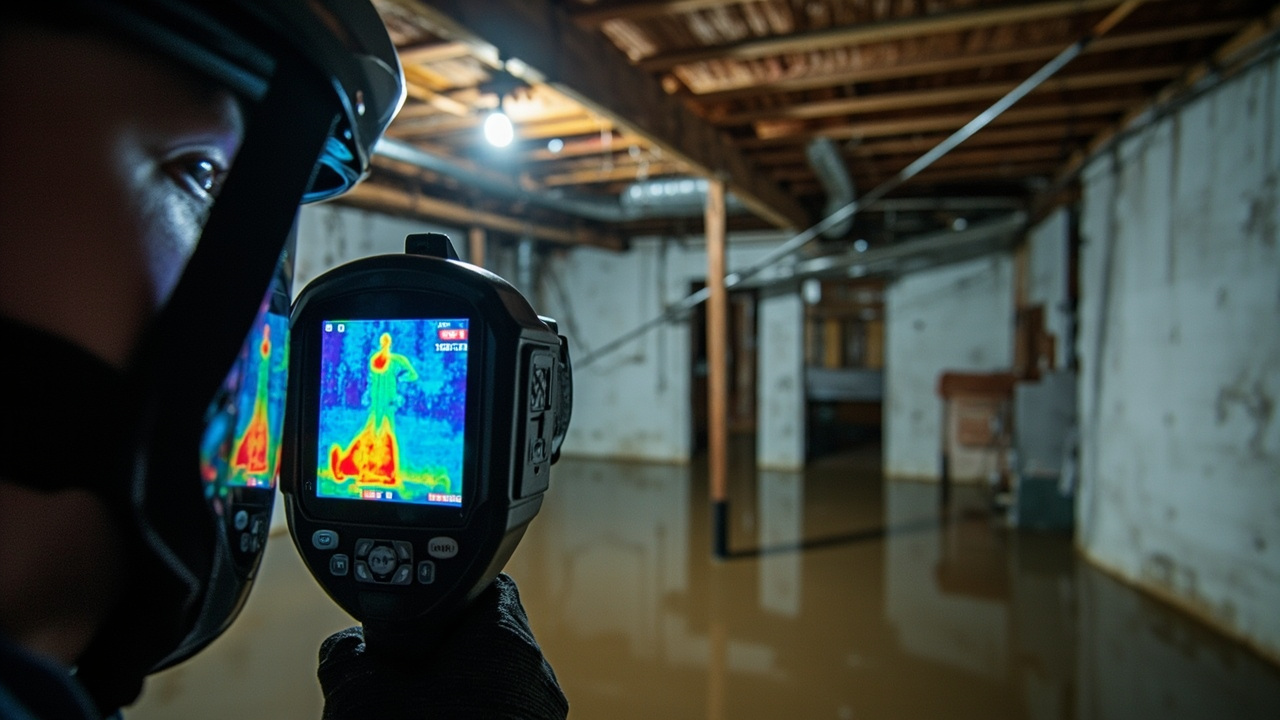
If you are standing in water in your Cypress basement, you are facing a race against time. The heavy clay soils around Cypress Creek and White Oak Bayou hold moisture long after the rain stops,…
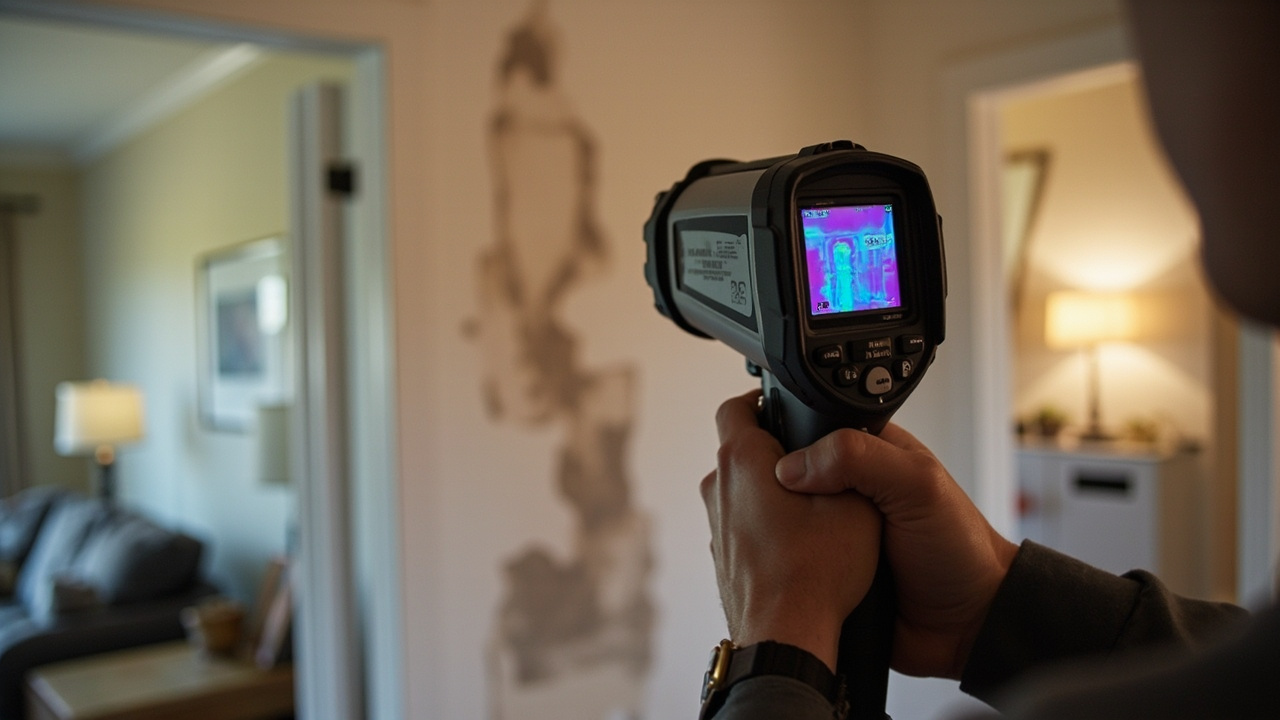
Houston humidity presents a constant struggle for homeowners across Harris County. In 2026, the weather…
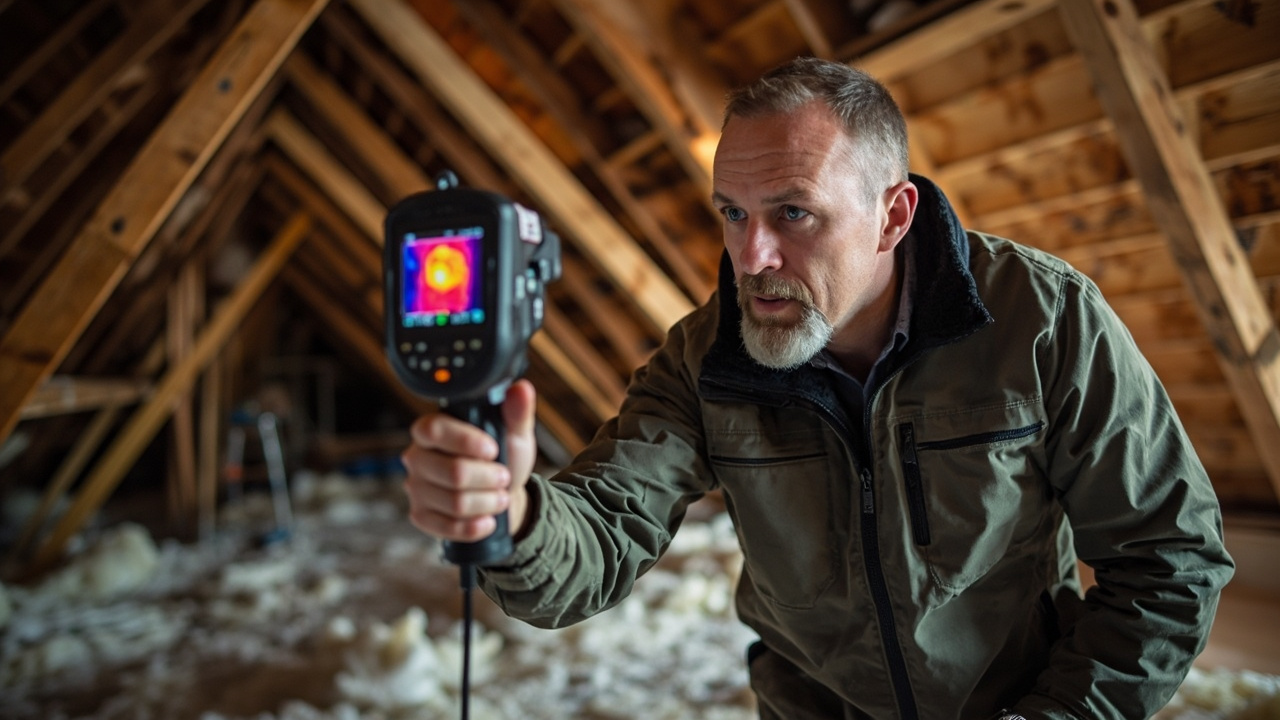
Dealing with Attic Water Damage from Leaky Roofs in KingwoodHomeowners in the Kingwood area face…

Why a Home Dehumidifier Cannot Save Your Third Ward Living Room from Water DamageYour Third…
Water spreads every minute you wait. Call Silverline Water Damage Restoration Houston at (832) 336-3663 right now. Our crews are ready to deploy across Conroe with extraction equipment and drying systems. We answer 24 hours a day, 7 days a week.