





Stafford sits in the Brazos River watershed where clay soil creates unique water damage risks. The expansive clay beneath homes absorbs water slowly, causing it to pool against foundations and seep through slab cracks. During heavy rain events, neighborhoods near Willow Creek and areas south of Highway 90A experience surface flooding that enters garages and ground-level rooms. The humid subtropical climate means moisture does not evaporate quickly, giving mold 24 to 48 hours to colonize wet drywall and insulation.
Stafford's aging infrastructure compounds these issues. Many properties in Cambridge Village and Hunters Glen were built in the 1980s with plumbing systems now reaching failure age. Slab leaks go undetected for weeks because the clay soil masks foundation movement. Water heaters in garage installations leak onto concrete that wicks moisture into interior walls. Without immediate extraction and structural drying, a small leak becomes a major remediation project. Fort Bend County building codes require proper moisture barriers, but older homes lack modern waterproofing. Fast response stops damage from spreading through wall cavities and subflooring.
Silverline Water Damage Restoration Houston has responded to over 3,000 water emergencies across Fort Bend County. Our dispatch center in Houston allows us to reach any Stafford address within the critical first hour when damage mitigation matters most. We maintain a fleet of truck-mounted extractors, industrial air movers, and desiccant dehumidifiers ready for immediate deployment, not equipment we rent after you call.
Our technicians hold IICRC Water Damage Restoration certification and complete annual training on moisture mapping and psychrometric calculations. We use thermal imaging cameras to detect hidden moisture in wall cavities and ceilings, not just surface wetness. This prevents callback situations where mold appears weeks later because drying was incomplete. We test moisture levels daily using pin and pinless meters, documenting readings for insurance adjusters who require proof of proper drying protocols.
Insurance coordination sets us apart. We photograph damage from multiple angles, write detailed scope reports, and communicate directly with claims adjusters. Most Stafford homeowners do not know their policy's covered perils or depreciation schedules. We explain what your insurance will pay versus out-of-pocket costs before starting work. Our estimates match Xactimate pricing that adjusters use, eliminating disputes over labor rates or material costs.
We also handle the contents side that most water damage companies ignore. Our crews pack out and store furniture, box up belongings, and return everything cleaned and restored after structural repairs finish. This full-service approach means you make one call, not five.

Our crews arrive at Stafford properties within one hour of your emergency call. We keep extraction equipment and drying tools loaded on service trucks, not stored in a warehouse. Fast response limits damage spread and reduces total restoration costs by stopping water before it saturates structural materials.

We bill your insurance company directly and wait for payment, so you only pay your deductible upfront. Our estimators write damage reports in Xactimate format that adjusters accept without dispute. We handle all documentation, supplemental claims, and follow-up communication so you can focus on getting your life back to normal.
IICRC-certified technicians use thermal cameras and moisture meters to map water migration through your property. We document affected areas with photos and moisture readings, creating a drying plan based on material types and saturation levels. Daily monitoring confirms materials reach dry standards before we remove equipment, preventing hidden mold growth.
We have restored hundreds of Stafford homes and understand local construction methods, clay soil behavior, and flooding patterns near Willow Creek. Our technicians know which neighborhoods have slab foundation issues and which areas experience storm surge during heavy rain. This local knowledge speeds diagnosis and ensures appropriate drying methods for your property type.
Water damage restoration requires three distinct phases that must happen in sequence for successful outcomes. Silverline Water Damage Restoration Houston provides emergency water removal, structural drying, and full property restoration under one contract. We handle everything from initial extraction through final repairs, eliminating the coordination headaches of hiring separate contractors for each phase.
Our service range covers all water damage scenarios in Stafford. Burst pipe emergencies, slab leak detection, storm flooding, sewage backups, water heater failures, and appliance malfunctions all require different equipment and remediation protocols. We assess the water category (clean, gray, or black), measure the affected square footage, and deploy appropriate extraction and drying methods. Our crews work around your schedule, including overnight and weekend shifts for commercial properties that cannot close during business hours. Each project includes antimicrobial treatment to prevent bacterial growth and complete documentation for insurance claims.
Immediate water extraction stops damage from spreading through your property. Our truck-mounted pumps remove standing water from flooded rooms, basements, and crawl spaces within hours. We extract water from carpet padding, pull wet baseboards, and remove saturated insulation before structural materials absorb more moisture. Submersible pumps handle deep water while portable extractors recover water from carpet and upholstery. Fast water removal during the first 24 hours prevents most secondary damage and significantly reduces drying time.
Structural drying removes moisture trapped in walls, subfloors, and ceiling cavities that extraction cannot reach. We position commercial air movers to create airflow across wet surfaces while desiccant dehumidifiers pull moisture from the air. Thermal imaging identifies hidden moisture pockets behind tile, under flooring, and inside wall cavities. We monitor humidity levels and material moisture content daily, adjusting equipment placement until all structural components reach dry standards. Proper drying typically requires three to five days depending on material types and saturation levels.
Complete restoration returns your property to pre-loss condition after drying finishes. Our licensed contractors replace damaged drywall, install new flooring, repaint affected rooms, and reinstall baseboards and trim. We handle cabinet repairs, countertop replacement, and fixture reinstallation for kitchen and bathroom water damage. Reconstruction services include electrical and plumbing repairs when water damages these systems. We match existing finishes and materials so repairs blend seamlessly with undamaged areas. One project manager coordinates all trades from demolition through final walkthrough.
Stafford's clay soil, aging housing stock, and position in the coastal floodplain create predictable water damage patterns. Properties in neighborhoods built during the 1980s construction boom now face plumbing system failures as supply lines and drain pipes reach the end of their service life. The expansive clay soil shifts during wet and dry cycles, stressing slab foundations and creating cracks where groundwater enters. Storm events overwhelm drainage systems in low-lying areas near Willow Creek and along Highway 90A, sending surface water into garages and ground-level rooms.
Understanding these local patterns helps property owners recognize warning signs before minor leaks become major restoration projects. Water stains on ceilings indicate roof leaks or second-floor plumbing issues. Musty odors in closets or bathrooms suggest hidden moisture from slow leaks. Higher water bills without increased usage point to slab leaks beneath your foundation. Catching these problems early limits damage and reduces restoration costs significantly.
Copper supply lines embedded in concrete slabs corrode over time, developing pinhole leaks that go undetected for months. The clay soil beneath Stafford homes masks foundation movement that would otherwise signal a leak. Water seeps through foundation cracks, soaking subfloors and wicking up interior walls. We use electronic leak detection to locate slab leaks without destructive exploratory demolition.
Heavy rain events overwhelm yard drainage and send water against foundations. Garage thresholds below grade allow water to flow under doors during street flooding. Window wells fill with water that leaks through seals. Storm water carries contamination from streets and yards, requiring sanitization beyond standard drying. We extract floodwater, remove contaminated materials, and treat affected areas with antimicrobial solutions.
Tank water heaters in garage installations fail without warning, releasing 40 to 50 gallons across concrete floors. Water flows under interior wall plates and soaks drywall from the bottom up. Garage water heaters often sit on platforms, but leaks still spread to adjacent rooms. We extract water from wall cavities using specialized injection ports and dry affected areas before mold establishes.
Washing machine hoses, refrigerator ice maker lines, and toilet supply tubes fail under constant water pressure. These small-diameter lines release water at high volume, flooding rooms within minutes. Failures often happen when homeowners are away, allowing water to run for hours. We respond immediately to stop the source, extract standing water, and begin drying before structural damage spreads to adjacent spaces.
Water emergencies create stress and confusion. You are dealing with damage to your home, worried about costs, and unsure what happens next. Silverline Water Damage Restoration Houston provides clear communication from your first call through project completion. Our dispatch team asks specific questions about your situation to send the right equipment and crew size. We provide arrival time estimates and call en route so you know exactly when help arrives.
Our project managers explain every step before work begins. You receive a detailed scope of work listing all services, a timeline for completion, and a cost estimate broken down by phase. We never surprise you with extra charges or hidden fees. If we discover additional damage during demolition, we document it with photos, explain why it requires attention, and get your approval before proceeding. This transparency builds trust and eliminates the anxiety that comes with major property repairs.
Crews arrive within 60 minutes of your call carrying extraction equipment and moisture detection tools. The project manager inspects all affected areas, identifies the water source, and explains what needs to happen immediately versus what can wait. We take photos and video for insurance documentation. You receive an emergency services authorization form covering water extraction and initial drying. This gets equipment running quickly while we prepare the full estimate for structural repairs.
Technicians check your property daily while drying equipment runs. We measure moisture levels in floors, walls, and ceilings using calibrated meters, recording readings on a drying log that tracks progress. You receive text or email updates with current moisture levels and projected completion dates. If drying takes longer than expected, we explain why and adjust equipment placement. Most properties reach dry standards within three to five days depending on materials and saturation levels.
After structural drying finishes, our reconstruction crew rebuilds damaged areas to pre-loss condition. We schedule all trades, order materials, and coordinate work to minimize disruption. You receive progress updates as each phase completes. The final walkthrough happens with you and your insurance adjuster if they want to inspect finished work. We do not consider the project complete until you confirm satisfaction with all repairs and restoration work.
Every water damage project follows a proven sequence designed to stop damage quickly and restore your property completely. This three-phase approach ensures nothing gets missed and all work meets industry standards.
We stop the water source, extract standing water, and remove saturated materials during the first site visit. Truck-mounted pumps clear flooded areas while portable extractors recover water from carpets and padding. We pull wet baseboards, remove damaged insulation, and document all affected areas with photos. Antimicrobial treatment prevents bacterial growth on wet surfaces. Air movers and dehumidifiers start running immediately to begin the drying process.
Commercial dehumidifiers and air movers run continuously for three to five days, pulling moisture from structural materials. Technicians visit daily to measure moisture levels in walls, floors, and ceilings using pin and pinless meters. We create airflow patterns that maximize evaporation and adjust equipment based on drying progress. Thermal imaging identifies hidden moisture pockets. Drying continues until all materials reach acceptable moisture content levels verified by calibrated instruments.
Licensed contractors rebuild damaged areas once drying completes. We install new drywall, replace flooring, repaint walls, and reinstall trim and baseboards. Reconstruction includes any necessary plumbing or electrical repairs. We match existing finishes and materials so restored areas blend with undamaged spaces. The final walkthrough confirms all work meets your approval and insurance requirements. Your property returns to pre-loss condition, ready for normal use.
Professional water damage restoration follows protocols established by the Institute of Inspection, Cleaning and Restoration Certification. These standards define water categories, classify damage based on evaporation rates, and specify drying techniques for different building materials. Category 1 water from supply lines requires different handling than Category 3 black water from sewage backups or floodwater. Class 1 damage affecting minimal square footage dries faster than Class 4 damage involving hardwood, plaster, or concrete that requires specialty drying methods.
Fort Bend County adopted the 2018 International Residential Code which mandates specific moisture barrier installation for new construction and major renovations. Existing homes in Stafford often lack these modern waterproofing measures. Vapor barriers beneath concrete slabs, properly flashed window and door openings, and adequate drainage away from foundations all prevent water intrusion. When damage occurs, restoration must address these deficiencies to prevent future problems.
Structural drying goals target specific moisture content levels verified by calibrated meters. Wood framing should reach 12 to 15 percent moisture content. Drywall must drop below 1 percent on a pin meter scale. Concrete requires deep readings using penetrating probes, not just surface measurements. These benchmarks prevent premature equipment removal that leads to mold growth weeks later. Insurance companies increasingly require documented proof that materials reached dry standards before they approve final payments.
Silverline Water Damage Restoration Houston technicians complete annual IICRC training updates covering new techniques and equipment. We invest in thermal imaging cameras that cost $8,000 to $15,000 because they detect moisture invisible to the eye. Our dehumidifiers include commercial-grade refrigerant and desiccant models capable of removing 150 pints of water per day. This professional equipment dries properties in three to five days versus the two to three weeks required by residential models.
The Water Damage Restoration Technician certification requires 16 hours of classroom training covering water categories, structural drying principles, and moisture detection methods. Technicians learn psychrometry calculations that determine how much dehumidification a space requires based on temperature and humidity. This science-based approach ensures proper equipment selection and placement for each unique situation, not guesswork about what might work.
Restoration costs depend on water category, affected square footage, material types, and how long water sat before extraction. Clean water from supply lines costs less to remediate than contaminated flood water requiring disposal of porous materials. Hardwood floors and plaster walls require specialized drying that increases costs. Projects caught within the first few hours cost 40 to 60 percent less than damage discovered days later after mold starts growing.
Most water damage dries completely in three to five days with professional equipment running continuously. Severe saturation or specialty materials like hardwood may require seven to ten days. High humidity or cool temperatures slow evaporation and extend timelines. Contractors who promise 24-hour drying are cutting corners. Materials need time to release trapped moisture, and rushing the process guarantees mold growth weeks later when hidden moisture emerges.
Texas homeowner policies typically cover sudden and accidental water damage from burst pipes or appliance failures. Flood damage requires separate flood insurance through FEMA's National Flood Insurance Program. Many policies exclude damage from maintenance issues like slow leaks or gradual seepage. We document the loss cause carefully and write estimates that align with policy coverage. This prevents claim denials and speeds approval for covered repairs.
Professional water damage restoration process for Stafford, TX homeowners covering emergency water extraction, structural drying techniques, moisture detection methods, and complete property restoration. Learn how IICRC-certified technicians handle flooding, burst pipes, and storm water damage using commercial equipment and proven protocols. Includes information about insurance claims, drying timelines, and preventing mold growth after water damage occurs.
Silverline Water Damage Restoration Houston serves all Stafford neighborhoods from our Houston dispatch center located minutes from the Fort Bend County line. We respond throughout the established residential areas of Cambridge Village and Hunters Glen where homes built in the 1980s now experience plumbing failures and foundation movement from expansive clay soil. These neighborhoods feature slab-on-grade construction that makes slab leak detection critical when residents notice unexplained water bills or foundation cracks.
Our crews regularly work in the Stafford Centre commercial district where office buildings and retail spaces need after-hours water damage response that does not disrupt business operations. We understand the importance of discrete service vehicles and quiet equipment for commercial properties. The Murphy Road corridor and areas near Stafford City Hall see frequent storm water intrusion during heavy rain events because these lower-elevation areas collect runoff from surrounding neighborhoods.
Properties south of Highway 90A toward the Brazos River experience unique flooding risks during severe weather. Clay soil in this area drains slowly, allowing water to pond against foundations for hours after rain stops. We work with homeowners to improve exterior grading and drainage systems as part of water damage restoration projects. The Lexington Park and Staffordshire neighborhoods feature homes on larger lots where poor yard drainage contributes to foundation water intrusion.
Stafford's position between Sugar Land and Missouri City means we serve a diverse property mix from modest single-family homes to luxury estates along the Brazos River corridor. Each property type requires different restoration approaches. Older homes may have galvanized plumbing that develops rust holes, while newer construction uses PEX that rarely fails but suffers damage from improper installation. Our technicians adapt restoration methods based on construction type, age, and specific damage patterns common to each Stafford neighborhood.
We also serve the growing apartment and townhome communities along Highway 59 where multi-family construction presents unique challenges for water damage containment. Shared walls and common plumbing systems mean a leak in one unit often affects adjacent properties. Our containment protocols prevent water from spreading to neighboring units while we restore the primary damage area.
Water damage restoration in Stafford typically ranges from $1,200 to $5,000 for residential jobs, depending on severity and square footage. Minor leaks affecting one room cost less than flooded basements or sewage backups. Key cost factors include water category (clean, gray, or black water), affected materials (drywall absorbs more than tile), drying time, and mold potential. Stafford's high humidity extends drying periods, which increases labor costs. Emergency extraction on weekends costs more than scheduled work. Insurance often covers sudden incidents like burst pipes, but gradual leaks from deferred maintenance usually fall on you.
Yes, professional restoration is worth it in Stafford. Water spreads fast through drywall and subfloors, creating hidden damage you cannot see. DIY extraction misses moisture trapped in wall cavities, which leads to mold growth within 48 hours in our humid climate. Structural damage worsens over time, compromising floor joists and studs. Professional equipment like thermal imaging cameras and commercial dehumidifiers remove moisture completely, preventing future problems. Ignoring water damage drops your property value and creates health risks. The upfront cost beats foundation repairs or mold remediation down the road, which can cost three times more.
Your claim amount depends on your policy limits, deductible, and cause of damage. Most Stafford homeowners policies cover sudden water damage like burst pipes or appliance failures, with average payouts between $2,500 and $10,000. Document everything immediately with photos and videos. Insurance adjusters calculate claims based on damaged materials, labor rates, and equipment costs. Depreciation reduces payouts for older materials. Flood damage requires separate flood insurance, which many Stafford residents need given our proximity to Willow Creek. Always file claims within your policy's notification window, which is usually 48 to 72 hours after discovery.
Water damage restoration in Stafford typically ranges from $1,200 to $5,000 for residential jobs, depending on severity and square footage. Minor leaks affecting one room cost less than flooded basements or sewage backups. Key cost factors include water category (clean, gray, or black water), affected materials (drywall absorbs more than tile), drying time, and mold potential. Stafford's high humidity extends drying periods, which increases labor costs. Emergency extraction on weekends costs more than scheduled work. Insurance often covers sudden incidents like burst pipes, but gradual leaks from deferred maintenance usually fall on you.
Yes, professional restoration is worth it in Stafford. Water spreads fast through drywall and subfloors, creating hidden damage you cannot see. DIY extraction misses moisture trapped in wall cavities, which leads to mold growth within 48 hours in our humid climate. Structural damage worsens over time, compromising floor joists and studs. Professional equipment like thermal imaging cameras and commercial dehumidifiers remove moisture completely, preventing future problems. Ignoring water damage drops your property value and creates health risks. The upfront cost beats foundation repairs or mold remediation down the road, which can cost three times more.
Your claim amount depends on your policy limits, deductible, and cause of damage. Most Stafford homeowners policies cover sudden water damage like burst pipes or appliance failures, with average payouts between $2,500 and $10,000. Document everything immediately with photos and videos. Insurance adjusters calculate claims based on damaged materials, labor rates, and equipment costs. Depreciation reduces payouts for older materials. Flood damage requires separate flood insurance, which many Stafford residents need given our proximity to Willow Creek. Always file claims within your policy's notification window, which is usually 48 to 72 hours after discovery.
Water remediation stops ongoing damage and removes standing water. It includes emergency extraction, initial drying, and containment to prevent spread. Restoration rebuilds what water destroyed. This means replacing drywall, installing new flooring, repainting, and returning your property to pre-loss condition. Think of remediation as triage and restoration as surgery. Most Stafford projects need both. A flooded kitchen requires immediate water extraction (remediation), then cabinet replacement and floor installation (restoration). Some companies handle both phases, while others specialize in one. Knowing the difference helps you understand estimates and insurance claims.
Insurance typically covers water restoration if the damage resulted from a sudden, accidental event. Burst pipes, appliance malfunctions, and roof leaks from storm damage usually qualify. Stafford homeowners with standard policies get coverage for extraction, drying, and repairs. Your policy won't cover gradual damage from ignored maintenance, like slow leaks or foundation seepage. Sewage backups need separate endorsements. Always review your declarations page for water damage exclusions. File claims fast because insurers require immediate notification. Work with restoration companies experienced in insurance documentation to maximize your payout and avoid claim denials.
Water damage costs add up fast because moisture affects everything it touches. You pay for emergency response, specialized equipment rental (dehumidifiers run 24/7 for days), skilled labor, and material replacement. Stafford's humidity makes drying slower, which increases equipment runtime and labor hours. Hidden damage drives costs higher. Water travels through walls and under floors, requiring demolition to access affected areas. Mold prevention adds antimicrobial treatments. Materials like hardwood flooring and custom cabinetry cost more to replace than basic finishes. Speed matters because delayed response creates secondary damage, which multiplies restoration expenses. Professional-grade equipment prevents bigger bills later.
Water remediation stops ongoing damage and removes standing water. It includes emergency extraction, initial drying, and containment to prevent spread. Restoration rebuilds what water destroyed. This means replacing drywall, installing new flooring, repainting, and returning your property to pre-loss condition. Think of remediation as triage and restoration as surgery. Most Stafford projects need both. A flooded kitchen requires immediate water extraction (remediation), then cabinet replacement and floor installation (restoration). Some companies handle both phases, while others specialize in one. Knowing the difference helps you understand estimates and insurance claims.
Insurance typically covers water restoration if the damage resulted from a sudden, accidental event. Burst pipes, appliance malfunctions, and roof leaks from storm damage usually qualify. Stafford homeowners with standard policies get coverage for extraction, drying, and repairs. Your policy won't cover gradual damage from ignored maintenance, like slow leaks or foundation seepage. Sewage backups need separate endorsements. Always review your declarations page for water damage exclusions. File claims fast because insurers require immediate notification. Work with restoration companies experienced in insurance documentation to maximize your payout and avoid claim denials.
Water damage costs add up fast because moisture affects everything it touches. You pay for emergency response, specialized equipment rental (dehumidifiers run 24/7 for days), skilled labor, and material replacement. Stafford's humidity makes drying slower, which increases equipment runtime and labor hours. Hidden damage drives costs higher. Water travels through walls and under floors, requiring demolition to access affected areas. Mold prevention adds antimicrobial treatments. Materials like hardwood flooring and custom cabinetry cost more to replace than basic finishes. Speed matters because delayed response creates secondary damage, which multiplies restoration expenses. Professional-grade equipment prevents bigger bills later.
Easily locate our service area and see how Silverline is strategically positioned to provide rapid water damage restoration services throughout Houston and its surrounding communities. Our commitment to prompt response means we're never far away when disaster strikes, ensuring your property gets the urgent care it needs, wherever you are within our service radius. We're here to serve you efficiently.
Address:
Stafford, TX, 77477
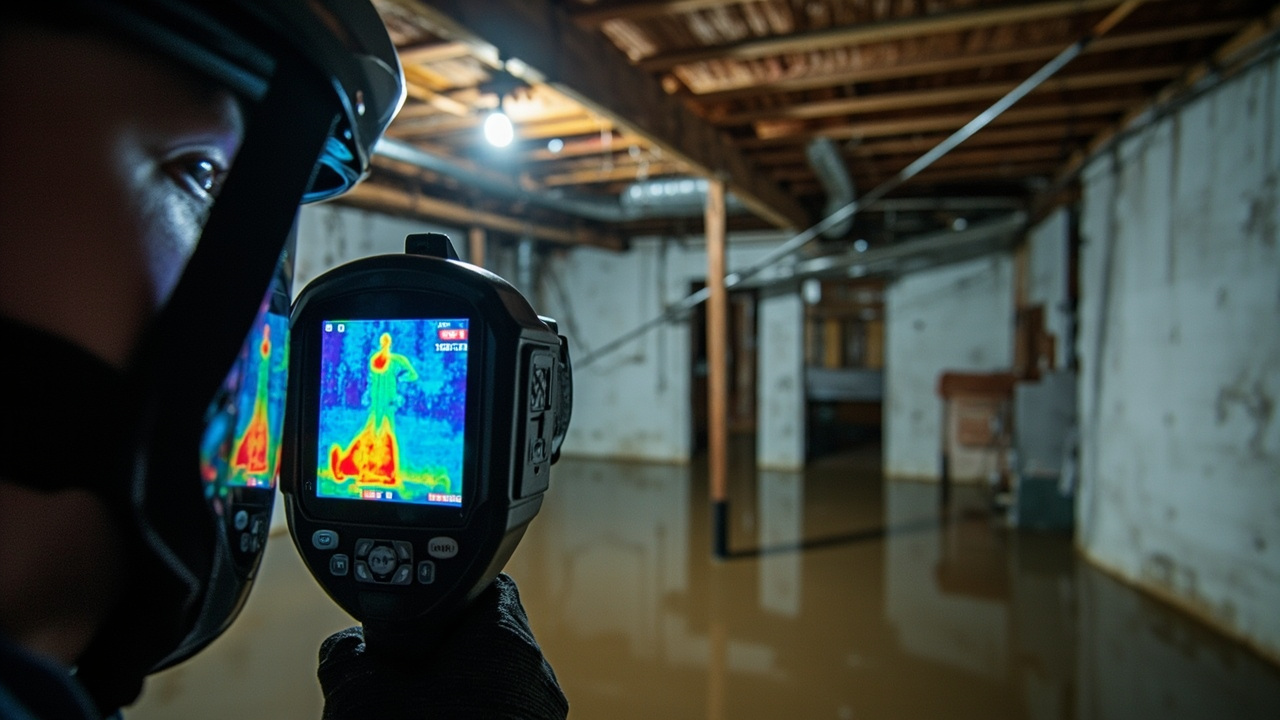
If you are standing in water in your Cypress basement, you are facing a race against time. The heavy clay soils around Cypress Creek and White Oak Bayou hold moisture long after the rain stops,…
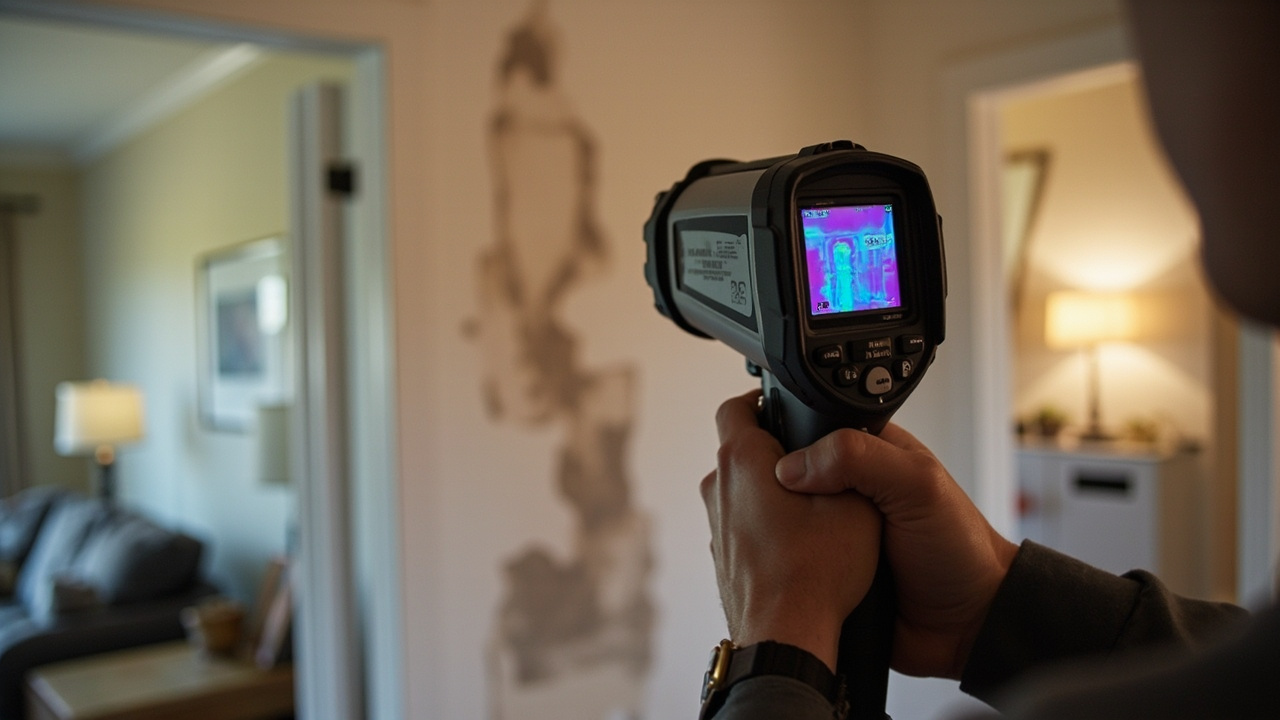
Houston humidity presents a constant struggle for homeowners across Harris County. In 2026, the weather…
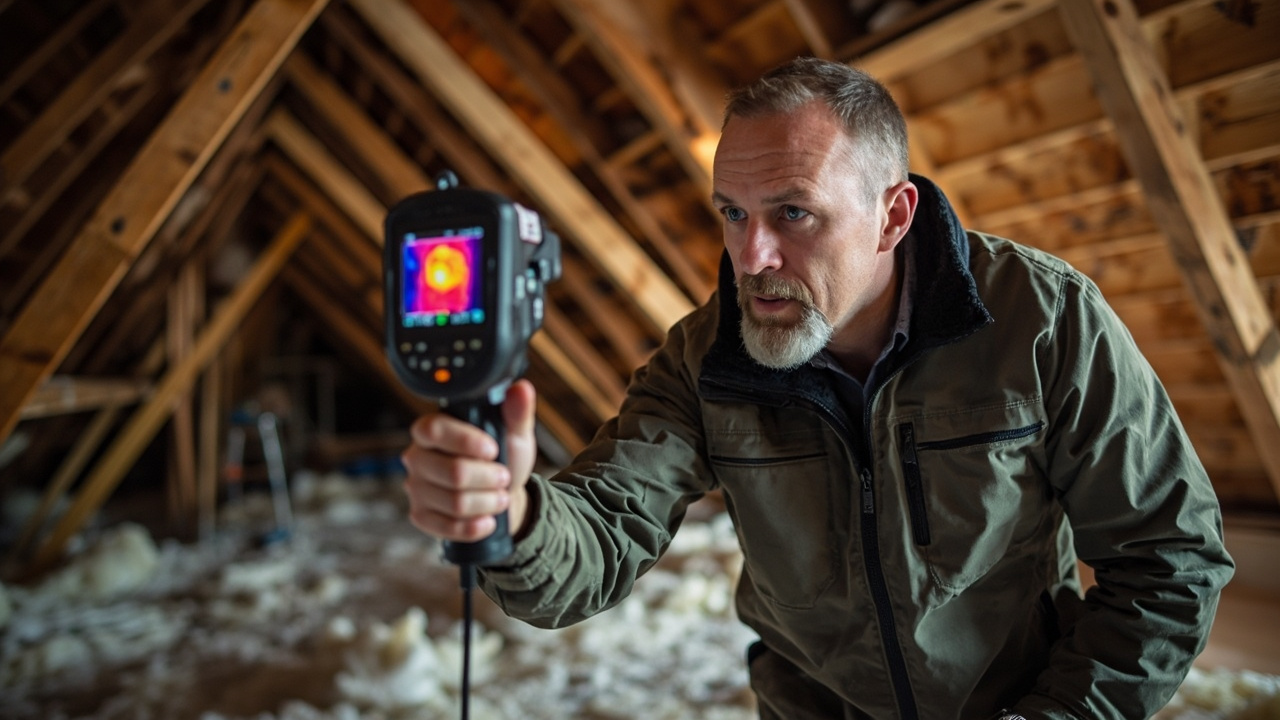
Dealing with Attic Water Damage from Leaky Roofs in KingwoodHomeowners in the Kingwood area face…

Why a Home Dehumidifier Cannot Save Your Third Ward Living Room from Water DamageYour Third…
Water damage gets worse every hour. Call Silverline Water Damage Restoration Houston at (832) 336-3663 for 60-minute emergency response anywhere in Stafford. Our crews are ready to extract water, dry your property, and work directly with your insurance company.